Table of Contents
Affiliate disclosure: MindReset.org may earn a commission if you buy through our links. This does not increase your price and does not affect our editorial judgment. As an Amazon Associate, we earn from qualifying purchases.
Research note: We have not personally tested the DABLEIBEN light therapy lamp yet. This research-based review uses the current product listing, published specifications, available safety guidance, customer-facing information, and comparison with similar bright light and red light products.
Health and safety note: This article is for general buyer information only and is not medical advice, diagnosis, or treatment guidance. A consumer light therapy lamp should not be relied on to treat seasonal affective disorder, depression, sleep disorders, eye conditions, pain, skin conditions, or any other medical problem. Ask a qualified healthcare professional before using bright light therapy if you have an eye condition, bipolar disorder, light sensitivity, take photosensitizing medication, or are using light exposure for a diagnosed condition.
We could assess the listed brightness, light modes, wavelength claim, timer, adjustable settings, UV-free claim, product format, and published buyer information. We could not independently verify actual illuminance at different distances, red-light power output, irradiance, treatment coverage, long-term durability, electrical reliability, customer support quality, or medical outcomes. Specifications, price, availability, seller, warranty, and return terms may change, so confirm the current Amazon listing and product instructions before purchasing.
DABLEIBEN Light Therapy Lamp Review
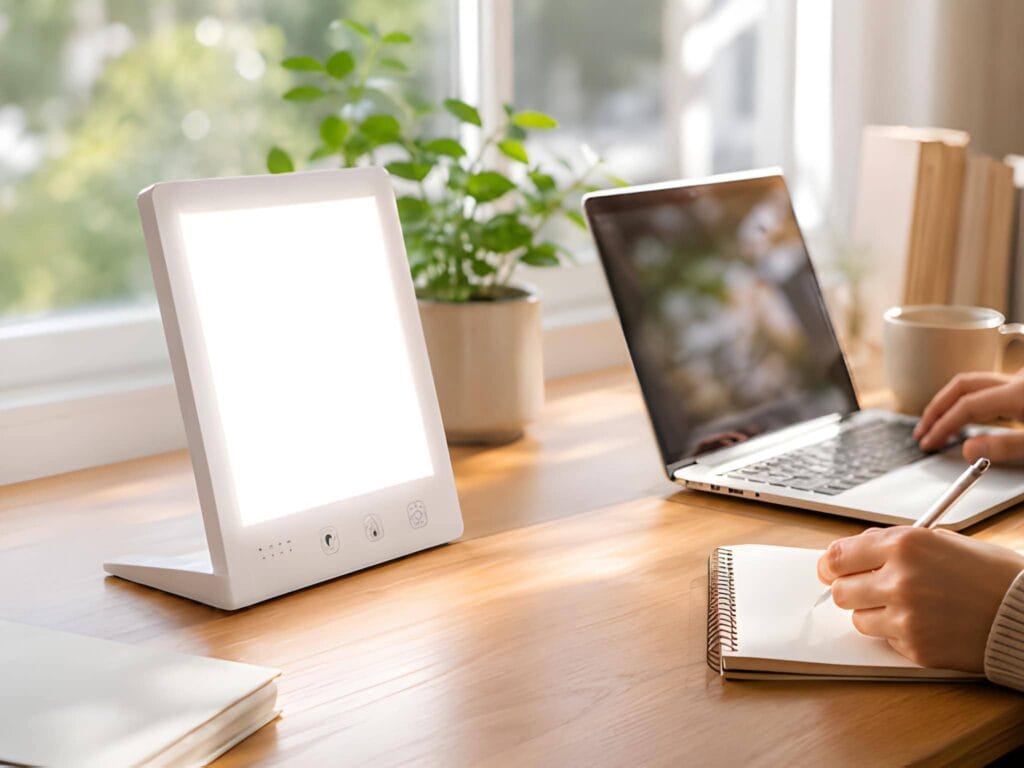
Dark mornings can make even a simple day feel harder than it should. When natural sunlight is limited, many people start looking for a light therapy lamp that can bring bright light into their morning routine without turning the home into a clinical setup. That is where the DABLEIBEN light therapy lamp becomes interesting.
This compact lamp combines 10000 lux bright white light, warm light, a red light mode, adjustable brightness, a timer, and UV-free light in one small desk-friendly device. It is not a premium medical-grade red light therapy panel, and it should not be treated like one. But as a practical wellness lamp for winter mornings, desk energy, mood and energy support, and a calmer evening setup, it has a clear place.
In this review, we will look at how the DABLEIBEN lamp works, what kind of light it emits, what buyers are likely to appreciate, where it has limitations, and how it compares with a SAD lamp, red light therapy devices, and larger light panels.
Quick Verdict: Is This Light Therapy Lamp Worth It?
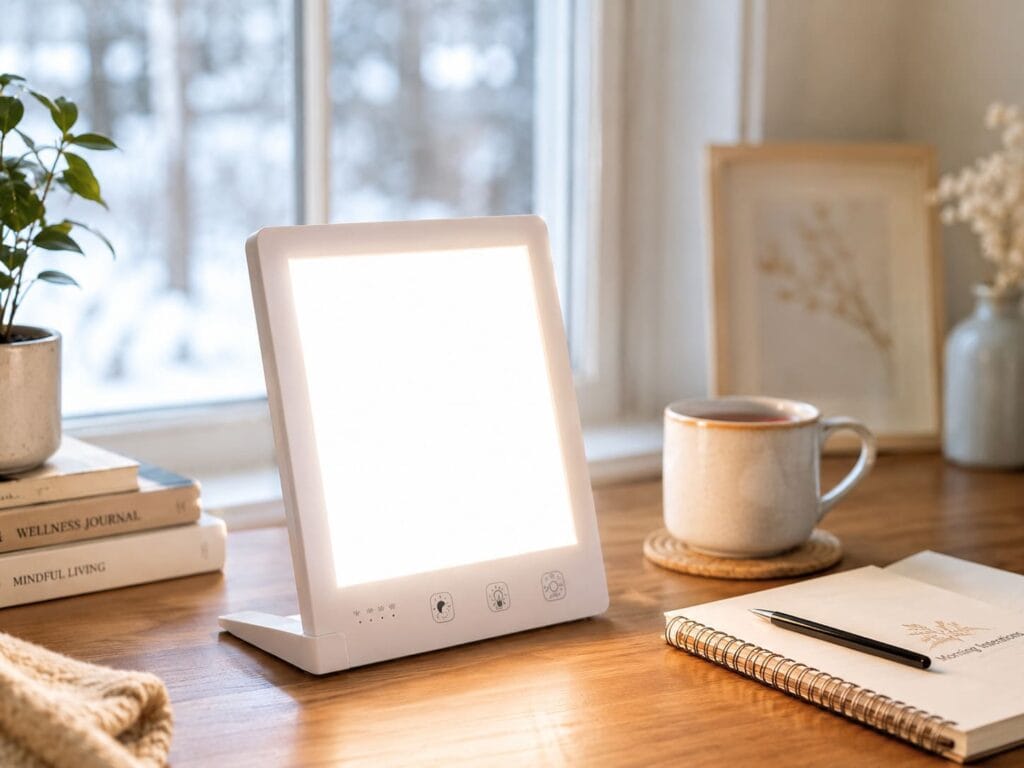
The DABLEIBEN light therapy lamp is worth considering if you want a compact, budget-friendly desk lamp for dark mornings, home office use, and basic light routine support. Its strongest feature is the 10000 lux white light mode. The red light mode is a useful extra, but it should not be treated like a full red light therapy panel.
Best for: dark mornings, desk routines, winter work setups, people who want one compact lamp with white, warm, and red modes.
Skip if: you need a clinically serious SAD lamp, a large red light therapy panel, verified irradiance data, or a device for treating a medical condition.
| Buyer question | Short answer |
|---|---|
| Is DABLEIBEN mainly a SAD lamp? | It is closer to a compact bright light lamp with extra red and warm modes. |
| Is the 10000 lux mode the main reason to buy? | Yes. The bright white mode is the clearest practical feature. |
| Is the red light mode enough for serious red light therapy? | Probably not. It is better treated as a comfort/ambience feature, not a full therapy panel. |
| Is it good for dark mornings? | Yes, if you want a simple desk-friendly light routine. |
| Is it good for evening use? | Only in softer warm/red modes. Avoid bright white light late at night. |
| Who should skip it? | People with eye sensitivity, bipolar disorder, photosensitizing medications, or anyone expecting medical results. |
What Is the DABLEIBEN Red Light Therapy Lamp?
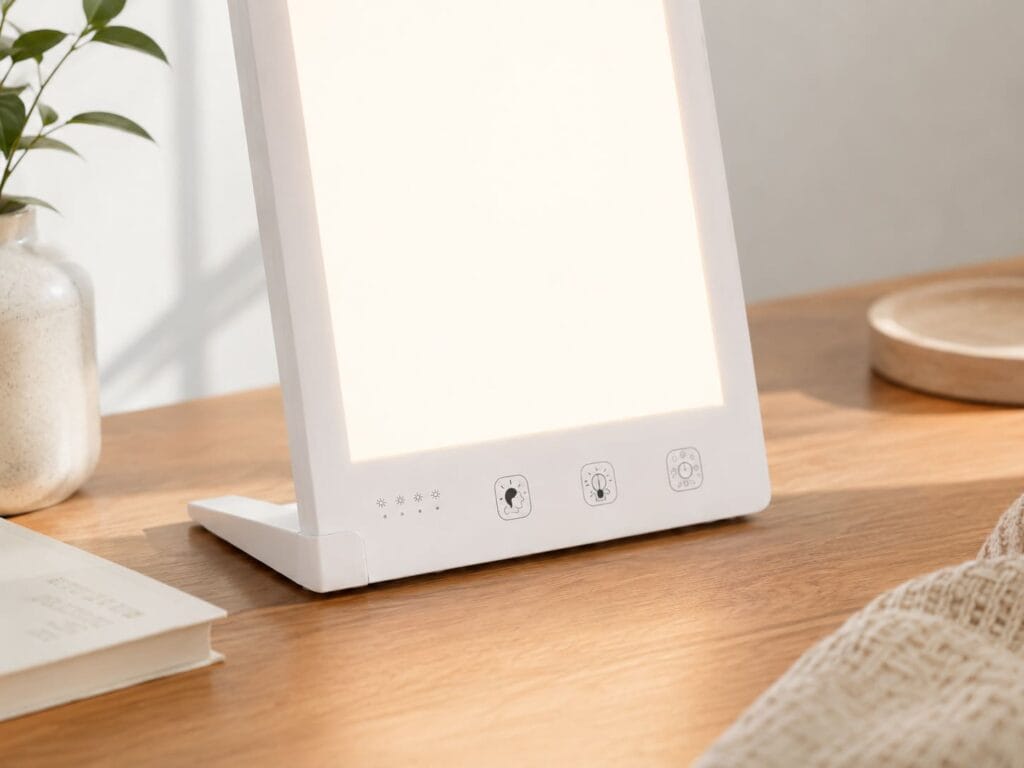
The DABLEIBEN light therapy lamp is a compact LED light therapy device designed for home use. Based on the product listing, it offers 10000 lux white light, 650nm red light, UV-free light, five brightness levels, a timer, and several light modes, including white light mode, warm light mode, and red light therapy mode.
This combination is what makes the product more interesting than a standard bright white light lamp. Most traditional SAD lamp products focus on bright light exposure only. Red light therapy devices, on the other hand, usually focus on red and near-infrared wavelengths for skin health, comfort, and targeted use on specific areas of the body.
DABLEIBEN sits between those two categories: it is more flexible than a basic desk lamp, but simpler than the dedicated devices covered in our guide to the best red light therapy tools. It is not a full red light therapy lamp in the same class as large panels, but it gives users a red light option alongside bright light. For someone who wants one small lamp for the comfort of your home, that may be enough.
How Does a 10000 Lux Light Therapy Lamp Work?
A light therapy lamp is designed to provide controlled light exposure when natural sunlight is limited. Many people use bright light in the morning because light is one of the main signals the body uses to regulate circadian rhythm.
The idea is simple: bright light in the early part of the day may help your body understand that it is time to be awake and alert. This can be useful during winter, when sunlight arrives late, days feel short, and indoor lighting is often too weak to create the same signal.
A good light therapy lamp usually focuses on brightness, comfort, positioning, and consistency. You do not need to stare directly into the lamp. In fact, you should not. The goal is to have the lamp placed nearby while the light reaches your eyes indirectly as you read, work, eat breakfast, or plan your day.
Bright Light Therapy vs Red Light Therapy: What Is the Difference?
The headline feature is 10000 lux brightness. Lux is a measure of light intensity, and 10000 lux is commonly used as a reference point in bright light therapy products. For daily use, this level matters because normal indoor lighting is often much weaker than outdoor daylight.
The second important feature is the 650nm red wavelength. In simple terms, 650nm sits in the red light range. Red light therapy is often discussed in relation to skin appearance, comfort, and cellular processes, but the strength, distance, treatment time, and device design all matter. A small lamp should not be compared directly with large red light therapy devices or professional panels.
The lamp also includes adjustable brightness and a timer, which makes it easier to use consistently. That matters because light exposure works best as part of a routine, not as something you randomly do once and expect dramatic results from.
Can a SAD Lamp Support Sleep, Mood and Energy in Winter?
Bright light therapy and red light therapy are often mixed together online, but they are not the same thing.
Bright light therapy usually refers to exposure to bright white light. It is commonly associated with morning use, circadian rhythm, winter blues, seasonal affective disorder, and sleep timing. The purpose is not to penetrate the skin. The purpose is to give your body a strong daytime light signal.
Red light therapy is different, especially when you compare a compact lamp with a stronger red light therapy panel for home use. It uses red light wavelengths and sometimes near-infrared light. Red and near-infrared light may interact with the skin and deeper tissue depending on the wavelength, power, and distance. This is where people talk about benefits of red light therapy such as skin health, collagen production, comfort, and rejuvenation.
The DABLEIBEN lamp blends both worlds, but it should be judged realistically. Its bright white light is likely the more important feature for morning use. Its red light mode is a useful extra, not a replacement for dedicated red light therapy panels.
What Light Modes Do You Get: White Light, Warm Light and Red Light?
The DABLEIBEN lamp may support better sleep habits indirectly by helping you create a clearer morning signal. Morning light exposure can be useful for people whose sleep cycle feels delayed, inconsistent, or affected by dark mornings.
This does not mean the lamp “fixes sleep.” Sleep depends on many things: bedtime, caffeine, stress, screen use, evening light exposure, room temperature, and consistency, which is why a full sleep and recovery routine matters more than one device alone. But adding bright light in the morning can be one practical tool inside a larger routine.
For mood and energy, the logic is similar. A bright light therapy habit may make mornings feel easier, especially during winter when the body gets less natural sunlight. If your home feels dim and heavy before work, a bright lamp on your desk can make the first hour of the day feel more active and structured.
What Are the Benefits of Red Light Therapy in a Home Lamp?
The biggest advantage is convenience. This is a small lamp, not a huge panel. You can place it on a desk, bedside table, shelf, or breakfast area. That makes it easier to use daily because it does not require a complicated setup.
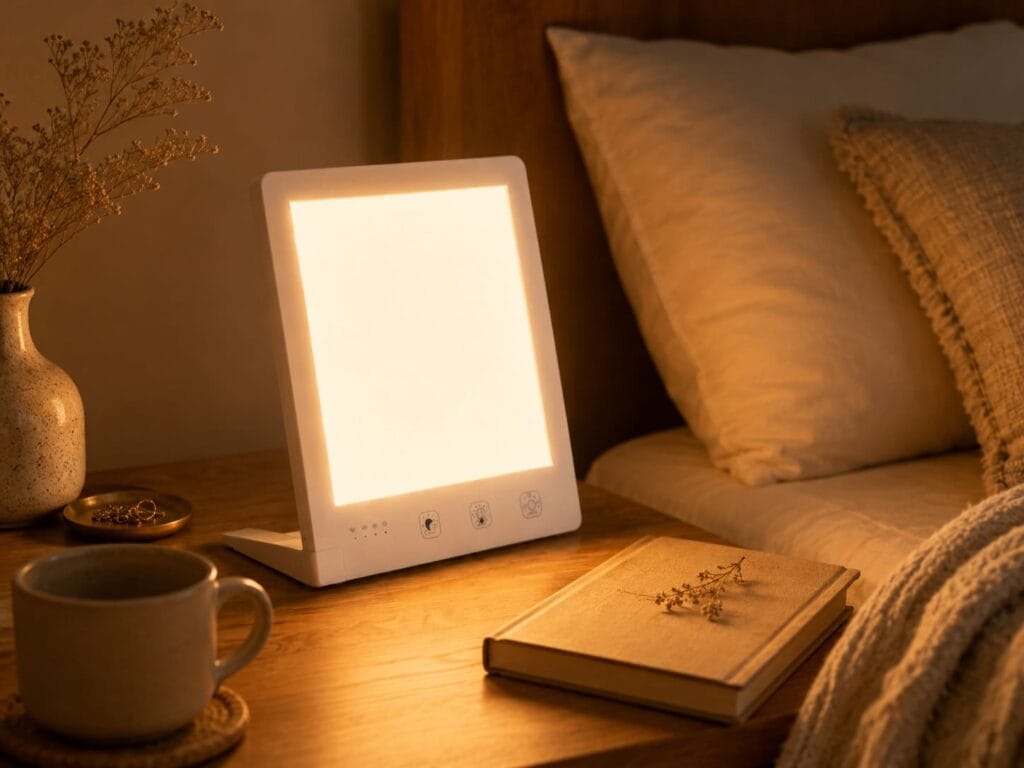
The second advantage is the number of modes. White light is useful in the morning or during work. Warm light can feel softer in the evening. Red light mode gives the lamp a more wellness-focused feel and may be useful when you want a calmer visual environment.
The third advantage is value. Premium red light therapy devices can become expensive quickly, especially if they include strong red and near-infrared LEDs, larger treatment areas, and higher power output. The DABLEIBEN lamp is positioned more like a practical home wellness device than a professional red light system.
Red Light Therapy Lamp vs Red Light Therapy Devices: Which Is Better?
The main limitation is that this lamp is trying to do several things at once. That is useful, but it also means it may not be the best in any single category. A dedicated SAD lamp may offer a larger light surface and stronger bright light therapy experience. A dedicated red light therapy panel may offer more serious red and near-infrared output.
Another limitation is size. Compact lamps are easy to use, but smaller surface area can affect how comfortable and immersive the light exposure feels. If you want a big therapeutic light experience, a larger lamp may be better.
The red light mode should also be treated carefully. Some red light therapy marketing online makes very strong claims about skin, pain, sleep, and cellular rejuvenation. A small consumer lamp with 650nm red light should not be sold in your mind as a guaranteed skin or joint pain solution. It may be a useful red light lamp for a gentle routine, but expectations need to stay grounded.
DABLEIBEN vs Full Spectrum Light Therapy Lamps
A classic SAD lamp is usually built around bright white light exposure. It is often used in the morning and is designed to mimic some qualities of outdoor light without UV exposure. If your only goal is a serious bright light therapy routine, a dedicated SAD lamp may be the cleaner choice.
The DABLEIBEN lamp is different because it adds red light and warm light. That makes it more flexible for home use. You can use bright white light in the morning, warm light later in the day, and red light mode when you want a softer mood.
If you are dealing with diagnosed seasonal affective disorder or seasonal depression, it is better to treat light therapy as part of a wider conversation with a healthcare professional. But if you simply want a compact lamp to help with dark mornings and winter blues, DABLEIBEN is a reasonable entry-level option.
DABLEIBEN vs Near-Infrared and LED Light Therapy Panels
Red light therapy devices are usually designed for targeted exposure. Larger light panels may include red and near-infrared wavelengths, higher output, and a bigger treatment area. Some products use red and near-infrared light together because near-infrared light may reach deeper than visible red light.
The DABLEIBEN lamp includes red light, but it is not the same category as a dedicated red light therapy panel. It is more of a compact hybrid lamp. That means it is easier to place on a desk and easier to use casually, but less specialized.
If you want red light therapy treatments for large areas of the body, this is probably not the right product; a full-body red light therapy mat or larger panel would make more sense. If you want a simple lamp with a red mode for evening comfort, visual warmth, and basic wellness use, it makes more sense.
Who Should Skip This Red Light Lamp?
Some full spectrum light therapy lamps are marketed as being closer to natural sunlight. You may also see terms like full spectrum light, ChromaLux® full spectrum, bright white light, or therapeutic light in competitor listings.
The important point is not the marketing phrase alone. What matters is how the lamp feels, how bright it is, whether it is UV-free, how easy it is to use, and whether it fits your daily routine.
The DABLEIBEN lamp gives you full spectrum-style white light positioning, but its bigger advantage is versatility. It is not only a bright light lamp. It also includes warm light and red light, which may make it more attractive for people who want one light source for several parts of the day.
Does Blue Light Matter?
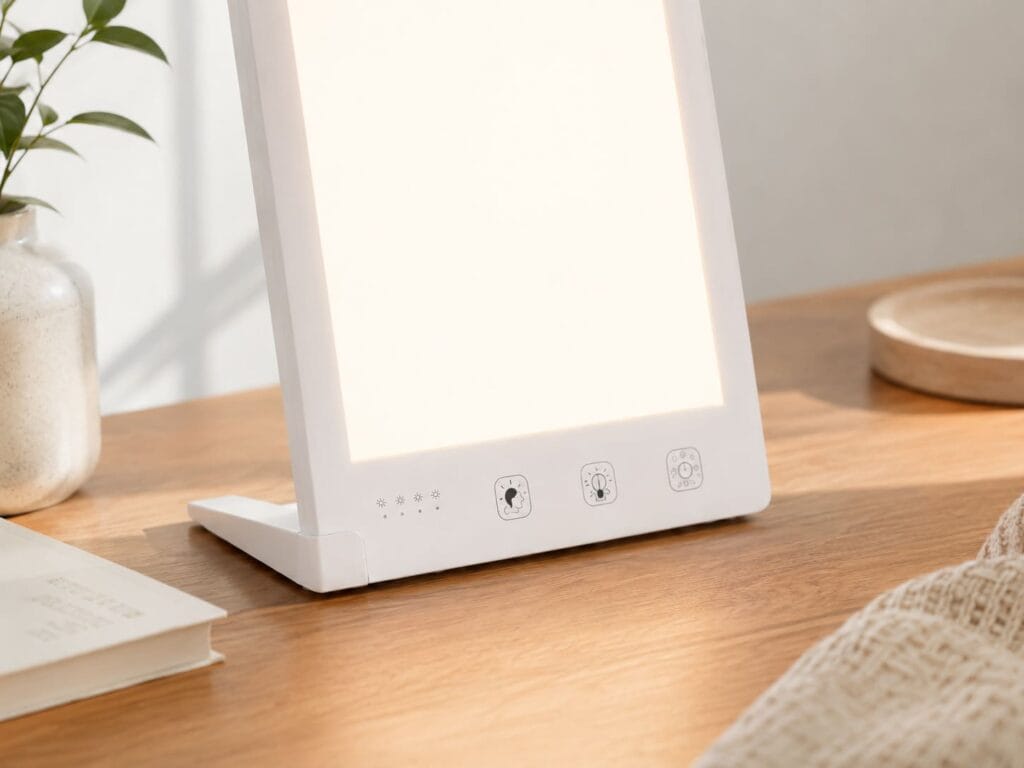
This is why timing matters. A bright therapy light is usually best earlier in the day. Using bright white light late in the evening may make it harder for some people to wind down because light exposure can influence melatonin timing.
The DABLEIBEN lamp gives users different modes, which is useful. Bright white light can be saved for morning or daytime work. Warm light or red light can be used when you want a softer atmosphere later, although even evening light should be used thoughtfully if sleep is a priority.
How to Use Bright Light Therapy Safely in a Daily Routine
The simplest approach is to use the lamp in the morning while doing something you already do. Place it on your desk or table while you drink coffee, check your calendar, write in a journal, or start work; it fits naturally with other smart desk gadgets that reduce work stress. Keep it off to the side rather than staring directly into it.
Start with a comfortable brightness level. More intense light is not always better if it causes eye strain or irritation. The adjustable brightness levels are useful because you can build tolerance and find the setting that feels right.
For a practical daily routine, use bright light during the first part of the day, use normal room light while working, and reduce intense light later in the evening. If you use red light mode, treat it as a softer environment tool rather than a medical treatment.
Who Should Buy This Light Therapy Lamp?
This lamp is a good fit for people who want a simple, compact light therapy lamp for winter mornings, desk work, home office use, and general wellness routines.
It is also a good choice for someone who is curious about red light but not ready to buy expensive red light therapy devices. The 650nm red mode gives you a basic red light experience without needing a large panel.
It may also suit people who want one lamp with several modes instead of separate devices. If you like practical tools that fit into your space without creating clutter, this product has a strong argument.
Who Should Skip It?
Skip this lamp if you want a serious red and near-infrared therapy setup. A larger panel with clearly stated power output, treatment distance, wavelength range, and coverage area would be more appropriate.
You may also want to skip it if you need a large SAD lamp for a structured bright light therapy protocol. A bigger lamp with a larger surface area may be easier to use for longer sessions.
Finally, skip it if you expect instant changes in sleep, mood, skin health, or energy. Light therapy is not magic. It is a routine tool. It works best when paired with consistent wake time, outdoor light when possible, movement, good sleep hygiene, and realistic expectations.
Safety Notes: How to Use Light Therapy Realistically
Do not stare directly into the lamp. Place it nearby and let the light enter your visual field indirectly. If the brightness feels uncomfortable, lower it or increase the distance.
Be careful if you have eye conditions, take photosensitizing medication, have bipolar disorder, or are using light therapy for seasonal affective disorder. In those cases, get medical guidance before starting a strong light exposure routine.
For red light therapy, avoid assuming that every red lamp works the same way. Wavelength, power, distance, session length, and device quality matter. The fact that wavelengths penetrate the skin does not automatically mean every product delivers the same result.
Final Verdict: Is DABLEIBEN the Best Light Therapy Lamp for Beginners?
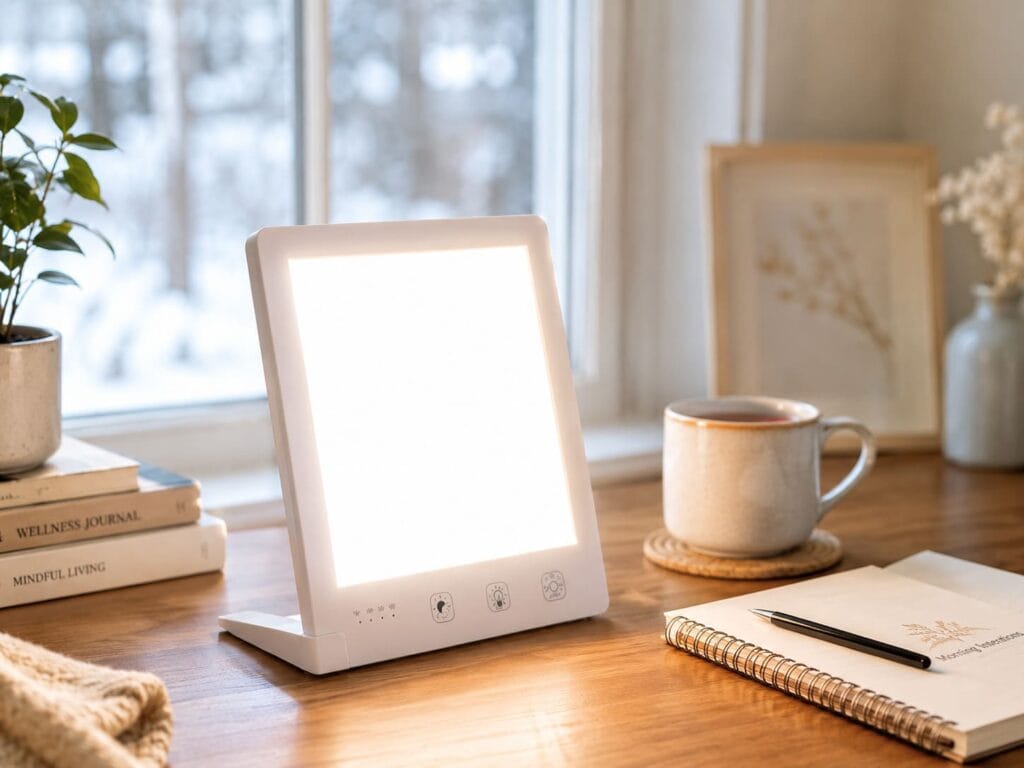
The DABLEIBEN light therapy lamp is best understood as a compact wellness lamp for everyday use. Its main value is not that it beats premium red light therapy devices or professional SAD lamp options. Its value is that it combines bright light, red light, warm light, a timer, adjustable brightness, and UV-free light in one simple product.
For dark mornings, home office energy, winter blues, and a more structured daily routine, it can be a useful addition. The bright white light is the strongest reason to consider it. The red light mode is a nice extra for people who want a softer, more wellness-oriented lamp.
If you want a serious clinical device, look higher. If you want a practical first light therapy lamp with red light features for the comfort of your home, DABLEIBEN is worth a closer look.
What We Could Verify
Based on the public product listing, DABLEIBEN is positioned as a compact 10000 lux LED light therapy lamp with white light, warm light, 650nm red light mode, five brightness levels, four light modes, a timer, and UV-free lighting.
We could also verify that the product is marketed as a hybrid lamp rather than a large red light therapy panel. That distinction matters. The bright white light mode is the clearest practical feature for dark mornings and desk use. The red light mode should be treated as an extra comfort feature unless the brand provides more detailed technical data such as irradiance, treatment distance, LED count, and coverage area.
What We Could Not Verify
We could not verify long-term durability, real-world brightness at different distances, flicker performance, eye comfort during longer sessions, actual irradiance of the red light mode, app or control reliability if applicable, warranty handling, or customer support quality.
We also could not verify whether the red light mode produces meaningful skin, sleep, or recovery effects. For that reason, this review does not treat DABLEIBEN as a replacement for dedicated red light therapy panels or medical light therapy devices.
Key Things to Remember
- The DABLEIBEN light therapy lamp combines 10000 lux bright light with 650nm red light.
- It includes white light, warm light, red light mode, adjustable brightness, and a timer.
- It is best for morning routines, winter desk use, and general wellness habits.
- It should not be treated as a replacement for professional red light therapy panels.
- Bright light therapy and red light therapy are different categories.
- Use bright light earlier in the day, not late at night.
- Do not stare directly into the lamp.
- For diagnosed seasonal affective disorder, eye conditions, or medication-related light sensitivity, speak with a healthcare professional first.
- The lamp is a strong fit for beginners who want one compact, flexible therapy light.
- Consistent, correctly timed use is more relevant than occasional random use, but individual results are not guaranteed.