Table of Contents
MindReset.org may earn a commission if you buy through our links. This does not increase your price and does not affect our editorial judgment. As an Amazon Associate, we earn from qualifying purchases.
Research note: We have not personally tested the devices discussed in this guide. This article is based on public regulatory information, research summaries, product documentation where available, and claim-safety review. It is not medical advice.
Safety note: Devices that apply electrical stimulation to the head are not ordinary wellness gadgets. If you have a diagnosed medical condition, implanted device, seizure history, pregnancy, neurological condition, psychiatric condition, or take medication affecting mood, sleep, or the nervous system, speak with a qualified healthcare professional before using any cranial or transcranial stimulation device.
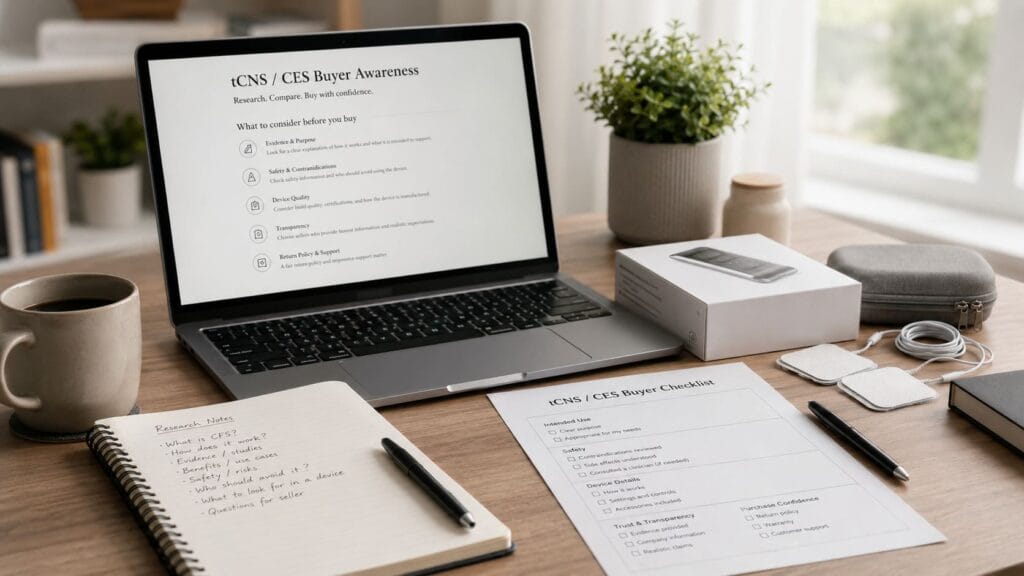
tCNS therapy is a phrase often used online to describe cranial or transcranial stimulation-style devices marketed for relaxation, sleep routines, calm, mood support, or recovery. The problem is that many product pages use this phrase too casually and make claims that buyers should verify before trusting.
tCNS and CES devices are often marketed online with strong promises: better sleep, calm, relaxation, mood support, brain stimulation, nervous-system reset, or deep recovery. Some pages make these devices sound like simple home biohacking tools. That framing is too casual.
This guide takes a more careful approach. Instead of asking “Which device will fix your sleep or stress?”, the better buyer question is:
What claims, safety details, regulatory status, and product limitations should you check before buying a tCNS or CES device?
For MindReset readers, these devices should be treated as high-caution products. They may be marketed for relaxation or stimulation routines, but product-specific effects, safety, regulatory status, and medical suitability must be verified before purchase.
Quick verdict
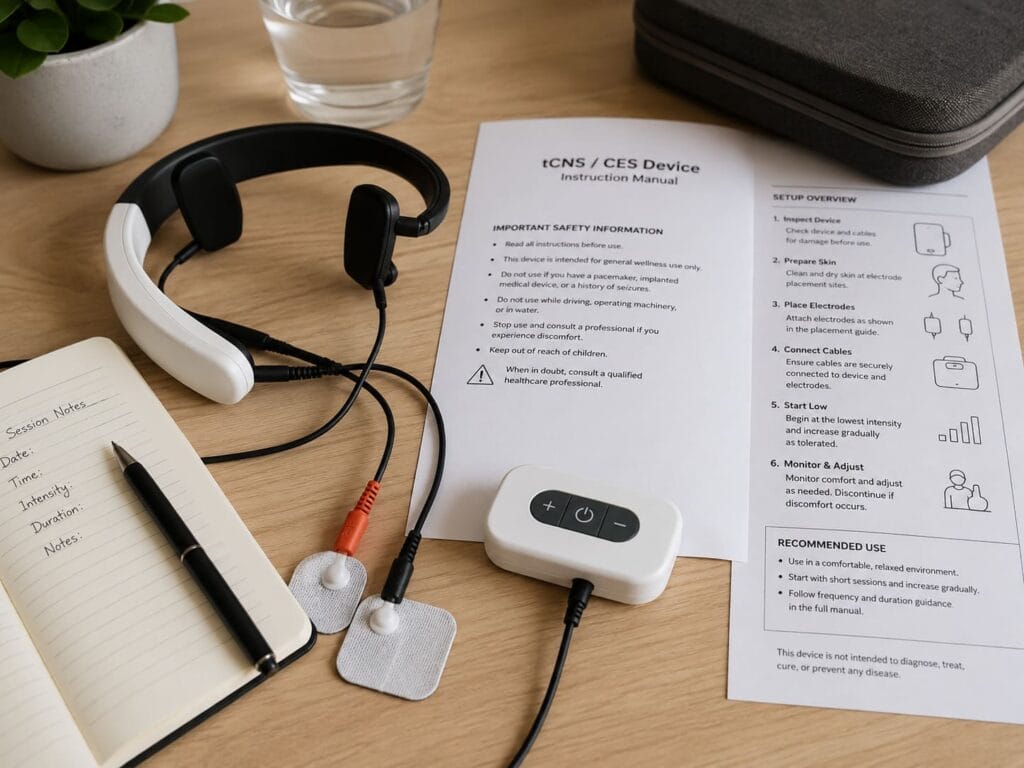
Do not buy a tCNS or CES device because a product page promises brain reset, cortisol reduction, serotonin support, insomnia relief, anxiety clearing, or medication-like results.
Consider this category only if you are willing to verify the device, read the safety information, understand the regulatory status, and avoid treating it as a shortcut for medical or mental health concerns.
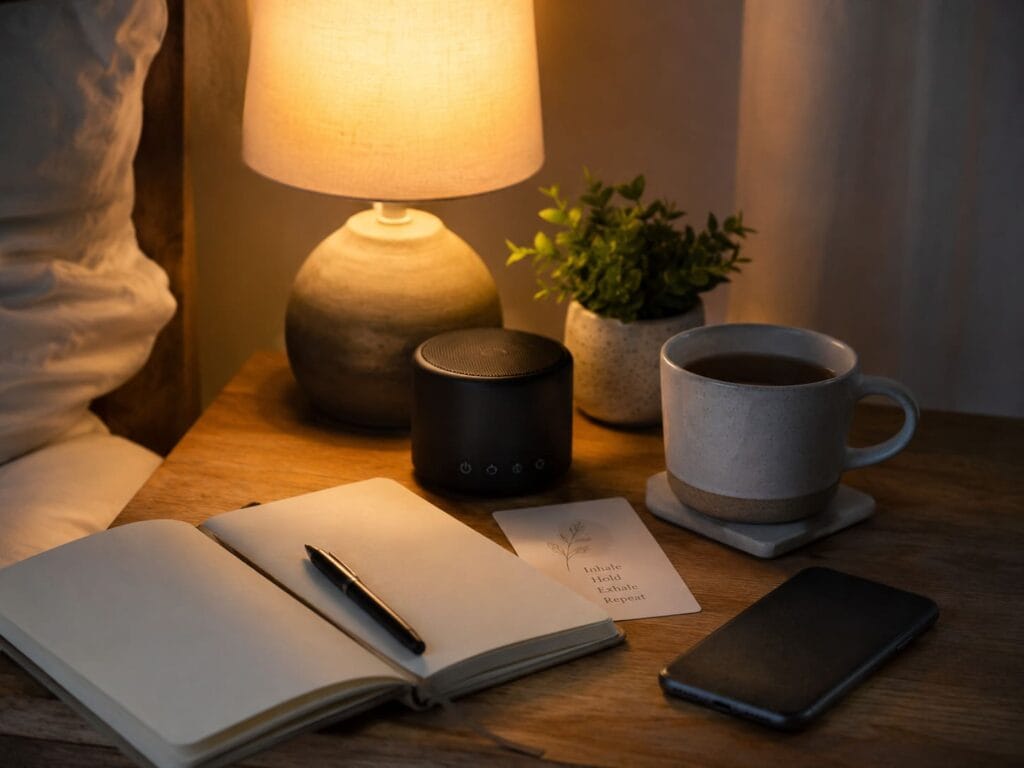
For most people, safer first steps include light routines, sound routines, breathing practice, phone boundaries, sleep hygiene, journaling, movement, and non-electrical relaxation tools.
Why tCNS therapy claims need careful checking
The phrase tCNS therapy can make a product sound more established than it really is. Before buying, check whether the device is a regulated medical device, a prescription-only device, a wellness gadget, or simply a marketplace listing using clinical-sounding language.
What are tCNS and CES devices?
The terms can be confusing because online content often mixes several categories together.
CES usually means cranial electrotherapy stimulation. In the United States, the Code of Federal Regulations describes a cranial electrotherapy stimulator as a prescription device that applies electrical current to a patient’s head and is not intended to induce a seizure. The eCFR classification distinguishes intended uses such as insomnia/anxiety from depression-related claims.
tCNS is often used more broadly in consumer wellness language for transcranial or cranial nerve stimulation-style products. Some products may use electrical stimulation, some may target ear or head placement, and some may use different technical language entirely.
That is why you should not judge these products by the marketing name alone. You need to check the actual device type, intended use, stimulation method, regulatory status, contraindications, instructions, and safety warnings.
Helpful sources to review include the eCFR section on cranial electrotherapy stimulators and the FDA product classification database.
Why this category needs caution
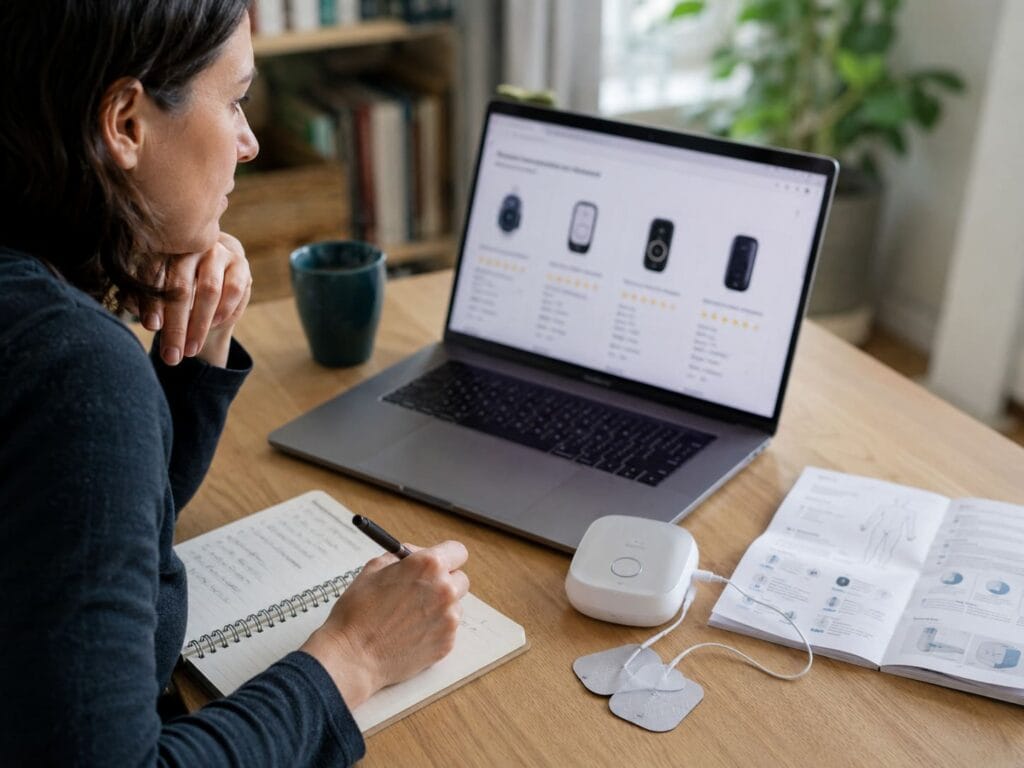
A sleep mask, notebook, sound machine, or light timer can usually be reviewed as a normal consumer wellness product. A device that applies electrical stimulation to the head should not be handled the same way.
The main buyer risk is not only the device itself. The risk is the marketing around it.
Be careful with claims such as:
- resets the brain;
- normalizes brain waves;
- reduces cortisol;
- boosts serotonin or endorphins;
- forces deep sleep;
- treats insomnia;
- clears anxiety;
- works like a medication alternative;
- has no withdrawal;
- is scientifically proven for everyone;
- is completely safe for home use.
These phrases sound persuasive, but they often go beyond what a buyer guide should repeat without strong device-specific evidence and regulatory context.
What we could verify
We could verify that cranial electrotherapy stimulation is a regulated medical-device category in the United States.
We could verify that the U.S. eCFR describes a cranial electrotherapy stimulator as a prescription device applying electrical current to the head, and that FDA classification information exists for cranial electrotherapy stimulators intended to treat insomnia and/or anxiety.
We could also verify that research reviews discuss CES for conditions such as anxiety, pain, insomnia, depression, PTSD, and other use cases, but the strength and quality of evidence varies by condition and study design.
A VA/NCBI systematic review described the quality of evidence for many situations as insufficient, and low for selected anxiety/depression symptom outcomes. A Cochrane review on CES for acute depression found insufficient evidence because no studies met its inclusion criteria.
Sources worth reviewing before buying include:
- eCFR: 21 CFR 882.5800 Cranial electrotherapy stimulator
- FDA Product Classification: Cranial electrotherapy stimulator
- NCBI Bookshelf / VA review: Effectiveness and risks of cranial electrical stimulation
- Cochrane review: CES for depression
What we could not verify
We could not verify that any consumer tCNS or CES device will improve sleep, mood, relaxation, focus, or recovery for a specific person.
We could not verify product-specific claims about serotonin, endorphins, cortisol, alpha waves, beta waves, neural reset, brain chemistry, or deep sleep restoration unless the manufacturer provides clear, device-specific evidence and regulatory documentation.
We could not verify long-term safety, real-world adherence, customer support quality, return handling, app reliability, electrode durability, battery degradation, or whether users apply the device correctly at home.
We also could not verify that Amazon listings or third-party product pages consistently describe regulatory status, contraindications, or safety warnings clearly enough for a buyer to make a medical decision.
Who should avoid these devices or seek medical advice first?
Do not treat this category like a casual impulse buy.
Speak with a qualified healthcare professional before considering a tCNS or CES-style device if you:
- have a diagnosed sleep disorder;
- have anxiety, depression, bipolar disorder, PTSD, or another mental health condition;
- have epilepsy, seizure history, or neurological symptoms;
- have an implanted medical device such as a pacemaker or neurostimulator;
- are pregnant or trying to become pregnant;
- take medication affecting mood, sleep, blood pressure, or the nervous system;
- have unexplained headaches, dizziness, fainting, or neurological changes;
- are buying the device for a child, teenager, or vulnerable adult.
If your symptoms are severe, worsening, or affecting daily function, do not use a wellness device as a substitute for care.
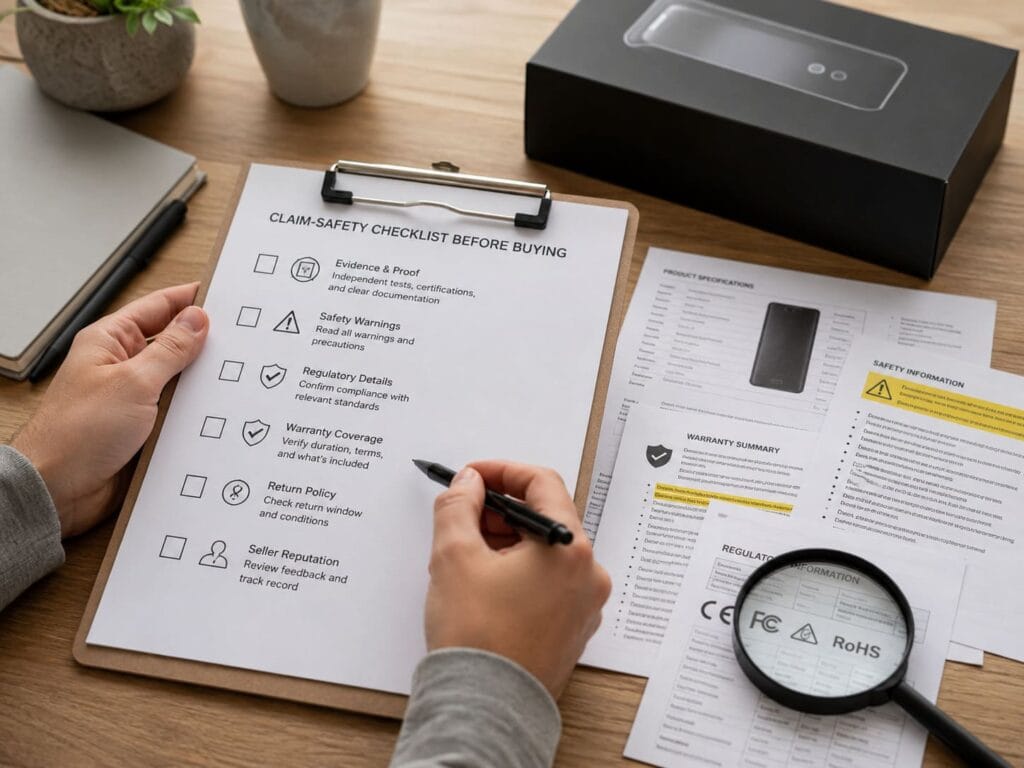
Claim-safety checklist before buying
Before buying any tCNS or CES device, check these questions:
| Question | Why it matters | Red flag |
|---|---|---|
| Is it FDA-cleared, FDA-approved, CE-marked, or simply marketed online? | Regulatory wording matters. | The seller uses vague terms like “FDA registered” without clear device clearance details. |
| Is the device prescription-only in your country? | Some device categories may require medical oversight. | The listing sells it like a casual wellness gadget with no clinical context. |
| What is the intended use? | A device may be cleared or studied for one use, not every marketing claim. | The same page claims sleep, anxiety, depression, pain, focus, hormones, and brain reset. |
| Are contraindications clearly listed? | Electrical stimulation is not suitable for everyone. | No safety warnings, no user manual, no medical-use limits. |
| Does the product provide device-specific evidence? | Evidence from one device may not apply to another. | The page cites general brain stimulation studies but sells a different device. |
| Are side effects explained? | Buyers need realistic expectations. | The page says “no side effects” or “completely safe.” |
| Are return and support policies clear? | These devices can be expensive. | No clear warranty, return window, or support channel. |
For a consumer neck-worn electrical-stimulation example, see our Pulsetto buyer and safety review; suitability and regulatory context still need separate checking.
What claims should make you pause?
Be especially cautious if a product page says the device can:
- control your biochemistry;
- normalize brain electricity;
- restore deep sleep quickly;
- act like a medication alternative;
- reduce cortisol directly;
- increase serotonin or endorphins;
- clear anxiety;
- treat depression;
- reset neural networks;
- fix chronic insomnia;
- deliver clinical results without medical supervision.
Those are not normal buyer-guide claims. They require strong device-specific evidence, clear regulatory status, and careful medical wording.
Are tCNS and CES devices good relaxation tools?
Some users may be interested in these devices as part of a relaxation routine. That does not mean the device should be treated as a guaranteed sleep, mood, or mental-health solution.
A safer way to frame the category is this:
These devices are marketed for relaxation or stimulation routines, but you need to verify the exact device, intended use, safety information, and medical suitability before purchase.
If a device is regulated or prescription-only in your region, follow that process. Do not bypass medical guidance because a marketplace listing makes the product sound simple.
Hidden costs and limitations
Before buying, check:
- device price;
- replacement electrodes or pads;
- gel, clips, cables, or accessories;
- shipping region;
- return policy;
- warranty length;
- app requirements;
- subscription requirements;
- prescription or clinician involvement;
- whether the device can be returned after opening.
Also check whether the device has clear instructions for placement, session length, frequency, cleaning, storage, and what to do if you feel discomfort, headache, dizziness, skin irritation, mood changes, or unusual symptoms.
Better first alternatives for most readers
Better first alternatives for most readers
If your goal is a calmer evening, better daily routine, or more structured self-regulation practice, start with lower-risk tools before considering any cranial or transcranial stimulation device.
These alternatives do not replace medical care, but they are easier to evaluate as routine-support tools because they do not apply electrical stimulation to the head.
| Alternative | Best for | Why check it before tCNS/CES | MindReset guide |
|---|---|---|---|
| Light environment tools | Morning energy, evening dimming, screen comfort | Light timing is a lower-risk routine change before buying any stimulation device. | Compare light environment tools |
| Sound machine | Bedroom noise, phone-free sleep routine, evening wind-down | A dedicated sound tool can support a calmer room without brain-stimulation claims. | Read the Sound Oasis S-680 review |
| HRV breathing biofeedback | Short breathing sessions, recovery awareness, daily practice | It gives feedback during breathing practice without applying electrical stimulation to the head. | Read the HeartMath Inner Balance review |
| Desktop HRV biofeedback | Structured breathing practice at a desk or home setup | A better fit if you want measurable feedback but prefer a practice-based tool. | Read the HeartMath emWave Pro review |
| Meditation feedback headband | Meditation routines, attention feedback, guided practice | This is still wearable tech, but it fits a different buyer decision than tCNS or CES. | Read the Muse headband review |
| Wearable vibration tool | Non-head-based wearable relaxation routines | Apollo Neuro uses vibration patterns, not cranial electrical stimulation, but its claims still need careful review. | Read the Apollo Neuro review |
For most readers, one of these lower-risk routine tools is a more sensible first step than buying a tCNS or CES device from a marketplace listing with aggressive sleep, mood, or brain-reset claims.
When might a buyer still consider this category?
A cautious buyer might still consider a tCNS or CES-style device if:
- they have reviewed the device documentation;
- they understand the regulatory status;
- they know whether a prescription or clinician guidance is required;
- they have checked contraindications;
- they are not expecting a cure or fast medical result;
- they can afford the device without pressure;
- they are willing to stop use and seek advice if symptoms worsen.
That is a very different decision from clicking an affiliate link because a page promises deep sleep or anxiety relief.

FAQ: tCNS and CES devices
Are tCNS and CES devices the same thing?
Not always. CES usually refers to cranial electrotherapy stimulation, while tCNS may be used more broadly in consumer marketing. Always check the device type, intended use, stimulation method, and regulatory status instead of relying on the marketing label.
Can these devices treat insomnia or anxiety?
This guide does not make treatment claims. In the United States, cranial electrotherapy stimulators are regulated devices, and intended uses matter. If you are considering a device for a medical condition, speak with a qualified healthcare professional and review the device’s regulatory documentation.
Are tCNS or CES devices safe?
Safety depends on the specific device, user, medical history, instructions, contraindications, and correct use. Avoid any product page that simply says the device is completely safe for everyone.
Should I buy a device from Amazon?
Be careful. Marketplace listings may not provide enough information about regulatory status, contraindications, clinical evidence, warranty, or support. Verify the manufacturer, documentation, and safety information before buying.
What should I try before buying a stimulation device?
Start with lower-risk routine tools: light timing, sound, phone boundaries, breathing practice, journaling, movement, and sleep routine basics. If symptoms are persistent or severe, seek professional advice instead of relying on a wellness device.
Final verdict
tCNS and CES devices should not be sold or reviewed like ordinary relaxation gadgets.
The safest buyer position is cautious: verify the device, verify the claims, verify the regulatory status, check the warnings, and speak with a qualified professional if you have any medical or mental-health concerns.
Do not buy because a listing promises brain reset, deep sleep restoration, cortisol reduction, serotonin support, or anxiety clearing.
Bottom line: if a tCNS or CES device is part of your routine, it should be chosen with evidence, safety, and medical suitability in mind — not because of aggressive wellness marketing.