
Table of Contents
Affiliate disclosure: MindReset.org may earn a commission if you buy through our links. This does not increase your price and does not affect our editorial judgment.
Research note: We have not personally tested Muse 2 or Muse S Athena. This guide is based on official product specifications, public documentation, available research, visible user feedback, and comparison with similar meditation and biofeedback tools.
What we assessed: current Muse models, EEG and biofeedback features, app experience, meditation feedback, sleep functions, subscription requirements, buyer fit, sensor-contact limitations, and practical differences between Muse 2 and Muse S Athena.
What we could not independently verify: long-term comfort, sensor reliability across different users, battery degradation, firmware and app stability, customer support quality, sleep-stage accuracy, or product-specific effects on stress, anxiety, cognition, meditation depth, sleep quality, and mental health.
Important: Product models, prices, bundles, app features, subscription costs, warranty terms, and availability may change. Muse is a consumer wellness and training tool, not a substitute for medical assessment, diagnosis, or treatment.
Quick Verdict
Muse is worth considering for people who struggle to maintain a meditation practice because ordinary meditation apps provide instructions but no real-time feedback. Muse 2 is the better-value choice for EEG-guided meditation, while Muse S Athena adds sleep tracking, overnight features, and fNIRS-based mental performance training.
The main buyer risks are price, recurring Premium subscription costs, sensor-contact interruptions, and the possibility that scores become another source of pressure. Skip Muse if you already meditate consistently without technology or want a device that guarantees better sleep, reduced anxiety, or improved cognitive performance.
Muse meditation headband review
This Muse meditation headband review is for anyone who wants meditation to feel less abstract, more measurable, and easier to repeat.
Meditation sounds simple until you actually try to do it.
What Is the Muse Meditation Headband and Brain-Sensing Headband?
Muse is a consumer EEG meditation device designed to help people train attention, calm, and mental fitness through biofeedback.
In simple language, it is a wearable headband with sensors that read signals from your brain and body. The Muse app then translates those signals into guided meditation sessions, real-time feedback, scores, and post-session insights. Muse describes the app as receiving real-time data from the headband’s sensors and turning brain and body signals into peaceful weather sounds.
That matters because most meditation apps only tell you what to do.
Muse gives you feedback on what is actually happening.
The main Muse models people usually compare are:
- Muse 2 — the more affordable option focused on real-time EEG meditation feedback, heart rate, breath, posture, and attention training.
- Muse S Athena — the premium sleep and mental-fitness model combining EEG with fNIRS, overnight tracking, sleep features, and cognitive-performance tools.
- Older Muse S and Muse S Gen 2 models may still appear in previous reviews or resale listings, but the current official Muse comparison focuses on Muse 2 and Muse S Athena.
For most buyers, the question is not “Can this device read my brain like a hospital machine?”
The better question is:
Will this help me meditate more consistently because I finally understand what my mind is doing?
That is where Muse becomes interesting.
How Muse Meditation Turns Brain Activity Into Weather and Sound
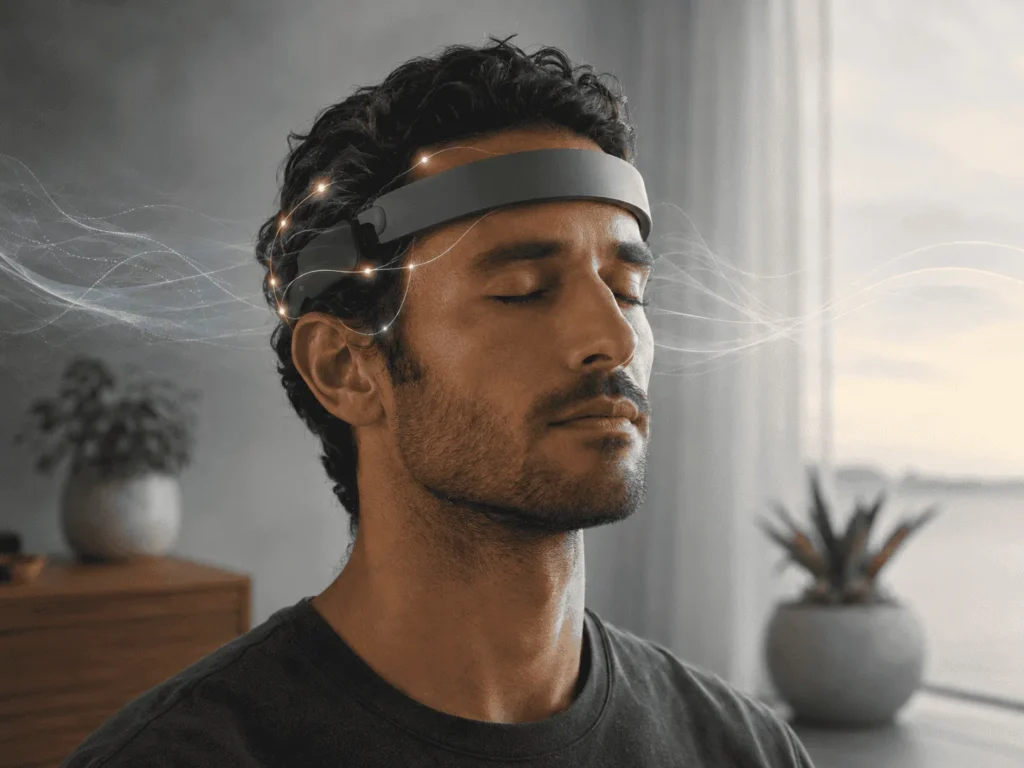
The best part of Muse is not the hardware. It is the metaphor.
Your mind becomes weather.
During a Muse meditation, the soundscape changes based on your level of mental activity. Muse’s own Muse 2 starter guide explains it clearly: when the weather gets louder, it is a reminder that your mind is wandering; when the weather gets quieter, it lets you know your mind is calm.
That is a very smart design choice.
Most people do not want to stare at raw EEG charts. They do not want to interpret alpha, beta, or theta waves while trying to relax. They want one simple signal:
Am I drifting away, or am I coming back?
Muse answers that through sound.
A busier mind produces more active weather. A calmer mind produces a softer soundscape. Birds act like a small reward when you stay settled.
It is gamified meditation, but not in a childish way. More like a premium fitness tracker for attention.
You do the work. Muse gives you feedback.
How the Muse EEG Device Works With Sensors and Real-Time Biofeedback
Muse uses EEG sensors to detect patterns of brain activity. EEG stands for electroencephalography, but you do not need to care about the long word. For a normal buyer, it simply means the headband is picking up electrical activity from the brain through sensors that touch the skin.
The Muse headband connects to the Muse mobile app by Bluetooth. You wear the headband, choose a meditation session, put on headphones, and listen to the soundscape.
During the session, the Muse app gives real-time biofeedback based on signals from the device. Depending on the model and session type, Muse can work with brain activity, heart rate, breathing patterns, and body movement. The official app page says the audio cues give immediate feedback on heart rate, breathing patterns, body movement, and brain activity.
This is the practical value:
You are not trying to “feel spiritual.”
You are training a skill.
The skill is noticing when your mind becomes active, then returning to the present moment. Again and again. That repetition is the point of meditation and mindfulness.
Muse makes that loop easier to understand.
What Birds, Calm Score, and Active Mind Feedback Mean in Muse Meditation

The birds are one of the most memorable parts of the Muse experience.
When your mind stays calm for a period of time, Muse can reward you with birds. The birds are not magic. They are not a diagnosis. They are not proof that your brain has entered some perfect state.
They are simply feedback.
They tell you: “You stayed with it.”
That small reward can be surprisingly powerful, especially for beginners. Meditation often fails because the reward is too invisible. You sit for ten minutes and wonder whether anything happened.
With Muse, the reward becomes audible.
That is why the product works well for people who like progress, scores, streaks, and measurable habits. If you are the type of person who uses a fitness tracker, sleep tracker, habit app, or productivity dashboard, Muse will probably feel more natural than a standard meditation app.
You are still doing meditation. You are just getting a score and sound feedback while doing it.
Muse 2 Review: The Original Muse Headband for Guided Meditation Sessions
Muse 2 is the cleaner choice if your main goal is meditation.
It is built around the original Muse idea: use the headband, listen to guided meditation, get feedback from your mind, heart, breath, and body. Muse’s own Muse 2 starter guide describes it as a tool to start or deepen a meditation practice with real-time feedback on brain, heart, breath, and body during meditations.
For someone who mainly wants to meditate, Muse 2 still makes sense.
It is not trying to be everything. It gives you the core Muse experience:
- brain-sensing meditation;
- real-time feedback;
- weather sounds;
- birds;
- post-session score;
- guided meditation sessions;
- breathing and body awareness features.
This is the model I would look at if the main problem is:
“I want to meditate, but I need feedback because silence alone does not work for me.”
Muse 2 is not the newest Muse, but the concept is still strong. It is simple, focused, and easier to understand than the premium Athena headband if you do not care about advanced sleep or cognitive tracking.
Muse S Athena Review: The Athena Headband for Meditation and Sleep Tracking
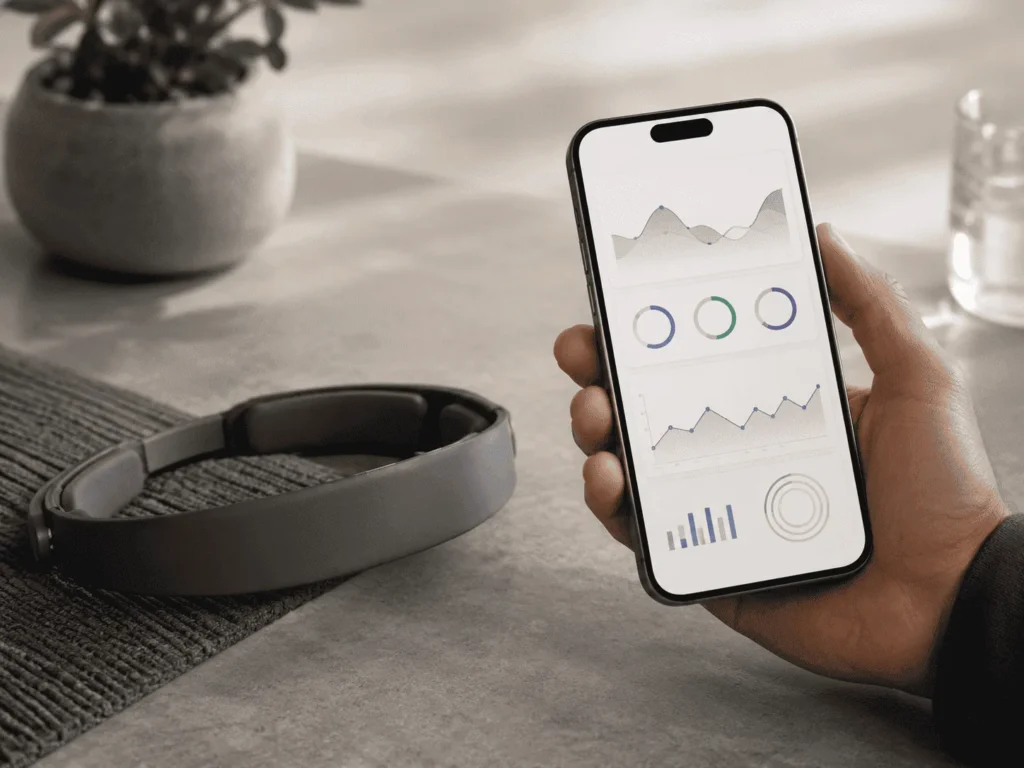
Muse S Athena is the more premium option.
It is positioned as a meditation and sleep headband, but with a bigger brain-health angle. Muse says Athena combines EEG and fNIRS technology. In plain English, EEG tracks electrical brain activity, while fNIRS is used to look at changes related to blood oxygenation in the brain.
For a buyer, the important point is simpler:
Athena is for people who want more than basic meditation feedback.
It is aimed at users who want meditation and sleep insights, cognitive performance tracking, and a more complete brain-sensing experience.
Muse’s comparison page lists Muse S Athena as including features such as Strength Neurofeedback Training, Brain Oxygenation Tracking, Sleep Assist, Deep Sleep Boost, Smart Wakeup, Overnight Tracking & Insights, Mind, Heart, Breath, and Body experiences.
That makes Athena more attractive if you care about:
- sleep tracking;
- sleep stages;
- deep sleep insights;
- meditation and sleep in one device;
- premium mental fitness data;
- a softer sleep headband design;
- a more advanced version of the Muse ecosystem.
Sleep Foundation also describes the Muse S Athena as a robust sleep tracker with EEG readings plus sensors for standard metrics such as time awake and asleep, position changes, heart rate, and breathing rates. Their bottom line is that it may be a good fit for active meditators, especially people who enjoy guided meditation.
That is the best way to think about Athena.
It is not only a meditation headband. It is closer to a brain-sensing sleep and meditation platform.
Muse App: Guided Meditation, Brainwave Feedback, and Session Score
The Muse device matters, but the Muse app is where most of the value becomes visible.
The app turns sensor data into something usable: sound, guidance, session results, and trends. Without the app, the headband would just be a strange piece of hardware on your forehead.
The Muse app can guide different meditation types, including mind meditation, breath meditation, body meditation, and heart meditation. Depending on the model, you can also access sleep-related features and guided meditation sessions.
This is important for conversion because buyers are not just buying plastic, fabric, sensors, and Bluetooth.
They are buying a training environment.
A good meditation app says: “Follow this voice.”
Muse says: “Follow this voice, and here is what your mind is doing while you practice.”
That difference is the reason to buy Muse instead of downloading another free meditation app.
What Muse Tracks After a Meditation Session: Brain Waves, Heart Rate, and Score
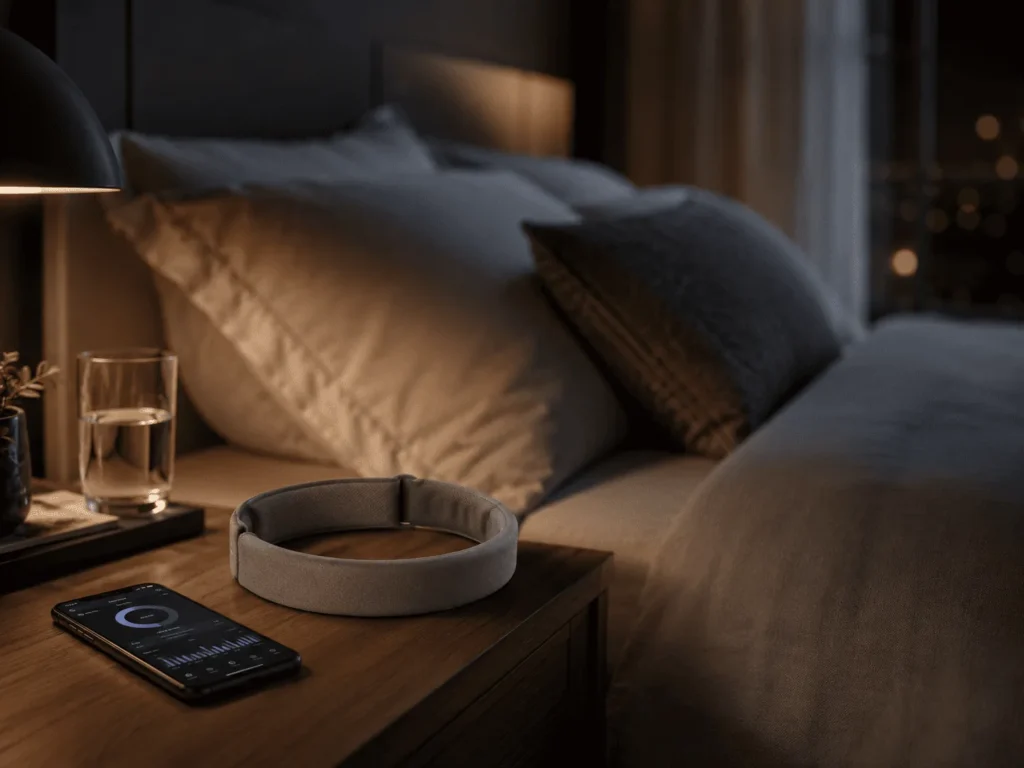
After a meditation session, Muse gives you data. This is where the product becomes useful for people who want progress.
You may see things like calm time, active time, neutral time, session score, birds earned, and trends over time. The exact dashboard depends on the Muse model and app version, but the basic idea is consistent: Muse turns meditation into something you can review.
This is powerful for habit-building.
A normal meditation session can feel like a blur. With Muse, you can ask better questions:
- Did I settle faster today?
- Was my mind more active than usual?
- Did I return to calm more often?
- Did I stay consistent this week?
- Is my daily meditation practice improving?
That does not mean you should obsess over the score. Meditation is not a video game where a higher number always means a better human being.
But a score can help.
Especially at the beginning, when you need proof that your effort is not pointless.
EEG, Brain Waves, Biofeedback, and Neurofeedback Without the Jargon
Muse often gets described with terms like EEG, brain waves, brainwave feedback, biofeedback, and neurofeedback.
Here is the simple version.
EEG means the device is reading electrical patterns linked to brain activity.
Biofeedback means your body or brain signals are turned into feedback you can notice and respond to.
Neurofeedback is a more specific type of feedback related to brain activity.
Muse uses this idea in a consumer-friendly way. It does not ask you to interpret raw brain signals. It translates the feedback into sound.
For a category-level comparison beyond Muse, see our neurotechnology devices buyer guide.
A more active mind creates more active weather. A calmer mind creates quieter weather. That makes the feedback understandable without needing a neuroscience degree.
You may see people talk about alpha, beta, and theta waves. These terms can be useful, but they are not the heart of the buying decision. For most users, Muse is valuable because it helps you notice mental activity in real time and return to focus.
That is enough.
You do not need to become a brain scientist to use the Muse headband.
Benefits of Meditation With Muse: Real-Time Feedback, Calm, and Daily Practice
The biggest strength of Muse is that it solves a real problem in meditation.
Most people quit because meditation feels vague. They do not know whether they are improving. They do not know whether they are “doing it right.” They do not get feedback.
Muse fixes that better than most meditation apps.
1. Real-time feedback makes meditation concrete
This is the main reason to buy Muse.
The real-time feedback changes meditation from blind practice into guided training. You hear when the mind gets active. You hear when it settles. That makes the process less mysterious.
2. The weather metaphor is simple and elegant
The weather system is easy to understand. Louder weather means your mind wandered. Softer weather means your mind is calmer. Birds reward stability.
It is clean. It is intuitive. It works for beginners.
3. It supports habit-building
Muse gives you a reason to come back. Scores, birds, trends, and guided meditation sessions make the practice feel more structured.
For people who like data, this can be the difference between trying meditation for three days and building a real routine.
4. It feels more premium than a normal app
A free app can guide you. Muse can guide you and react to you.
That distinction matters. The headband makes the practice feel more intentional. You are not just listening. You are training.
An independent study indexed by the U.S. National Library of Medicine evaluated the Muse consumer EEG headband during focused-attention meditation. The researchers found that the device’s measurements were sensitive to attention lapses, while data collected during home practice showed meaningful associations with mindfulness and attentional-control measures.
This does not make Muse medically necessary, but it supports the product’s central value proposition: providing measurable real-time feedback that a standard audio-only meditation app cannot offer. For beginners who repeatedly lose focus or cannot tell whether they are engaging with the practice, that feedback may be the strongest reason to choose Muse.
A separate systematic review of mindfulness-based neurofeedback research also found that EEG- and fMRI-based feedback may help make meditation-related brain processes more visible to users and support training. This strengthens the general logic behind Muse, although it does not prove that every Muse feature will produce the same result for every person.
5. It connects meditation and sleep
With Muse S and Muse S Athena, the brand moves beyond meditation into sleep tracking and sleep support. For people who care about both meditation and sleep, that makes the product easier to justify.
Instead of buying a meditation tool and a separate sleep wearable, some users may prefer one device that sits inside the same mental fitness ecosystem.
Muse Headband Review: Battery Life, Sensor Contact, and Practical Limits
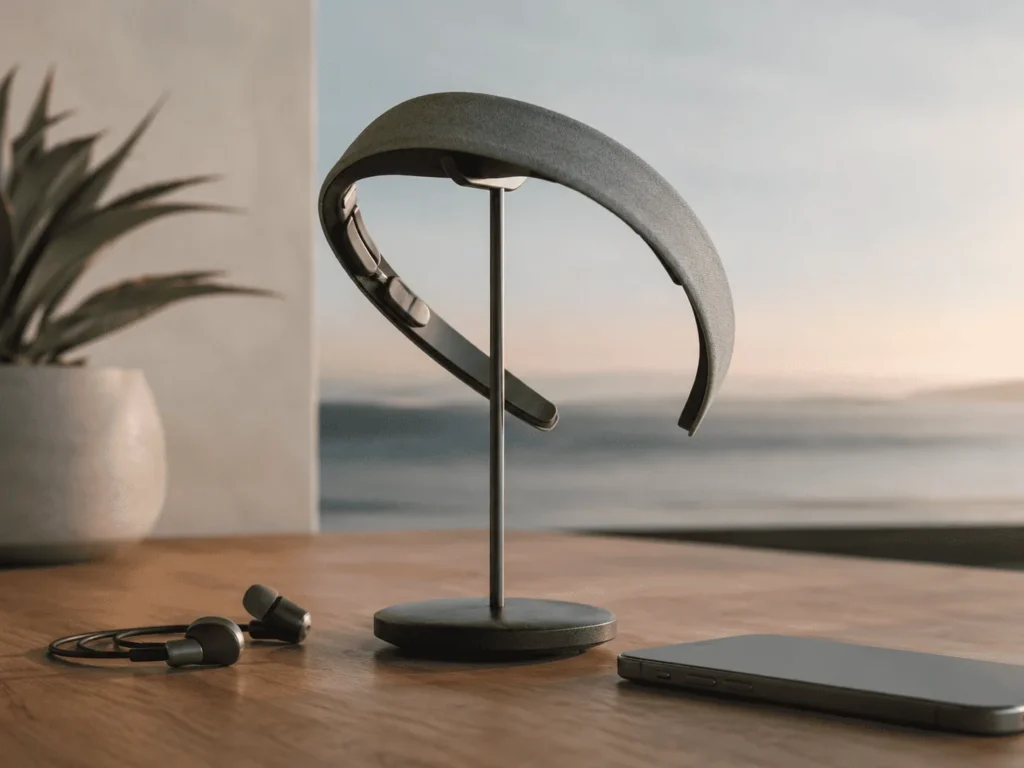
Muse is not for everyone. That is fine. No product should pretend to be universal.
1. It costs more than a meditation app
This is the obvious objection.
You can meditate for free. You can download a cheap meditation app. You can watch guided meditation videos online.
Muse has to justify itself by giving you something those options do not give: real-time brain-sensing feedback.
If you do not care about feedback, you probably do not need Muse.
2. Sensor contact matters
Any headband with sensors depends on fit and contact. If the sensor does not sit correctly, the experience can become annoying.
That is not unique to Muse. It is a wearable problem in general. But it matters because a bad fit can interrupt the feeling of meditation.
3. Data can become a distraction
For some people, scores help.
For others, scores create pressure.
If you are the kind of person who turns every number into self-judgment, use Muse carefully. The score should support the practice, not become the practice.
4. Sleep features may not matter to everyone
If you only want simple meditation, Muse S Athena may be more than you need.
The Athena headband makes more sense if sleep, deep sleep insights, overnight tracking, and premium mental fitness features matter to you.
If not, a simpler Muse model may be enough.
Muse 2 vs Muse S vs Muse S Athena Headband: Which Muse Device Should You Buy?
Here is the buyer-friendly version.
Choose Muse 2 if you mainly want meditation feedback. It is the cleanest option for people who want to use Muse as a meditation headband and do not care much about advanced sleep tracking.
Choose Muse S / Muse S Gen 2 if you want meditation and sleep in a softer headband design. This is better if nighttime use matters and you want sleep tracking, sleep support, and guided meditation in one routine.
Choose Muse S Athena if you want the premium version. Athena is the most interesting choice if you want EEG plus newer brain-sensing technology, meditation and sleep, deep sleep insights, cognitive tracking, and a more advanced mental fitness experience.
The simplest decision:
- Meditation only → Muse 2.
- Meditation and sleep → Muse S.
- Premium brain-sensing, sleep, and mental fitness → Muse S Athena.
Before you buy Muse, check the current models, app features, subscription details, and pricing on the official Muse site because product bundles and availability can change.
Who Should Buy Muse for Meditation, Sleep, and Mental Fitness?
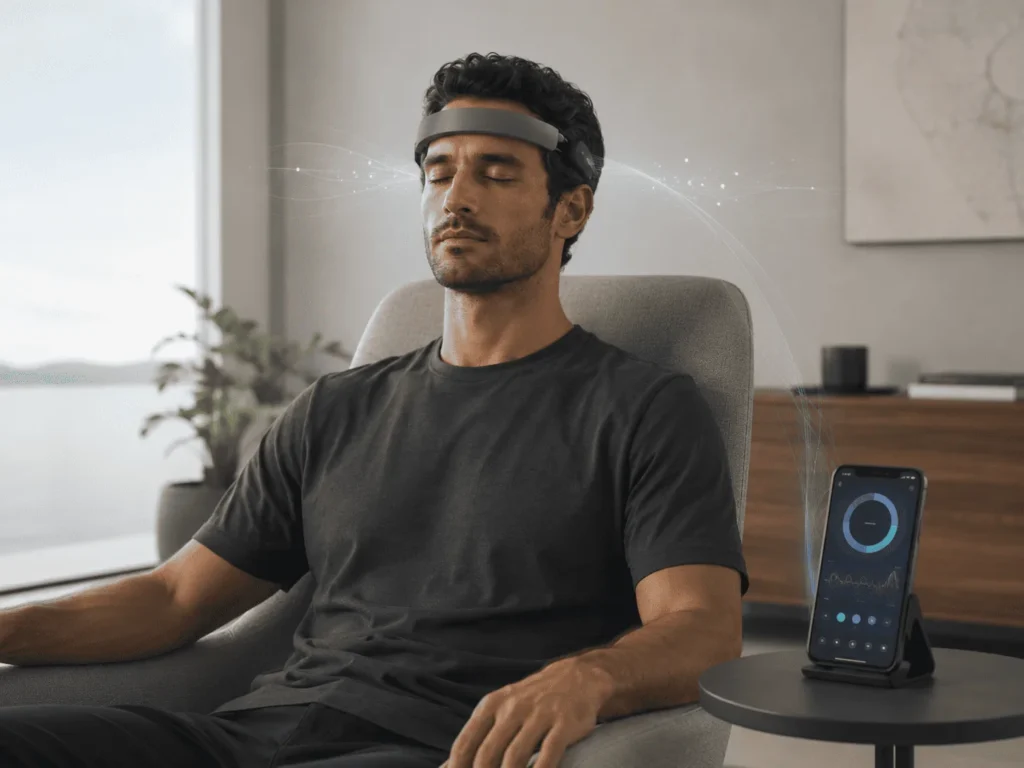
Muse is a strong fit for people who want meditation to feel less abstract.
You should consider Muse if:
- you tried meditation before and quit;
- you do not know whether your mind is calm or just distracted;
- you like feedback, data, and measurable progress;
- you already use wearables or tracking apps;
- you want guided meditation with more intelligence behind it;
- you want a premium tool for mental fitness, and you are also curious how Muse compares with other neuro-wellness wearables like NeoRhythm;;
- you are interested in meditation and sleep together;
- you want to build a daily meditation habit.
Muse is especially good for beginners who need a clear signal.
The person who benefits most from Muse is not necessarily the most spiritual person. It is the person who says:
“Give me feedback. Show me what is happening. Help me stay consistent.”
That is the Muse buyer.
Who Should Skip the Muse Headband?
You should probably skip Muse if you want meditation to stay completely simple and device-free.
You may not need it if:
- you already meditate consistently without support;
- you dislike wearables;
- you do not care about scores or feedback;
- you only want free meditation;
- you expect a device to fix your life without practice;
- you become anxious when tracking numbers;
- you do not want another app in your routine.
Muse is a tool. It is not the practice itself.
If you buy it and never use it, it will become an expensive headband in a drawer. The value comes from actually putting it on and training regularly.
Does Muse Require a Premium Subscription?
A Muse headband can be used without maintaining a Premium subscription, and core meditation feedback remains available with the device. However, Premium unlocks a larger meditation library, advanced insights, Enso AI coaching, external-audio options, cognitive-performance metrics, and some Athena-specific sleep features.
Premium is a recurring cost, and the price may differ between bundles, monthly plans, annual plans, and promotional checkout pages. Compare the device-only option with the one-year bundle before buying, and check which features will remain available if you later cancel.
Is the Muse Meditation Headband Worth It for Mindfulness and Sleep?

Muse is worth it if feedback helps you practice.
That is the whole answer.
If you are already calm, consistent, and satisfied with your meditation practice, Muse may feel unnecessary. But if meditation feels vague, boring, or hard to measure, Muse gives you something valuable: a feedback loop.
You sit down. You meditate. The Muse headband senses activity. The Muse app turns it into sound. You hear when your mind wanders. You return. You build the skill.
That loop is simple, but powerful.
Muse is not trying to replace discipline. It gives discipline a better interface.
For many people, that is exactly what meditation has been missing.
What we could verify:
- Public product positioning and available product-page information.
- Visible buyer-facing specifications, pricing structure, app requirements, subscription information, and setup requirements where available.
- The article’s comparison logic between Muse 2, Muse S Athena, and similar meditation or biofeedback tools.
- The presence and placement of affiliate links used on this page.
What we could not verify:
- Long-term headband comfort, sensor reliability, battery wear, app stability, firmware reliability, or customer-support quality.
- Accuracy of brain-sensing, sleep-tracking, or biofeedback features for every user.
- Product-specific effects on sleep, meditation depth, stress, anxiety, cognition, mental health, or nervous-system outcomes.
- Whether public research on meditation, EEG feedback, or biofeedback applies to these specific consumer products.
Final Verdict: A Full Review of the Muse Brain-Sensing Headband
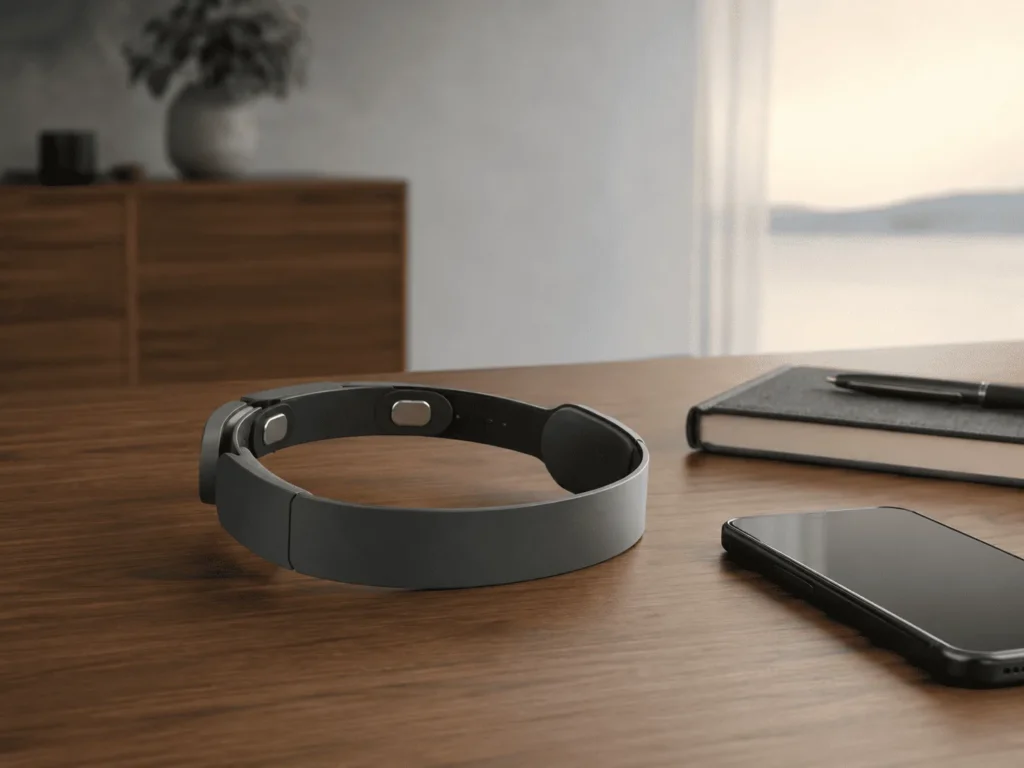
Muse is one of the most interesting consumer meditation devices because it understands the real problem.
People do not only need more meditation content.
They need feedback.
The Muse meditation headband turns brain activity into weather, sound, birds, scores, and session insights. It helps users sense when the mind is active, when it becomes calmer, and how often they return to focus.
That makes meditation more concrete.
Muse 2 is the better fit for classic meditation feedback. Muse S is stronger if sleep matters. Muse S Athena is the premium choice for people who want a deeper brain-sensing headband for meditation and sleep.
The product is not cheap, and it is not for everyone. But for the right person, Muse can make meditation feel less like guessing and more like training.
If meditation has always felt too abstract, Muse is worth a serious look.
CTA: Check the current Muse models and choose the headband that fits your routine: meditation, sleep, or full mental fitness tracking.