Table of Contents
Biohacking wearables can track sleep and recovery, provide HRV or neurofeedback, deliver tactile reminders, or create personalized temperature sensations. The useful ones solve a clearly defined problem. The weak ones mostly create another dashboard to check.
This guide compares six wearable categories for sleep, HRV, focus, meditation, stress awareness, and everyday comfort. It explains what each device actually does, who may benefit, what recurring costs to expect, and when buying nothing is the smarter decision.
Affiliate disclosure: MindReset.org may earn a commission if you buy through our links. This does not increase your price and does not affect our editorial judgment.
Research note: We have not personally tested every wearable included in this guide. Our recommendations are based on official product specifications, public documentation, current pricing structures, available research, visible user-feedback patterns, app requirements, and comparison with lower-cost alternatives.
What we assessed: the job each wearable performs, sensors or feedback method, daily effort, screen dependence, battery life, app requirements, subscriptions, comfort, return policy, privacy, buyer fit, and whether the product adds useful action rather than more data.
What we could not independently verify: long-term comfort, battery degradation, app stability, firmware reliability, individual outcomes, customer-support quality, data accuracy across every user, and whether a device will remain useful after the novelty fades.
Health note: Consumer biohacking wearables should not be used to diagnose or treat anxiety, depression, insomnia, trauma, ADHD, burnout, pain, heart problems, sleep disorders, or another medical condition unless a specific regulated indication clearly applies.
Biohacking Wearables: Quick Verdict
Best passive tracker: Oura Ring 5. Choose it when your priority is sleep, HRV trends, resting heart rate, recovery patterns, and a discreet screen-free form factor.
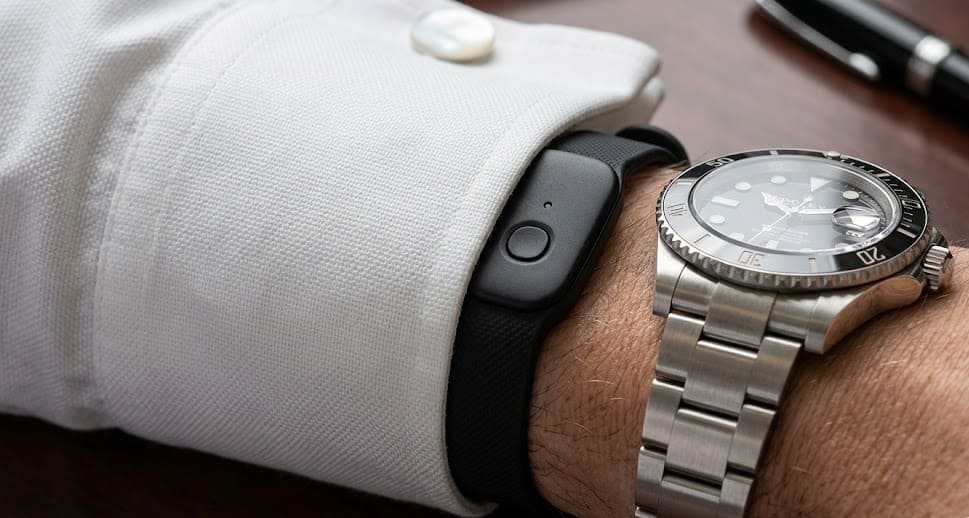
Best tactile support tool: Apollo Neuro. Choose it when you want scheduled vibration patterns as physical reminders during work, travel, winding down, or bedtime.
Best active HRV trainer: HeartMath Inner Balance. Choose it when you want to practise paced breathing while seeing real-time heart-rhythm feedback.
Best simple focus-training wearable: Mendi. Choose it when you want short fNIRS-based sessions and visual feedback without an ongoing subscription.
Best meditation-feedback headband: Muse S Athena. Choose it when meditation feels too vague and EEG or fNIRS feedback may help you maintain a structured practice.
Best comfort wearable: Embr Wave 2. Choose it when personal cooling or warming sensations are more relevant than sleep scores or brain-training metrics.
Skip every option when the real problem is chronic overwork, irregular sleep, excessive caffeine, alcohol, untreated health symptoms, or boundaries that no wearable can create for you.
Who Should Buy a Biohacking Wearable?
- You can name one specific problem the device should help you observe or practise.
- You will use the data or feedback to make a practical routine change.
- You prefer structured prompts, sessions, scores, or physical reminders.
- You understand that trends are more useful than one isolated daily score.
- You have checked app compatibility, subscriptions, sizing, return terms, and regional availability.
- You can afford the device without treating the purchase as a medical emergency.
Who Should Skip Them?
- You expect the device to reset or heal the nervous system.
- You want a diagnosis from consumer sleep, HRV, stress, or brain data.
- You become anxious when a recovery or sleep score looks worse than expected.
- You already own several wearables and rarely use their recommendations.
- You dislike charging, Bluetooth, apps, firmware updates, or subscriptions.
- You need professional assessment for persistent sleep, mood, concentration, cardiac, temperature, or neurological symptoms.
Biohacking Wearables Decision Table
| Main need | Best option | What it does | Main hidden cost | Skip if |
|---|---|---|---|---|
| Passive sleep and recovery tracking | Oura Ring 5 | Tracks overnight and daily physiological trends | Ongoing membership and eventual battery decline | Scores increase your anxiety |
| Tactile reminders during the day | Apollo Neuro | Provides scheduled vibration patterns | Premium features may require membership renewal | You dislike noticeable vibration |
| Active HRV breathing practice | HeartMath Inner Balance | Shows heart-rhythm feedback during paced practice | Requires active sessions and phone use | You want passive results |
| Short focus-training sessions | Mendi | Uses fNIRS feedback during app-based training | Requires repeated dedicated sessions | You will not use the headset consistently |
| Meditation and brain feedback | Muse S Athena | Uses EEG and fNIRS signals for guided feedback | Optional premium content and higher hardware cost | You already meditate without feedback |
| Personal cooling or warming | Embr Wave 2 | Creates localized thermal sensations at the wrist | Single-purpose hardware and battery dependence | You expect full-body temperature control |
What Types of Biohacking Wearables Are Available?

Passive trackers
Smart rings and fitness wearables collect data with limited active effort. They may track sleep timing, resting heart rate, HRV trends, temperature changes, movement, strain, or recovery scores.
Their value comes after measurement. A tracker cannot improve bedtime consistency, reduce alcohol, change workload, or create recovery. It can only make patterns more visible.
Active biofeedback devices
HeartMath, Mendi, and Muse require the user to complete a breathing, focus, or meditation session. The device provides feedback while the skill is being practised.
These products may be more useful than passive trackers when the actual goal is training rather than observation.
Tactile wearables
Apollo Neuro provides vibration patterns rather than measuring sleep or brain activity directly. Its practical role is closer to a wearable cue or scheduled sensory routine than a diagnostic tracker.
Thermal wearables
Embr Wave creates localized warming or cooling sensations. It does not measure recovery or regulate core body temperature, but it may make an uncomfortable environment feel easier to tolerate for some users.
1. Oura Ring 5: Best Passive Sleep and Recovery Tracker
Oura Ring 5 is the strongest general-purpose option for buyers who want passive sleep, recovery, and daily trend tracking without wearing a bright smartwatch to bed.
The current generation tracks signals associated with sleep, resting heart rate, HRV, movement, temperature trends, activity, and recovery. Oura then turns those readings into app-based summaries and scores.
The manufacturer lists approximately six to nine days of battery life depending on ring size and use. Battery performance in a small wearable will still decline with age, charging cycles, temperature, and settings.
Best for: sleep timing, recovery-pattern awareness, discreet overnight tracking, and buyers who want a mature smart-ring ecosystem.
Main limitations: upfront price, monthly or annual membership, sizing requirements, small-battery degradation, weaker workout tracking than a sports watch, and the risk of becoming overly influenced by daily scores.
Skip if: you want active breathing or focus training rather than passive tracking.
For a broader category comparison, read our smart ring guide for sleep, stress awareness, and recovery.
2. Apollo Neuro: Best Tactile Routine Cue
Apollo Neuro is best understood as a wearable vibration device that adds tactile cues to work, relaxation, travel, and bedtime routines.
It can be worn on the wrist or ankle and controlled through physical buttons and a companion app. Users choose or schedule different vibration patterns according to the activity they are attempting.
The strongest buyer argument is low visual interruption. Apollo can provide a physical cue without asking the user to watch a breathing animation, read another score, or wear a screen.
It should not be described as a device that forces the nervous system into safety, directly stimulates the vagus nerve, halts panic attacks, lowers cortisol on demand, or treats anxiety and insomnia.
Best for: people who respond well to touch, vibration, scheduled reminders, and low-screen routines.
Main limitations: premium price, app dependence, charging, vibration tolerance, strap comfort, optional membership costs, and uncertain individual response.
Skip if: you need physiological measurement or dislike repeated vibration.
Read the full Apollo Neuro buyer review for pricing, SmartVibes membership, battery, user-feedback patterns, and alternatives.
3. HeartMath Inner Balance: Best for Active HRV Biofeedback
HeartMath Inner Balance is the better choice when you want to practise a skill rather than only observe a recovery score.
The ear sensor measures pulse timing and converts heart-rhythm patterns into real-time coherence feedback inside the HeartMath app. The user then adjusts breathing pace, attention, and session consistency while watching the feedback change.
This makes Inner Balance more active than Oura. Oura tells you what may have happened overnight. HeartMath gives you feedback during a deliberate practice session.
Best for: paced breathing, HRV biofeedback, short structured sessions, and buyers who want measurable practice rather than passive tracking.
Main limitations: the ear clip, phone dependence, active effort, app learning, and the temptation to chase coherence scores rather than use them as feedback.
Skip if: you will not complete regular breathing sessions or want overnight sleep tracking.
See our full HeartMath Inner Balance review for the sensor, app access, practice format, buyer fit, and limitations.
4. Mendi: Best for Structured fNIRS Focus Training
Mendi is a consumer neurofeedback headset that uses functional near-infrared spectroscopy, or fNIRS, during short focus-training sessions.
The headset sits against the forehead and measures changes associated with oxygenated blood flow in the prefrontal region. The app translates the signal into a simple visual training exercise.
The main value is not that Mendi proves the user has reached a flow state or permanently rewires the brain. Its practical value is that it turns an abstract focus exercise into a repeatable session with feedback.
Mendi currently promotes zero required subscription fees and multiple user profiles. That can make the device easier to justify for a household than a product tied to one paid account.
Best for: structured focus practice, gamified feedback, short daily sessions, and people who want a simpler alternative to a complex EEG platform.
Main limitations: forehead fit, sensor contact, app dependence, training repetition, limited independent finished-product evidence, and no guarantee that higher scores transfer to work or study performance.
Skip if: you want a passive tracker or will not make time for regular sessions.
Our Mendi neurofeedback device review covers fNIRS, setup, routine design, research limits, and alternatives.
5. Muse S Athena: Best for Meditation Feedback

Muse S Athena is the strongest fit for buyers whose main problem is that meditation feels invisible, vague, or difficult to sustain.
The headband combines brain-sensing and body-feedback features with guided sessions, app-based feedback, meditation content, and selected sleep functions.
The basic Muse app can be used without a required subscription. Additional guided content and premium features are available through an optional paid plan.
Best for: meditation beginners, users who want real-time feedback, structured sessions, and people interested in combining meditation and sleep features.
Main limitations: premium hardware cost, sensor-contact requirements, headband comfort, charging, optional subscription, and the possibility that scores become more important than the meditation itself.
Skip if: a normal meditation app already works well or you do not want to wear a headband.
Compare current models in our Muse meditation headband review.
6. Embr Wave 2: Best for Personal Temperature Comfort
Embr Wave 2 is different from the other biohacking wearables in this guide because it creates a physical temperature sensation rather than measuring sleep, HRV, or brain activity.
The wrist-worn device provides localized cooling or warming patterns controlled through buttons and an app. It may help some users feel more comfortable during warm rooms, cold offices, travel, bedtime, or temperature-sensitive moments.
It does not cool or heat the entire body and should not be treated as a device that controls core temperature or treats the medical cause of hot flashes, chills, or night sweats.
Best for: localized personal comfort, temperature-sensitive workspaces, travel, and buyers who know cooling or warming sensations help them settle.
Main limitations: premium price for a single-purpose device, wrist comfort, app dependence, charging, and variable intensity preferences.
Skip if: you need full-room climate control, medical evaluation, or guaranteed relief.
Read our Embr Wave 2 review for thermal modes, app use, return policy, and buyer fit.
Which Biohacking Wearable Should You Buy First?
| Your biggest bottleneck | Start with | Why | Lower-cost first step |
|---|---|---|---|
| You do not understand your sleep patterns | Oura or another recovery tracker | Passive overnight trend collection | Two-week sleep diary |
| You need physical reminders to pause | Apollo Neuro | Tactile cues without a bright screen | Phone-free timer or vibrating alarm |
| You want measurable breathing practice | HeartMath Inner Balance | Real-time HRV-style feedback | Paced-breathing app |
| You want structured focus sessions | Mendi | Gamified fNIRS feedback | Analog timer and distraction log |
| You struggle to maintain meditation | Muse | Real-time meditation feedback | Guided meditation app |
| Temperature discomfort disrupts your routine | Embr Wave 2 | Localized warming or cooling sensation | Fan, layered clothing, cooling towel, or heating pad |
Buy only one category first. A stack containing a ring, headband, haptic wearable, temperature device, and HRV sensor creates more charging, more apps, more data, and more opportunities to abandon the entire routine.
For a wider list of body-based tools that includes non-wearable options, see our nervous system regulation tools guide.
Hidden Costs and Buying Mistakes
Subscriptions
Some wearables include a limited membership period and then require renewal for premium features. Others provide core functions without a subscription but sell optional content or services.
Calculate the expected three-year cost rather than comparing hardware prices alone.
Battery degradation
Small rechargeable batteries lose capacity over time. A ring or wrist wearable that lasts several days when new may require more frequent charging after extended use.
App and cloud dependence
A wearable may remain physically functional while losing value if the company changes its app, subscription model, integrations, supported phones, account requirements, or cloud services.
Poor fit
Wrong ring sizing, uncomfortable headbands, ear clips, wrist pressure, vibration, or heat can make technically capable products impossible to use consistently.
Buying before identifying the use case
“Better recovery” is not a sufficiently clear buying goal. Decide whether you need measurement, breathing practice, meditation feedback, focus training, tactile reminders, or thermal comfort.
Expecting data to create behaviour change
A poor sleep score does not create an earlier bedtime. A low recovery score does not cancel an unnecessary evening commitment. The user still has to act.
Accuracy, Privacy, and Data Anxiety
Consumer wearables are generally more useful for personal trends than for treating every number as an exact clinical measurement.
Signal quality can vary with:
- fit and sensor contact;
- movement;
- skin temperature;
- hair, sweat, lotion, or makeup;
- device placement;
- firmware and algorithm changes;
- individual physiology.
Wearables also collect sensitive behavioural and physiological information. Before buying, review what data is stored, whether cloud processing is required, how accounts are protected, how exports and deletion work, and which third-party integrations receive access.
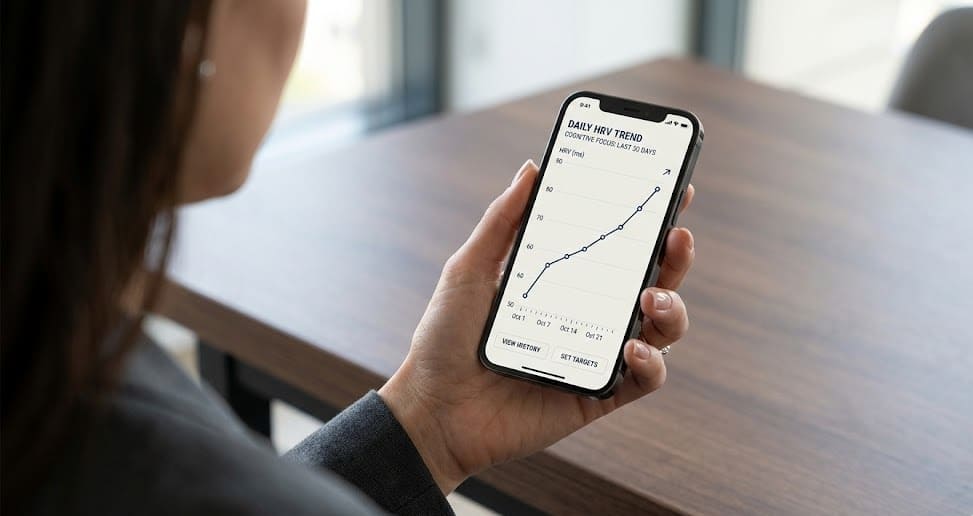
Data anxiety is another real buying risk. A user may feel rested until the app reports a poor score. That can turn a wellness tool into a morning stress trigger.
Hide scores, reduce checking frequency, or stop using the wearable when the data creates more distress than useful action.
What We Could Verify
- Oura Ring 5 is the current Oura generation and is designed for passive sleep, activity, and recovery-related tracking.
- Oura requires a membership for its full ongoing app experience.
- Apollo Neuro uses wearable vibration patterns and offers optional or bundled premium SmartVibes features.
- HeartMath Inner Balance uses an ear sensor and app-based heart-rhythm feedback during active practice.
- The current Inner Balance Coherence Plus package includes lifetime access to its associated app features.
- Mendi uses fNIRS-based feedback and does not currently require a core subscription.
- Muse S Athena combines EEG and fNIRS-related feedback features, while basic app functions can be used without a required subscription.
- Embr Wave 2 provides localized warming and cooling sensations and currently advertises no required subscription.
- These devices require different levels of active participation and should not be treated as interchangeable.
What We Could Not Verify
- That any consumer wearable resets or heals the nervous system.
- That Apollo Neuro forces a parasympathetic state, stops panic attacks, or directly stimulates the vagus nerve.
- That Mendi permanently rewires the brain or guarantees improved work, study, or emotional performance.
- That Muse proves whether a person is meditating correctly.
- That one poor HRV, sleep, or recovery score represents illness or nervous-system dysfunction.
- That Embr Wave changes core body temperature or treats the underlying cause of hot flashes and night sweats.
- Long-term battery life, comfort, firmware stability, customer support, or durability across every product.
- That users will continue wearing or training with the device after several months.
- That collecting more biometric data automatically produces better decisions or better recovery.
Frequently Asked Questions
What are biohacking wearables?
Biohacking wearables are consumer devices designed to measure physiological trends, provide feedback, deliver sensory cues, or support routines related to sleep, recovery, focus, breathing, meditation, fitness, or personal comfort.
What is the best biohacking wearable?
Oura Ring 5 is the strongest general passive tracker. Apollo Neuro is better for tactile cues, HeartMath for active HRV practice, Mendi for simple focus training, Muse for meditation feedback, and Embr Wave for temperature comfort.
Can a wearable reset the nervous system?
No consumer wearable has been established as a universal nervous-system reset. A device may support awareness, practice, reminders, comfort, or habit formation.
Are biohacking wearables medical devices?
Most are general wellness products. Regulatory status depends on the exact device, claim, market, and intended use. Do not assume that sensor technology makes a product medically diagnostic.
Is HRV useful for stress awareness?
HRV trends can provide context about recovery and daily variability. They should be interpreted over time and alongside sleep, illness, training, alcohol, medication, and individual baseline—not as a direct daily measurement of emotional stress.
Is Mendi better than Muse?
Mendi is narrower and focused on fNIRS-based training sessions. Muse is better suited to meditation feedback, EEG-related signals, guided content, and selected sleep features.
Does Apollo Neuro track HRV?
Apollo is primarily a vibration-delivery wearable rather than a complete passive recovery tracker like Oura or WHOOP. Buyers seeking detailed physiological measurement may need a separate device.
Can biohacking wearables make anxiety worse?
They can increase worry when users repeatedly check scores, interpret normal variation as danger, or feel pressured to optimize every metric. Stop or reduce tracking when the device creates more distress than useful information.
How many wearables should I use?
Start with one device matched to one problem. Add another only when it performs a clearly different job and the first device remains useful.
Final Verdict

The best biohacking wearables do not perform a biological reset. They make a useful routine easier to observe, practise, or repeat.
Choose Oura Ring 5 when passive sleep and recovery tracking is the priority. Choose Apollo Neuro when tactile cues fit your routine better than another visual dashboard. Choose HeartMath Inner Balance when you want active breathing and HRV feedback.
Choose Mendi for short fNIRS focus-training sessions, Muse S Athena for meditation feedback, and Embr Wave 2 for localized personal temperature comfort.
For a single category view of EEG, fNIRS, HRV, and tactile tools, use our neurotechnology devices buyer guide.
Do not buy a complete wearable stack because the devices sound scientific. Multiple sensors, apps, chargers, memberships, and scores can create more cognitive load than they remove.
MindReset recommendation: identify one bottleneck, test the cheapest practical solution first, and buy one wearable only when its specific function justifies the cost and daily friction.
A wearable should support your decision-making. It should not become the authority that decides whether you are rested, calm, focused, or healthy.