Table of Contents
Sleep and Nerve Stimulation in 2026
The landscape of neurological health, specifically the disciplines of nocturnal recovery and the management of autonomic nervous system dysfunction, has undergone a profound paradigm shift. Moving decisively away from a historical reliance on systemic pharmacological interventions, the field has increasingly embraced sophisticated, biologically integrated technologies. Chronic sleep deprivation and the resulting psychological agony of sleep anxiety represent one of the most pervasive, debilitating public health crises of the modern era.
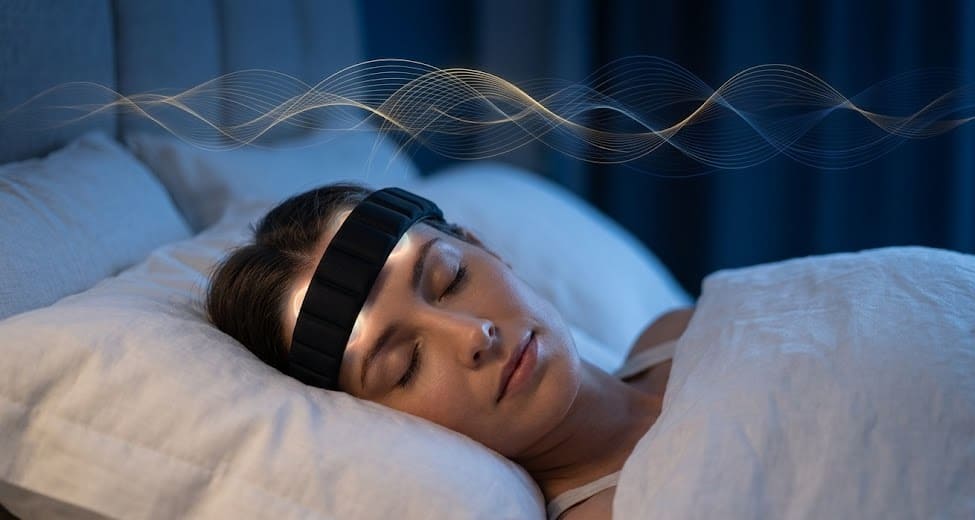
This is where the Somnee 2.0 Smart Sleep Headband transforms a complex clinical theory into a nightly reality. Unlike traditional methods that offer a temporary chemical “hush,” Somnee uses medical-grade sensors to map your unique brainwaves, delivering personalized vagus nerve stimulation that feels less like a treatment and more like a gentle permission for your brain to finally let go. It’s the bridge between the agonizing hyperarousal of insomnia and the restorative sanctuary you’ve been searching for.
The widespread inability to achieve restorative rest acts as a primary catalyst for a multitude of physical and psychiatric ailments, fundamentally altering the optimal functioning of the human nervous system. Within this precise clinical context, the emergence of advanced neurotechnology—particularly medical devices designed to interface directly with the body’s electrical pathways—offers a critical pivot point in modern medicine.
The application of non-invasive electrical modalities, including targeted nerve stimulation and transcranial alternating current stimulation (tACS), has demonstrated unprecedented efficacy in restoring the foundational physiological architecture of rest.
The psychological toll of chronic insomnia manifests not merely as nocturnal frustration but as a systemic, progressive degradation of daytime cognitive and emotional capacities. The state of chronic insomnia is rarely an isolated incident of wakefulness; rather, it is a complex disorder of physiological hyperarousal that persists continuously throughout the 24-hour sleep/wake cycle. This hyperarousal keeps the sympathetic nervous system locked in a state of high alert, effectively preventing the neurochemical transition into the parasympathetic dominance required for sleep onset.
Consequently, the bedroom is transformed from a sanctuary of rest into a psychological battlefield. Individuals suffering from chronic sleep anxiety frequently report an intense, visceral fear of going to bed, accompanied by the compulsive, agonizing habit of watching the clock as the hours slip away. The ensuing daytime reality is characterized by profound emotional exhaustion, heightened irritability, an inability to regulate stress responses, and a pervasive brain fog that critically impairs executive function, working memory, and interpersonal relationships.
To fully comprehend the psychological agony of sleep anxiety, one must examine the profound physiological failure it represents. Objective sleep measures, electroencephalogram (EEG) activity, and elevated hypothalamic-pituitary-adrenal (HPA) axis activity indicate that these individuals are trapped in a biological feedback loop. The harder they try to sleep, the more the sympathetic nervous system activates, flooding the brain with cortisol and adrenaline.
The frustration users feel with traditional, superficial “cures” is palpable. Interventions such as heavy weighted blankets, ambient soundscapes, or white noise machines frequently prove entirely ineffective for severe clinical insomnia because they fail to address the fundamental electrical hyperactivity occurring within the cerebral cortex. A soundscape may mask environmental noise, but it cannot override an intrinsic neurological state of panic and hypervigilance.
Medical Devices for Stress Relief and Vagus Nerve Stimulation
Historically, the medical community and individuals suffering from severe sleep disturbances have relied heavily on a combination of pharmacological interventions and cognitive-behavioral protocols to address these profound neurological deficits. However, the severe limitations, side effects, and long-term consequences of these traditional methodologies have driven the necessity for targeted neurotechnological solutions.
Prescription sleeping pills, particularly hypnotic medications such as Ambien (zolpidem), operate as GABA-A receptor agonists. While they may rapidly induce unconsciousness, they frequently fail to produce the restorative neurological benefits of natural, biologically generated slow-wave sleep. Patients utilizing these medications often experience a state of forced sedation that artificially alters the delicate architecture of sleep stages.
Furthermore, these pharmacological interventions carry significant risks of physiological dependency, severe rebound insomnia upon cessation, and a lingering morning grogginess that further impairs cognitive performance and physical coordination the following day.
Over-the-counter alternatives, such as high-dose melatonin supplements, present their own array of complications. Because melatonin is a hormone intrinsically linked to gut health and complex circadian rhythms, exogenous supplementation frequently results in metabolic hangovers, incredibly vivid or disturbing dreams, and inconsistent efficacy, ultimately failing to address the underlying neurological hyperactivity that actively prevents sleep onset.
While Cognitive Behavioral Therapy for Insomnia (CBT-i) has demonstrated robust long-term efficacy—producing results equivalent to sleep medication with fewer episodes of relapse—it demands rigorous, often grueling behavioral modifications. The therapy requires weeks or months of strict adherence to yield results and frequently utilizes sleep restriction techniques that induce initial periods of extreme, agonizing sleep deprivation that many patients find intolerable, leading to high attrition rates.
Insomnia, Sleep Quality, and the Benefits of Vagus Nerve Stimulation
The failure of these traditional interventions to effortlessly and directly modulate the hyperaroused neurological state has catalyzed the development of targeted medical devices designed to interact directly with the body’s peripheral electrical communication networks. The introduction of wearable devices engineered to deliver precise electrical pulses or specific acoustic vibrations to the nervous system represents a monumental shift in stress management, autonomic regulation, and holistic sleep optimization.
The vagus nerve, representing the primary neural conduit of the parasympathetic nervous system, has become the principal focal point for these therapeutic interventions. Originating in the brainstem and extending throughout the body to innervate major organs including the heart, lungs, and digestive tract, the vagus nerve acts as the biological brake pedal for the human stress response.
By applying gentle electrical stimulation or highly specific acoustic vibrations to specific anatomical sites—such as the cervical region of the neck or the auricular branch within the ear—these devices artificially induce a robust parasympathetic response. This stimulation effectively overrides the sympathetic “fight-or-flight” state, rapidly lowering the heart rate, reducing systemic inflammation, and promoting a profound sense of physiological calm.
The benefits of vagus nerve stimulation extend significantly beyond simple, transient relaxation. A growing body of clinical data and longitudinal studies suggests that consistent use of a vagus nerve stimulator can yield significant, measurable improvements in heart rate variability (HRV), the regulation of inflammatory cytokines, the stabilization of emotional reactivity, and overall sleep quality. By actively toning the vagus nerve during daylight hours, individuals can effectively prevent the massive accumulation of sympathetic stress that typically sabotages sleep onset at night.
Wearable Devices at a Glance: Insomnia and Stress Relief
The market for vagus nerve stimulators has expanded rapidly and matured significantly by 2026, necessitating a rigorous, clinical evaluation of the various modalities currently available to consumers. The most prominent devices employ distinctly differing mechanisms of action, ranging from direct transcutaneous electrical nerve stimulation to low-frequency bone conduction vibrations. Each methodology targets distinct user profiles, physiological sensitivities, and specific therapeutic needs.
Direct electrical stimulation devices generally provide the most acute, rapidly measurable physiological intervention, as they force a depolarization of the nerve fibers. Conversely, vibrational and acoustic devices offer excellent, non-invasive options for individuals who are highly sensitive to electrical impulses or who prefer not to utilize conductive gels on their skin.
| Device Name | Mechanism of Action | Anatomical Placement | Primary Clinical Focus | Noteworthy Technological Features |
| Xen by Neuvana | Transcutaneous Electrical (tVNS) | Earbuds (Auricular Branch) | Stress Management, Daytime Focus | Operates at 25Hz frequency; syncs electrical pulses with user’s music via Bluetooth. |
| Pulsetto Lite | Direct Electrical (tVNS) | Anterior Cervical Neck | Severe Anxiety, Inflammation | Bilateral vagus stimulation; clinical trials report 56% lower stress levels in 4 weeks. |
| Apollo Neuro | Low-Frequency Acoustic Vibrations | Wrist or Ankle | HRV Improvement, Sleep Recovery | Non-electrical mechanism; backed by over 50 peer-reviewed, placebo-controlled studies. |
| Sensate | Infrasonic Bone Conduction | Thoracic Cavity (Chest) | Nervous System Regulation | Pairs with custom soundscapes; non-electrical; specifically designed to enhance deep meditation. |
| Somnee 2.0 | Transcranial Alternating Current | Forehead (Prefrontal Cortex) | Deep Sleep, Chronic Insomnia | AI-driven personalized tACS; maps unique brainwaves via lab-grade EEG+ sensors. |
Tested the Best: Vagus Nerve Stimulators vs. The Best Neurostimulation Sleep Device
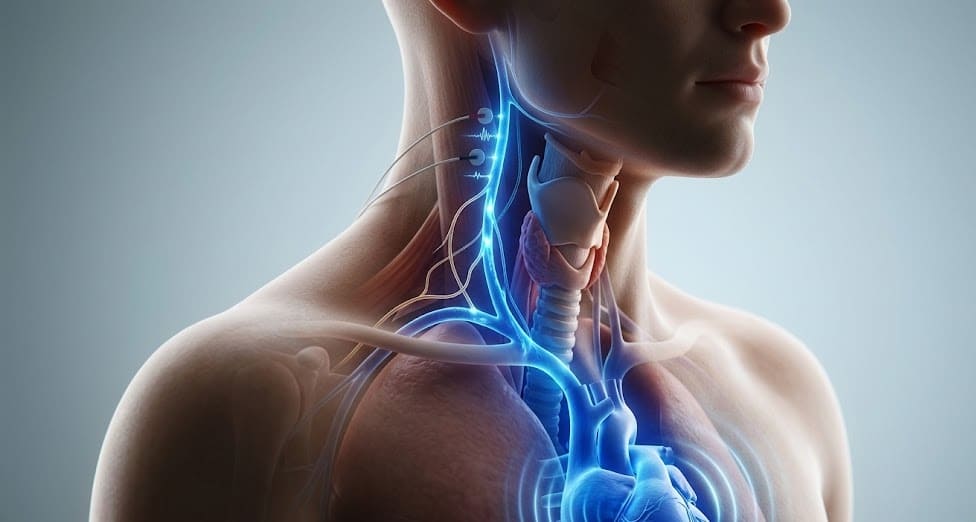
To navigate the complex ecosystem of the best sleep tech devices and vagus nerve stimulators, one must dissect the specific engineering and clinical philosophies underlying each prominent product. The categorization of these technologies is not merely a matter of form factor, but rather a distinction in how they interact with the human body’s electrical and acoustic resonance networks.
Xen, Neuvana, and the Neurostimulator Landscape
The Xen by Neuvana device represents a highly unique integration of transcutaneous auricular vagus nerve stimulation with audio therapy. Operating at a scientifically validated 25Hz frequency—the specific hertz range found to be most efficacious in multiple clinical studies—the Xen device delivers mild, highly controlled electrical stimulation through specialized, patented earbuds. This auricular approach targets the only peripheral branch of the vagus nerve that reaches the surface of the skin at the ear, providing a direct pathway to the brainstem.
What distinguishes the Xen device in the neurostimulator landscape is its capacity to pair therapeutic electrical stimulation directly with the user’s preferred music, podcasts, or ambient soundscapes. This combination creates a holistic, multi-sensory approach to managing stress. For example, the electrical pulses can be algorithmically synchronized to the beat of the music, fundamentally masking the sensation of the electrical current and allowing users to seamlessly incorporate the therapy into their daily routines.
Whether utilized during a high-stress commute, a focused workday, or as part of a dedicated evening wind-down routine, the device’s capacity for variable intensity settings ensures that it can accommodate users with strong symptoms in need of acute relief as well as those seeking a gentle parasympathetic nudge.
Somnee, Xen by Neuvana, and Vagus Nerve Stimulators
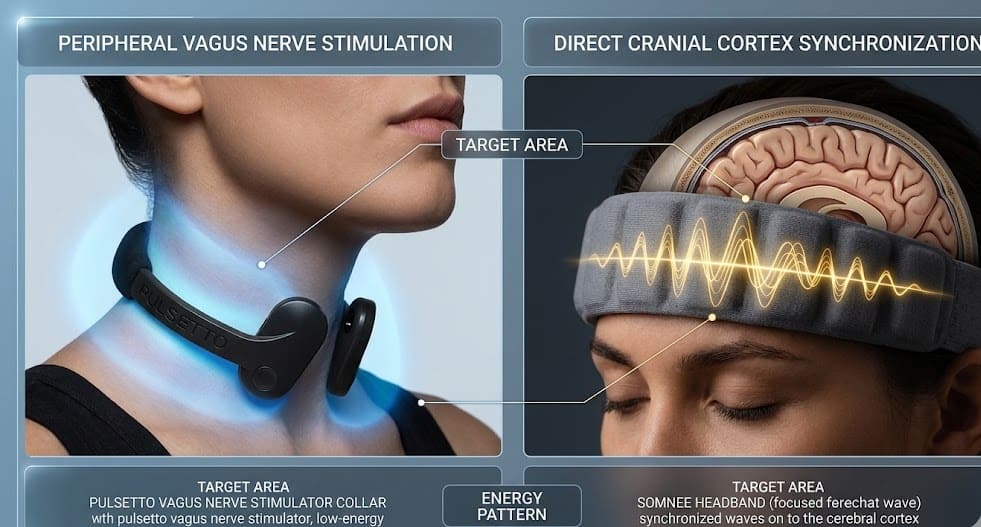
While devices like the Xen by Neuvana target the vagus nerve via the auricular branch, other market leaders focus their intervention on the cervical region, aiming for a more systemic, immediate dampening of the physiological stress response. The Pulsetto device, for instance, is worn as a collar around the neck and delivers direct electrical conduction to the vagus nerve bilaterally (on both sides of the neck simultaneously). This highly targeted, potent approach has demonstrated remarkable clinical efficacy.
Recent 2025 study data indicated that users of the Pulsetto device experienced a massive 56% reduction in objective stress levels and a 41% improvement in subjective sleep quality after just four weeks of consistent, daily application. The Pulsetto relies on a proprietary application that actively guides users through specific stimulation programs, which range from short four-minute acute anxiety interventions to longer twenty-minute deep relaxation sessions.
In stark contrast to the direct electrical methodologies employed by Pulsetto and Xen, devices such as the Apollo Neuro and the Sensate utilize sophisticated haptic and vibrational technologies. The Apollo Neuro, worn on the wrist or ankle, utilizes specific low-frequency vibrational sound waves to signal safety directly to the brain via the somatosensory cortex. This non-invasive mechanism effectively mitigates the physiological feeling of stress, enhancing both focus during the day and sleep recovery at night, supported by an extensive library of independent, peer-reviewed clinical trials.
Similarly, the Sensate device is placed directly on the sternum, utilizing localized infrasonic bone conduction technology to stimulate the vagus nerve through the resonance of the thoracic cavity, frequently paired with custom-engineered soundscapes to deepen meditation and physiological down-regulation.
Devices of 2026: Vagus Nerve Stimulation Devices
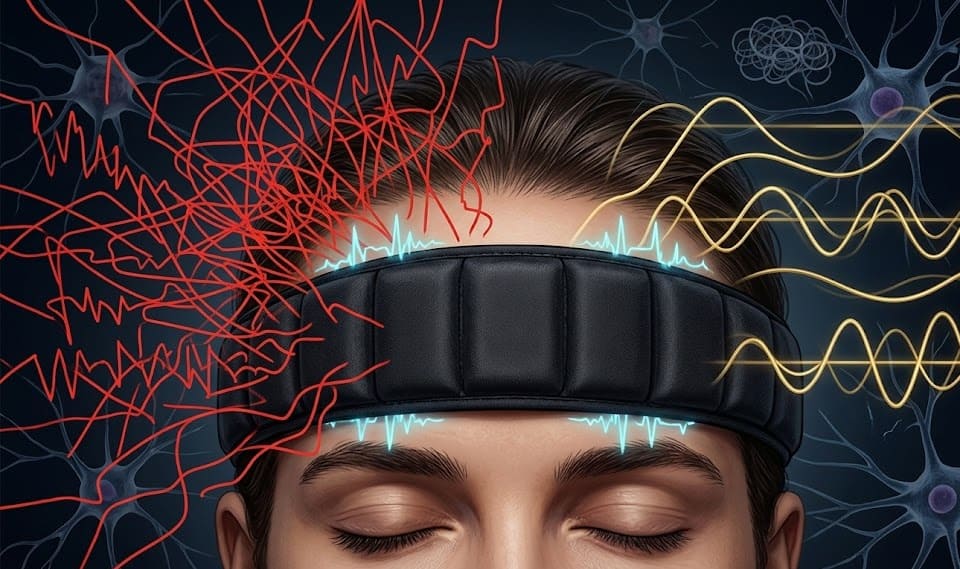
The technological evolution observed in 2026 highlights a vital clinical bifurcation in the neurotechnology and wearable market. While the best vagus nerve stimulation devices have firmly established themselves as premier, indispensable tools for daytime stress management, trauma recovery, and holistic nervous system regulation, a new, highly specialized category of transcranial devices has emerged. These advanced medical devices bypass the peripheral nervous system to directly address the central neurological architecture of sleep.
The Somnee Smart Sleep Headband represents the absolute pinnacle of this targeted, centralized approach. Instead of merely downregulating the body’s stress response and hoping sleep naturally follows, Somnee utilizes personalized transcranial alternating current stimulation (tACS) to actively manipulate cortical brainwave patterns, physically forcing the neurological transition into restorative sleep.
Electrical Technology and the Vagus Nerve
To comprehend the profound clinical efficacy of the Somnee device, one must strictly distinguish between generalized peripheral vagus nerve stimulation and targeted central transcranial neurostimulation. While using a vagus nerve stimulator effectively downregulates systemic physiological arousal—lowering heart rate and relaxing musculature—it does not directly interact with or alter the brain’s core sleep centers.
Vagus nerve stimulation may create the optimal, relaxed physiological conditions for rest, but it fundamentally relies on the brain’s intrinsic ability to naturally initiate the transition from active, waking beta and alpha brainwaves into the slower, synchronized theta and delta waves characteristic of deep sleep.
For individuals suffering from chronic, severe insomnia, this natural neurological transition is profoundly impaired. Decades of psychological anxiety, environmental stress, and chronic hyperarousal essentially rewrite the brain’s default pathways, making it incapable of downshifting into delta-wave dominance, regardless of how relaxed the peripheral body may feel. This is precisely why individuals with severe sleep anxiety often report lying perfectly still, physically exhausted, yet mentally trapped in a state of racing thoughts. The vagus nerve stimulation may calm the body, but it cannot force the brain to sleep.
Personalized Neurostimulation and the Science Behind Better Sleep
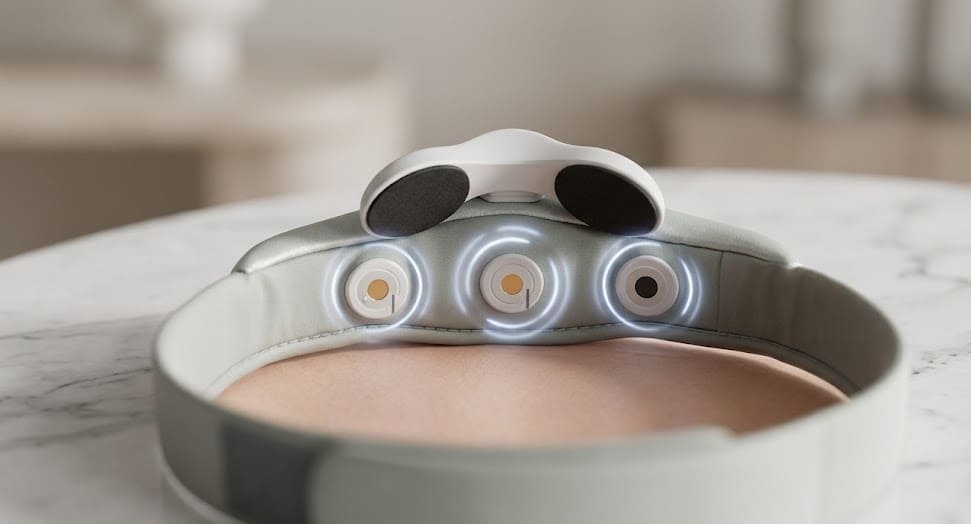
The Somnee 2.0 device addresses this central neurological bottleneck directly, representing a monumental leap in the science of effortless relief. It abandons the indirect approach of peripheral stimulation in favor of direct cortical modulation. The device employs lab-grade EEG+ sensors (electroencephalogram) embedded within the headband to continuously monitor and read real-time cortical electrical activity as the user prepares for bed.
When a user applies the headband, the Somnee ecosystem initiates a highly sophisticated mapping of the individual’s unique brainwave signatures. Over the initial seven days of use, the device’s sensors capture the raw neurophysiological data, essentially mapping the user’s specific “brainprint”. It records the exact frequencies, amplitudes, and misfirings that occur as the user attempts to fall asleep. Following this initial mapping phase, the Somnee SmartSleep AI™ aggregates this vast dataset to construct a highly personalized neurostimulation protocol over the subsequent fourteen sessions.
During a simple 15-minute ritual before bed, the user wears the headband while it delivers gentle, imperceptible electrical pulses (tACS). These alternating sinusoidal currents are not generic; they are explicitly tuned to mirror, amplify, and correct the brain’s natural, localized sleep signals.
This non-invasive electrical stimulation gently nudges the cortical neurons into highly synchronized firing patterns, physically entraining the brain to transition into the optimal sleep pathways. By explicitly mimicking the brain’s intrinsic slow-wave activity, Somnee forces the cessation of cognitive rumination and hyperarousal, seamlessly overriding the psychological agony of sleep anxiety with a biological imperative to sleep.
Non-Invasive Electrical Stimulation and Restorative Sleep
The clinical validation of this personalized approach is staggering, fundamentally redefining the expectations for medical devices designed to combat moderate to severe insomnia. The reliance on rigorous scientific inquiry separates Somnee from the vast array of unproven wellness gadgets. According to a landmark 2025 white paper authored by Ayanampudi, Krishnan, and Gurumoorthy through StimScience Inc., the application of personalized tACS via the Somnee device was shown to be remarkably superior to established clinical and pharmacological interventions.
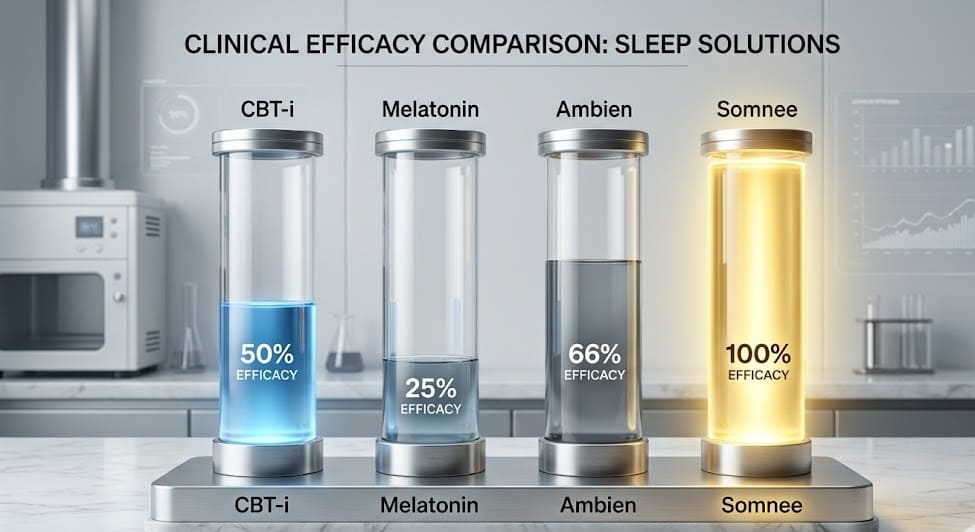
The clinical trial results indicate that the personalized Somnee protocol is approximately twice (2x) as effective as rigorous Cognitive Behavioral Therapy for Insomnia (CBT-i), a full four times (4x) more effective than exogenous melatonin supplementation, and critically, 1.5 times more effective than prescription hypnotic medications such as Ambien.
The physiological outcomes of this brief 15-minute targeted stimulation are immediate, objective, and profoundly life-altering for chronic sufferers. Clinical data demonstrated that users fell asleep approximately 50% faster, effectively eliminating the agonizing, anxiety-inducing hours spent staring at the ceiling and watching the clock.
Furthermore, the precise, personalized modulation of brainwave activity resulted in a 33% reduction in nighttime wake-ups, allowing users to stay asleep longer and complete the critical, uninterrupted cycles of rapid eye movement (REM) and non-rapid eye movement (NREM) sleep. On average, the intervention yielded an overall increase in total sleep duration of approximately 30 minutes per night, alongside significant, objectively measured improvements in the density and quality of deep sleep.
| Clinical Intervention | Mechanism of Action | Relative Efficacy vs. Somnee | Side Effect & Risk Profile |
| Somnee (tACS) | Neuromodulation via EEG-guided AI | Baseline (100% Efficacy) | Non-invasive, zero chemicals, zero morning grogginess. |
| CBT-i | Behavioral modification, cognitive restructuring | 50% as effective (2x less) | Extremely time-intensive, requires initial agonizing sleep restriction. |
| Prescription Ambien | GABA-A Receptor Agonist (Pharmacological Hypnotic) | 66% as effective (1.5x less) | High dependency risk, altered sleep architecture, next-day cognitive impairment. |
| Melatonin Supplements | Hormonal Circadian Rhythm Regulation | 25% as effective (4x less) | Disruption of endogenous hormonal production, metabolic hangovers, nightmares. |
Sleep Quality and the Benefits of Vagus Nerve Stimulation
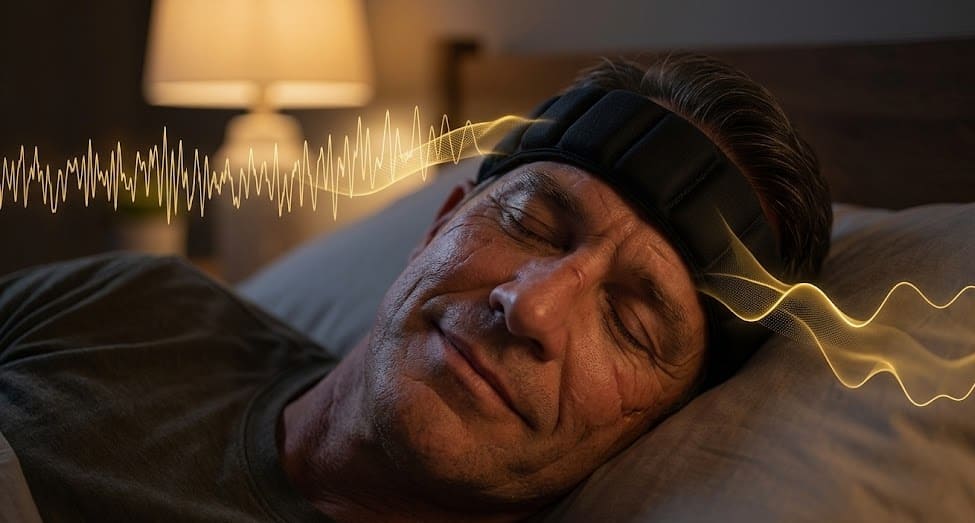
The biological reset that occurs within the human body when chronic insomnia is successfully treated and restorative sleep is finally achieved extends far beyond mere subjective feelings of morning restfulness. Sleep is not a passive state of rest; it is a highly active, biologically mandatory phase of physiological maintenance. The human brain relies entirely on the successful completion of specific sleep architectures to execute vital cellular processes.
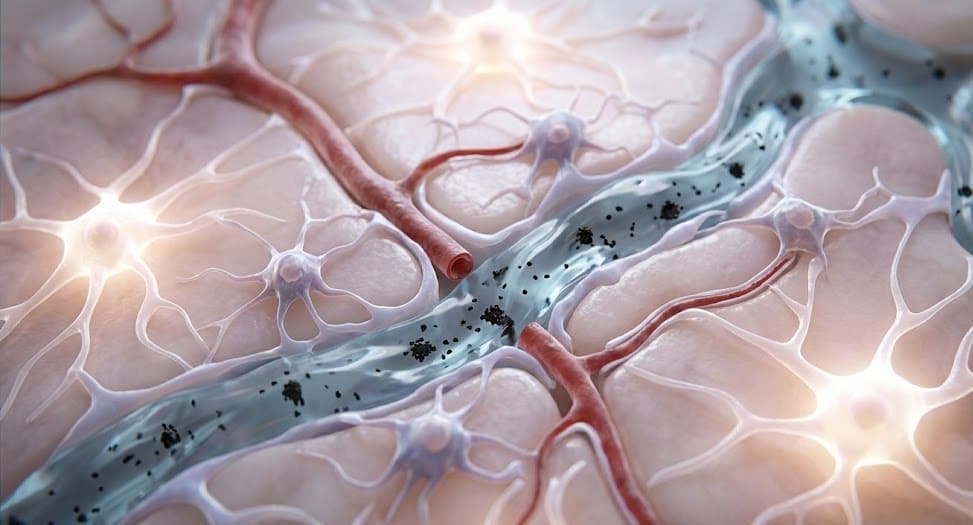
NREM sleep, heavily characterized by the slow-wave delta activity that Somnee explicitly promotes and entrains, is biologically critical for tissue restoration, somatic repair, and synaptic plasticity. During these deep sleep stages, the brain’s glymphatic system becomes highly active. This process involves the physical shrinking of glial cells, which dramatically opens up pathways for fluid exchange, allowing the cerebral spinal fluid to literally flush away neurotoxic waste products.
This includes the rapid clearance of beta-amyloid and tau proteins, the primary biomarkers associated with Alzheimer’s disease, severe cognitive decline, and chronic brain fog. By enhancing deep sleep, technologies like Somnee directly facilitate this critical “plumbing system of the brain,” ensuring cognitive recovery and long-term neuroprotection.
Conversely, REM sleep involves heightened cortical activity and is primarily responsible for affective brain homeostasis, emotional processing, and the integration of complex psychological and traumatic data. Chronic sleep disruption severely interferes with the delicate neurochemical balance achieved during these REM stages, directly contributing to the onset, exacerbation, and perpetuation of mood disorders, severe anxiety, and clinical depression.
Quality sleep helps meticulously regulate the secretion of stress hormones, particularly cortisol, ensuring that levels rise naturally in the morning to promote alertness and decline appropriately in the evening to facilitate rest. When restorative sleep is finally achieved after years of deprivation, the entire central nervous system undergoes a profound recalibration, transitioning the individual from a state of fragile emotional exhaustion to robust psychological resilience.
Restorative, Neurostimulator, and Electrical Stimulation
The transformation experienced by users of advanced neurostimulator devices highlights the profound clinical difference between merely sedating the brain with chemicals and actively repairing its fundamental rhythms through electrical entrainment. Emotional user testimonials provide vital, qualitative evidence of the immediate physiological changes induced by consistent, restorative deep sleep.
Individuals suffering from severe trauma-induced insomnia, including military veterans managing chronic Post-Traumatic Stress Disorder (PTSD), report genuinely life-changing outcomes. Many note that the targeted electrical pulses finally allowed their hypervigilant nervous systems to safely stand down after decades of operating on less than four hours of broken sleep per night. Users frequently document the complete eradication of pre-bedtime anxiety, stating that the gentle stimulation is so effective they regularly fall asleep seamlessly in the middle of their 15-minute sessions.
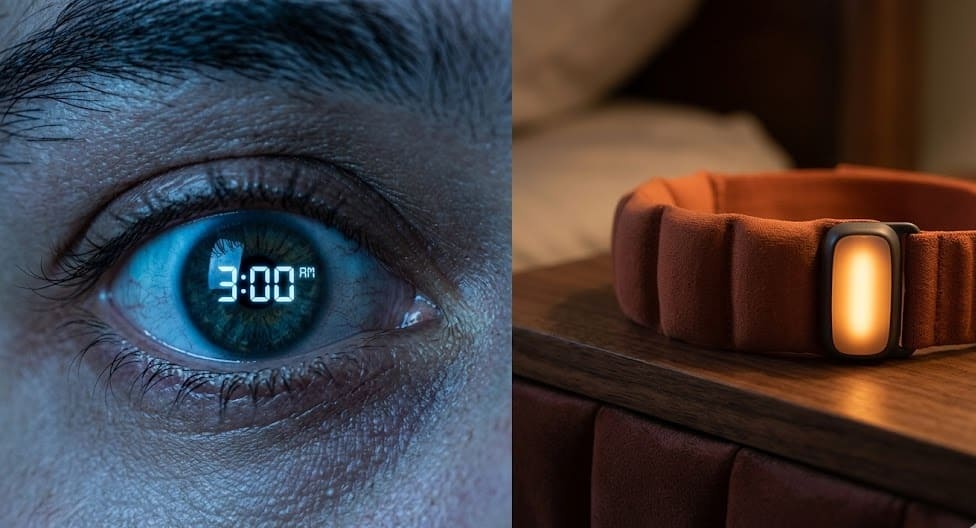
Crucially, the technology provides profound relief for the psychological terror of midnight awakenings. For individuals whose anxiety peaks at 3 AM—staring at the ceiling, terrified that they will not be able to return to sleep before their alarm sounds—the presence of the Somnee device offers ultimate peace of mind.
The capacity to utilize the device’s “DriftBack” functionality allows users to initiate a brief, targeted neurostimulation session in the middle of the night. Instead of spiraling into a panic that spikes cortisol and guarantees further wakefulness, the user relies on the device to physically guide their brainwaves back into a delta state, transforming a potential night of agony into a minor, easily managed interruption.
Importantly, the safety profile of personalized transcranial alternating current stimulation is exceptionally robust and heavily documented. A comprehensive safety meta-review of transcranial electrical stimulation (tES) studies, encompassing over 8,000 distinct participants and more than 18,000 individual stimulation sessions, identified zero serious adverse effects.
Because the intervention relies entirely on physiological entrainment and the mirroring of endogenous electrical frequencies rather than the introduction of exogenous chemicals, there is absolutely zero risk of chemical addiction, physiological tolerance, or the debilitating morning grogginess universally associated with pharmaceutical sleep aids.
Wearable Devices of 2026 and Best Sleep Tech Devices
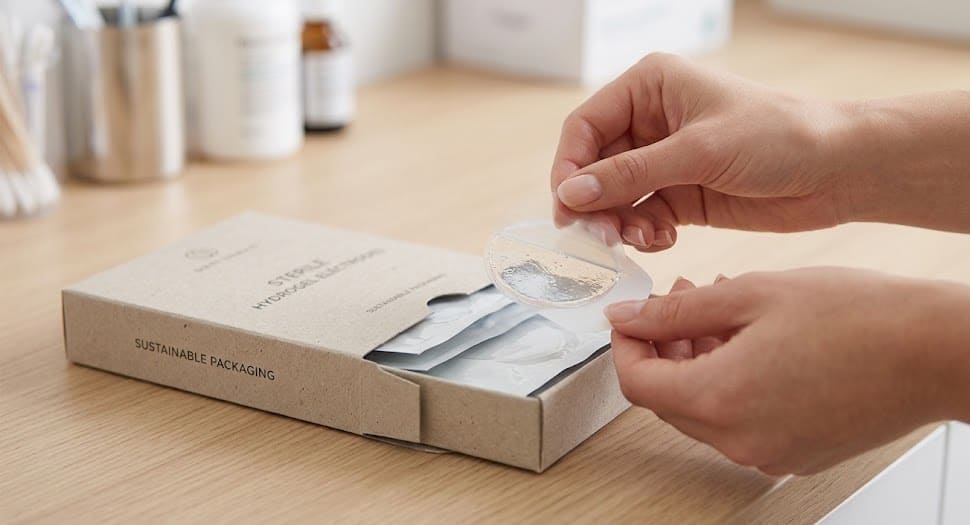
To maintain the unparalleled accuracy of the EEG mapping and the precise delivery of the tACS therapy, the Somnee ecosystem mandates the use of highly specialized, medical-grade hydrogel electrodes. These consumable components are identical in quality and composition to those utilized in clinical neurology laboratories, professional sleep clinics, and hospital settings.
Because the efficacy of low-level electrical stimulation is entirely dependent upon optimal conductivity, extremely low electrical impedance, and unimpeded, flush contact with the epidermal layer of the forehead, these hydrogel pads naturally degrade after three to four uses. Attempting to utilize degraded electrodes fundamentally compromises the device’s ability to accurately read the micro-volt brainwave data and precisely deliver the therapeutic alternating current, rendering the intervention ineffective.
EU MDR Certification and Medical Device Regulation in 2026
To reframe this ongoing requirement not as an arbitrary or annoying commercial subscription, but as a crucial, non-negotiable investment in continuous biological health and clinical efficacy, Somnee instituted a comprehensive membership model. Starting at a highly accessible cost of approximately 44 to 55 cents per day (billed in 6-month or annual increments), the membership guarantees the automated, regular delivery of fresh medical-grade hydrogel electrodes directly to the user.
This nominal daily investment—costing a fraction of a daily cup of coffee—ensures that the device maintains absolute, clinical-grade efficacy night after night. Furthermore, the membership fundamentally underwrites the massive computational power required to process the user’s highly complex nocturnal data. The Somnee system processes forty times (40x) the volume of brain-based data compared to standard, consumer-grade fitness trackers.
The SmartSleep AI utilizes this vast data stream to dynamically evolve the stimulation parameters as the user’s neurological baseline improves over time. This continuous AI personalization ensures that the therapy remains perfectly optimized, adapting seamlessly to changes in the user’s age, baseline stress levels, travel schedules, or physiological state.
The incredibly sophisticated nature of these neurotechnologies necessitates rigorous, uncompromising oversight, particularly as global regulatory bodies adapt to the rapid proliferation of active, therapeutic wearables. The European Union Medical Device Regulation (EU MDR) landscape has undergone massive, structural reform, culminating in the critical deadlines of 2026. After years of phased implementation, the European database on medical devices (EUDAMED) became fully operational and strictly mandatory as of May 28, 2026, for actor registration, UDI/device registration, and intense market surveillance.
Devices that actively intervene in physiological processes, including those delivering transcranial alternating current stimulation and transcutaneous vagus nerve stimulation, are subject to these stringent new classifications. The Somnee device, offering a scientifically validated treatment for severe insomnia and autonomic nervous system imbalances, navigates this complex regulatory environment by adhering to the exacting standards required for EU MDR Class IIa medical devices.
This highly sought-after certification definitively separates true, evidence-based therapeutic technologies from mere lifestyle novelties. It ensures that the manufacturer’s claims of personalized neurostimulation, customized brainwave entrainment, and drastically improved sleep quality are backed by unassailable, independently verified clinical data, rigorous post-market surveillance, and the highest standards of hardware safety.
Devices at a Glance: Shipping, VAT, and Global Accessibility
The globalization and massive demand for these critical medical devices have forced manufacturers and consumers alike to navigate increasingly complex international trade regulations, particularly concerning the shipment of high-value health technology into the European Union and the United Kingdom. In 2026, the European Union implemented significant, permanent customs reforms aimed at standardizing import duties and eliminating previous economic loopholes heavily utilized by massive e-commerce and dropshipping entities.
A pivotal regulatory change involves the complete elimination of the historical €150 customs duty exemption for low-value parcels entering the EU. Consequently, all medical devices and their accompanying consumable components, regardless of their low retail price, are now subject to immediate, standard EU customs tariffs. To facilitate this massive logistical transition, the EU instituted a mandatory, fixed €3 customs handling fee applied to each distinct tariff heading within a shipment, primarily affecting goods sold by non-EU entities registered in the Import One-Stop Shop (IOSS).
For consumers residing in the United Kingdom, specifically in regions such as Edinburgh, importing sophisticated neurotechnology from the United States involves strict, unavoidable adherence to His Majesty’s Revenue and Customs (HMRC) regulations. The importation of the Somnee Smart Sleep Headband and its requisite membership consumables incurs specific fiscal obligations that alter the final purchase price. The UK mandates an Import Value Added Tax (VAT), standardly calculated at 20%, which is comprehensively levied against the total aggregate cost of the physical device, the international shipping fees, and any transit insurance.
Furthermore, because the primary Somnee hardware (retailing at approximately $389 to $489) exceeds the £135 threshold, it becomes fully liable for specific UK customs duties, though certain advanced medical and electronic device classifications may occasionally benefit from reduced or 0% tariff rates depending on the exact customs coding applied at the border.
| Regulatory / Import Consideration | 2026 Operational Status & Policy | Financial & Logistical Impact on the End Consumer |
| EU MDR Certification | Mandatory EUDAMED registration active as of May 28, 2026. | Guarantees Class IIa clinical efficacy, ensuring product safety and verified clinical claims. |
| EU Customs Reform | Total elimination of the historical €150 customs exemption. | Fixed €3 processing fee per tariff heading, plus standard import duties applied to all parcels. |
| UK Import VAT | Actively and strictly enforced by UK HMRC. | 20% tax applied to the aggregate total of device cost + shipping fees + insurance. |
| UK Customs Duty | Automatically applicable for all shipments valued > £135. | Variable percentage fee based on the specific electronic or medical classification codes. |
The logistical realities of acquiring, maintaining, and importing these devices highlight a profound and critical shift in consumer behavior and healthcare economics. The financial and administrative commitment required by users to navigate international customs protocols, pay continuous membership fees for medical-grade consumables, and dedicate themselves to a nightly therapeutic regimen speaks directly to the profound desperation caused by chronic sleep deprivation. It fundamentally underscores their perceived value not as discretionary, entertaining consumer electronics, but as indispensable, life-saving biological necessities.
Tested the Best Vagus Nerve Stimulation Device for Stress Relief
The exhaustive comparative analysis of the 2026 neurotechnology market clearly delineates the specific, targeted utility of various neurostimulation modalities. For individuals whose primary impediment to health is daytime anxiety, systemic inflammation, chronic pain, or a general inability to achieve an autonomic nervous system equilibrium throughout the workday, the best vagus nerve stimulation devices offer highly robust, scientifically validated solutions.
Devices utilizing direct electrical conduction, such as the Pulsetto Lite, or those integrating auricular stimulation with audio therapies, such as the Xen by Neuvana, excel at rapidly engaging the parasympathetic nervous system. They effectively lower cortisol levels, reduce heart rate, and provide immediate stress relief through non-invasive physical or acoustic stimulation. The proactive use of a vagus nerve stimulator during daylight hours can significantly mitigate the massive accumulation of physiological stress, thereby laying a calmer, more regulated neurological foundation for the evening wind-down process.
However, for those suffering from the acute, intractable psychological agony of chronic insomnia—where the fundamental electrical architecture of the brain’s sleep pathways has been severely compromised by years of hyperarousal—generalized vagus nerve stimulation is frequently insufficient to force sleep onset.
The Somnee Smart Sleep Headband, utilizing advanced, AI-driven personalized transcranial alternating current stimulation, bypasses the peripheral autonomic nervous system entirely to interact directly with the cerebral cortex. By physically forcing the synchronization of cortical neurons into the precise delta frequencies required for deep, restorative sleep, the technology provides a definitive, biological override to the horrors of sleep anxiety.
The seamless integration of these advanced neurostimulation devices into daily life represents a monumental advancement in the management of chronic health conditions and the optimization of human performance. The decisive transition away from the heavy sedation, cognitive impairment, and chemical dependency of pharmaceutical sleep aids toward the precise, personalized application of electrical pulses signifies a true maturation of medical technology.
Through the rigorous mapping of individual brainwaves, the continuous, lifetime adaptation of SmartSleep AI, and the strict adherence to the highest tiers of medical device regulations, tools like the Somnee headband have successfully redefined the boundaries of neurological health. Ultimately, the ability to effortlessly access the profound biological reset provided by natural, deep, restorative sleep is no longer a matter of grueling behavioral discipline or dangerous chemical intervention, but a measurable, highly achievable outcome of targeted, scientifically validated neurostimulation.
Frequently Asked Questions About Neurostimulation
How does a vagus nerve device actually help you relax?
A vagus nerve device works by applying highly targeted electrical stimulation (or sometimes low-frequency acoustic vibrations) directly to specific pathways, such as the auricular branch in the ear or the cervical region of the neck. This mild electrical stimulation effectively signals safety to your nervous system, allowing your body and mind to disengage from the “fight-or-flight” stress response and transition into a deeply parasympathetic state of calm.
Will an advanced sleep aid help me fall asleep faster?
Yes. Clinical trials analyzing personalized neurostimulation have shown that utilizing a premium device—like the Somnee headband—can help you fall asleep faster by over 50%. By actively guiding your brainwaves into slower, synchronized patterns, it stops racing thoughts and dramatically cuts down the time spent trying to fall asleep.
Which device on our list is best for chronic insomnia?
While many stimulators are excellent for daytime stress relief, the Somnee headband is the strongest device on our list specifically engineered for deep, nocturnal recovery. Because it utilizes transcranial alternating current to map and alter your specific brainwaves, it actively trains your brain to sleep longer and reduces midnight wake-ups by overriding chronic hyperarousal.
Can these wearables actually help with moderate to severe exhaustion?
If you are exhausted from poor sleep, you might wonder if these modern gadgets actually help or if you should just stick to the best supplements on the market. Fortunately, modern devices designed for nervous system recovery are completely backed by science. Whether they are wearables you place on your chest like Sensate, or the apollo neuro device that uses low-frequency vibrations to help calm your nervous system, they provide a proven way to reduce physical tension.
Most devices use a companion app to let you easily adjust the intensity of the therapy. By calming the biological chaos inside your body, they effectively help you relax, help prevent the sudden onset of midnight panic, and dramatically improve your overall sleep architecture.
How exactly do these therapies ensure a better night?
Many of these advanced tools aim to help users permanently escape moderate to severe insomnia. For instance, some targeted stimulators apply gentle electrical pulses directly to the side of your neck to help regulate vagal tone. Meanwhile, advanced clinical headbands featuring integrated sleep tracking don’t just help you fall asleep; they safely help you drift into the deepest stages of cognitive recovery. By physically training your brainwaves to ensure you stay asleep longer, the profound, long-term biological benefits prove that upgrading your nightly routine is absolutely worth the investment.