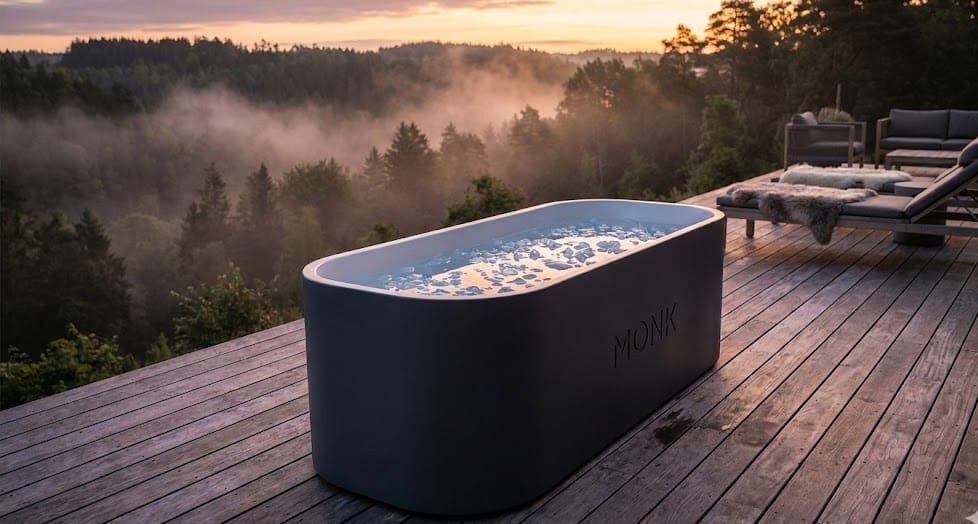
Table of Contents
Quick Summary: The Best Monk Systems for Thermal Resilience
If you want the short buyer summary before the detailed comparison, choose a system based on space, portability, temperature control, filtration, maintenance, and budget. A cold plunge should not be presented as a clinical tool or a physiological shield.
Currently, Monk stands out as the most precise, safe, and technologically advanced ecosystem for deep somatic recovery and vagus nerve training. Here is direct access to their specific therapeutic systems:
MindReset.org may earn a commission if you buy through our links. This does not increase your price and does not affect our editorial judgment.
Research note: We have not personally tested this product yet. This guide is based on product specifications, public documentation, available research, user feedback, and comparison with similar tools.
This article is for general informational and buyer-guidance purposes only. It is not medical advice, diagnosis, or treatment. Wellness devices, supplements, light therapy, sauna, cold exposure, breathing, and relaxation tools may not be suitable for everyone. If you have a medical condition, take medication, are pregnant, or are unsure whether a product or practice is appropriate for you, speak with a qualified healthcare professional before using it.
| System / Component | Best For… | Secure Your Sanctuary |
| Monk Origin Smart Ice Bath | The flagship experience. A permanent home ice-bath setup with a polished design and integrated filtration. Verify the current ozone system, maintenance requirements, warranty, and safety information before buying. | Check Current Availability |
| Monk Nomad Bundle | The ultimate mobile nervous system support. Pairs the military-grade inflatable tub with the powerful Shiver chiller for absolute consistency anywhere. | Check Current Availability |
| Monk Nomad (Tub Only) | A highly durable, drop-stitch inflatable vessel. Ideal if you require a structurally rigid tub but prefer to manage the cooling protocol independently. | Check Current Availability |
| Monk Shiver (Chiller Only) | Upgrading an existing setup. A WiFi-enabled, app-controlled metabolic engine capable of chilling water to 3 degrees Celsius without physical ice. | Check Current Availability |
| Monk Filters | Maintaining absolute somatic safety. Essential replacements to ensure your healing environment remains pristine, non-toxic, and free of pathogens. | Check Current Availability |
| Monk Cocoon | The highly anticipated next-generation recovery environment. Secure your place in line for their newest therapeutic innovation. | Join Priority Waitlist |
For a lower-commitment comparison, see the Sun Home Portable Cold Plunge; for a roomier portable tub, compare the Polar Recovery Elite Tub; our best cold plunges guide places both against permanent systems.
The Weight of the Approaching Summer: An Empathetic Introduction
People who feel worse in hot weather may understandably dread summer. Heat is a real environmental stressor, but discomfort in hot weather should not be presented as proof of severe nervous-system dysregulation or an exhausted HPA axis.
Hot weather can feel physically draining, especially when sleep, hydration, or health problems are involved. A Monk ice bath offers controlled cold exposure, but this article did not verify that it restores depleted biological reserves or builds a physiological shield.
The target audience for this clinical analysis is not the high-performance enthusiast seeking to maximize productivity or crush daily goals. The individual conceptualized within this framework is severely burned out, trapped in a state of sympathetic dominance, and deeply dysregulated. For this population, the concept of aggressive biohacking is not only exhausting but entirely inappropriate and potentially harmful. What is required instead is a return to fundamental somatic safety.
Heat intolerance is a valid symptom with many possible causes. It is not proof that the nervous system has lost thermoregulatory flexibility, and persistent or severe symptoms warrant qualified medical assessment.
Starting a cold-plunge routine before summer may help a buyer learn the controls and establish a maintenance routine. This article did not verify that months of use builds a physiological shield or guarantees improved heat tolerance.
This approach treats cold-water exposure as an optional wellness routine rather than an extreme sport or medical intervention. Buyers should focus on manageable temperature settings, safe entry and exit, filtration, maintenance, and personal preference.
The Science of Thermal Resilience: HPA Axis Burnout and Heat Intolerance
To understand why summer heat is so debilitating for the burned-out individual, one must first examine the deep mechanics of the human stress response system. The hypothalamic-pituitary-adrenal axis is the central hormone regulation system responsible for managing physiological and psychological stress. The hypothalamus acts as the central command center in the brain, keeping the body in a balanced state of homeostasis regarding body temperature, mood, hunger, and autonomic energy distribution.
The Anatomy of Burnout and Adrenal Suppression
Under normal, healthy conditions, encountering a stressor prompts the hypothalamus to release corticotrophin-releasing hormone. This hormone signals the anterior pituitary gland to release adrenocorticotropic hormone, which in turn commands the adrenal glands, located on top of the kidneys, to release cortisol and adrenaline. This acute stress response is highly adaptive, mobilizing cellular energy and diverting blood flow to essential muscles to deal with immediate, short-term threats.
Chronic stress, fatigue, cognitive fog, anxiety, muscle aches, and heat intolerance can have many causes. These symptoms do not establish HPA-axis suppression or ‘adrenal fatigue,’ and people with persistent symptoms should seek qualified medical assessment.
Heat Intolerance as a Clinical Symptom of Exhaustion
Heat intolerance can have many causes and is not proof of a dysregulated nervous system or HPA-axis dysfunction. Anyone with persistent heat intolerance, fainting, cardiovascular symptoms, or difficulty regulating body temperature should seek medical guidance.
Consequently, exposure to normal summer heat triggers an exaggerated sympathetic stress response. The dysregulated body interprets the rising ambient temperature not as normal weather, but as a profound biological threat to its survival. This leads to symptoms such as tachycardia, severe fatigue, profound irritability, postural fainting, and deep systemic weakness.
| Clinical Signs of HPA Axis Dysregulation | Direct Impact on Summer Physiology and Thermoregulation |
| Chronically Suppressed Cortisol | Complete inability to manage the metabolic and energy demand required for cooling the physical body. |
| Sympathetic Nervous System Overdrive | Ambient heat is perceived as a critical threat, triggering unwarranted panic and subsequent exhaustion. |
| Blunted Parasympathetic Tone | Absolute inability to return to a rest and digest state after minimal outdoor heat exposure. |
| Poor Vasomotor Control | Difficulty dilating peripheral blood vessels efficiently to release internal core body heat. |
Gentle Vagus Nerve Training Through Controlled Cold Exposure

Controlled cold exposure can feel challenging or refreshing, but it should not be presented as clinically invaluable therapy for trauma, adrenal depletion, or nervous-system rehabilitation. Start conservatively and follow appropriate safety guidance.
Cold-water immersion can rapidly increase breathing and heart rate, so a controlled setup and conservative entry may matter to some users. This article did not verify cold exposure as therapy for burnout, anxiety, or nervous-system recovery.
Cold immersion produces an acute autonomic response, and controlled breathing may help some users manage discomfort. This article did not verify that breathing manually overrides panic, increases vagal tone, or teaches the nervous system to remain completely safe under severe thermal stress.
Research on cross-adaptation does not establish that a home cold-plunge routine creates resilience to every psychological, relational, or environmental stressor. Users may become more familiar with cold exposure, but this article did not verify an autonomic or physiological shield against summer heat.
Summer Insomnia, Core Body Temperature, and Sleep Architecture
Hot weather can make sleep less comfortable for some people. A cooler room, breathable bedding, hydration, and an appropriate evening routine may help, but this article did not verify that cold plunging heals the HPA axis or restores sleep architecture.
The Thermoregulation of Human Sleep
Human sleep is intimately and inextricably tied to thermoregulation. The core body temperature operates on a strict 24-hour circadian rhythm. To successfully initiate sleep, the core body temperature must drop by approximately one to two degrees Fahrenheit. This vital decline signals the pineal gland to release melatonin and activates the primary sleep-promoting centers deep within the brain. Clinical sleep studies confirm that sleep is highly likely to occur when the core temperature is actively falling, and it is physiologically incredibly difficult to maintain sleep when the core temperature is rising.
Hot nights can make sleep less comfortable and may raise heart rate for some people. A cooler room, breathable bedding, hydration, and appropriate medical guidance are practical considerations; this article did not verify that cold plunging restores slow-wave sleep, cellular repair, or nervous-system recovery.
Somatic Cold Plunging as a Targeted Sleep Intervention
To combat summer insomnia, modern functional medicine protocols increasingly rely on manipulating the core body temperature artificially. Engaging in a somatic cold plunge in the late afternoon or early evening forces a subsequent, profound, and sustained drop in core body temperature.
Cold water removes heat from the body during immersion, but the duration and size of any post-session temperature change vary. This article did not verify that an evening plunge lowers core temperature for hours, reproduces the circadian temperature drop, or guarantees deeper sleep.
Some users find alternating heat and cold refreshing, but responses vary. This article did not verify that the routine lowers baseline cortisol, normalizes serotonin, balances the nervous system, or guarantees better sleep.
| Sleep Architecture Phase | Negative Impact of Summer Heat | Therapeutic Benefit of Evening Cold Immersion |
| Sleep Onset Latency | Severely prolonged due to the biological inability to cool down. | Dramatically shortened as the core body temperature is artificially lowered. |
| Slow-Wave Deep Sleep | Fragmented and shallow due to subtle sympathetic nervous system activation. | Deepened significantly by enhanced parasympathetic vagal tone and lowered cortisol. |
| Rapid Eye Movement Sleep | Disrupted repeatedly by fluctuations in ambient room temperature. | Stabilized by reduced circulating stress hormones and normalized serotonin production. |
A home ice bath may give users more control over timing and temperature, but this article did not verify that cold exposure protects sleep architecture or guarantees recovery outcomes.
monk smart ice bath review: The Flagship Origin Experience
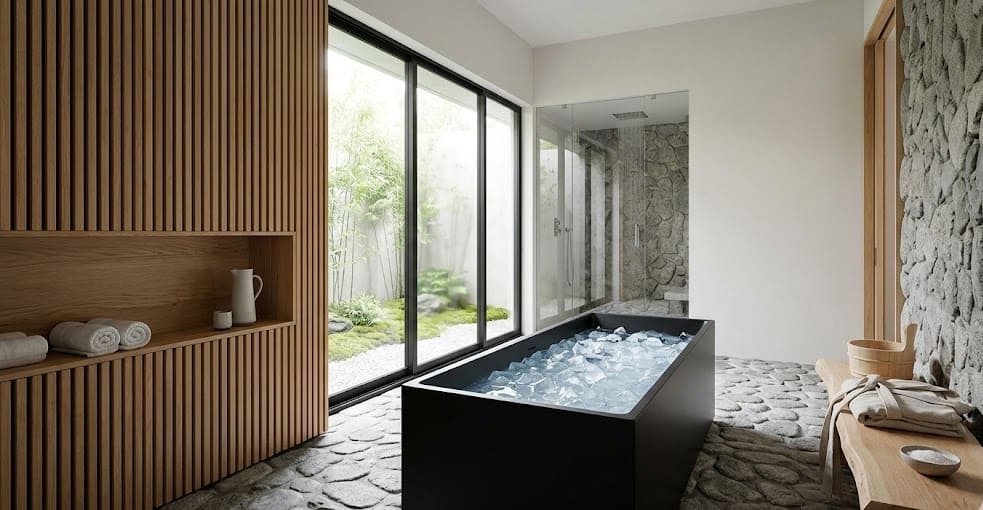
For buyers comparing at-home cold-plunge systems, precision, safety information, maintenance, and service reliability matter. Monk positions the system around technology and resilience, and the company was founded by Laura Fullerton. This article did not verify medical or functional-medicine recovery outcomes.
The Origin Gen2 is a purpose-built ice bath that may appeal to buyers who want less setup work and more consistent temperature control than a DIY tub. This article did not verify somatic healing, anxiety, parasympathetic, or long-term neurological-health outcomes; compare maintenance, filtration, warranty, space, and total cost before buying.
Precision temperature control and Somatic Safety
Precise temperature control is a practical feature of the Monk smart ice bath because it lets users choose and repeat a setting. It is not clinically necessary for every user, and this article did not verify that it prevents panic, trauma responses, or setbacks in healing.
Digital controls let users adjust temperature gradually according to comfort and manufacturer guidance. This article did not verify improvements in vagal tone, HPA-axis stability, or therapeutic outcomes, and the Monk system should not be treated as a medical device.
A Clean, Well-Maintained Ice Bath Setup
Clean water and clear maintenance guidance are practical buying considerations for an ice bath. Verify the current filtration system, sanitation requirements, warranty, and safety information before buying; this article did not verify medical-grade filtration, detoxification, or immune-system outcomes.
Ozone filtration is highly effective at neutralizing bacteria, viruses, and pathogens without the need for harsh, skin-irritating chemicals like chlorine or bromine, which can disrupt the endocrine system. The proprietary monk origin filters, which operate at a highly effective 20-micron rating, ensure that microscopic particulates, skin cells, and debris are entirely removed from the column. This creates a pristine, clean environment that allows the exhausted immune system to rest and recover rather than actively fight off external waterborne contaminants during the immersion session.
The Digital Coach: An Immersive App Experience and Quantitative Metrics
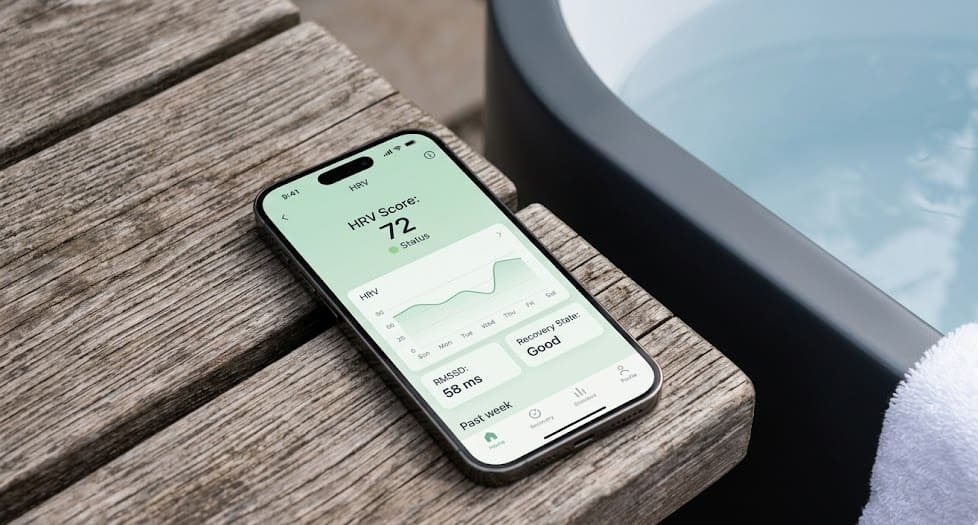
The Monk app can log sessions and combine them with compatible wearable data. These records may help users notice routine patterns, but they do not validate nervous-system healing or prove that a medical intervention is working.
The app integrates with compatible wearables and can display consumer estimates such as HRV and resting heart rate alongside session data. These values vary by device and context and should not be described as having absolute clinical precision.
Users may compare plunge sessions with sleep and HRV trends, but these consumer metrics cannot prove that the nervous system is healing. They are best treated as estimates that may help users notice patterns over time.
The app also offers guided audio, breathwork, soundscapes, visualization, and cognitive-behavioral-style content. These are wellness features, not verified mental-health treatment or proof of emotional or physical healing.
An extensive analysis of customer reviews reveals the profound psychological impact of this integrated system. Patient logs often record statements indicating that after 4 months and i love the sustained parasympathetic tone, the deep dread of summer finally begins to dissipate. Logs further detail that after several months and i love everything about the daily ritual, a profound sense of safety returns to their daily existence, proving the transformative nature of the protocol.
nomad bundle review: The Best Value for Mobile Nervous System Support
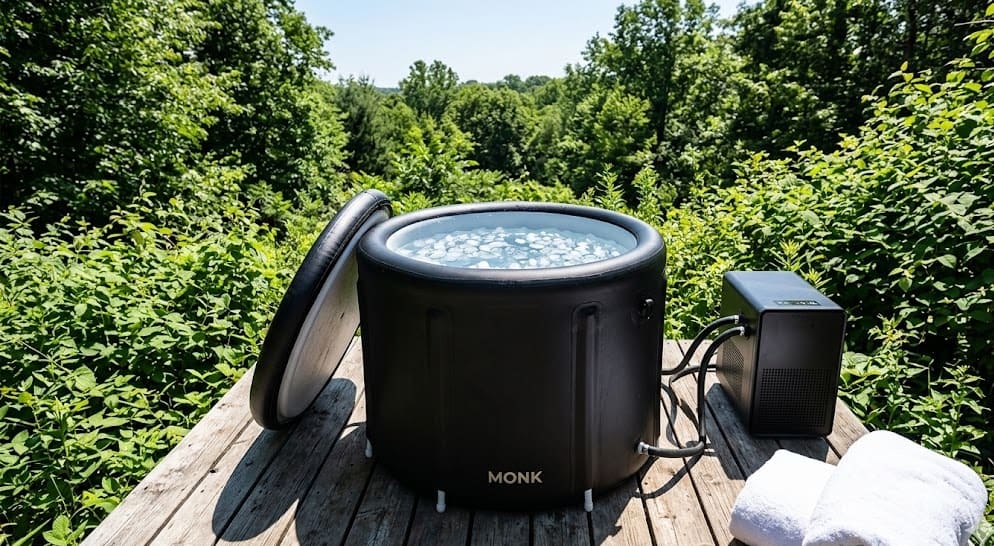
The Nomad bundle may appeal to buyers who want a portable tub and chiller for travel or use away from home. Portability can help maintain a routine, but it does not guarantee nervous-system regulation or an uninterrupted healing process.
Considered by many functional practitioners as the absolute best ice bath setup for those requiring mobility without sacrificing cooling power, the nomad bundle seamlessly pairs an inflatable tub with a highly capable, standalone chiller unit. Priced at £1295, this specific configuration represents the best value for individuals seeking premium, smart features at a slightly more accessible entry point while maintaining the core philosophy of the brand.
The Nomad Tub: Structural Integrity and Psychological Safety
The nomad tub is technically an inflatable unit, but it is entirely distinct from standard, flimsy inflatable products flooding the wellness market. It features a highly advanced hardened-wall construction utilizing military-grade, ultra-durable drop stitch fabric. This specific material technology provides structural rigidity that is remarkably comparable to a hard-shell tub when it is fully inflated to the correct pressure.
For a severely dysregulated individual, physical stability is deeply tied to psychological safety. A tub that flexes, bulges, or feels unstable under their weight can easily trigger subtle anxiety or a feeling of losing control. The drop stitch construction of the nomad tub eliminates this structural concern entirely, providing a solid, grounding vessel for recovery. Furthermore, the material is crafted from skin-friendly, non-toxic PVC, adhering to rigorous international safety standards to protect sensitive skin and prevent the dangerous off-gassing of harmful endocrine disruptors into the water.
The physical dimensions of the tub are generously proportioned to accommodate a wide variety of body types. Measuring 100 centimeters in width and 90 centimeters in height, the vessel comfortably accommodates individuals up to an impressive 6 feet 9 inches tall. This height is not merely for comfort; it ensures full, deep submersion up to the base of the skull, which is absolutely necessary for stimulating the crucial vagal nerves located in the neck.
The ice bath comes with a lockable thermal-shield lid, preserving the internal temperature efficiently and preventing environmental contamination when not in active use. Designed explicitly for both indoor and outdoor use, the system is highly adaptable to various living arrangements, from small urban apartments to suburban gardens.
The Shiver Chiller: Uncompromising Power and Convenience
The true metabolic engine of this mobile sanctuary is the monk shiver chiller. Weighing a manageable 21 kilograms, it is portable enough to be moved between locations but powerful enough to manage serious, rapid cooling demands. The chiller boasts a highly efficient cooling capacity of 880W, peaking at an impressive 1250W, and is fully capable of bringing the water temperature down to an astonishing 3 degrees Celsius completely without the frustrating use of physical ice.
This WiFi-enabled cooling unit connects directly to the digital application, allowing the user to schedule their sessions remotely from their smartphone. Maintenance is remarkably simple for an exhausted individual, featuring a built-in, easily washable filter that only requires a quick weekly rinse under a tap. When using the monk ecosystem, the integration between the heavy-duty hardware and the elegant software is perfectly seamless, providing a friction-free experience that fiercely protects the vulnerable user from unnecessary logistical stress or decision fatigue.
| Nomad System Component | Clinical Benefit for Burnout Recovery |
| Military-Grade Drop Stitch Fabric | Provides absolute structural stability, enhancing somatic safety and grounding the user physically. |
| 3 Degree Celsius Capability | Ensures the water is always cold enough for maximum therapeutic benefit, eliminating the exhausting stress of sourcing physical ice. |
| 15-Minute Rapid Setup Time | Drastically reduces the barrier to entry; the system is ready rapidly, preventing decision fatigue for those with low energy. |
| WiFi App Connectivity | Allows scheduling hours in advance, ensuring the sanctuary is at the perfect temperature when the nervous system requires it most. |
The Pre-Summer Protocol: Titrated Acclimatisation for the Exhausted
A cold-plunge routine should prioritize safe entry and exit, conservative exposure, individual tolerance, and manufacturer guidance. It should not be framed as a clinically precise protocol for trauma-informed nervous-system rehabilitation.
This article did not verify that the suggested cold-exposure routine releases RBM3 in a way that produces neuroplasticity, synapse regeneration, cellular repair, or protection from an ‘adrenal crash.’ Start conservatively, follow manufacturer safety guidance, and avoid treating the routine as a medical protocol.
Step 1: Establishing the Baseline and Somatic Trust (Weeks 1-2)
During early sessions, the practical goal is to learn the controls, enter and exit safely, and decide whether the routine feels manageable—not to establish biological trust between the mind and autonomic nervous system.
- Temperature: Start with a manageable setting and follow the manufacturer’s safety guidance; 14 to 15 degrees Celsius is not appropriate for every user.
- Duration: Keep early sessions short and exit immediately if you feel dizzy, numb, confused, short of breath, or unwell.
- Frequency: Choose a conservative schedule that allows you to assess comfort and recovery; this article did not verify a required frequency for neurological integration.
- Focus: Breathe naturally and do not force long exhalations. Breathing may help with pacing, but it should not be presented as manually switching on the parasympathetic nervous system or proving safety to the brain.
Step 2: The Adaptive Acclimatisation Phase (Weeks 3-6)
Once the initial mild temperature feels easily tolerable and elicits zero panic, the individual can begin to gently lower the thermostat.
- Temperature: Utilize the application to engage the signature acclimatisation programme, which safely and dynamically guides the user from 10 degrees down toward lower temperatures at a highly customized, biologically appropriate pace.
- Duration: Slowly increase the time spent submerged to 2 to 3 minutes per session.
- Frequency: When utilizing the monk 3-4 times a week, individuals clinically report the most significant, measurable stabilization in their Heart Rate Variability metrics.
- Focus: Observe the physical sensations of the cold without judgment or fear. Notice the initial sympathetic spike, often manifested as the gasp reflex, and actively work to calm the resting heart rate while submerged through rhythmic breathing.
Step 3: Maintenance and Summer Shielding (Weeks 7 and Beyond)
By summer, a regular user may be more familiar with the equipment and routine. That familiarity does not establish a physiological shield or guarantee heat tolerance.
- Temperature: Choose a setting that feels manageable, start conservatively, and follow the manufacturer’s safety guidance; 5 to 10 degrees Celsius is not appropriate for every user.
- Duration: Keep sessions short, exit promptly if you feel dizzy, numb, confused, short of breath, or unwell, and never plunge alone when safety is uncertain.
- Timing: Choose a time that fits your routine and does not disrupt sleep. This article did not verify that a specific session time lowers core temperature enough to restore sleep architecture or promote healing.
Completing a cold-plunge routine may give some users a sense of accomplishment or help them notice patterns in comfort and recovery. It cannot prove somatic safety, a neurochemical reset, or an effortless return to calm.
What we could verify
We could verify public product specifications, stated features, pricing or subscription information where available, app or platform details, claimed use cases, and publicly available customer feedback.
What we could not verify
We could not verify long-term comfort, app stability, battery degradation, customer support quality, and real-world durability over months of daily use.
Detailed FAQ: The Transformative Practice of Cold Exposure

Starting a new cold-exposure routine can cause understandable apprehension. Buyers should assess suitability, safety guidance, and their own response rather than frame the decision as clinical treatment for adrenal exhaustion or a route to guaranteed physiological success.
Will Submerging in Freezing Water Make My Anxiety and Burnout Worse?
People with anxiety or heat intolerance may reasonably worry that intense cold will feel overstimulating. Those experiences can have many causes and should not be reduced to a single HPA-axis or sympathetic-nervous-system explanation.
Cold exposure produces an acute stress response, but it is not established as a cure for anxiety. Upon initially entering the water, there is indeed a brief, intense release of adrenaline and noradrenaline, triggering the biological sympathetic fight or flight response. This is simply the body reacting appropriately to the sudden thermal shift. But because this stressor is highly controlled, predictable, and finite—the individual is in a completely safe environment and can simply stand up to step out at any time—the conscious mind quickly begins to override the biological panic.
By employing guided breathing techniques broadcasted from the application, the individual manually activates the parasympathetic response. Cold immersion causes short-term vascular and neurochemical changes; their magnitude and clinical significance vary.
Cold exposure can alter catecholamine levels temporarily, but clinical effects on anxiety, depression, or neuroinflammation were not verified.
How Exactly Does Freezing Now Help Me Tolerate July Heat Later?
The human body operates entirely on the foundational biological principle of adaptation. When an individual avoids all physical discomfort and relies entirely on climate-controlled environments, the tiny thermoregulatory muscles, specifically the smooth muscle mechanisms controlling vasodilation, vasoconstriction, and pore size for sweating, become incredibly weak, atrophied, and inflexible.
Cold exposure temporarily changes skin blood flow and vascular tone. This article did not verify that regular ice bathing functions as resistance training for the autonomic nervous system, strengthens neurological pathways, or improves summer heat regulation.
Monitoring the core temp and cardiovascular response through wearable integrations allows the individual to observe this powerful cross-adaptation occurring in real-time. By intentionally activating the biological stress response in a completely non-harmful way, the body significantly raises its overall neurological threshold for what it considers dangerous.
Becoming familiar with a cold-plunge routine does not guarantee that the nervous system will stop reacting to summer heat, reset a biological panic response, or prevent exhaustion. Hydration, shade, cooling, sleep, and medical guidance when symptoms persist remain important.
Heat intolerance and burnout-like symptoms can have many contributors. Hydration, shade, suitable clothing, a cooler environment, rest, and medical assessment when symptoms persist are practical steps; this article did not verify HPA-axis rehabilitation or nervous-system relearning from cold exposure.
The Origin’s integrated controls and the Nomad’s portability may make a cold-plunge routine easier to manage. Those product features do not turn the systems into interventions for nervous-system repair or create a physiological shield; buyers should focus on safety, maintenance, filtration, warranty, and total cost.