Table of Contents
A sleep-friendly bedroom is not about buying every sleep gadget on the market. It is about fixing the bedroom problems that actually affect how well you sleep: light, noise, comfort, temperature, night-time stimulation, and the way your room feels when it is time to go to sleep.
This guide is worth reading if you want better sleep without wasting money on products that sound impressive but do not solve your real problem. We will look at blackout curtains, sleep masks, mattresses, earplugs, white noise machines, amber night lights, analog alarm clocks, humidifiers, and sleep trackers. More importantly, we will separate what is worth buying from what is mostly wellness marketing.
MindReset.org may earn a commission if you buy through our links. This does not increase your price and does not affect our editorial judgment. As an Amazon Associate, we earn from qualifying purchases.
Research note: We have not personally tested every product in this guide. This buyer guide is based on product specifications, public documentation, available research, user feedback, and comparison with similar bedroom and sleep products.
We could assess the product categories, published specifications, intended use cases, common ownership costs, and comparison logic used in this guide. We could not independently verify long-term comfort, fabric durability, app stability, battery degradation, filter costs, customer support quality, return handling, or whether any product will improve sleep for a specific person. Prices, availability, specifications, subscription terms, warranties, and return policies may change, so confirm the current details before purchasing.
Quick Verdict: What Actually Matters in a Sleep-Friendly Bedroom Setup?
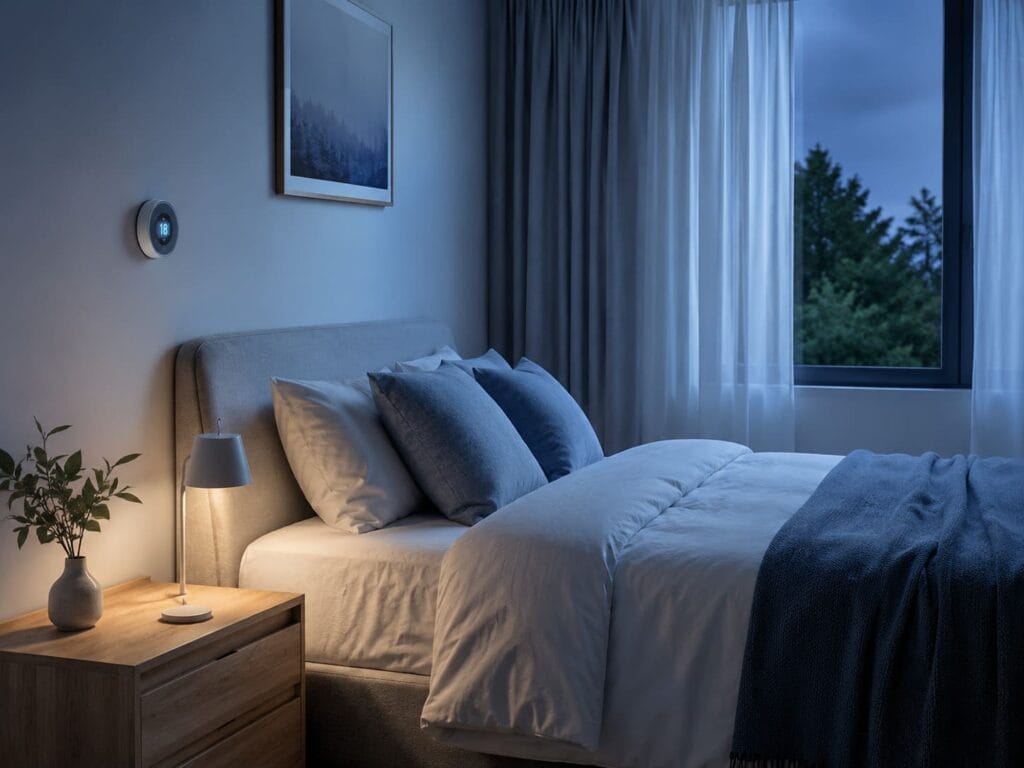
The best sleep-friendly bedroom setup starts with the basics: darkness, quiet, comfort, and a bedroom environment that helps you relax at night. If your bedroom is too bright, start with blackout curtains or a good sleep mask. If noise disrupts your sleep, try earplugs or a white noise machine. If your mattress is uncomfortable, fix the bed before buying more gadgets.
Sleep trackers can help you understand patterns, but they do not create a better sleep environment by themselves. A humidifier may help if your bedroom air quality feels dry or uncomfortable, but it is not a first-priority purchase for everyone. The goal is not to build a perfect sleep lab. The goal is to create a bedroom for better sleep with simple changes that have a big impact on your sleep.
This is not a bedroom decor guide. It is a practical buyer guide for creating a sleep-friendly bedroom without buying things you do not need.
What Makes a Bedroom Environment Better for Sleep?
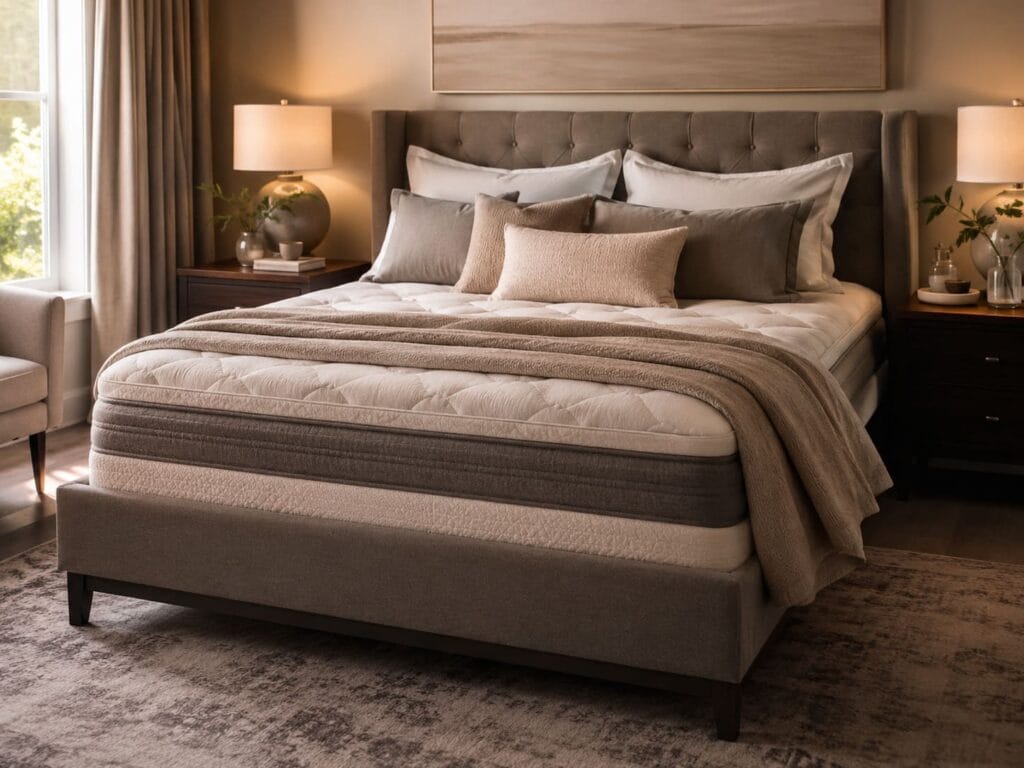
A sleep-friendly bedroom is a room that supports quality sleep instead of fighting against it. That means less light, less noise, a comfortable mattress, cooler air, and fewer distractions outside of the bedroom routine. Public sleep guidance, including advice from organizations such as the National Sleep Foundation, usually points to the same basics: keep your bedroom dark, quiet, comfortable, and relaxing.
Light is one of the biggest problems. Street lights, early sunrise, phone screens, bright alarm clocks, and harsh bedroom lighting can make it harder to fall asleep. Noise is another common issue. Traffic, neighbours, a snoring partner, or household sounds can disrupt your sleep even when you think you are used to them.
Comfort matters too. If your mattress is old, too soft, too firm, or causing pressure points, no sleep tracker will fix that. The ideal bedroom environment does not need to be expensive, but it does need to match the real reason you are not getting consistent sleep.
Sleep-Friendly Bedroom Setup: What Should You Buy First?
Before you buy anything, ask one question: what is the main problem in my bedroom at night?
If your room is bright, buy for darkness first. That usually means blackout curtains or a sleep mask. If noise is the problem, start with earplugs or a white noise machine. If your bed is the problem, look at your mattress, pillow, and bedding. If you wake up at night and turn on harsh lights, use an amber night light or a simple low-light solution.
A smart order looks like this:
- Fix light with blackout curtains or a sleep mask.
- Fix noise with earplugs or white noise.
- Fix comfort with a mattress or bedding upgrade.
- Reduce night-time stimulation with amber light and an analog alarm clock.
- Add air support only if your room feels dry or uncomfortable.
- Add a sleep tracker only if you want data, not a miracle solution.
This order matters because many people buy the exciting product first. They buy a tracker, diffuser, or expensive wellness device while the bedroom itself is still bright, noisy, and uncomfortable. Build the sleep space first. Then consider extras. If you want a wider product list, our sleep sanctuary gadgets guide covers more tools for bedroom recovery.
How Can You Keep Your Bedroom Dark Enough at Night?
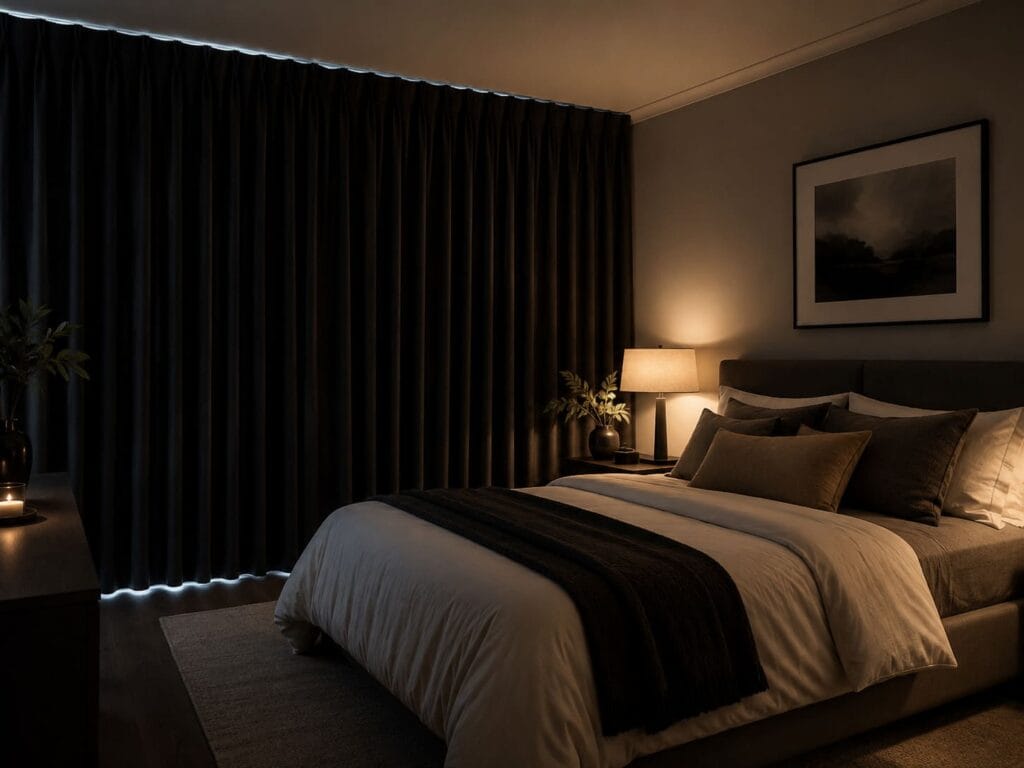
For many bedrooms, blackout curtains are one of the highest-impact upgrades. They help reduce outside light from street lamps, cars, neighbours, and early sunrise. If your bedroom at night is not truly dark, curtains can make the room feel calmer and more sleep-friendly.
Blackout curtains are not just a decor choice. They are a practical tool for reducing outside light during the night and early morning, although the final result depends on fabric opacity, installation, window shape, and edge gaps.
Buy blackout curtains if your room gets outside light, you work shifts, you wake too early because of sunrise, or your current curtain is thin and decorative rather than functional. Skip them if your room is already dark or if you rent a space where installing curtains is difficult. If you want an automated option, compare motorized blackout shades for sleep before buying a full curtain setup.
Blackout Curtains vs Sleep Mask: Which Light Fix Works Better?
A sleep mask is the simplest way to block light when curtains are not enough. It is also useful for travel, shared bedrooms, naps, and rooms where light leaks around the edges of the curtain. A good mask can help transform your bedroom experience without changing the room itself.
Manta Sleep is a strong fit for this part of the setup because it solves a very specific problem: light around the eyes. The best sleep mask is not the cheapest piece of fabric. It should feel comfortable, stay in place, block light well, and avoid pressure on the eyelids if that bothers you.
Buy a sleep mask if you are light-sensitive, share a room, travel often, nap during the day, or cannot install blackout curtains. Skip it if you hate anything touching your face, sleep hot around your eyes, or already have a bedroom that makes darkness easy.
Is Your Mattress the Reason Your Bedroom Isn’t Comfortable?
Sometimes the bedroom setup is not the problem. The mattress is. If you wake up sore, toss and turn, feel unsupported, or avoid going to bed because your bed does not feel comfortable, small accessories will not solve the issue.
A mattress upgrade may improve comfort if the current mattress is old, sagging, excessively warm, or no longer feels supportive. It will not necessarily address sleep problems caused by light, noise, schedule, screen use, or a medical condition.
Skip a mattress upgrade if your bed is already comfortable and your real problem is light, noise, screens, caffeine, or an inconsistent sleep schedule. Mattresses are expensive. Do not buy one just because a sleep article says it is important. Buy one when your current mattress clearly has an impact on your sleep.
How Much Does Noise Affect How Well You Sleep?
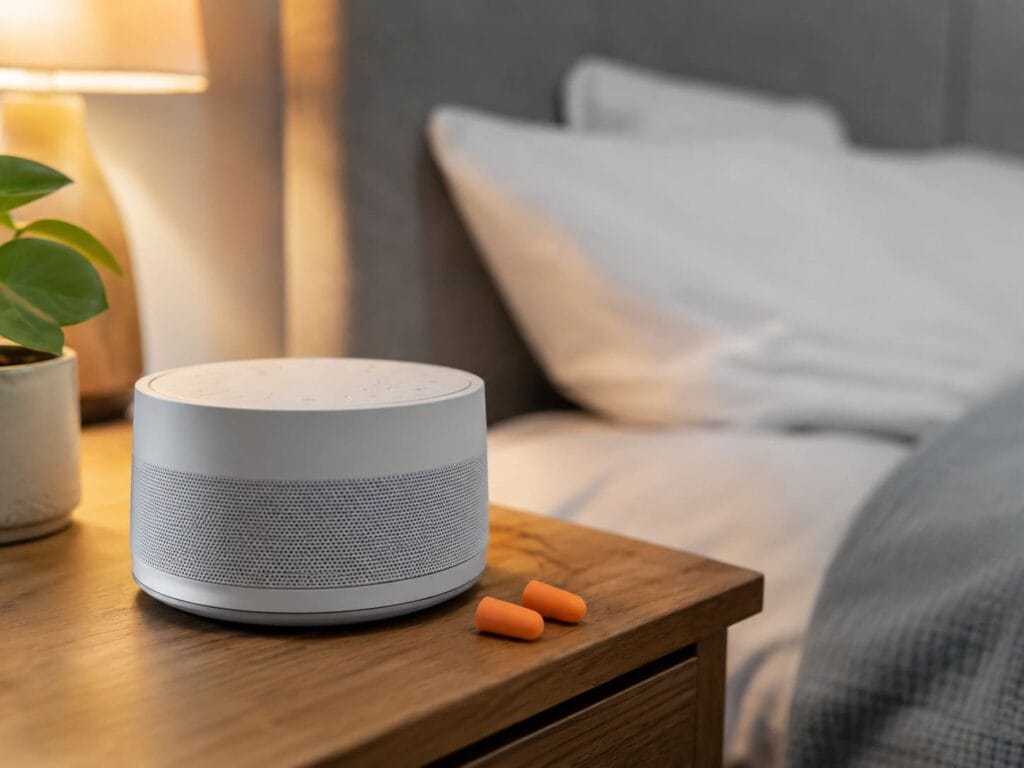
Noise control is one of the most practical parts of creating a sleep-friendly bedroom. If you are trying to sleep while traffic, neighbours, pets, or a partner disturb you, the right solution can make a real difference.
Earplugs are best when you need to block sound. They are cheap, portable, and simple. Foam earplugs can work well, while reusable silicone earplugs may feel better for some people. Start here if you want the lowest-cost fix.
A white noise machine is different. If you are comparing dedicated sound machines, our Sound Oasis S-680 review is a useful next read. It does not block noise in the same way. It masks noise by creating a steady background sound. This can be helpful if sudden sounds wake you up. Some people also use a fan or app-based white noise, but a separate machine can reduce phone use in the bedroom.
Buy earplugs if you need direct noise reduction. Buy a white noise machine if unpredictable sounds disturb your night’s sleep. Skip expensive sound systems until you know basic noise masking works for you.
Why Your Alarm Clock and Night Light Matter More Than You Think
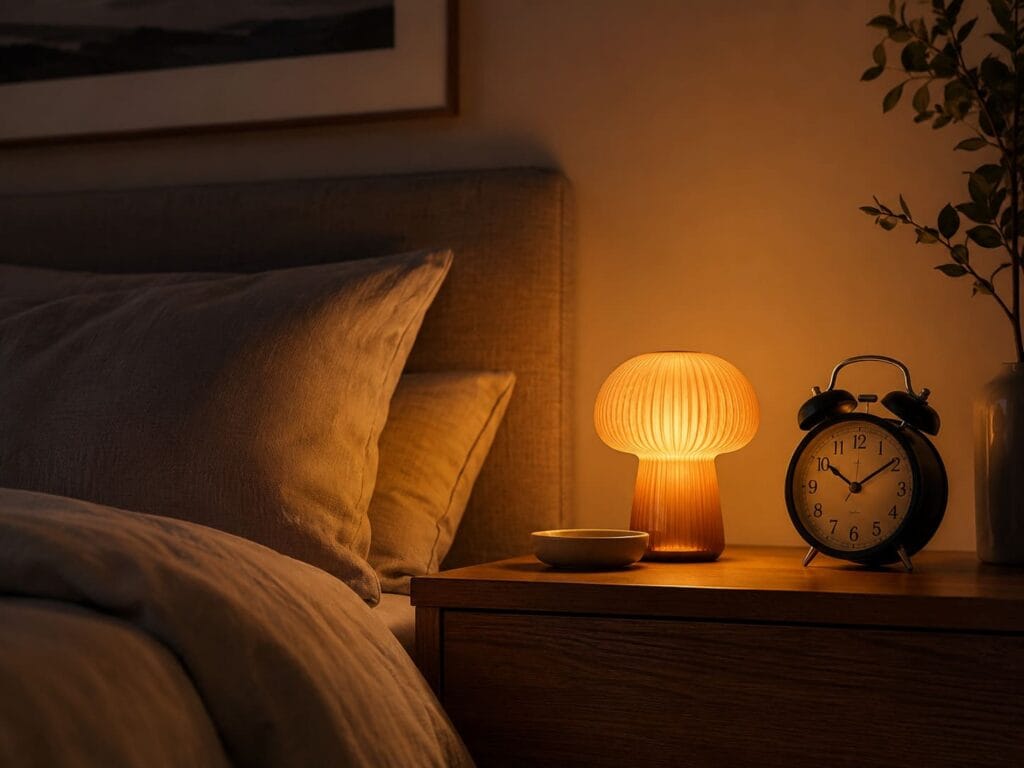
Light at night matters. A bright bathroom light, glowing phone, or intense digital alarm clock can disrupt your sleep environment. You do not need a complicated lighting system to fix this. Simple changes to your bedroom can help.
An amber night light is useful if you wake up at night and need to move around safely without turning on harsh white light. It can also help the bedroom feel calmer during the evening. This does not mean amber light is magic. It just means softer, lower-intensity light is usually a better fit for a sleep space than bright overhead lighting.
An analog alarm clock is another underrated fix. Many people use their phone as an alarm, then check messages, news, or social media in bed. That turns the bedroom into a stimulation zone. A simple analog clock can reduce screen exposure and make your room feel less connected to the outside world.
Buy an amber night light if you use bright lights at night. Buy an analog alarm if your phone keeps pulling you back into screen time. Skip both if your night lighting is already calm and your phone stays outside your bedroom.
Are Sleep Trackers Useful or Just Another Bedroom Gadget?
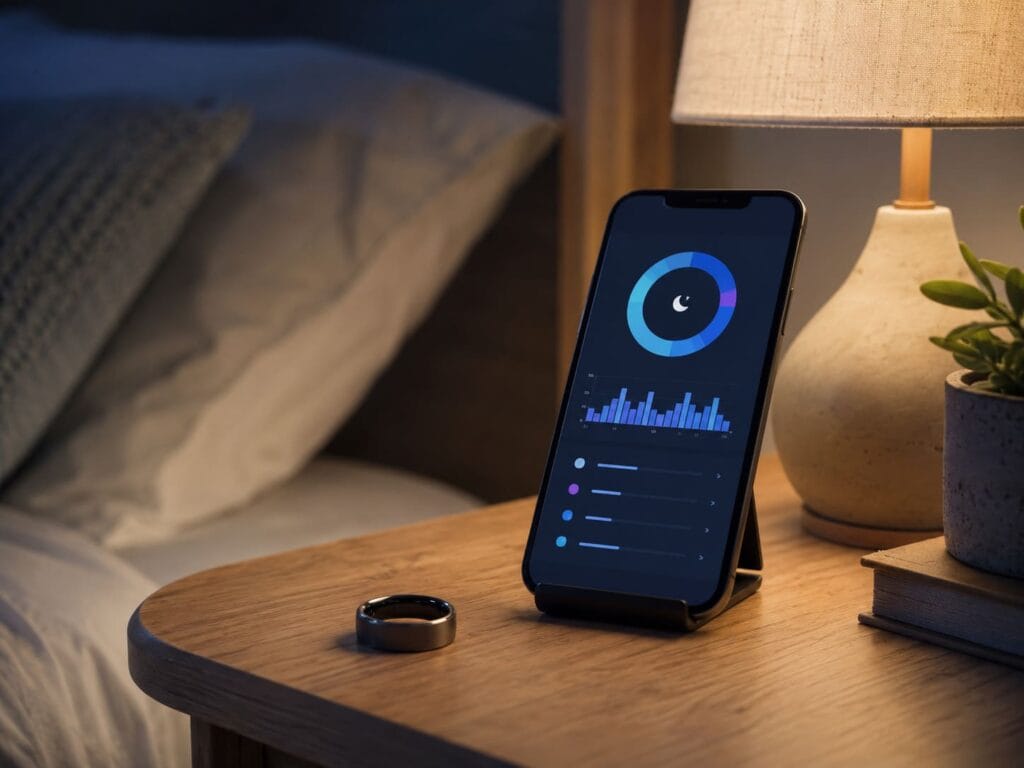
Sleep trackers can be useful, but they are not a sleep solution. A tracker can show patterns in sleep, movement, heart rate, restfulness, and routine. Devices like the Ultrahuman Ring can fit this role for people who want data about how well they sleep.
The problem is when people treat a tracker as the fix. A tracker will not make your bedroom dark. It will not block noise. It will not make your mattress comfortable. It will not stop you from using your phone at midnight. It only gives feedback.
Buy a sleep tracker if you like data, want to compare sleep habits, and can use the information without obsessing over every score. Skip it if sleep data makes you anxious, if you already know the problem is your bedroom environment, or if you are hoping a device will replace basic sleep hygiene.
Is a Humidifier Worth It for a Sleep-Friendly Bedroom?
A humidifier can be useful, but only in the right room. If your bedroom air feels dry, your throat feels dry at night, or winter heating makes the room uncomfortable, a humidifier may support a more comfortable bedroom environment. Brands like Canopy can fit here as part of a home wellness or air routine.
But this is not a first-priority sleep purchase for everyone. If your bedroom already feels comfortable, humidity is not a problem, and you dislike cleaning devices, a humidifier may become another unused object in the room.
Buy a humidifier if dry air is a real issue. Skip it if you are only buying it because it sounds like a wellness upgrade. Bedroom air quality matters, but more products do not automatically mean better sleep.
What Should You Skip in a Sleep-Friendly Bedroom Setup?
Skip anything that adds complexity without solving the real bedroom problem. A product can look premium, have beautiful branding, and still be unnecessary for your setup.
Skip expensive sleep gadgets before you fix light and noise. Skip diffusers if scent is not important to you. Skip smart displays if they add more light, apps, and notifications. Skip products that claim to create perfect sleep. Skip anything that talks like it can fix insomnia, anxiety, burnout, or a sleep disorder without proper medical context.
Feng shui, cozy decor, plants, colors, and room layout can change how a bedroom feels, but they should not replace practical basics. If your bedroom is bright, noisy, and uncomfortable, rearranging decor will not be enough. Start with the physical problems first.
Sleep-Friendly Bedroom Setup Checklist
Use this checklist before you buy:
- Is your bedroom dark enough at night?
- Do you need blackout curtains or a sleep mask?
- Is outside noise affecting your sleep?
- Would earplugs or a white noise machine help?
- Is your mattress still comfortable and supportive?
- Do you use harsh light in the bedroom at night?
- Would an amber night light reduce stimulation?
- Is your phone acting as your alarm and distraction?
- Would an analog alarm clock help you keep screens away?
- Is your bedroom air dry or uncomfortable?
- Do you actually need a humidifier?
- Do you want a tracker for awareness, or are you hoping it will solve sleep?
A sleep-friendly bedroom setup plays a simple role: it removes friction. It should make it easier to relax and sleep, not turn your night routine into another project.
What We Could Verify
We could verify the basic product categories and their buyer logic: blackout curtains for light control, sleep masks for portable darkness, mattresses for comfort, earplugs and white noise for noise control, amber lighting for low-stimulation nights, humidifiers for dry-room comfort, and trackers for sleep awareness.
We could also verify that public sleep guidance commonly recommends keeping the bedroom dark, quiet, relaxing, and comfortably cool, while reducing electronic-device use before bedtime. These recommendations support the basic order used in this guide: fix the room first, then consider optional products.
For further guidance, see the CDC’s healthy sleep recommendations and the NHLBI’s healthy sleep habits.
What We Could Not Verify
We could not verify whether every product will improve sleep for every person. We also could not verify long-term comfort, fabric durability, app stability, battery degradation, customer support quality, return experience, or real-world durability over months of daily use.
We also cannot verify that any bedroom product will solve chronic insomnia, sleep apnea, or other medical sleep problems. If you have ongoing sleep issues, severe daytime fatigue, breathing problems during sleep, or a suspected sleep disorder, speak with a qualified healthcare professional.
FAQ: Simple Changes to Your Bedroom for Better Sleep
Can simple changes to your bedroom help you get a good night’s sleep?
They may help when light, noise, temperature, comfort, or night-time stimulation is part of the problem. A darker, quieter, and more comfortable room can support a better sleep environment, but no bedroom change can guarantee a good night’s sleep.
What if your bedroom isn’t helping you fall asleep?
If your bedroom isn’t helping you fall asleep, look at the practical issues first. Too much light, too much noise, an uncomfortable mattress, or a harsh room feel can make it harder to relax when it is time to go to sleep. The fix is usually simple: make your room darker, quieter, and more comfortable instead of adding products that do not solve the real problem.
Should you make your bed and keep the bedroom tidy?
You do not need a perfectly styled bedroom, but a reasonably tidy room may feel calmer and easier to use. Treat cleanliness and clutter control as comfort and routine choices—not as proven treatments for poor sleep.
Can sleep hygiene outside of the bedroom affect how well you sleep?
Yes. Bedtime consistency, caffeine, alcohol, meals, evening light, screen use, activity, and daily routines can matter alongside the bedroom environment. A good room setup cannot fully compensate for a routine that regularly works against sleep.
How can you design your bedroom for deep sleep and restorative sleep?
Design your bedroom around the basics, not around trends. If you want deep sleep and restorative sleep, focus on darkness, lower noise, a comfortable mattress, and a layout that reduces stress at night. The best sleep possible usually comes from a bedroom for sleep, not from a room full of wellness extras. Think in terms of function first, then comfort and appearance second.
Do you need a tracker if you’re trying to sleep better?
Not always. If you’re trying to sleep better, a tracker may help you spot patterns, but it will not fix a bright, noisy, or uncomfortable bedroom. Use a tracker for awareness, not as a replacement for good sleep hygiene. If your bedroom environment is still poor, data alone will not improve your sleep quality.
When does a poor night’s sleep become a sleep disorder concern?
A poor night’s sleep once in a while is normal. But if poor sleep keeps happening, or if daytime fatigue, snoring, breathing issues, or long-term sleep problems continue, it may be worth discussing with a healthcare professional. This guide is about improving your bedroom setup, not diagnosing a sleep disorder. If symptoms continue even after you improve the room, the issue may go beyond the bedroom.
What does the National Sleep Foundation recommend for a bedroom for sleep?
The National Sleep Foundation and similar public sleep resources generally support the same practical idea: keep the bedroom dark, quiet, comfortable, and relaxing. That is why a sleep-friendly bedroom setup should focus first on light control, noise control, comfort, and a calmer night routine. In other words, the ideal bedroom is the one that removes friction and supports better rest.
Final Verdict: Build the Room Before Buying More Sleep Tech
The best sleep-friendly bedroom setup is not the most expensive one. It is the one that solves your real problem.
If your room is too bright, buy blackout curtains or a sleep mask. If noise wakes you up, try earplugs or white noise. If the bed is uncomfortable, look at your mattress. If harsh light disrupts your sleep at night, use amber lighting and keep your phone outside of the bedroom. If your air is dry, consider a humidifier. If you want data, use a tracker — but do not expect it to fix the room for you.
The simple rule is this: build the bedroom first, then add sleep tech later.
Key things to remember:
- Darkness, quiet, comfort, and low stimulation matter more than most gadgets.
- Blackout curtains and sleep masks are practical first upgrades for a brighter bedroom.
- Earplugs and white noise machines are usually better first steps than expensive sound systems.
- A mattress upgrade makes sense only if comfort is truly the problem.
- Amber night lights and analog alarm clocks can reduce night-time stimulation.
- Sleep trackers are useful for awareness, not as a direct sleep solution.
- Humidifiers are useful only if dry air is a real issue.
- Skip products that promise perfect sleep or make medical-style claims.
- The best sleep setup is practical, calm, and matched to your actual bedroom problem.