Table of Contents
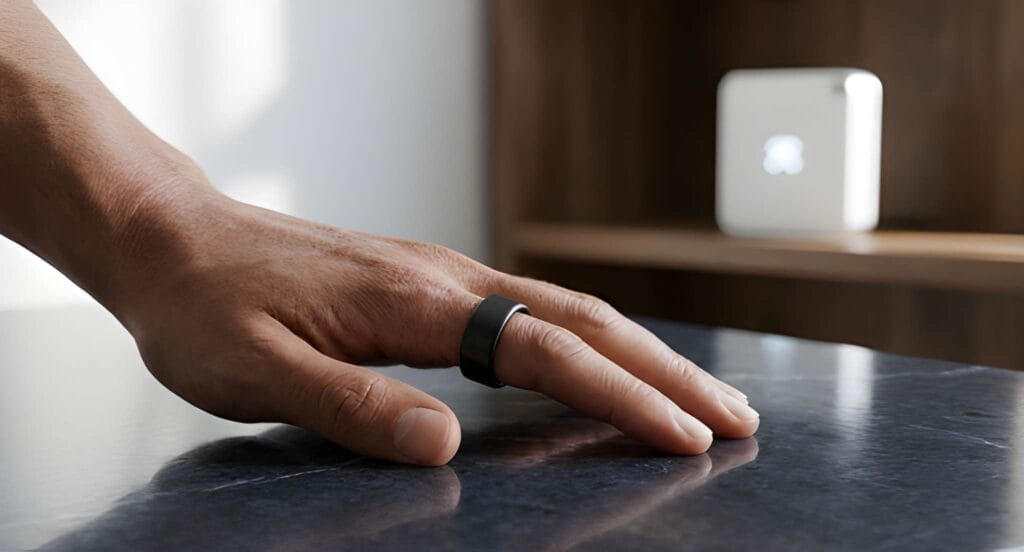
Ultrahuman Ring AIR vs Ring PRO is a choice between the lighter, lower-cost established model and the newer premium ring with longer stated battery life, more onboard storage, and a redesigned charging system.
Ring AIR remains the lighter and more affordable option for sleep, movement, temperature, HRV, and recovery tracking. Ring PRO adds much longer stated battery life, substantially more onboard storage, a redesigned charging case, upgraded processing, and new durability features—but it costs more and is heavier on the finger.
Affiliate disclosure: MindReset.org may earn a commission if you buy through our links. This does not increase your price and does not affect our editorial judgment.
This comparison explains what has actually changed, what remains similar, which hidden costs matter, and whether Ring PRO is worth choosing over Ring AIR.
Research note: We have not personally tested Ring PRO or every part of the current Ultrahuman ecosystem. This research-based comparison uses current official specifications, product documentation, pricing pages, public announcements, buyer information, and comparison with Ring AIR.
Health note: Ultrahuman rings are consumer wellness wearables. They are not substitutes for medical assessment and should not be used to diagnose, treat, prevent, or manage sleep disorders, anxiety, burnout, cardiovascular conditions, hormonal conditions, fertility problems, or other medical concerns.
We could compare published prices, materials, battery claims, charging systems, storage, sensors, app features, regional availability, and subscription structure. We could not independently verify real-world accuracy, long-term comfort, battery degradation, app stability, customer support quality, cycle predictions, or performance after months of daily use. Prices, shipping dates, features, warranties, PowerPlug terms, and regional availability may change.
Quick Verdict: Ultrahuman Ring AIR vs Ring PRO
Ring AIR is the better-value choice for most buyers. It tracks the core metrics people usually want from an Ultrahuman ring, weighs less, costs less, offers more colour choices, and does not require a mandatory subscription to access core data.
Ring PRO is the better choice for frequent travellers and buyers who dislike regular charging. Its biggest advantages are the stated battery life of up to 15 days, up to 250 days of onboard data storage, the PRO Charging Case, a newer processor, and a redesigned heart-rate sensing system.
Ring PRO does not automatically provide a completely different wellness experience. Both rings use the Ultrahuman app and cover similar categories such as sleep, heart rate, HRV, skin temperature, movement, and recovery trends.
Choose Ring PRO if: battery life, travel, offline storage, the charging case, and newer hardware justify the higher price.
Choose Ring AIR if: you want the established, lighter, lower-cost model and can tolerate charging every few days.
Skip both if: you need medical answers, built-in smartwatch features, detailed workout screens, or know that daily recovery scores make you more anxious rather than more informed.
Ultrahuman Ring PRO vs Ring AIR Comparison Table
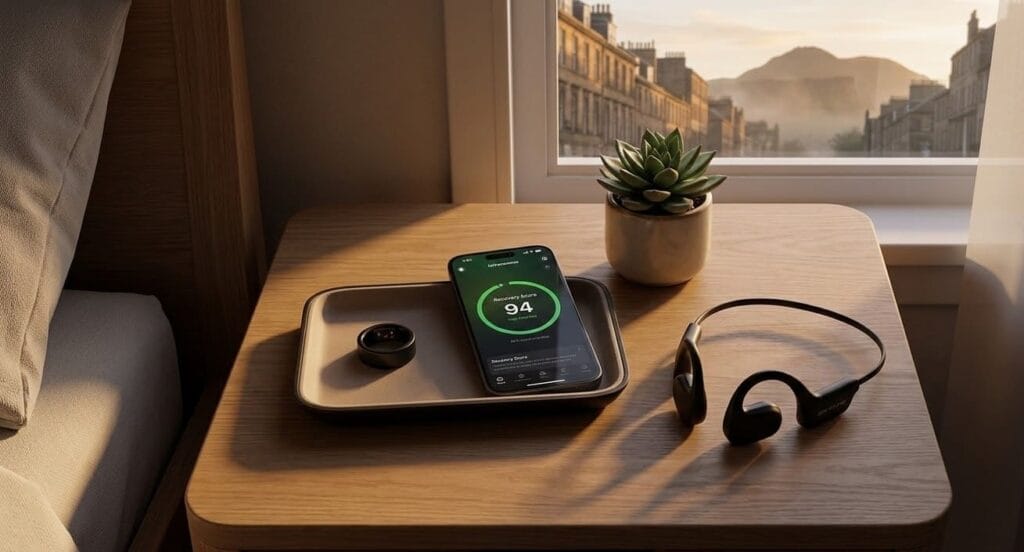
| Feature | Ultrahuman Ring PRO | Ultrahuman Ring AIR |
|---|---|---|
| Current US price | $479 | $349 |
| Best for | Long battery life, travel, offline storage, newest hardware | Lower cost, lighter wear, established daily tracking |
| Stated battery life | Up to 15 days; approximately 12 days in Turbo Mode | Approximately 4–6 days |
| Charging | Magnetic PRO Charging Case with USB-C and Qi charging | Open wireless charging pad with USB-C |
| Additional case power | Up to 45 days | Not available |
| On-ring storage | Up to 250 days | Approximately 4 days |
| Weight | Approximately 3.3–4.8 g | Approximately 2.4–3.6 g, depending on size |
| Thickness | Approximately 2.65 mm, depending on size | Approximately 2.45–2.8 mm, depending on size |
| Sizes | 5–14, no half sizes | 5–14, no half sizes |
| Colours | Four current options | Six current options |
| Processor | Dual-core with on-chip machine learning | Single-core |
| Heart-rate sensor | Redesigned PPG architecture | Standard PPG architecture |
| Core data subscription | No mandatory subscription | No mandatory subscription |
| Current US purchase status | Pre-order with future shipping date | Available to order |
Pricing note: These are current US price snapshots, not permanent prices. Confirm the final price, estimated shipping date, taxes, returns, and included charger before ordering.
What Are the Biggest Differences?
The most important differences are not the app scores or marketing language. They are the battery, charger, storage, weight, processor, and purchase terms.
- Ring PRO lasts much longer between charges according to current manufacturer testing.
- Ring PRO stores far more data without syncing, making it more useful for travel and periods away from a phone.
- Ring AIR is lighter and thinner, which may matter more than battery life during sleep.
- Ring AIR costs $130 less at current US list prices.
- Ring PRO uses a portable case, while Ring AIR uses a separate charging pad.
- Ring PRO is newer and less proven in everyday ownership, while Ring AIR has a longer public track record.
The underlying buyer decision is simple: Ring PRO asks you to pay more for continuity, storage, and newer hardware. Ring AIR gives you the core Ultrahuman experience in a lighter and less expensive ring.
Ultrahuman Ring PRO: Who Should Buy It?
Best for: frequent travellers, endurance users, buyers who repeatedly forget to charge wearables, and early adopters who want the newest Ultrahuman hardware
Ring PRO is Ultrahuman’s premium model. Its strongest feature is not a new score or wellness claim. It is the attempt to remove the main ownership problem associated with smart rings: frequent charging and data gaps.
The company lists up to 15 days of battery life in Chill Mode and approximately 12 days in Turbo Mode. Real-world battery life will depend on settings, syncing, temperature, signal quality, battery age, and usage patterns, so the maximum figure should not be treated as guaranteed.
The ring can store up to 250 days of data before syncing. The PRO Charging Case extends the charging setup further, with its own stored power, Qi charging, an LED indicator, haptic feedback, an integrated speaker, and a Find My Case feature.
Ring PRO also uses a titanium unibody design, a dual-core processor, BLE 5.3 connectivity, a redesigned heart-rate sensor, and ProRelease Technology intended to make the ring easier to cut apart if finger swelling or injury creates an emergency.
These are meaningful hardware improvements. They do not prove that Ring PRO provides medical-grade accuracy, diagnoses poor recovery, identifies anxiety, or knows whether you should train, rest, or change treatment.
Buy if: you value long battery life and travel convenience more than low weight and lower cost.
Avoid if: you want the lightest possible ring, need an immediate purchase, or expect the new model to transform the meaning of every sleep and recovery score.
MindReset verdict: a strong hardware upgrade for the right buyer, but not an essential upgrade for every Ring AIR owner.
Ultrahuman Ring AIR: Who Should Buy It?
Best for: buyers who want a lighter smart ring, lower upfront cost, established hardware, and no mandatory monthly fee for core data
Ring AIR remains the practical starting point in the Ultrahuman ecosystem. It tracks sleep, heart rate, HRV, skin temperature, movement, SpO₂-related signals, and recovery trends through a small ring without a display.
Its main physical advantage is weight. Depending on size, Ring AIR weighs approximately 2.4–3.6 grams and is thinner than Ring PRO. That difference may appear small on paper but can matter for overnight comfort, finger fit, and how noticeable the device feels during daily wear.
The main compromise is battery life. Ultrahuman currently lists approximately 4–6 days under standard use, followed by a charging process that can take around three hours from empty.
Ring AIR also has less onboard storage and uses an open charging pad rather than the portable PRO case. For ordinary home use, those limits may be acceptable. For long trips or inconsistent charging habits, they may become frustrating.
For a deeper analysis of the established model, read our research-based Ultrahuman Ring AIR review.
Buy if: you want most of the Ultrahuman tracking experience for less money and prefer the lighter form factor.
Avoid if: charging every few days is already a deal-breaker or you regularly spend long periods away from your phone and charger.
MindReset verdict: still the better-value choice for most new buyers.
What Should US Buyers Know?
As of this review, the official US Ring PRO page accepts pre-orders at $479 and lists shipping from August 15, 2026 onward. Ring AIR is listed separately at $349.
This makes the decision partly about timing. Ring AIR is the established choice for buyers who want a ring now. Ring PRO may suit buyers willing to wait for the newer hardware and accept the uncertainty that comes with a recently launched model.
The current Ring PRO page also states that its 30-night trial applies to Ring AIR only. That is a meaningful difference for a product where comfort, sizing, sleep wear, and app experience are difficult to judge from specifications alone.
Before ordering, confirm:
- current shipping date;
- whether the charger is included;
- trial and return eligibility;
- warranty duration;
- HSA/FSA eligibility;
- trade-in terms;
- which optional PowerPlugs require payment.
See the current official US Ring PRO comparison page before making a final decision.
Battery Life and Charging
Battery life is the clearest reason to consider Ring PRO.
Ring AIR users need to build charging into the week. Because smart rings are most useful during sleep, forgetting to charge during the day can create missing nights and incomplete trends.
Ring PRO reduces that problem. Its longer stated runtime and charging case should make travel and continuous tracking easier. The case can also store ring data, help locate the charger, and provide visual or haptic feedback.
However, battery marketing always represents favourable test conditions. Neither product has a user-replaceable battery, and both will experience some battery degradation over time.
Ultrahuman’s own Ring AIR documentation says gradual battery decline can be expected after one to two years and that battery-related replacement may not be covered after warranty. Ring PRO is too new for independent long-term degradation patterns to be established.
Do Ring PRO and Ring AIR Track Different Health Metrics?
The difference is smaller than the hardware marketing may suggest.
Both rings are designed around similar wellness categories:
- sleep duration and sleep stages;
- resting heart rate;
- heart rate variability;
- skin temperature trends;
- movement and steps;
- recovery-related scores;
- circadian and stimulant-timing guidance;
- optional PowerPlug features.
Ring PRO’s redesigned PPG architecture and newer processor may improve signal handling, particularly during sleep and recovery tracking, but manufacturer language about “improved signal quality” is not the same as independent proof that every metric is substantially more accurate.
Neither ring should be used to decide whether a medical symptom is serious, alter medication, diagnose sleep apnea, confirm a hormonal disorder, or replace professional testing.
Can the Rings Tell You When to Train or Rest?
The Ultrahuman app presents sleep, movement, temperature, heart rate, and HRV patterns through scores and recommendations. These can help users notice repeated patterns, but the scores remain estimates produced from wearable data.
A low recovery score may encourage a lighter day. It does not prove that the prefrontal cortex is exhausted, that the autonomic nervous system is damaged, or that intense activity would be unsafe.
The best use is trend awareness:
- Did sleep duration repeatedly fall after late caffeine?
- Did resting heart rate change during illness or travel?
- Does a consistent bedtime correlate with better scores?
- Are workouts repeatedly associated with discomfort or disrupted sleep?
Use scores as prompts for observation, not as automatic commands.
Comfort, Sizing, and Workouts
Ring AIR and Ring PRO use Ultrahuman-specific sizes from 5 to 14 and do not offer half sizes. A normal jewellery size should not be assumed to match.
Use the sizing kit and wear the sample ring overnight before confirming the final size. Finger size can change with temperature, exercise, travel, salt intake, pregnancy, and weight change.
Ring PRO is heavier and slightly thicker. Buyers who are sensitive to jewellery during sleep may prefer Ring AIR even if they like the PRO battery claims.
Rigid rings can also be uncomfortable or unsafe during heavy lifting. Ultrahuman advises Ring AIR owners to avoid intense weight training and heavy metal objects while wearing the ring. The same practical caution makes sense with Ring PRO.
Remove the ring when grip pressure, swelling, machinery, or heavy equipment creates a risk.
Women’s Health and Cycle Tracking
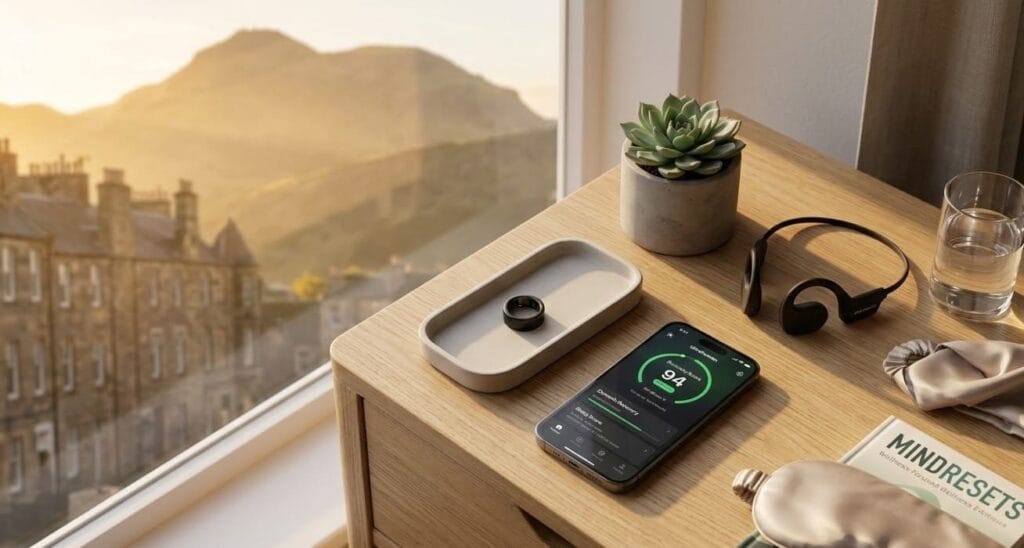
The Ultrahuman ecosystem offers cycle and fertility-related features that use biomarker trends such as skin temperature, resting heart rate, and HRV.
These features may help users record patterns and generate estimates. They should not be presented as exact hormonal measurements, guaranteed ovulation confirmation, contraception, fertility treatment, or a diagnosis of irregular cycles.
Some cycle features, Clue integrations, or advanced PowerPlugs may involve separate terms or paid access. Confirm which features are included with the ring before buying.
Ring fit also deserves attention during pregnancy or major weight change. UltrahumanX currently advertises certain size-replacement benefits for eligible Ring AIR users, but coverage, region, and membership conditions may change.
Is Jade AI Exclusive to Ring PRO?
No. Jade is positioned as an Ultrahuman platform feature available across the wider ecosystem rather than a benefit limited only to Ring PRO.
That means buyers should not choose Ring PRO solely because the product page promotes AI-based interpretation. Ring AIR users may also receive Jade-supported features, depending on rollout, region, account, and current app terms.
AI-generated wellness interpretation should also be treated cautiously. It can summarise trends or make data easier to explore, but it does not turn wearable estimates into diagnoses or qualified medical advice.
Do You Need Ultrahuman Home?
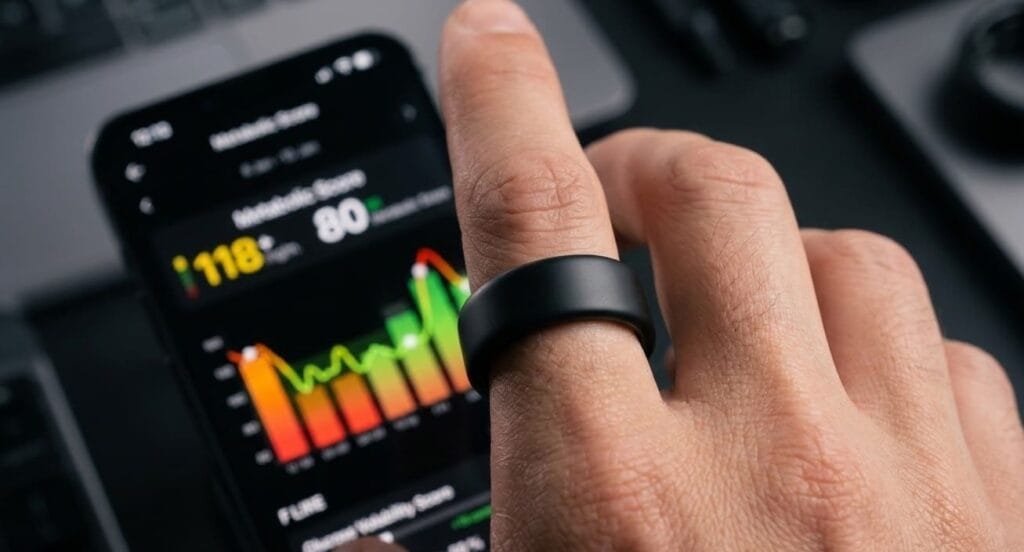
Ultrahuman Home is a separate environmental monitor. It tracks factors such as light, temperature, humidity, noise, and air-quality markers, then connects those readings with the broader Ultrahuman app.
The useful buyer case is environmental troubleshooting. For example, it may help show that a bedroom becomes noisy, bright, warm, or poorly ventilated at certain times.
It does not create a “space for therapy,” heal the home, or prove that one environmental reading caused a poor recovery score.
Most buyers should start with the ring alone. Consider Home only when you have a clear reason to track environmental conditions and are willing to pay for another device in the same ecosystem.
Hidden Costs and Optional Subscriptions
Ultrahuman does not currently require a mandatory subscription to access core Ring AIR or Ring PRO data. That is one of the ecosystem’s strongest buyer advantages.
However, “no mandatory subscription” does not mean every feature and service is free.
- UltrahumanX: optional protection and support membership.
- Paid PowerPlugs: some specialised fitness, cycle, or partner features may carry monthly or annual fees.
- Clue Plus: advanced cycle features may involve a separate subscription or bundle.
- Ultrahuman Home: separate hardware purchase.
- Battery replacement: the batteries are not user-replaceable.
- Loss or wrong sizing: may require paid replacement unless covered by an eligible plan.
- Premium finishes: some Ring AIR colours may cost more.
Review the checkout page carefully instead of assuming the initial ring price represents the full long-term ownership cost.
Should Existing Ring AIR Owners Upgrade?
Most satisfied Ring AIR owners do not need to upgrade immediately.
Upgrade makes the most sense when:
- Ring AIR battery life has become a persistent frustration;
- you regularly travel without convenient charging;
- you need substantially more offline data storage;
- you strongly prefer the PRO Charging Case;
- your existing ring is already approaching replacement age.
Do not upgrade solely because Ring PRO is described as more intelligent or more advanced. The app categories and day-to-day wellness purpose remain broadly similar.
Who Should Avoid Both Rings?
Neither model is a strong fit if you:
- need medical-grade monitoring or diagnostic answers;
- want a display, maps, messages, or smartwatch controls;
- mainly train with heavy barbells, kettlebells, or metal equipment;
- cannot tolerate rings during sleep;
- are likely to obsess over daily scores;
- will not consistently wear and charge the device;
- expect a wearable to solve fatigue, poor sleep, stress, or health symptoms.
What We Could Verify
- Ring PRO is currently listed at $479 and Ring AIR at $349 on the official US comparison page.
- Ring PRO is listed with up to 15 days of battery life and up to 45 days through the PRO Charging Case.
- Ring AIR is listed with approximately 4–6 days of battery life.
- Ring PRO is heavier and slightly thicker than Ring AIR.
- Ring PRO stores up to 250 days of data on the ring, while Ring AIR stores substantially less.
- Both models are sold without a mandatory subscription for access to core ring data.
- Ring PRO includes a newer processor, redesigned PPG architecture, magnetic charging, and ProRelease Technology.
- Women’s health features use temperature, HRV, and resting-heart-rate trends.
- Ultrahuman Home is a separate device for environmental monitoring.
What We Could Not Verify
- real-world Ring PRO battery life across different users and settings;
- whether the redesigned sensors produce meaningfully better accuracy in everyday use;
- long-term Ring PRO battery degradation or charging-case durability;
- comfort during months of overnight wear;
- customer support and replacement experience after launch;
- the reliability of every sleep stage, recovery score, stress estimate, or cycle prediction;
- whether either ring will improve sleep, productivity, recovery, or health for a specific buyer.
Final Verdict: Is Ring PRO Worth More Than Ring AIR?
Ring PRO is worth the higher price when its hardware improvements solve a real ownership problem. The longer battery life, offline storage, portable charging case, newer processor, and redesigned sensor architecture make it the stronger travel and continuity option.
Ring AIR remains the smarter purchase for most buyers. It is lighter, cheaper, available in more finishes, and provides the core Ultrahuman sleep, temperature, movement, HRV, and recovery experience without a mandatory monthly fee.
Best overall value: Ultrahuman Ring AIR.
Best for battery life and travel: Ultrahuman Ring PRO.
Best for existing Ring AIR owners: keep the AIR unless charging, battery degradation, or travel storage has become a genuine problem.
Buy based on the difference you will notice every week—not because one model promises a more impressive version of your biology.
FAQ
Is Ultrahuman Ring PRO better than Ring AIR?
Ring PRO has better stated battery life, more onboard storage, a newer processor, a redesigned sensor system, and a portable charging case. Ring AIR is lighter, cheaper, and still covers the main sleep, movement, temperature, HRV, and recovery features.
How long does the Ring PRO battery last?
Ultrahuman currently states up to 15 days in Chill Mode and approximately 12 days in Turbo Mode. Actual battery life may vary with settings, usage, environment, syncing, and battery age.
How long does Ring AIR last?
The official stated range is approximately 4–6 days under standard use. Battery performance can decline gradually as the non-replaceable battery ages.
Does Ring PRO require a subscription?
No mandatory subscription is currently required to access core Ring PRO data. Optional protection plans, integrations, and paid PowerPlugs may create additional costs.
Does Ring AIR require a subscription?
No mandatory subscription is currently required for core Ring AIR data. Some optional ecosystem features and partner services may be paid.
Is Ring PRO available in the United States?
Yes. The official US page currently accepts pre-orders. At the time of this review, it listed shipping from August 15, 2026 onward. Confirm the current date before ordering.
Are Ring PRO and Ring AIR the same size?
Both use Ultrahuman sizes 5–14, and Ultrahuman states that an existing Ring AIR size should also fit Ring PRO. Use the supplied sizing kit because Ultrahuman sizing may differ from ordinary jewellery sizes.
Can Ultrahuman rings diagnose sleep or heart problems?
No. They are consumer wellness wearables and should not replace medical testing, professional assessment, or treatment decisions.
Should I upgrade from Ring AIR to Ring PRO?
Upgrade if longer battery life, travel storage, the PRO Charging Case, or newer hardware solves a clear problem. Otherwise, Ring AIR continues to provide the main Ultrahuman tracking experience.