Table of Contents
A quieter bedroom is not built by buying every sleep gadget. It starts with one practical question: what sound is actually waking you up?
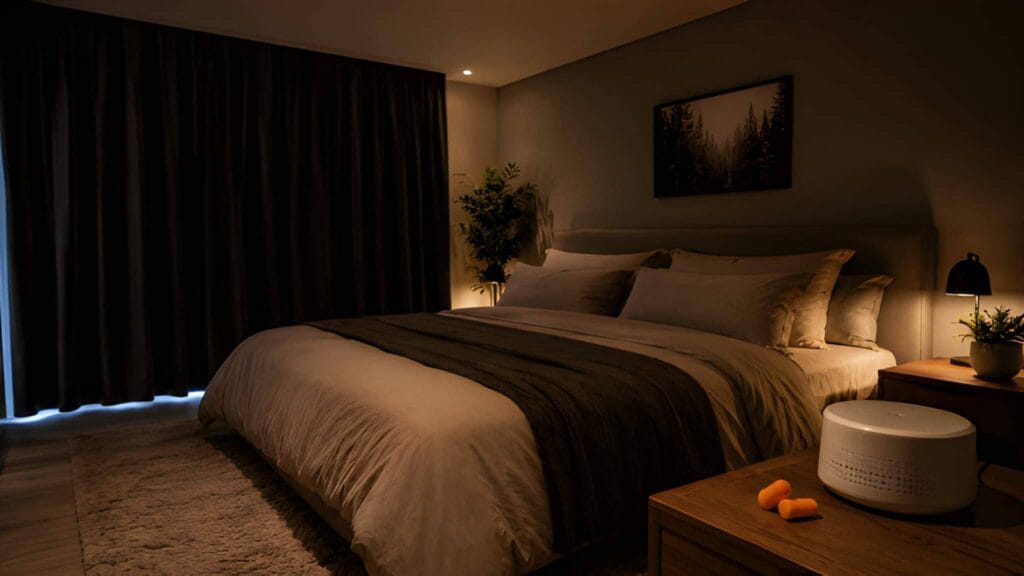
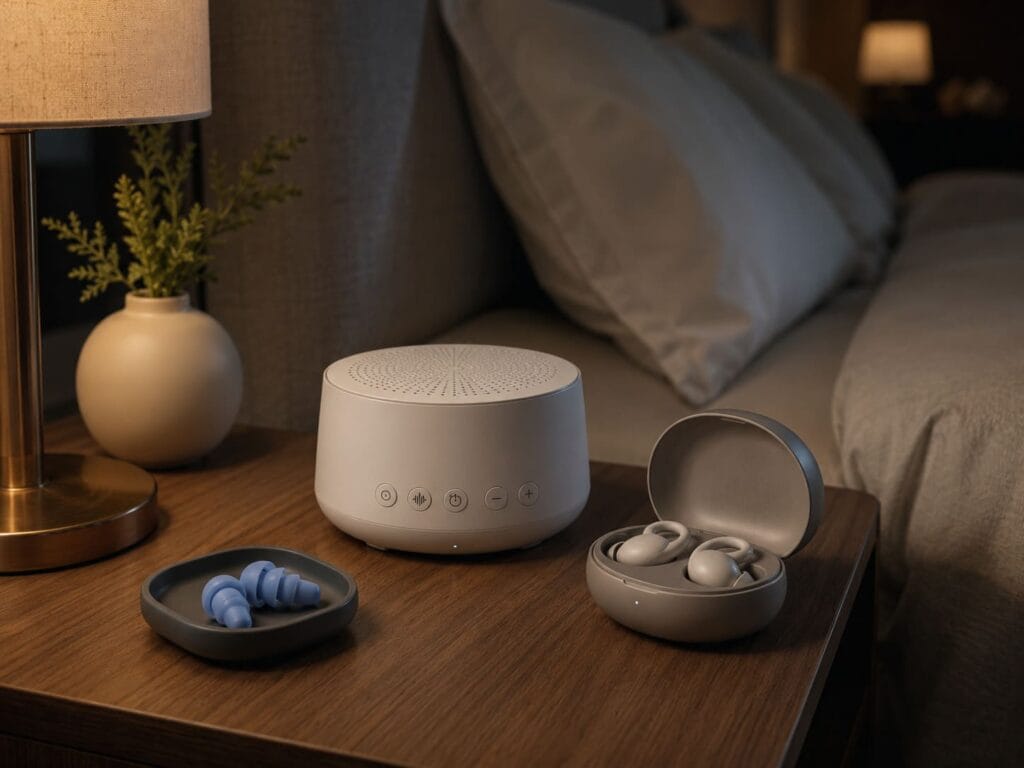
Traffic, neighbours, partner snoring, hallway noise, pets, late-night appliances, and sudden household sounds need different fixes. Earplugs block sound. White noise masks sound. Sleepbuds create a personal sound layer. Heavy curtains, rugs, and door seals can reduce some of the sound entering or bouncing around the room.
This guide is a practical buyer guide to sleep architecture tools for bedroom noise. We will compare earplugs, white noise machines, sleepbuds, acoustic curtains, door gap fixes, window noise solutions, and the products that are better to skip.
MindReset.org may earn a commission if you buy through some links on this page. This may include direct brand partner links, retailer links, and Amazon affiliate links. This does not increase your price and does not affect our editorial judgment.
As an Amazon Associate, we earn from qualifying purchases.
Research note: We have not personally tested every product in this guide. This article is based on product specifications, public documentation, available research, user feedback, and comparison with similar bedroom noise-control tools.
Sleep note: Bedroom noise tools may support a better sleep environment, but they do not treat insomnia, anxiety, sleep apnea, tinnitus, depression, or any medical condition. If sleep problems continue, or if snoring is severe or linked with breathing pauses, speak with a qualified healthcare professional.
Quick Verdict: What Actually Helps With Bedroom Noise?
Start cheap and practical.
If noise is the problem, try foam or reusable earplugs first. If sudden sounds wake you up, a white noise machine may work better than silence. If you share a bedroom or need personal masking, sleepbuds may be worth considering. Before buying premium devices, also check passive fixes: heavy curtains, rugs, soft furnishings, door gaps, and window noise.
The wrong move is buying a premium sleep gadget before identifying the noise source. A sleepbud will not fix a rattling window. A white noise machine will not block every snore. A rug will not solve loud traffic by itself.
A quieter bedroom is built in layers: block what you can, mask what you cannot, and keep the setup simple enough to use every night. Public sleep guidance also supports the basics: a quiet, relaxing, and cool bedroom matters before expensive sleep gadgets.
Sleep Architecture for Noise: What Does It Mean?
For this guide, sleep architecture does not mean turning your room into a lab. It means designing the bedroom so sound does not keep pulling you back into alert mode at night.
Noise is not only about volume. A steady low sound may bother one person less than sudden changes: a car door, a neighbour’s step, a dog barking, a partner shifting, or a heating system clicking on. That is why the right tool depends on the sound pattern.
Think of bedroom noise control in three layers:
- Block sound close to your ears.
- Mask sound with a steady background.
- Reduce sound entering or bouncing around the room.
Earplugs and sleepbuds work close to the ears. White noise machines mask sound in the room. Heavy curtains, rugs, upholstered furniture, door seals, and soft materials help with the room itself.
The best setup may use one layer or combine two. Most people do not need everything.
Start With the Noise Source: Street, Neighbours, Partner, or Room Echo?
Before buying anything, identify the source.
Street noise usually comes through windows. Neighbour noise may come through walls, ceilings, floors, or hallway doors. Partner snoring happens inside the room. Room echo is different again: the space itself feels hard, empty, and reflective.
Each problem needs a different first move.
| Noise Problem | First Buy | Better Option | Skip If |
|---|---|---|---|
| Street noise | Foam earplugs | White noise + heavy curtains | You sleep better in silence |
| Neighbours | Reusable earplugs | Sleepbuds | Earbuds hurt your ears |
| Partner snoring | Earplugs | Sleepbuds / masking sound | Snoring may need medical attention |
| Sudden sounds | White noise machine | Dedicated sound machine | Constant sound annoys you |
| Echo in the room | Rug / soft textiles | Acoustic curtains | Room already feels quiet |
| Door gap noise | Door draft stopper | Door seal kit | Noise comes mainly from windows |
| Window noise | Heavy curtains | Secondary glazing / acoustic curtain layer | You cannot modify the room |
This table matters because many people buy the wrong tool. They buy sleepbuds when the real issue is a door gap. They buy a white noise machine when they hate background sound. They buy decorative curtains when they need heavier light and sound control.
Start with the source. Then choose the tool.
Earplugs: The Cheapest First Test for a Quieter Bedroom

Earplugs are usually the best first test because they are cheap, simple, and easy to compare.
Foam earplugs are good for strong basic sound reduction. They can be useful for traffic, neighbours, travel, and occasional noise problems. The downside is comfort. Some people dislike pressure in the ear canal, especially for side sleeping.
Reusable silicone earplugs may feel more comfortable for some users. They are often easier to clean, less wasteful than foam, and better for people who want a repeat-use option.
Loop-style earplugs sit between everyday ear protection and sleep support. They may be useful if you want reusable earplugs with a cleaner design, but they are not automatically stronger than foam.
Best for:
- traffic
- neighbours
- shared homes
- travel
- occasional noise
- people testing noise control cheaply
Skip if:
- anything in your ears bothers you
- earplugs fall out at night
- you need sound masking, not just sound reduction
- your issue is mostly vibration or low-frequency rumble
Reusable Earplugs vs Foam Earplugs: Which Should You Buy?

Foam earplugs are the simple starting point. They are cheap and widely available. They also let you test whether blocking sound close to your ears helps before spending more money.
Reusable earplugs are better if you want less waste, a more consistent fit, or a design that feels easier to use nightly. They may also look and feel less disposable, which matters if you are building a repeatable bedroom routine.
The best choice depends on comfort. If foam earplugs work and do not irritate your ears, there may be no reason to upgrade. If foam feels too rough, too deep, or too inconsistent, reusable earplugs are worth comparing.
A practical rule: test foam first, then upgrade only if you know ear-level sound reduction helps.
White Noise Machines: When Masking Noise Works Better Than Blocking It

White noise machines do not block sound. They mask sound.
That means they create a steady background layer that can make sudden noises less noticeable. This may help with traffic changes, neighbour sounds, hallway noise, or a house that feels too quiet and reactive at night.
White noise is not for everyone. Some people find steady sound calming. Others find it annoying. That is why it is smarter to test the idea before buying an expensive machine.
A dedicated white noise machine is useful because it keeps your phone out of the bedroom. Phone apps can work, but they also keep the phone close to the bed, which creates a different problem.
Best for:
- sudden sounds
- quiet rooms where every noise stands out
- apartment living
- hallway noise
- light traffic changes
- people who dislike total silence
Skip if:
- constant sound irritates you
- earplugs already solve the problem
- you will use your phone and end up scrolling
- the noise is extremely loud or low-frequency
Sound Oasis S-680 and Dedicated Sound Machines

Sound Oasis-style devices fit this category because they are built for ambient sound, sound masking, and sleep routines. They can be useful if you want a simple bedside device that does one job instead of another app.
The key question is whether sound masking helps your specific room. A dedicated machine is not automatically better than a fan, app, or basic white noise device. It becomes useful when you want more sound options, consistent playback, and a bedroom tool that does not pull you into notifications.
Best for:
- people who like steady background sound
- rooms with unpredictable noise
- phone-free sleep routines
- anyone who wants sound masking without earbuds
Skip if:
- you need strong sound blocking
- you dislike background sound
- you already use a fan successfully
- you only want silence
Sleepbuds: Premium Noise Masking for Shared Bedrooms

Sleepbuds are the premium option for bedroom noise. They are most useful when you need personal sound masking close to the ears, especially in a shared room.
Products like Soundcore Sleep-style or Ozlo-style sleepbuds can make sense if earplugs are uncomfortable or not enough, and if a white noise machine would disturb someone else in the room.
But sleepbuds are not the first step for everyone. They cost more, need charging, and must feel comfortable for side sleeping. Some people also dislike sleeping with earbuds in.
Before buying sleepbuds, ask:
- Do earplugs help but feel uncomfortable?
- Does white noise help but bother your partner?
- Do you need personal sound masking?
- Can you sleep comfortably with earbuds?
- Are you okay charging another device?
Best for:
- shared bedrooms
- partner snoring
- apartment noise
- personal sound masking
- people who dislike room-wide white noise
Skip if:
- you hate earbuds
- you sleep mainly on your side and feel pressure
- basic earplugs already solve the issue
- you do not want another app or charging case
Acoustic Curtains, Rugs, and Soft Furnishings: Passive Noise Control
Not every noise fix goes in your ears. Sometimes the room itself needs softening.
Hard rooms reflect sound. Bare floors, empty walls, thin curtains, and minimal furniture can make noise feel sharper. Adding soft materials can reduce echo and make the bedroom feel less harsh.
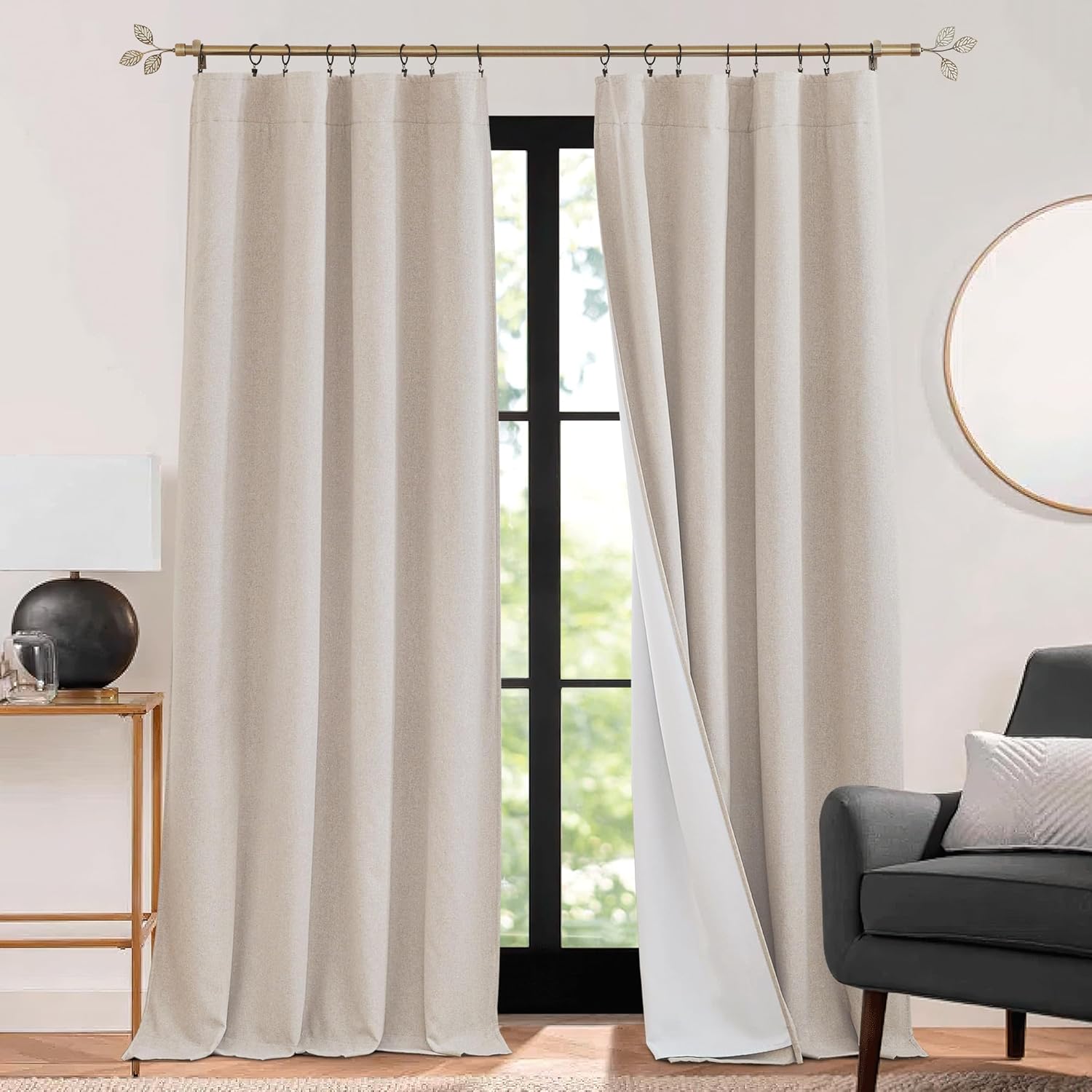
Heavy curtains can help with window light and may also soften some sound. Rugs can reduce floor echo. Upholstered headboards, fabric furniture, and thicker bedding can reduce the hard reflective feel of a room.
This is not professional soundproofing. Do not expect curtains or rugs to block loud traffic completely. But passive changes can make the bedroom feel quieter and less reactive.
Best for:
- echoey bedrooms
- bare floors
- hard surfaces
- light outside noise
- rooms that feel sharp or empty
Skip if:
- your main issue is very loud outdoor noise
- you expect full soundproofing
- you need a quick ear-level fix tonight

Door Gaps, Windows, and Small Acoustic Fixes People Forget

Small gaps can create big noise problems.
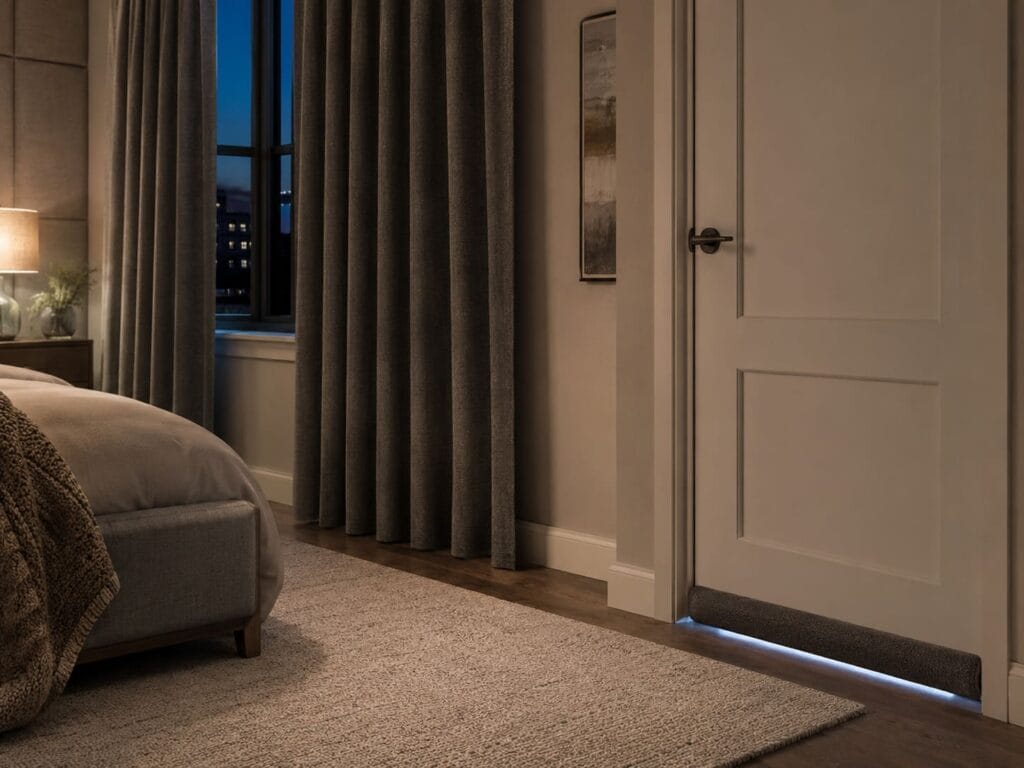
A gap under the door can bring in hallway noise, kitchen noise, TV sound, or household movement. A simple door draft stopper or door seal can sometimes make the room feel more contained.
Windows are another weak point. If most noise comes from outside, a white noise machine may help mask it, but passive window support also matters. Heavy curtains, better seals, or secondary glazing can make more sense than buying more gadgets.
Also check small sources inside the room:
- ticking clocks
- buzzing chargers
- noisy air purifiers
- rattling windows
- loose vents
- humming electronics
- heating systems
- creaking furniture
A quieter bedroom is not only about adding products. Sometimes it is about removing small irritations.
Best for:
- hallway noise
- door gaps
- window drafts
- rattling or buzzing sounds
- small repeat noises
Skip if:
- your noise issue is mainly inside your ears or partner snoring
- you cannot modify the room
- you need a portable travel solution

Partner Snoring: What Helps, What Does Not, and What to Be Careful With
Partner snoring is one of the hardest bedroom noise problems because the sound source is inside the room.
Earplugs may help. White noise may mask some of the sound. Sleepbuds may be worth considering if you need personal sound masking. But be realistic: no consumer sleep gadget can guarantee that snoring will disappear from your awareness.
Also, loud or frequent snoring can sometimes be linked to health issues. This guide is not medical advice, and it does not diagnose sleep apnea or breathing problems. If snoring is severe, irregular, or linked with pauses in breathing, choking sounds, or severe daytime fatigue, it is worth speaking with a qualified healthcare professional.
For the buying decision, treat snoring as a sound-management problem, not something you can always solve with one gadget.
Best for:
- shared bedrooms
- moderate snoring noise
- people who need personal masking
- people who cannot use room-wide white noise
Skip if:
- the snoring may need medical attention
- earbuds feel uncomfortable
- you expect total silence from one product
What to Skip: Noise Gadgets That Usually Overpromise
Some bedroom noise tools are useful. Others overpromise.
Skip gadgets that claim perfect sleep, total soundproofing, or deep recovery without explaining what problem they solve. Be careful with products that sound advanced but only duplicate what a basic earplug or white noise machine already does.
Also skip products that do not belong in a noise-control setup. A weighted blanket, sleep tracker, humidifier, or mattress topper may be useful in other contexts, but they are not core tools for bedroom noise.
This page is about sound. Keep the setup focused.
Skip first:
- vague “sleep tech” that does not solve noise
- pillow speakers if white noise already works
- expensive earbuds before testing earplugs
- decorative curtains sold as soundproof curtains
- phone apps that keep your phone beside the bed
- products that duplicate tools you already own
- anything promising perfect sleep or medical-level results
The best noise setup is simple: reduce sound, mask sound, or fix the weak point where sound enters.
What We Could Verify
We could verify the practical buyer logic behind the main noise-control categories:
- earplugs reduce sound close to the ears
- reusable earplugs can be a longer-term alternative to foam
- white noise machines mask sudden background sounds
- sleepbuds provide personal sound masking
- heavy curtains, rugs, and soft materials can reduce some room echo
- door draft stoppers and seals can help with hallway sound leaks
- window-focused fixes matter when noise comes from outside
We also could not verify long-term ear comfort, battery degradation, app stability, durability, customer support quality, return experience, current Amazon availability, current pricing, or real-world performance over months of nightly use.
What We Could Not Verify
We could not verify whether any specific product will solve every bedroom noise problem. Sound is highly personal, and rooms vary.
We also could not verify long-term ear comfort, battery degradation, app stability, durability, customer support quality, return experience, or real-world performance over months of nightly use.
We cannot verify that any noise-control product will treat insomnia, anxiety, sleep apnea, depression, PTSD, ADHD, or any medical condition. If sleep problems continue, or if snoring is severe or linked with breathing concerns, speak with a qualified healthcare professional.
FAQ: Sleep Architecture Tools for Noise
What is the best first tool for bedroom noise?
Foam earplugs are usually the best first test because they are cheap and simple. If they help but feel uncomfortable, compare reusable earplugs or sleepbuds.
Are sleepbuds better than earplugs?
Not always. Sleepbuds are better for personal sound masking, especially in shared bedrooms. Earplugs are cheaper and simpler for direct noise reduction.
Is white noise better than silence?
For some people, yes. White noise can make sudden sounds less noticeable. But if constant sound annoys you, earplugs may be a better option.
Do acoustic curtains really block noise?
Heavy curtains can soften some sound and reduce echo, but they are not the same as professional soundproofing. They work best as part of a layered setup.
What helps with hallway noise?
Check the door gap first. A door draft stopper or seal may help reduce sound from hallways, shared houses, or nearby rooms.
What helps with partner snoring?
Earplugs, white noise, or sleepbuds may help manage the sound. Severe or irregular snoring may need medical attention, especially if it includes breathing pauses or serious daytime fatigue.
Should I use my phone as a white noise machine?
You can, but it keeps the phone near the bed. A dedicated white noise machine is better if you are trying to keep the bedroom phone-free.
Final Verdict: Fix the Noise Source First
The best sleep architecture tool is the one that matches the sound problem.
If the room is loud because of traffic, start with earplugs and passive fixes like heavy curtains. If sudden sounds wake you up, try a white noise machine. If you share a bedroom and need a personal sound layer, sleepbuds may be worth comparing. If the noise comes through a door gap or window, fix the physical weak point before buying another gadget.
Skip products that promise perfect sleep, duplicate tools you already own, or ignore the real noise source.
A quieter bedroom is built in layers: block what you can, mask what you cannot, and keep the setup simple enough to use every night.
Key things to remember:
- Identify the noise source before buying.
- Start with foam or reusable earplugs.
- Use white noise for sudden or unpredictable background sounds.
- Consider sleepbuds only when you need personal sound masking.
- Use heavy curtains, rugs, and soft materials to reduce room harshness.
- Check door gaps and window noise before buying more gadgets.
- Be careful with severe partner snoring; it may need medical attention.
- Skip products that do not solve a real noise problem.