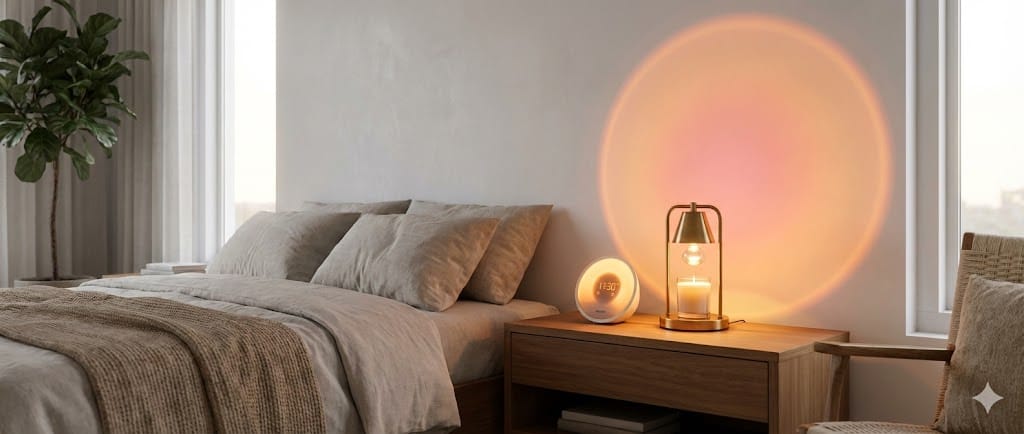
Table of Contents
The Problem: Harsh Alarms, Dark Rooms, and Abrupt Mornings and light therapy tools
Waking up suddenly to a loud alarm in a dark room can feel rough, especially if you are already sleep-deprived, stressed, or sensitive to noise. A gentler morning setup will not treat anxiety, panic attacks, insomnia, or any medical condition, but it may make the first few minutes of the day feel less jarring.
This guide looks at three simple light therapy tools for a calmer bedroom routine: a sunrise alarm clock, a warm evening sunset lamp, and a candle warmer lamp.
Affiliate disclosure: MindReset.org may earn a commission if you buy through our links. This does not increase your price and does not affect our editorial judgment.
Amazon disclosure: As an Amazon Associate, we earn from qualifying purchases.
Research note: We have not personally tested every product in this guide. This article is based on product specifications, public information, buyer-use logic, and comparison with similar bedroom light and sleep-routine tools.
Sleep note: Light-based bedroom tools may support a calmer sleep environment, but they do not treat panic attacks, anxiety, insomnia, sleep apnea, depression, PTSD, ADHD, or any medical condition. If you often wake up in panic, wake gasping, have chest pain, severe daytime sleepiness, or ongoing sleep problems, speak with a qualified healthcare professional.
Quick Verdict: Which Tool Should You Try First?
If your mornings feel too abrupt, start with a sunrise alarm clock. If your evenings are too bright or screen-heavy, try warmer evening lighting before bed. If you want a cozy bedside atmosphere without an open flame, a candle warmer lamp can be a simple comfort upgrade.
Do not buy all three automatically. Choose the tool that matches the real problem: waking up too harshly, winding down too late, or keeping the bedroom too visually stimulating at night.
Why Light Matters for Morning and Evening Routines
Light is one of the strongest environmental signals for your daily rhythm. Bright light in the morning can help your body understand that the day has started, while dimmer, warmer light in the evening can make the bedroom feel less stimulating.
For a broader setup, read our guide on how to optimize your light environment for mornings, evenings, and screen-heavy routines.
For buyers, this does not mean every “light therapy” product is worth buying. A sunrise alarm, sunset lamp, or warm bedside lamp should be judged by practical details: brightness control, timer settings, ease of use, color temperature, safety, and whether you will actually use it every day.
The safest way to think about these tools is simple: they are environment-design tools, not medical treatments or guaranteed biological resets.
For a safer baseline, the CDC sleep guidance recommends simple habits such as keeping the bedroom quiet and relaxing, turning off electronics before bedtime, and keeping a consistent sleep schedule.
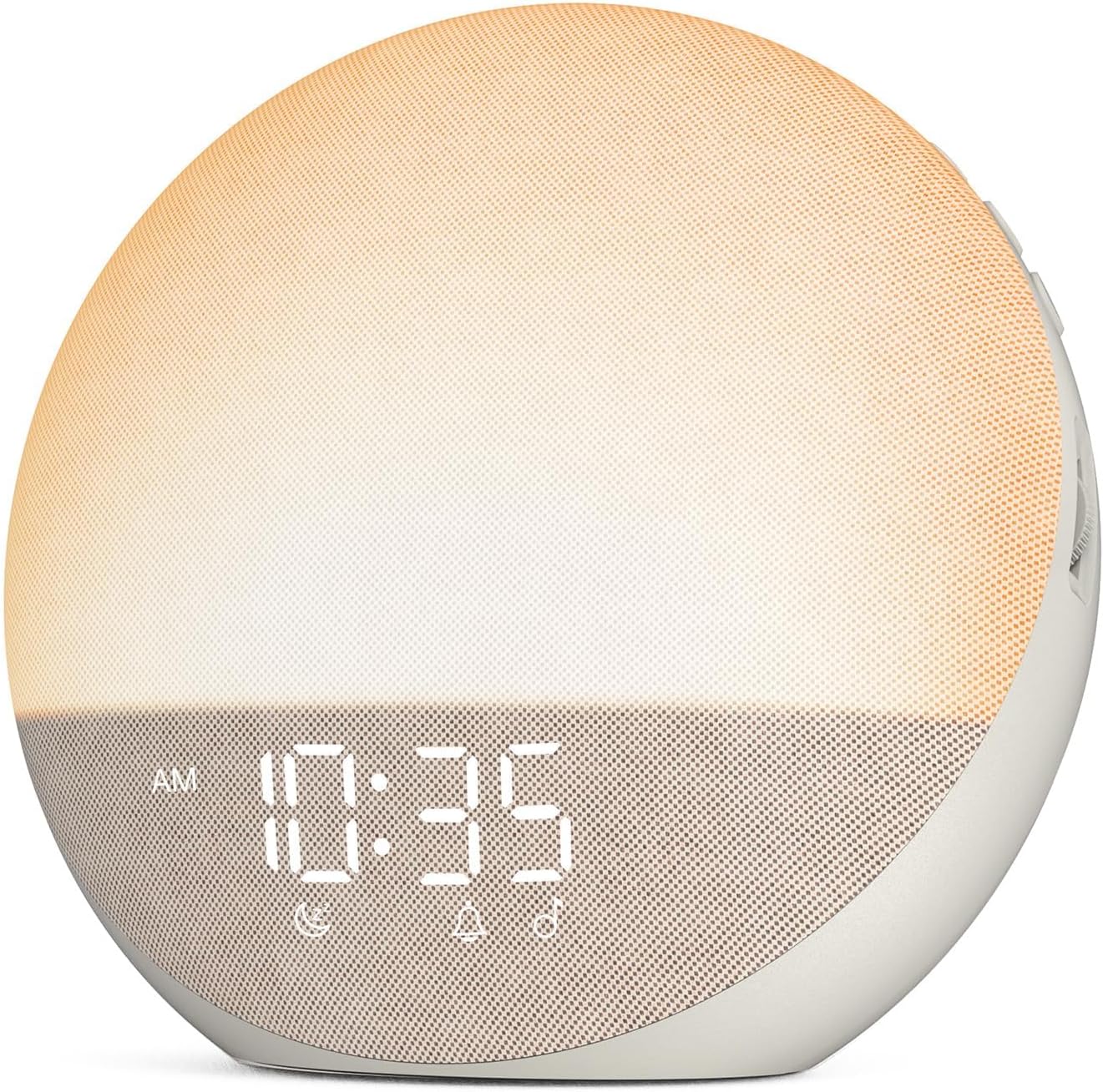
1. Sunrise Alarm Clock & White Noise Machine: Best for Gentler Wake-Ups
A sunrise alarm clock is the most relevant tool on this page if your main problem is waking up too suddenly. Instead of starting the day with only a loud sound, it gradually increases light before the alarm sound begins.
This can be useful for people who dislike phone alarms, wake in a dark room, share a bedroom, or want a more consistent morning cue. The white noise feature may also help if background sounds disturb your sleep.
Best for: dark bedrooms, early mornings, winter mornings, phone-free wake-ups, and people who prefer gradual alarms.
What to watch: brightness range, alarm sound quality, button controls, display dimming, Bluetooth reliability, and whether the clock is easy to set when tired.
Buyer verdict: This is the strongest first buy if the main problem is a harsh morning alarm.
2. Sunset Lamp Projector: Best for Warmer Evening Lighting
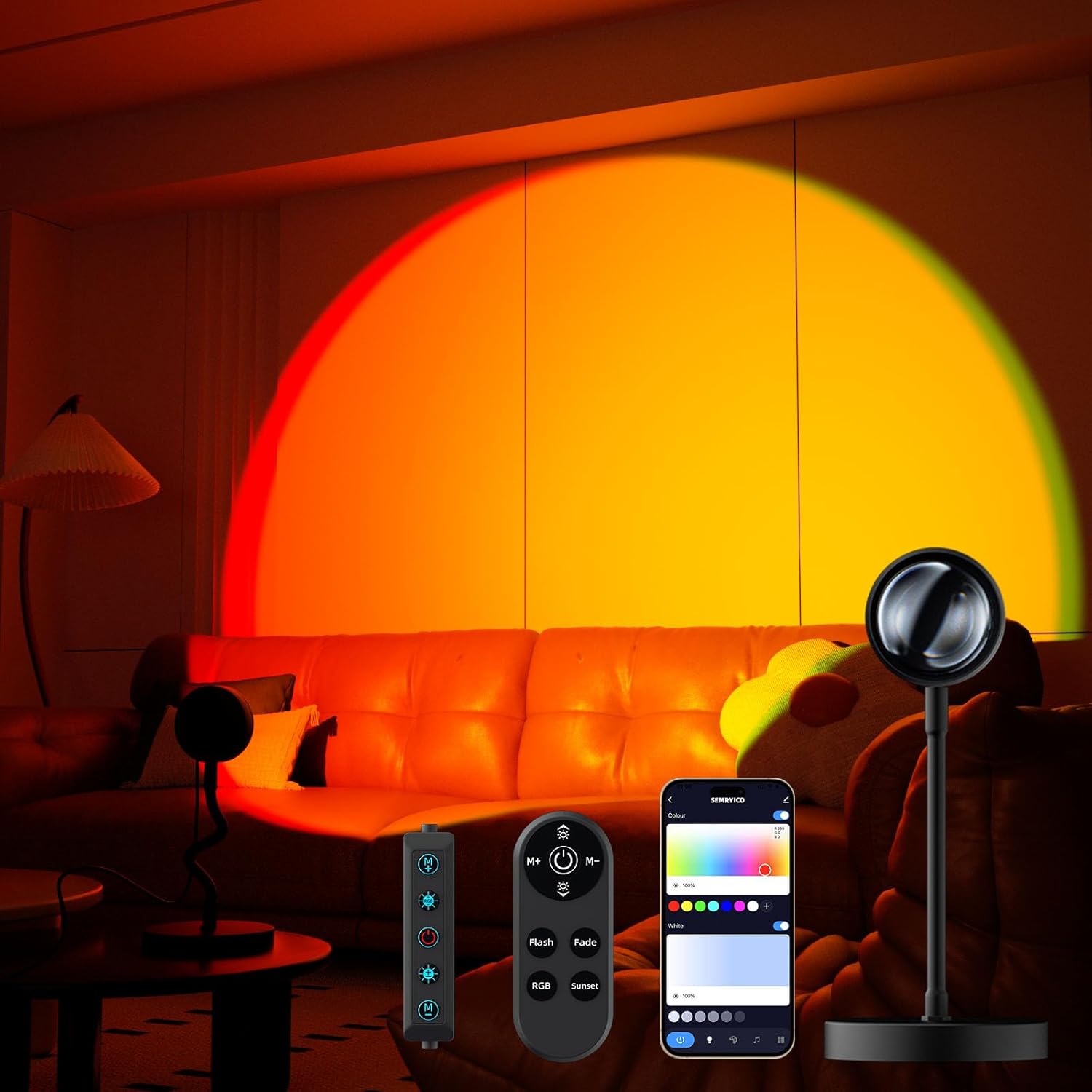
A sunset lamp projector is more of an atmosphere tool than a serious sleep device. It can make the room feel warmer, softer, and less visually harsh in the evening, especially compared with bright ceiling lights or blue-heavy screens.
This type of lamp may fit people who want a low-cost way to change the mood of the bedroom, reading corner, or wind-down space. It is also useful for content creation or room decor, but that does not automatically make it a sleep tool.
Best for: evening atmosphere, low-stimulation lighting, bedroom decor, reading corners, and replacing harsh overhead light.
What to watch: app reliability, remote control quality, brightness range, color settings, cable placement, and whether the light is too decorative for nightly use.
Buyer verdict: Buy it for atmosphere and warmer evening light, not because it will “fix” sleep by itself.
3. Candle Warmer Lamp: Best for Cozy Bedside Atmosphere Without an Open Flame
A candle warmer lamp is not a light therapy device in the clinical sense. It is better understood as a cozy bedroom accessory that combines warm light with fragrance, without needing to burn a candle flame.
This may be useful if you want a softer evening environment, a bedside ritual, or a more relaxing room feel. But fragrance is personal, and some people are sensitive to scents, smoke, or strong smells.
Best for: cozy evening routines, warm bedside light, candle lovers, and people who want fragrance without an open flame.
What to watch: timer function, dimmer control, heat safety, candle size compatibility, scent sensitivity, pets, children, and where the lamp sits overnight.
Buyer verdict: Buy it as a comfort and atmosphere tool, not as a nervous-system reset device.

How to Choose the Right Tool
| Problem | Best First Tool | Why | Skip If |
|---|---|---|---|
| Harsh wake-ups | Sunrise alarm clock | Gives a gradual light cue before sound | You already wake easily |
| Bright evenings | Sunset lamp or warm lamp | Reduces reliance on harsh overhead light | You keep scrolling in bed anyway |
| Cold, harsh bedroom mood | Candle warmer lamp | Adds warm light and cozy atmosphere | You are sensitive to fragrance |
| Noise at night | White noise feature | May mask some background sounds | You sleep better in silence |
If you want to compare more bedroom upgrades beyond light, see our sleep sanctuary gadgets guide before buying multiple tools.
What to Skip
Skip any product that promises to stop panic, reset your nervous system, balance hormones, eliminate cortisol spikes, or guarantee deep sleep. Those are not safe buying claims for simple bedroom tools.
Also skip buying multiple gadgets before fixing the basics: phone outside the bed area, dimmer evening lights, a consistent wake-up time, and a bedroom that is dark, quiet, cool, and comfortable enough for sleep.
Final Verdict: Build a Gentler Morning and Evening Setup
If you wake up feeling startled, stressed, or tense, a sunrise alarm clock is the most practical first tool to consider. It does not treat panic or anxiety, but it can make waking up feel less abrupt than a loud phone alarm in a dark room.
A sunset lamp or candle warmer lamp may support a calmer evening atmosphere, but they should not be treated as medical or biological reset tools. Their value is simple: warmer light, less harshness, and a repeatable wind-down cue.
For the full room setup, start with our sleep-friendly bedroom setup guide so light, noise, temperature, and phone placement work together.
Bottom line: start with the problem, not the gadget. If mornings are harsh, try a sunrise alarm. If evenings are too bright, soften the light. If your bedroom feels cold and overstimulating, add one simple comfort cue — then keep the routine consistent.