Table of Contents
Learning how to reduce city noise at home starts with identifying how the unwanted sound enters the room. Traffic passing through a poorly sealed window requires a different solution from footsteps above, voices through a shared wall, or echo created by hard indoor surfaces.
Heavy curtains, acoustic panels, rugs, door seals, earplugs, and white noise machines can all be useful. However, they perform different jobs. Some absorb reflections inside the room, some reduce gaps, and others mask sudden sounds without physically blocking them.
This guide compares those options by practical value, installation, limitations, and who should skip them. It does not promise complete soundproofing from inexpensive household products.
Affiliate disclosure: MindReset.org may earn a commission if you buy through our links. This does not increase your price and does not affect our editorial judgment.
As an Amazon Associate, we earn from qualifying purchases.
Research note: We have not personally tested every curtain, panel, white noise machine, earplug, or apartment configuration discussed here. This guide is based on public acoustic guidance, product specifications, available research, and comparison between common home noise-control strategies.
What we assessed: noise source, absorption, gap reduction, sound masking, light control, installation, portability, hearing safety, recurring costs, and realistic fit for renters and homeowners.
What we could not independently verify: performance in every building, exact decibel reduction, long-term durability, motor reliability, customer-support quality, app stability, or whether a specific product will improve sleep or wellbeing. Prices, specifications, warranties, and availability may change.
Wellness and hearing note: A quieter room may feel more comfortable, but curtains, panels, sound machines, and headphones do not treat anxiety, insomnia, tinnitus, sensory-processing difficulties, or another health condition. Persistent noise sensitivity, hearing changes, pain, dizziness, or severe sleep disruption may require professional advice.
Quick Verdict
Start with gaps and weak points. Close the window, check seals, add a door sweep, and identify vents or openings before buying decorative acoustic products.
Use curtains for light control and modest softening around windows. Heavy, wide, floor-length curtains may reduce some higher-frequency sound and room reflections, but they will not stop heavy traffic, bass, trains, or structural vibration.
Use rugs, fabric furniture, and acoustic panels for echo. They improve the sound inside the room rather than providing true soundproofing from outside.
Use a white noise machine when sudden sounds are the problem. It may make doors, traffic changes, hallway voices, or intermittent neighbour noise less noticeable by creating a steady background layer.
Skip consumer products and seek building-level help when the main issue is strong low-frequency vibration, serious construction noise, an unsafe sound level, or sound passing directly through defective windows, walls, floors, or ventilation.
Identify the Noise Before Buying Anything
Stand in the room at the time the problem normally occurs. Listen near the window, door, shared wall, ceiling, floor, and ventilation openings. The loudest point often indicates where the first improvement should be made.
| Type of problem | Common sign | Best first response |
|---|---|---|
| Window or door leakage | Voices and traffic become noticeably louder near gaps or frames | Check seals, closure, weatherstripping, and door sweeps |
| Room echo | Claps, speech, and small sounds feel sharp or prolonged | Add rugs, curtains, upholstered furniture, or acoustic panels |
| Sudden intermittent noise | Doors, horns, voices, or vehicles repeatedly break the quiet | Test low-level sound masking |
| Structure-borne noise | Thumps, footsteps, vibration, or bass appear to travel through the building | Document the pattern and consider landlord or professional assessment |
| Streetlight or visual activity | Headlights, signs, or sunrise brighten the room | Use blackout curtains, blinds, or another light-control layer |
| Digital interruption | The room is quiet but alerts keep restarting attention | Use focus settings and move the phone away |
Do not confuse sound absorption with sound blocking. Soft surfaces can reduce reflections inside the room. Blocking sound transmission normally requires suitable mass, sealed gaps, isolation, or building work.
City Noise Reduction Decision Table
| Your situation | Best first option | Why | Skip if |
|---|---|---|---|
| Streetlight and moderate window noise | Heavy blackout curtains | Combine light control with some absorption around the window | You expect complete traffic soundproofing |
| Bare room with strong echo | Rug, soft furniture, and acoustic panels | Reduce reflected sound inside the room | The problem comes mainly through an open gap |
| Sudden hallway or traffic sounds | White or pink noise machine | A steady layer may make sound changes less noticeable | Continuous sound irritates you |
| Noise enters under the door | Door sweep and perimeter seal | Addresses the visible opening directly | The noise comes through a shared wall or ceiling |
| Occasional travel or neighbour noise | Comfortable earplugs | Low-cost and portable | You must hear alarms, children, or important household sounds |
| Strong bass, vibration, or footsteps | Building-level assessment | Consumer soft furnishings may provide little benefit | The issue is only mild room echo |
Heavy Curtains: Best for Light and Limited Window Noise
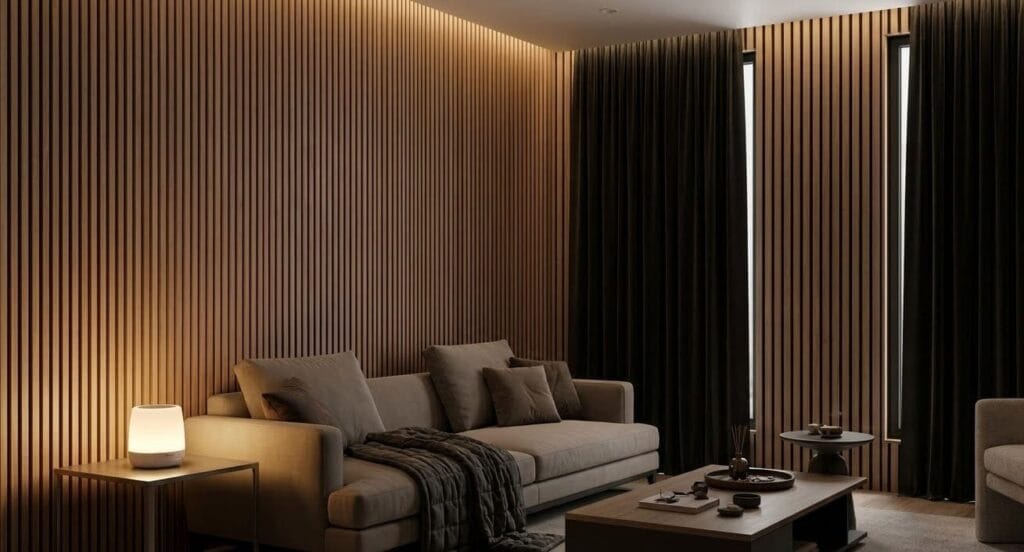
Heavy curtains are most useful when a window creates both light and sound problems. Look for dense fabric, generous width, floor-length coverage, and installation that extends beyond the window frame.
The curtain should remain close enough to the wall to reduce exposed gaps, while still moving safely and avoiding heaters, vents, or moisture problems.
Buy heavy curtains if:
- streetlight, headlights, or early sunrise are part of the problem;
- the window area sounds sharper than the rest of the room;
- the room feels bare and reflective;
- you want a passive option with no app, subscription, or charging;
- you can install suitable rails or rods.
Skip or reconsider them if:
- the noise is primarily low-frequency bass or vibration;
- the window itself does not seal correctly;
- the sound comes through the wall, floor, ceiling, or ventilation;
- the curtain would block a heater or create a condensation problem;
- you are paying mainly for smart automation rather than useful fabric coverage.
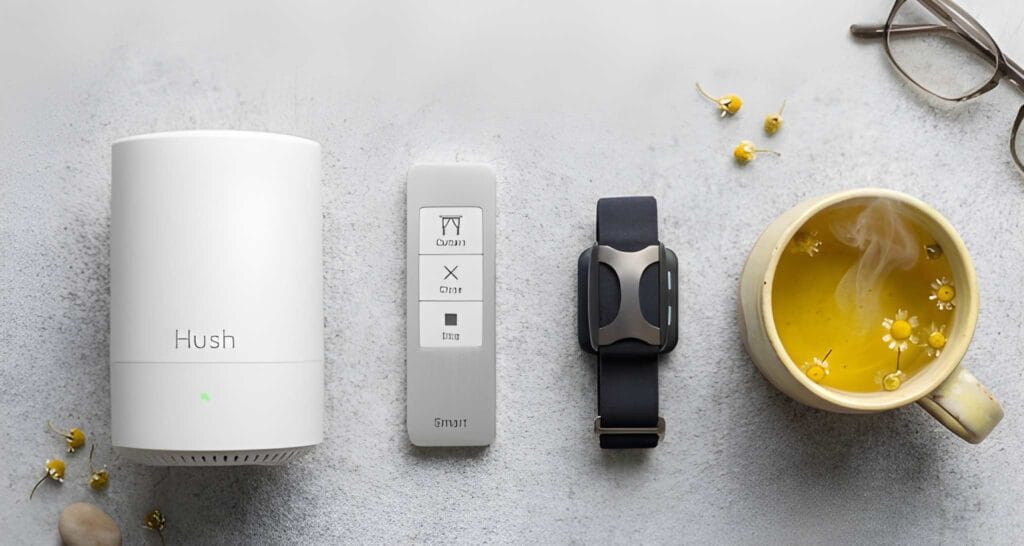
Motorized or smart curtains provide scheduling and remote control. Automation can support a consistent evening routine, but it does not make thin fabric acoustically effective.
Acoustic Panels, Rugs, and Soft Furnishings
Acoustic panels are designed to absorb part of the sound reflecting from hard walls. Rugs, upholstered furniture, fabric wall hangings, filled bookshelves, and curtains can perform a similar room-softening role to different degrees.
These products can make speech and small sounds feel less sharp. They are useful for home offices, bedrooms, rental apartments, and rooms with hard floors or minimal furniture.
They should not be marketed as soundproofing. A thin decorative foam tile will not prevent traffic, music, or neighbour voices from passing through a lightweight wall.
Buy acoustic treatment if:
- the room has noticeable echo or reverberation;
- speech, calls, television, or household sounds feel unusually sharp;
- the floor and walls are mainly hard and uncovered;
- you want to improve a home office or listening space;
- you understand that the goal is absorption rather than isolation.
Skip it if:
- the main problem is an obvious door or window gap;
- you expect thin foam to stop neighbours or traffic;
- the material has unclear fire-safety information;
- installation may damage a rented wall;
- a rug or existing furniture would solve the echo more cheaply.
White Noise Machines: Masking Rather Than Blocking

A white noise machine adds a steady sound layer to the room. It does not physically reduce the traffic, hallway, or neighbour noise. Instead, it may make changes in the environment less noticeable.
White noise contains a broad range of frequencies. Pink noise is often perceived as softer, while brown noise has more emphasis at lower frequencies. Fan sounds, rain, and other consistent recordings may work just as well for an individual listener.
Evidence regarding masking sounds and sleep remains mixed. Some people find steady sound useful in noisy environments, while others sleep better without it. Treat this as a low-risk personal trial rather than a guaranteed sleep intervention.
Buy a sound machine if:
- sudden noise changes disturb you more than steady background sound;
- you want a device that works without notifications or a streaming subscription;
- you need a portable option for travel;
- you can keep the volume moderate;
- you prefer a timer or continuous playback option.
Skip it if:
- constant sound feels irritating or distracting;
- you need to raise the volume aggressively to cover the environment;
- the problem requires sealing, repair, or professional sound isolation;
- a fan or audio file already provides the same result;
- you expect it to treat insomnia or tinnitus.
Who Should Buy Urban Noise Tools?
- Renters who need reversible changes rather than construction.
- People whose bedrooms face roads, nightlife, car parks, or shared entrances.
- Remote workers using a hard, echoey room.
- Residents who are disturbed mainly by intermittent rather than continuous sound.
- People who also need blackout or scheduled light control.
- Buyers willing to identify the source before choosing the product.
Who Should Avoid Buying More Products?
- The window or door is visibly damaged and requires repair.
- The noise involves serious vibration, construction defects, or unsafe sound levels.
- You have not yet tested free changes such as repositioning furniture or sealing obvious gaps.
- You already own curtains, rugs, headphones, or a fan capable of testing the idea.
- You expect one inexpensive item to create studio-level sound isolation.
- The main interruption comes from your phone rather than the city.

A Simple Layered Setup for Renters
- Close and inspect windows and doors. Look for visible gaps, loose fittings, or damaged seals.
- Move the bed or desk. Increase distance from the loudest wall or window where the room allows it.
- Add existing soft materials. Test a rug, upholstered chair, filled bookshelf, or curtains before buying panels.
- Improve window coverage. Use dense curtains when light and window noise are both concerns.
- Test masking. Use a fan or low-level audio before purchasing a dedicated sound machine.
- Control digital sound. Disable unnecessary alerts and keep the phone away from the rest area.
- Document unresolved problems. Record dates, times, duration, and likely source before contacting a landlord or building manager.
For broader acoustic principles, read our acoustic ecology guide. For bedroom-specific products, compare our bedroom noise and sleep tools guide.
When phone alerts are the larger problem, start with our digital mindfulness guide rather than adding another home gadget.
Hidden Costs and Limitations
Curtain hardware and installation
Heavy curtains may require stronger rods, tracks, brackets, wall fixings, or professional installation. Smart curtain motors add charging, wiring, app, compatibility, and replacement concerns.
Fire safety and materials
Check the product’s material information and avoid placing curtains, foam, or fabric directly against heaters, cooking areas, damaged electrical equipment, or another heat source.
Rental damage
Panels, curtain tracks, adhesives, and heavy fixtures may mark walls or violate tenancy conditions. Use reversible installation methods only when they can safely support the product.
Sound machine volume
Masking should not require dangerously loud playback. The U.S. National Institute on Deafness and Other Communication Disorders warns that repeated or prolonged exposure to sound at or above 85 dBA can damage hearing.
Energy and charging
Motorized curtains, active noise-cancelling devices, and sound machines may require outlets, batteries, replacement cables, or regular charging.
Products can hide the real defect
A sound machine or thick curtain may make a problem more tolerable without repairing a defective seal, damaged window, loose door, ventilation fault, or building defect.
What We Could Verify
- Environmental noise can interfere with sleep, communication, concentration, and everyday comfort.
- Carpets, curtains, acoustic ceiling materials, and fabric panels can absorb part of the sound energy inside a room.
- Absorbing sound inside a room is different from blocking sound transmission through a building surface.
- Sound masking adds steady background sound rather than eliminating the original source.
- Evidence for white or pink noise as a sleep aid is mixed and does not support guaranteed results.
- Long or repeated exposure to sufficiently loud sound can permanently damage hearing.
What We Could Not Verify
- That ordinary curtains completely soundproof a window.
- That thin decorative foam blocks traffic, bass, or neighbour noise.
- That white, pink, or brown noise reliably improves sleep for every listener.
- That one home product treats anxiety, insomnia, tinnitus, or sensory overload.
- That smart automation improves the acoustic performance of curtain fabric.
- Exact noise reduction without measurements from the specific room and installation.
Frequently Asked Questions
Do blackout curtains reduce city noise?
Heavy, well-fitted blackout curtains may soften some higher-frequency noise and reduce reflections near a window. They do not provide complete soundproofing, especially against traffic bass, trains, construction, or vibration.
Do acoustic panels block sound from neighbours?
Acoustic panels mainly reduce echo and reflected sound inside the room. Blocking sound from neighbours usually requires sealed gaps, suitable wall construction, added mass, isolation, or professional work.
Is white noise better than earplugs?
They solve different problems. Earplugs reduce sound reaching the ear, while white noise masks changes in the surrounding environment. Comfort, safety, alarms, children, and the type of noise should guide the choice.
Is brown noise better than white noise?
Not universally. Brown noise sounds deeper because it contains more low-frequency energy. Some listeners prefer it, while others find white noise, pink noise, rain, a fan, or silence more comfortable.
Can smart curtains soundproof a bedroom?
No. The smart feature normally controls opening, closing, or scheduling. Acoustic performance depends mainly on the fabric, mass, width, length, mounting, and window construction.
What is the cheapest way to reduce apartment noise?
Start by closing gaps, repositioning the bed or desk, adding existing rugs and soft furniture, and testing a fan or low-level masking track. Buy a product only after identifying which free change provided some benefit.
When should I contact the landlord?
Contact the landlord or building manager when windows, doors, seals, ventilation, flooring, or another building component appears damaged, unsafe, or defective. Keep a clear record of when the noise occurs and where it seems to enter.
Final Verdict
The best way to reduce city noise at home is to match the solution to the source.
Seal obvious gaps before buying acoustic decor. Use dense curtains when window light and moderate noise are both concerns. Use rugs and panels when the room itself sounds sharp. Test a white noise machine when sudden changes are more disruptive than steady background sound.
Do not expect curtains, foam tiles, headphones, or masking sounds to replace structural repair or professional sound isolation.
MindReset recommendation: make one low-cost change, test it during the actual problem period, and measure whether the room becomes meaningfully easier to use. Add another layer only when the first result justifies it.
Sources and Further Reading
- U.S. Environmental Protection Agency: Noise Pollution
- U.S. General Services Administration: Indoor Environmental Quality and Acoustic Strategies
- U.S. National Library of Medicine: Noise as a Sleep Aid Systematic Review
- U.S. National Library of Medicine: Auditory Stimulation and Adult Sleep
- National Institute on Deafness and Other Communication Disorders: Noise-Induced Hearing Loss