Table of Contents
myWoolly Latex Topper Review: Quick Verdict
MindReset.org may earn a commission if you buy through our links. This does not increase your price and does not affect our editorial judgment.
Research note: We have not personally tested this product yet. This guide is based on product specifications, public documentation, available research, user feedback, and comparison with similar tools.
The Sleep & Beyond myWoolly Latex Topper is a premium 3-inch wool-and-latex topper designed to make a mattress feel softer and more cushioned. Its main advantages are its natural material mix, responsive latex-noodle fill, breathable wool layers, hand-tufted construction, and minimal slow-sinking sensation compared with traditional memory foam.
It is worth considering if your current mattress is structurally sound but feels too firm or lacks surface cushioning. It is not a reliable fix for a mattress with deep sagging, broken support layers, or major body impressions.
The topper should be viewed as a comfort upgrade rather than a treatment for back pain, allergies, poor sleep, or any medical condition.
Who Should Buy It?
The myWoolly Latex Topper may suit:
- sleepers who want a softer and more cushioned mattress surface;
- people who dislike the slow, enveloping feel of memory foam;
- shoppers who prefer wool, cotton, and natural latex over polyurethane foam;
- sleepers interested in a topper designed for year-round temperature management;
- buyers prepared to fluff, rotate, air, and carefully maintain a bulky natural topper.
Who Should Skip It?
Consider another option if:
- your mattress is visibly sagging or no longer provides adequate support;
- you want a firm or very thin topper;
- you need a lightweight topper that is easy to wash at home;
- you are sensitive or allergic to wool or natural latex;
- you want a low-cost temporary mattress upgrade;
- you expect a topper to resolve persistent back, hip, or joint pain.
Can a Mattress Topper Fix an Uncomfortable Mattress?
A topper can change the surface feel of a mattress, but it cannot repair a damaged support system. The myWoolly topper may add cushioning when a mattress feels too firm, especially around the shoulders and hips, but the result will depend on the mattress underneath, the sleeper’s body weight, preferred position, and firmness expectations.
The latex noodles are designed to respond more quickly than slow-recovery memory foam, while the wool layers add softness and loft. This combination may appeal to sleepers who want cushioning without feeling deeply enclosed by foam.
However, a topper can also make an already-soft mattress feel less stable. Buyers should first check whether their discomfort comes from excessive firmness or from structural sagging. If the mattress has deep impressions or weak edges, replacing the mattress is usually the more practical decision.
How Does the myWoolly Latex Topper Compare With Memory Foam?
The myWoolly topper does not use a solid latex slab. Its middle layer combines natural latex noodles with woolly puffs, while Shropshire wool batting forms the upper and lower layers.
This creates a different feel from conventional memory foam. Latex noodles tend to respond quickly when the sleeper changes position, while memory foam generally compresses more slowly and creates a deeper contour.
| Buyer consideration | myWoolly wool and latex topper | Typical memory foam topper |
|---|---|---|
| Surface feel | Plush, buoyant and loosely responsive | Deeper, slower contouring |
| Ease of movement | Usually easier to reposition on | May feel restrictive to some sleepers |
| Temperature feel | Wool is designed to manage moisture and airflow | Performance varies by foam density and cooling design |
| Maintenance | Requires fluffing, airing and careful cleaning | Usually requires less reshaping |
| Best suited to | Buyers wanting natural materials and a softer surface | Buyers wanting close body contouring |
| Main risk | Compression, shifting or uneven loft over time | Heat retention and permanent impressions |
Neither material is automatically better for every sleeper. The choice depends more on preferred feel, temperature sensitivity, ease of movement, maintenance expectations, and budget.
Does Shropshire Wool Help With Temperature Regulation?
The topper uses 1,250gsm of washable Shropshire wool batting on both the top and bottom, with an additional 250gsm of woolly puffs in the middle layer.
Wool can absorb and release moisture vapor, which is why it is commonly used in bedding designed for year-round comfort. The manufacturer describes the topper as warm in winter and cool in summer, but this should not be interpreted as a guarantee that every hot sleeper will feel cooler.
Real-world temperature comfort will also depend on room temperature, sheets, mattress protector, duvet, body heat, and the mattress underneath. Buyers who sleep very hot should therefore treat temperature regulation as a potential advantage rather than a guaranteed result.
Materials and Certifications: What Could We Verify?
The published specifications list:
- 3 inches of loft;
- 4,000gsm total fill;
- 1,250gsm Shropshire wool batting in the top layer;
- 250gsm woolly puffs and 1,250gsm natural latex noodles in the middle;
- 1,250gsm Shropshire wool batting in the bottom layer;
- a 270-thread-count natural cotton percale cover;
- elastic straps at both ends;
- hand-tufted construction;
- a five-inch perimeter border;
- a five-year manufacturer warranty.
The cotton cover and wool filling are listed as OEKO-TEX Standard 100 certified, while the wool filling is also WOOLMARK certified.
These certifications provide useful information about tested materials and wool quality. They do not prove that the topper will treat allergies, block emissions from an existing mattress, relieve chronic pain, or improve a medical condition.
The topper should therefore be evaluated primarily on material preference, surface comfort, construction, care requirements, price, and compatibility with the existing mattress.
Care Instructions for the myWoolly Latex Topper
Use a fitted sheet or suitable mattress protector to reduce direct exposure to body oils, spills, and surface dirt.
The manufacturer recommends gently shaking and flipping the topper periodically to redistribute the wool and latex fill. Some compression is normal with natural materials, so regular fluffing may help maintain a more even surface.
Regular airing can also help release accumulated moisture. The cotton cover may be spot cleaned with a soft brush and mild detergent, then allowed to dry completely.
For major stains, the manufacturer recommends eco-friendly dry cleaning using a short cycle and limited moisture.
Because of the topper’s size and weight, machine washing is not recommended for routine care. The manufacturer nevertheless states that it may be washed in cold water on a wool or delicate cycle without agitation or spinning. Use an approved wool detergent. Air drying is preferable, although low-heat tumble drying is listed as an option. Do not bleach or iron.
Always check the current manufacturer instructions before washing, as improper cleaning could damage the fill or tufted construction.
Buyer Risks and Hidden Costs
The main buyer risks are not medical. They are practical:
- The topper is expensive compared with basic foam alternatives.
- Its bulky natural fill may be difficult to move, wash, or dry.
- Wool and loose latex fill may compress or redistribute with use.
- Comfort and firmness are subjective and cannot be confirmed from specifications.
- It will not repair a sagging or structurally damaged mattress.
- A fitted sheet, protector, specialist cleaning, or return shipping may add to the total cost.
- Wool and latex are not suitable for every household or sensitivity.
There is no subscription cost. Buyers should check the current return policy, trial terms, warranty exclusions, shipping charges, and return-shipping requirements before ordering.
The Hidden Toll of a Failing Mattress on Your Sleep and Nervous System
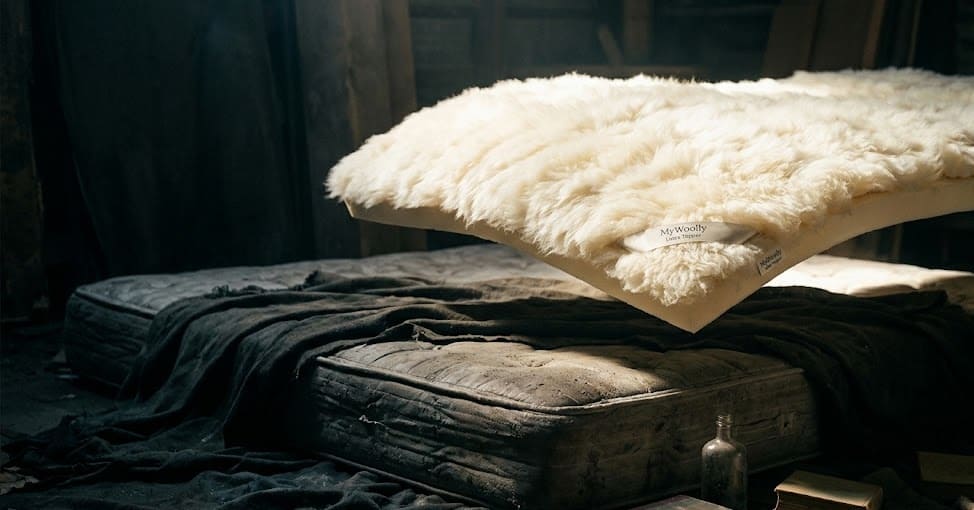
To comprehend why an individual awakens feeling physically battered and emotionally depleted, one must examine the complex neurobiology of unconscious recuperation. The transition into a resting phase does not merely shut down the brain; rather, it initiates a highly vulnerable biological state wherein the autonomic network continuously scans the external environment for safety.
When an underlying structure creates sharp, localized pressure on the greater trochanters (hips), acromion processes (shoulders), or the vertebral column, the nociceptors—sensory receptors responsible for detecting tissue injury—send urgent distress signals up the spinothalamic tract to the central processing centers.
The brain interprets this localized physical distress not as a minor inconvenience, but as an immediate, severe biological threat. Consequently, the autonomic network forcibly shifts from the restorative parasympathetic state (often termed “rest and digest”) into sympathetic dominance, triggering the well-documented “fight or flight” response. Instead of descending into deep, reparative unconsciousness, the adrenal glands release a surge of cortisol and epinephrine into the bloodstream.
This biochemical cascade keeps the heart rate elevated, the respiratory rate shallow and rapid, and the mind trapped in a state of hyper-arousal, entirely precluding the possibility of deep relaxation.
Over a span of eight hours, fighting an unyielding foundational layer operates as a continuous physiological trauma. The fragmentation of the resting phase prevents the individual from reaching Stages 4 and 5—the critical slow-wave and Rapid Eye Movement phases essential for cellular repair, immune system consolidation, and emotional regulation. Deprived of this essential recuperation, cognitive function declines rapidly.
Clinical literature demonstrates that deprived nocturnal recovery severely worsens symptoms of anxiety and depression, stripping away the mental resilience required to face daily stressors.
When the spine is forced into unnatural curvatures due to a sagging or excessively rigid surface, the surrounding musculature must remain contracted throughout the night to protect the vertebral column. This isometric contraction prevents the muscles from experiencing the atonia (temporary paralysis) necessary for systemic release.
The individual engages in subconscious tossing and turning—a desperate, automatic attempt by the brain to restore blood flow to ischemic tissues that have been crushed beneath the weight of the physique. Addressing this chronic discomfort requires an immediate cessation of environmental hostility, upgrading the physical resting space to a medium that actively cooperates with human biomechanics and mitigates severe health challenges.
The Science of Relief: Why a Natural Latex Mattress Topper Outperforms Memory Foam
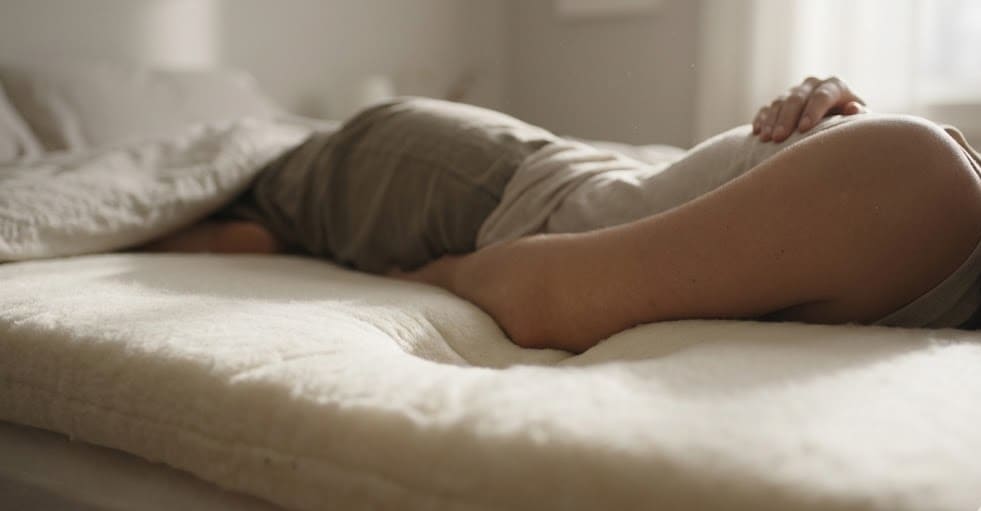
The mechanical intervention required to halt this cycle of biomechanical trauma is found in the specific architecture of botanical rubber overlays. The exact specifications of this unit dictate that it is 3 inches thick, a depth meticulously engineered to provide structural reinforcement while yielding completely to the individual’s natural contours.
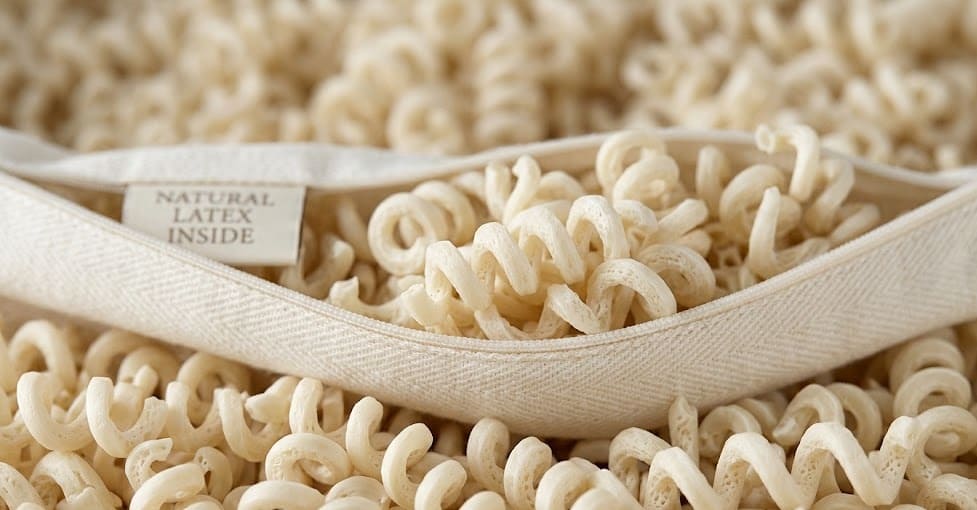
At the core of this restorative system lies a sophisticated filling composed of botanical rubber pieces. Rather than a solid, unyielding block, the internal matrix utilizes an independent noodle design. A single, supple strand is designed to operate independently, allowing the internal fill to shift, adapt, and immediately occupy the negative space around the lumbar lordosis and major articulations.
This dynamic, point-elastic responsiveness creates a sensation frequently described in aerospace ergonomics as “zero-gravity” contouring. In a zero-gravity posture, the biomechanical forces exerted by gravity are perfectly counterbalanced by the upward buoyancy of the supporting material, minimizing shear forces on the joints and fascial tissues.
The botanical rubber instantly contours to the unique topography of the sleeper, yet crucially, it pushes back with a gentle, resilient lift. This active buoyancy distributes weight uniformly across the entire surface area, delivering the precise support required for inflamed hips and shoulders. For those requiring a targeted latex topper, this dynamic equilibrium is the paramount feature for musculoskeletal rehabilitation.
Conversely, conventional viscoelastic polyurethane (memory foam) relies on ambient heat to soften and conform. As the synthetic foam absorbs thermal energy, it collapses beneath the heaviest parts of the anatomy, creating a deep, suffocating crater. While memory foam initially feels soft upon impact, its slow recovery time and high hysteresis leave the individual feeling trapped.
Every time the person attempts to change positions, they must physically exert significant muscular energy to climb out of the chemical trench they have melted into, further disrupting the resting phase and triggering sympathetic arousal.
The inclusion of a robust structural edge ensures that this integrity extends to the very boundaries of the bed, preventing the dangerous roll-off sensation that plagues lesser, mass-produced products.
Washable Shropshire Wool: The Ultimate Eco-Friendly Bedding for Night Sweats
Beyond structural alignment, meticulously managing the microclimate of the resting environment is paramount for uninterrupted recovery. Fluctuations in ambient temperature and trapped humidity are the primary culprits for severe nocturnal awakenings.
To address this complex physiological challenge, the overlay utilizes the unparalleled biological technology of genuine shropshire wool. Specifically, the inclusion of this premium material transforms the surface into an active, dynamic, biological climate control system, providing the best wool available for thermoregulation.
The architectural secret of this material lies in the microscopic histology of the keratin fiber itself. A single strand features a hydrophobic (water-repelling) exterior epicuticle, combined with a highly hydrophilic (water-loving) interior cortex.
As the human metabolism generates perspiration—an automatic physiological mechanism deployed by the hypothalamus to lower core temperature during the descent into deeper recovery stages—the fibers immediately absorb this vapor before it can condense into liquid sweat on the skin.
Remarkably, this specific pure wool can absorb up to 30 percent of its own weight in vapor without ever feeling damp to the touch, operating as an extraordinarily efficient biological desiccant.
Once the vapor is absorbed into the inner cortex, the natural breathability of the fiber allows the moisture to be released gradually into the surrounding atmosphere. This dynamic transmission serves to continuously wick away excess heat and humidity, ensuring that the sleeper never experiences the freezing, clammy sensation that typically follows a night sweat when wrapped in synthetic, petroleum-based covers.
To quantify this biological efficiency, researchers at the BioComposites Centre at Bangor University conducted rigorous, peer-reviewed testing comparing the thermal and transmission properties of different fillings. The data overwhelmingly confirmed the absolute superiority of the natural fiber across all thermodynamic metrics.
The physics of this thermal regulation can be conceptualized using principles of thermodynamic phase change. In synthetic materials, the lack of vapor permeability means that the localized microclimate temperature continually rises until the individual is forced to kick off the covers, violently interrupting the slow-wave cycle.
The biological fibers, however, utilize the phase change of evaporating moisture to dissipate excess thermal energy, thus maintaining a perfectly stable, homeostatic temperature equilibrium.
Beyond thermoregulation, sourcing this specific material is critical for immunological health. The inherently dry environment created by the rapid evaporation process is profoundly hostile to microscopic pests. Dust mites (Dermatophagoides pteronyssinus), mold spores, and mildew require high ambient humidity to survive and proliferate. By starving these organisms of their required hydration, the material acts as a natural, highly effective hypoallergenic barrier.
This is a vital characteristic for those battling a severe allergy, whose respiratory systems are constantly under siege by the microscopic debris found in standard synthetic bedding. The strategic use of 1,250gsm of washable shropshire wool batting on both the top and bottom layers guarantees that this pristine, purified environment is maintained throughout the entire depth of the structure.
Furthermore, integrating a central layer of 250gsm of woolly puffs provides supplementary structural loft while maximizing the surface area available for dynamic vapor transmission.
Blocking Toxins: Why the Hand-Tufted myWoolly Latex Topper is Essential
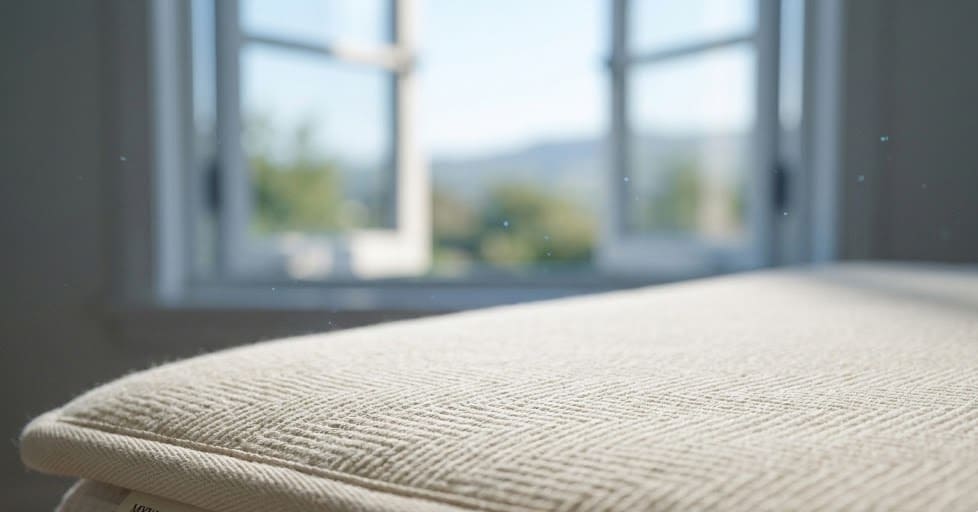
The vast majority of commercially available units are overwhelmingly manufactured using petroleum-based polyurethane foams, industrial chemical adhesives, and highly volatile synthetic flame retardants.
Over the lifespan of these products, the unstable chemical bonds within the polyurethane matrix slowly break down, resulting in the continuous, indefinite off-gassing of Volatile Organic Compounds (VOCs).
The physiological danger of this chronic chemical exposure is deeply compounded by the mechanics of the resting phase. For a third of their life, the individual lies with their respiratory tract mere inches from the source of these emissions. Furthermore, human metabolic heat acts as a thermal catalyst, significantly accelerating the rate of off-gassing from the synthetic layers beneath.
During unconsciousness, respiration deepens and dermal pores dilate, drastically increasing the rate at which these toxic compounds are absorbed directly into the bloodstream and central nervous system.
| Hazardous Chemical Compound | Common Synthetic Bedding Source | Documented Systemic Health Impact |
| Polybrominated Diphenyl Ethers (PBDEs) | Chemical flame retardant barriers required by outdated flammability regulations. | Severe endocrine disruption, thyroid dysfunction, and neurodevelopmental toxicity. |
| Formaldehyde | Industrial adhesives, glues, and binding agents used to laminate foam layers. | Acute respiratory irritation, asthma exacerbation, and classified as a known human carcinogen. |
| Toluene & Benzene | Polyurethane foam (often deceptively marketed as “Memory Foam” or “Plant-Based Foam”). | Neurological distress, chronic dizziness, nausea, and long-term immune suppression. |
| Per- and polyfluoroalkyl substances (PFAS) | Stain-resistant or waterproof coatings applied to standard protective covers. | Hormone disruption, fertility complications, and persistent accumulation in biological tissues. |
Recognizing this invisible, pervasive threat is the first essential step toward environmental recovery. Continuing to subject oneself and one’s children to this chemical cocktail is an unacceptable risk. Implementing a pristine, biological barrier between the sleeper and the toxic foundation is not merely a comfort upgrade; it is a vital, non-negotiable defensive medical measure.
The mywoolly® latex topper acts as an impenetrable, organic shield, effectively capping the off-gassing of the underlying synthetic layers while providing an exceptionally clean-air microclimate for the respiratory system.
This specific overlay features a meticulously hand-tufted construction, a traditional artisanal technique ensuring that the internal components remain completely stable without ever requiring the use of industrial chemical adhesives to bind the layers together. The structural integrity is further reinforced by a five-inch perimeter, which perfectly encapsulates the active materials.
It is entirely encased in a highly breathable, 270-thread-count natural cotton percale fabric, which offers exceptional tactile durability while maintaining strict, uncompromising organic integrity. The complete absence of synthetic plastics or polyurethane coatings guarantees that the individual is resting entirely on earth-derived, highly compatible materials.
To absolutely guarantee this purity, the entire unit has undergone rigorous, independent third-party auditing. The textiles and raw materials are verified to be completely safe for infants, entirely free of harmful chemicals, and manufactured without generating harmful emissions. It is strictly oeko-tex certified, an exhaustive testing protocol confirming that every thread and fiber meets the highest international safety protocols for human exposure.
Additionally, the interior matrix is woolmark certified, a prestigious designation that is globally recognized and verifies that the materials far exceed the strictest standards for pure wool filling.
Because of these pristine, uncompromising manufacturing protocols, this intervention is fiercely recommended by clinical practitioners for individuals suffering from multiple chemical sensitivities, chronic asthma, or severe immunological distress. There is zero reliance on noxious fire retardants or petroleum-derived foams.
When evaluating the cumulative respiratory exposure over a lifetime, replacing the resting surfaces for every single member of the household transitions from a luxury to an urgent medical priority. Upgrading to this natural or organic barrier is an act of profound care, transforming a previously hazardous, off-gassing bedroom into a genuine sanctuary of biological safety.
It is the definitive solution resulting from a highly sustainable production process, designed to deliver unmatched quality and reliability for families prioritizing their long-term wellness.
Care Instructions for Your Cotton Encased myWoolly Latex Topper
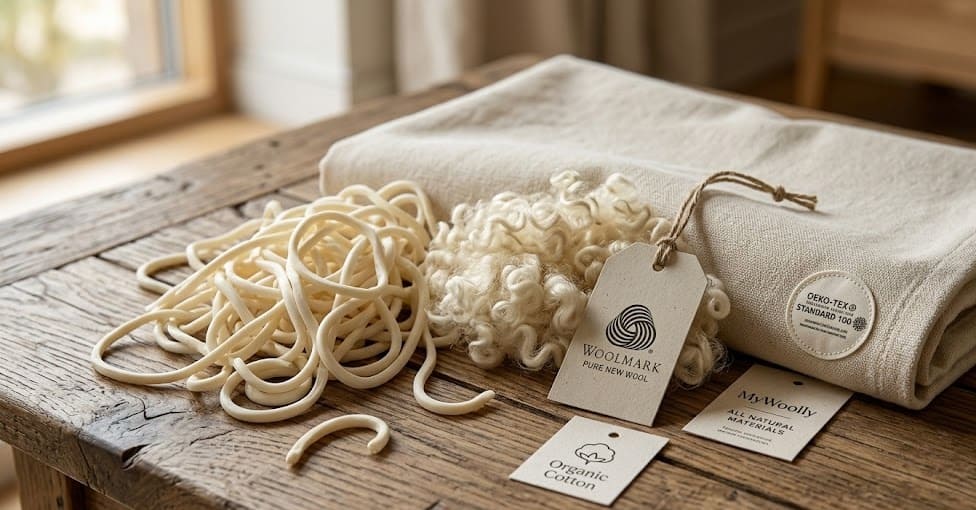
Maintaining the structural integrity, hygienic purity, and unparalleled comfort of this specialized natural overlay requires strict adherence to specific, holistic, and straightforward protocols. Because it is an all-natural product, meticulously crafted without the inclusion of synthetic resins, rigid plasticizers, or artificial memory foams, the biological fibers will naturally respond to environmental conditions and mechanical pressure over time.
A slight, uniform degree of physical compression over the initial weeks of deployment is entirely normal and biologically expected, as the raw materials settle into a highly cohesive, personalized matrix that perfectly matches the user’s anatomical topography.
To consistently ensure the absolute best sleep experience, frequent fluffing of the unit is highly recommended by experts and the manufacturer alike. Gently shaking, vibrating, and flipping the entire structure redistributes the internal botanical elastomers and biological fleece components, instantly restoring maximum volumetric loft and ensuring the surface remains exceptionally pliant.
To meticulously protect the pristine exterior casing from human dermal oils, perspiration residues, and ambient particulate dust, it is strongly advised to encase the entire unit in a high-quality fitted sheet.
As noted in the official clinical product literature: To ensure the long-term performance of your new mattress topper, we recommend you protect it with a 100% natural or organic cotton fitted sheet. This simple barrier prevents unnecessary wear and preserves the breathability of the underlying architecture.
This practice also vastly assists in evaporating any trace residual environmental humidity trapped deep within the matrix, further enhancing the material’s inherent hygroscopic resilience.
For localized superficial spills, minor accidents, or organic stains, targeted spot cleaning of the exterior fabric is the only preferred method of intervention. Utilizing strictly cold water, a soft-bristled brush, and a remarkably mild, eco-friendly detergent will gently lift surface impurities without compromising the biological integrity of the delicate casing. After meticulously treating any affected area, one must allow the unit to air dry completely in a highly ventilated, low-humidity space before ever placing it back onto the foundation.
While the internal fleece is technically classified as washable shropshire wool, the sheer volumetric size, weight, and density of the three-inch loft make domestic submersion highly impractical and potentially catastrophic to the meticulously layered internal architecture.
Therefore, to preserve the exact dimensions and global standards of the unit, one must never attempt to machine wash the entire king or queen-sized structure in a standard residential appliance. Furthermore, one should absolutely avoid the application of any harsh, caustic chemical solvents; under no circumstances should an individual bleach or iron the textiles.
To definitively preserve the geometry of the tufting, one must never subject the delicate overlay to high-heat commercial drying, meaning one should never tumble dry the product under any circumstances.
What we could verify
We could verify public product specifications, stated features, pricing or subscription information where available, app or platform details, claimed use cases, and publicly available customer feedback.
What we could not verify
We could not verify long-term comfort, app stability, battery degradation, customer support quality, and real-world durability over months of daily use.
Conclusion
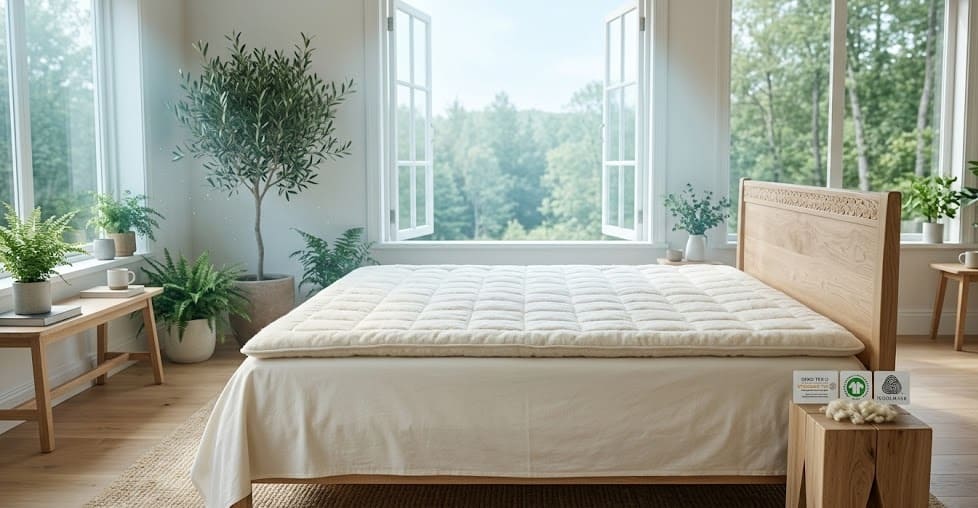
Merely surviving the night should never be the accepted standard for human rest. Waking up physically depleted, with an agonizing lumbar spine and stiffened, inflamed joints, is a profound biological warning that the environment is actively working against the anatomical framework.
Modern synthetic foundations, with their rigid, unyielding pressure points, suffocating thermal heat retention, and invisible, toxic chemical off-gassing, represent a systemic failure in the pursuit of wellness. To persistently ignore these severe neurological distress signals and continue subjecting the physical form to a hostile resting surface is a critical error in long-term health management, bordering on severe environmental self-neglect.
The integration of this exceptionally crafted, biological product offers a transformative medical and emotional intervention. By utilizing the responsive buoyancy of botanical elastomers to deliver active, zero-gravity contouring, this solution definitively resolves the mechanical crushing of soft tissues and delicate fascial networks.
It systematically realigns the vertebral column and eliminates the localized trauma that triggers sympathetic nervous system arousal. Simultaneously, the deployment of premium biological fleece establishes an unparalleled, pristine microclimate, dynamically managing ambient humidity and thermal energy to prevent the drastic physiological disruptions that relentlessly fracture the nocturnal cycle.
Furthermore, establishing an impenetrable, organic shield against the continuous, toxic emission of industrial VOCs is an absolute necessity for respiratory longevity and immunological integrity. Achieved through uncompromising, sustainable practices, this precise intervention ensures that the resting environment is entirely free from hazardous petroleum derivatives, providing an eco-friendly sleep sanctuary that meets the most stringent international certifications.
When investing in a deeply restorative space, one is not merely purchasing a superfluous layer of padding; one is securing the fundamental biological foundation for a good night’s sleep. True relief is found exactly at the intersection of perfect structural alignment, pristine air quality, and profound, adaptive thermal regulation.
By embracing this supreme botanical upgrade, individuals can finally cease the nightly, agonizing battle against an unyielding environment, facilitating a state of deep relaxation and unlocking the profound, restorative recovery that human physiology desperately requires to thrive.
What We Could Verify
We could verify the published material composition, 3-inch loft, 4,000gsm fill weight, cotton percale cover, hand-tufted construction, elastic straps, listed certifications, manufacturer care instructions, available sizes, and five-year warranty.
We also verified that the product is positioned as a premium wool-and-latex comfort topper rather than a solid latex support layer.
What We Could Not Verify
We could not independently verify:
- long-term comfort after months or years of daily use;
- how evenly the loose wool and latex fill maintains its loft;
- whether the topper develops lumps or compressed areas;
- real-world temperature performance for hot sleepers;
- suitability for specific body weights and sleeping positions;
- improvement in back, hip, shoulder, or joint pain;
- customer service and warranty handling;
- return-shipping costs and ease of returning a bulky product;
- durability beyond the manufacturer’s warranty period.
Final Verdict: Is the myWoolly Latex Topper Worth Buying?
The myWoolly Latex Topper is worth considering if you have a supportive mattress that feels too firm and you want a plush surface made primarily from wool, cotton, and natural latex.
Its strongest selling points are its substantial 3-inch loft, responsive latex-noodle fill, breathable wool layers, hand-tufted construction, and lack of traditional memory foam. It may be especially attractive to shoppers who prefer natural bedding materials and do not mind periodic fluffing and more demanding care instructions.
Skip it if your mattress is sagging, you need firm structural support, you want a lightweight machine-washable topper, or you are shopping on a limited budget. It is also the wrong purchase if you expect a mattress topper to treat chronic pain, allergies, poor sleep, or another health condition.
Overall, this is a premium comfort upgrade for a specific type of buyer—not a universal solution and not a replacement for a worn-out mattress.
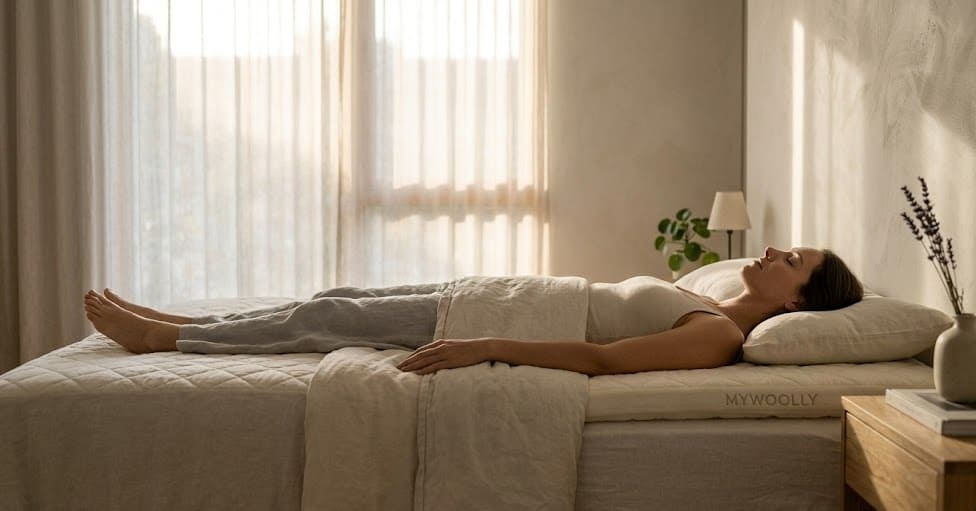
Can the myWoolly Latex Topper Make a Firm Mattress More Comfortable?
It may make a firm mattress feel softer and more cushioned by adding three inches of wool and responsive latex-noodle fill. However, comfort is subjective, and the topper cannot repair sagging, broken springs, weak edges, or an unsuitable mattress support system.
Persistent or severe back pain should not be treated as a mattress-shopping problem alone. Consider speaking with a qualified healthcare professional before relying on a bedding product for pain management.
What Do the OEKO-TEX and WOOLMARK Certifications Verify?
The manufacturer states that the cotton cover and wool filling are certified under OEKO-TEX Standard 100, while the wool filling is also WOOLMARK certified.
These certifications provide information about material testing and wool quality. They should not be interpreted as proof that the topper is completely allergy-proof, suitable for every infant, capable of blocking emissions from another mattress, or able to treat chemical sensitivities.
Anyone with a known wool or latex allergy should seek appropriate professional advice before purchasing.
Can I Machine Wash the myWoolly Latex Topper?
Machine washing is not recommended for routine care because the topper is large, heavy, and difficult to dry. Spot cleaning, airing, periodic fluffing, and using a fitted sheet are more practical.
The manufacturer nevertheless states that machine washing is possible in cold water on a wool or delicate cycle without agitation or spinning. Use an approved wool detergent. Air dry completely or tumble dry on low heat. Do not bleach or iron.
For major stains, eco-friendly dry cleaning with limited moisture is recommended. Always check the latest care label and manufacturer instructions before washing.