Table of Contents
MindReset.org may earn a commission if you buy through our links. This does not increase your price and does not affect our editorial judgment.
Somnee sleep headband review
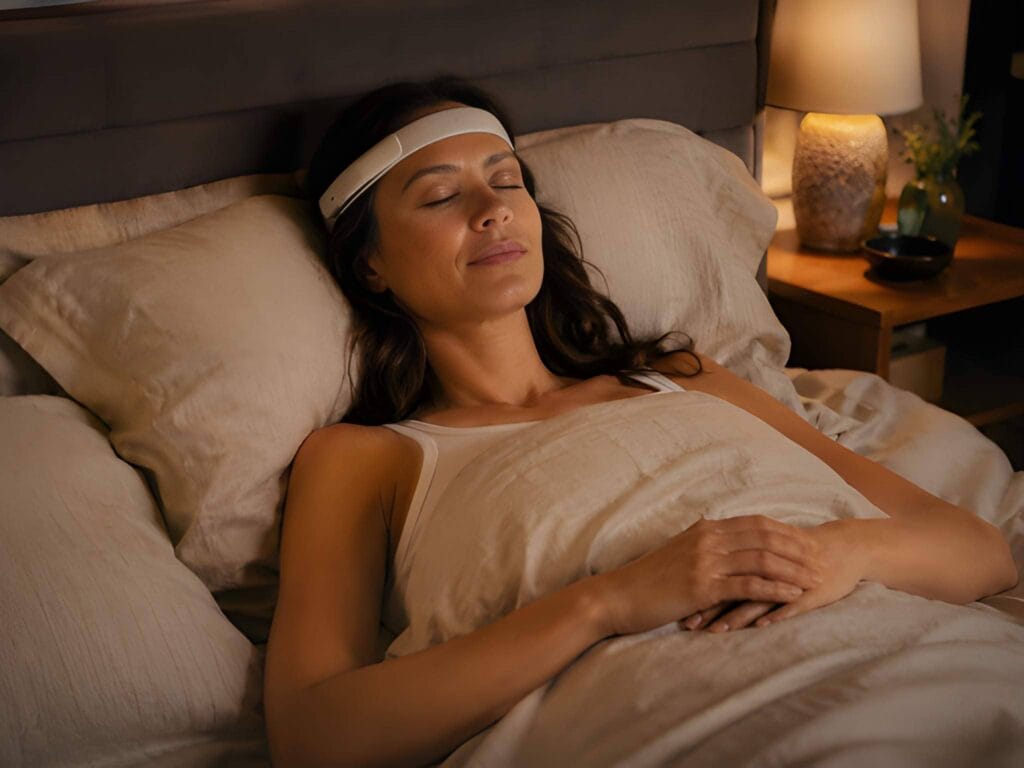
Somnee is a smart sleep headband designed to be used for 15 minutes before bed. It combines EEG-based sleep data, personalized neurostimulation, a sleep readiness score, and app-based sleep tracking to help users build a more intentional bedtime routine.
This Somnee review is not about pretending that one wearable can magically fix your night’s sleep. The real question is more practical: does the Somnee Smart Sleep Headband deserve a place in your wind-down routine, or should you first fix your sleep hygiene, light exposure, noise control, digital detox, and bedroom environment?
Research note: We have not personally tested Somnee yet. This guide is based on product specifications, public documentation, available research, user feedback, and comparison with similar sleep tools.
Health note: Somnee is a wellness and sleep routine tool, not a medical treatment. Do not use this review as medical advice. If you have a medical condition, implanted electrical device, seizure history, pregnancy concerns, or serious sleep problems, speak with a qualified clinician before using any neurostimulation device.
Quick Verdict: Is Somnee Worth It for Better Sleep?
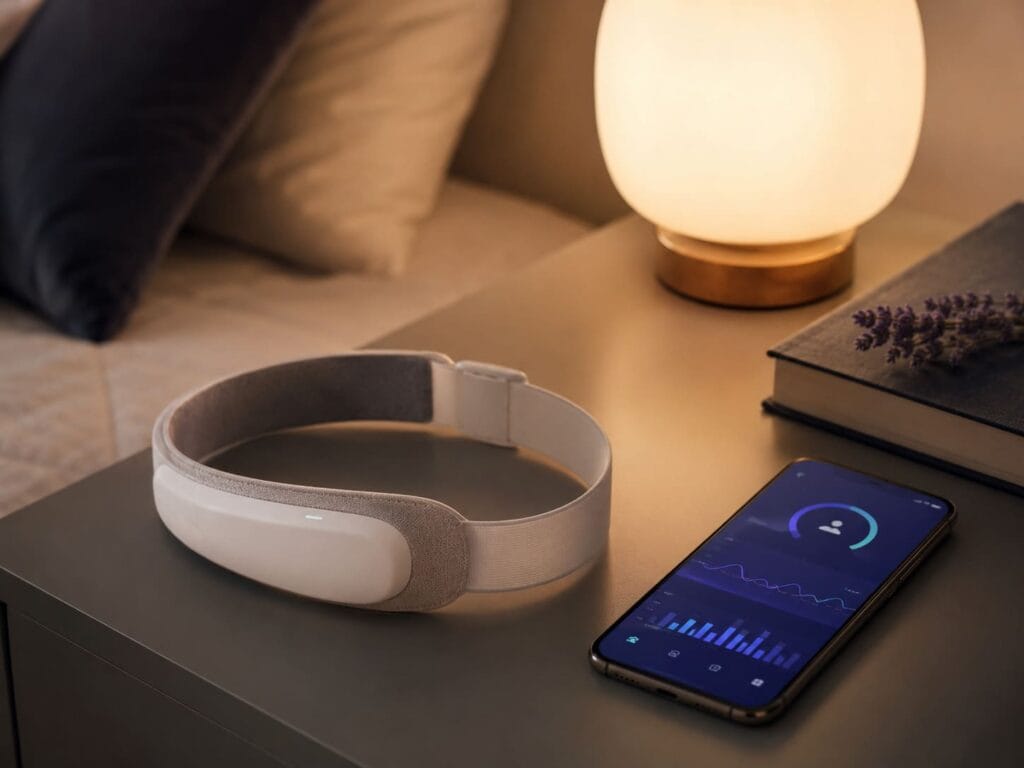
Somnee may be worth considering if you want a structured pre-sleep routine, like sleep data, and are comfortable using a wearable sleep device before bed.
The strongest reason to use Somnee is not just the stimulation itself. It is the routine. You stop scrolling, prepare for bed, wear Somnee for a short session, and give your brain’s evening system a clear signal that the day is ending.
Somnee is not the first thing I would recommend if your sleep environment is still chaotic. If your bedroom is bright, noisy, hot, full of screens, and your bedtime changes every night, fix those basics first. A smart sleep headband cannot fully compensate for poor sleep hygiene. If your room is still too bright, noisy, or inconsistent, start with our sleep-friendly bedroom setup guide before buying advanced sleep technology.
Best for: people who want a premium sleep aid, a repeatable wind-down routine, personalized sleep data, and a more active alternative to a passive sleep tracker.
Not ideal for: people who want a cheap solution, dislike electrodes, hate subscriptions, or expect a headband to force better sleep without changing their routine.
What Is the Somnee Smart Sleep Headband?
The Somnee Smart Sleep Headband is a wearable sleep technology device designed for short pre-bed sessions. Unlike a watch or ring that mostly tracks sleep after the fact, Somnee is used before sleep begins.
The headband uses sensors and EEG-style readings to map your brain activity, then delivers gentle electrical stimulation through electrodes. Somnee calls this personalized neurostimulation. The idea is to personalize the session based on your sleep data and support sleep readiness before you go to bed.
You do not wear Somnee all night like a sleep tracker. Instead, you use Somnee for 15 minutes before bed. After the Somnee session, the app provides a sleep report and sleep readiness score, helping you understand your overall sleep performance and patterns.
In simple terms, Somnee is built for people who want more than a sleep journal, but do not want to wear a device through the entire night.
How Does Somnee Work with Personalized Neurostimulation?
Somnee works by combining sleep tracking, EEG data, sensors, electrodes, and personalized stimulation. The headband is designed to sit on your forehead and deliver a short pre-sleep session before bedtime.
Somnee uses transcranial alternating current stimulation, often shortened to tACS. In consumer language, that means the device delivers gentle electrical stimulation through the headband. The company positions this as a way to support optimal sleep pathways and sleep readiness.
That does not mean Somnee should be treated as a cure for sleep problems. It is better to understand it as an advanced sleep tool that may help some users build a stronger bedtime routine and become more aware of their sleep quality.
The basic process is simple:
- Prepare for bed.
- Open the Somnee app.
- Put on the headband.
- Hold the headband button if required.
- Start the Somnee session.
- Use Somnee for 15 minutes.
- Go to bed without adding more digital stimulation.
The technology is interesting, but the routine around the technology matters just as much. If you want a lower-tech starting point, simple breathing techniques before bed can support the same wind-down habit without adding another device.
Somnee vs Sleep Tracker: Sleep Tracking or Sleep Readiness Tool?
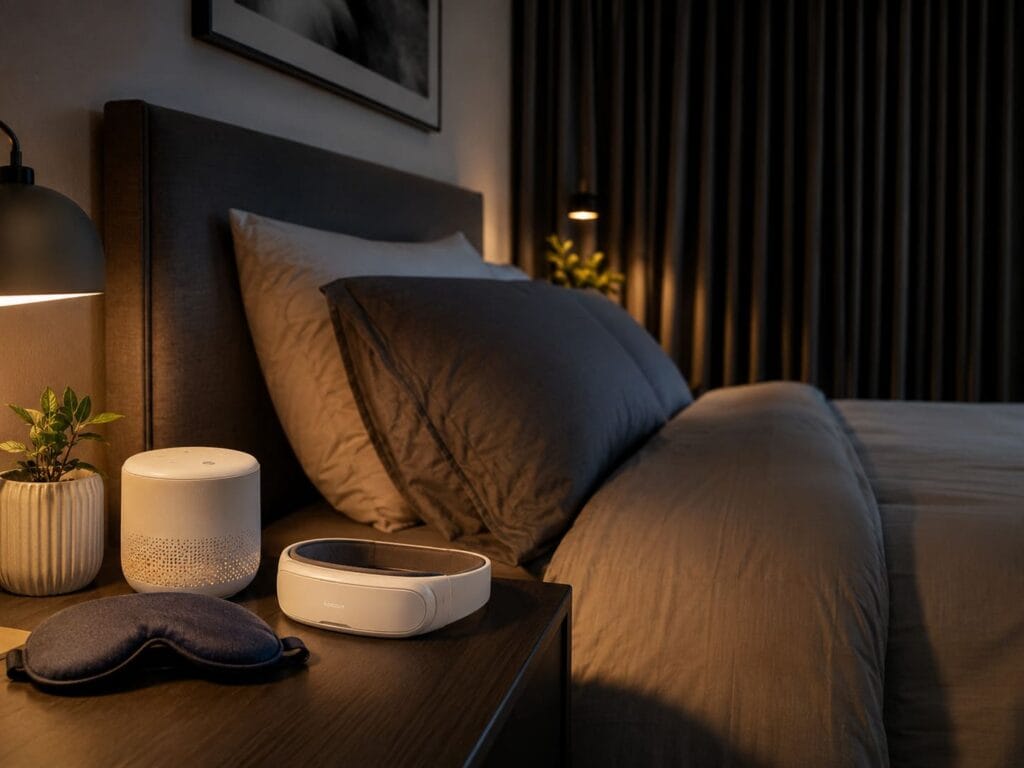
A normal sleep tracker records what happened. Somnee tries to influence the pre-sleep window before your night begins.
That is the key difference.
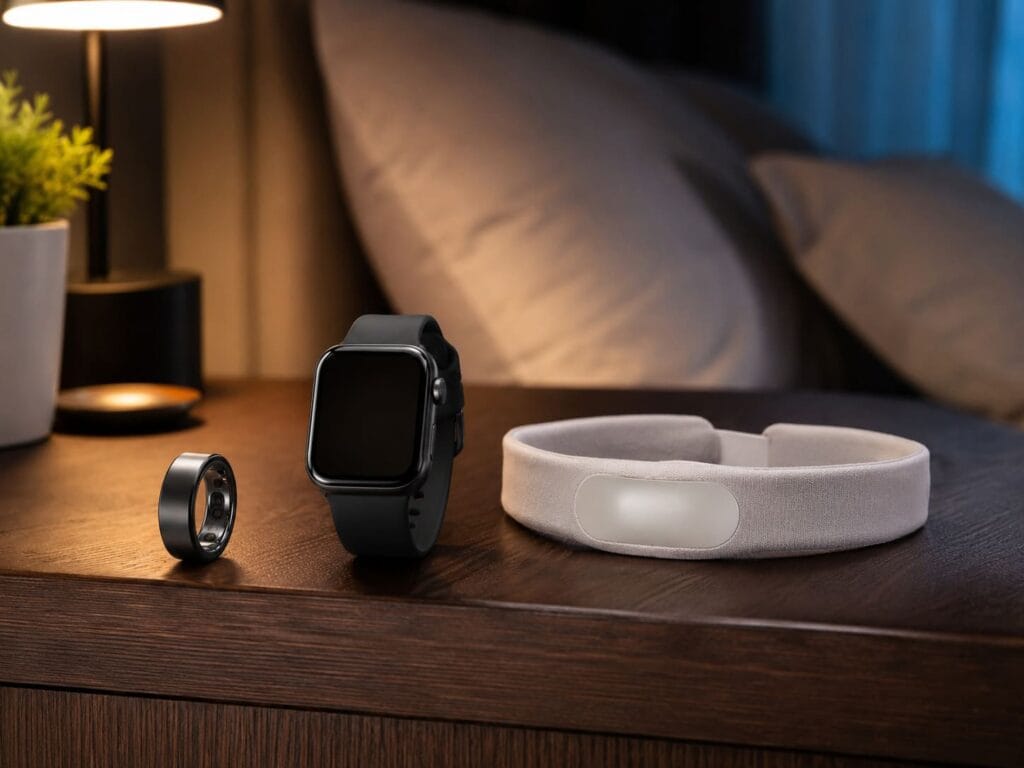
A smart ring or watch can track sleep stages, total sleep time, sleep onset, wake time, and overall sleep quality. But it usually does not become part of your wind-down ritual. You wear it, sleep, and check the report later.
Somnee is more active. The headband you wear before bed becomes a structured step in your routine. It asks you to stop, sit still, use the app, and prepare for sleep.
That can be valuable for people who need friction between daytime mode and bedtime mode. But it can also be annoying for people who want fewer devices, fewer apps, and less technology before bed. If you are comparing active sleep tools with calming wearables, our Apollo Neuro review may help you decide whether you need a daytime regulation tool or a dedicated pre-sleep device.
So the buyer question is not simply “Does Somnee track sleep?” The better question is: “Do I want a smart sleep headband that becomes part of my bedtime behavior?”
Smart Sleep Headband Claims: What Can Somnee Really Do?
Somnee’s marketing focuses on better sleep, sleep readiness, personalized neurostimulation, restorative rest, and improved sleep performance. These claims sound attractive, especially if you struggle to fall asleep or wake up in the middle of the night.
But buyer judgment matters.
Do not treat smart sleep headband claims as guaranteed personal results. A device may support a routine, but your results can depend on many factors: sleep schedule, caffeine, alcohol, stress, light exposure, noise, room temperature, screen use, and consistency.
Somnee may help some users fall asleep faster, stay asleep longer, or feel more prepared for sleep. But the article should not present Somnee as a treatment for insomnia, anxiety, PTSD, depression, or any medical condition.
A safer and more honest framing is this:
Somnee is a premium wearable sleep tool designed to support sleep readiness and a more intentional bedtime routine. It may be useful for people who already care about sleep hygiene and want personalized sleep data plus a structured pre-bed session.
That is a stronger position than pretending Somnee can replace basic sleep habits.
Who Should Use Somnee for 15 Minutes Before Bed?
Somnee is most likely to make sense for people who already take sleep seriously.
You may be a good fit if you want to improve sleep through a consistent bedtime routine, not just buy another gadget. You may also like Somnee if you enjoy sleep tracking, sleep reports, wearable technology, and personalized data.
Somnee may work well for people who:
- Want a structured 15 minutes before bed.
- Like the idea of a sleep readiness score.
- Want sleep data in the Somnee app.
- Prefer a pre-sleep tool instead of an overnight wearable.
- Are comfortable with electrodes and sensors.
- Want a smart sleep headband rather than a basic sleep mask.
- Already control light, noise, and digital stimulation before bed.
- Are willing to use Somnee consistently for several weeks.
The ideal Somnee buyer is not someone looking for a miracle. It is someone trying to build a better sleep system.
Who Should Skip Somnee as a Sleep Aid?
Skip Somnee if your sleep routine is still a mess.
A premium headband should not be your first move if you still scroll in bed, drink caffeine late, use bright lights at night, sleep in a noisy room, or go to bed at random times. In that case, Somnee may become an expensive distraction from easier fixes. For readers whose main problem is phone use before bed, digital detox tools may be a better first purchase than a premium sleep headband.
You should probably skip Somnee if:
- You dislike forehead wearables.
- You do not want electrodes.
- You hate subscription or membership models.
- You want a low-cost sleep aid.
- You already abandon devices after a few nights.
- You want something your partner can also use.
- You need medical support for serious sleep problems.
- You expect technology to replace sleep hygiene.
Somnee membership, electrode replacement, app use, charging, and setup all matter. If that sounds like too much friction, a simpler sleep tool may be a better first step.
Where Somnee Fits in a Sleep Routine for Restorative Rest
Somnee fits best near the end of your evening routine, not at the beginning.
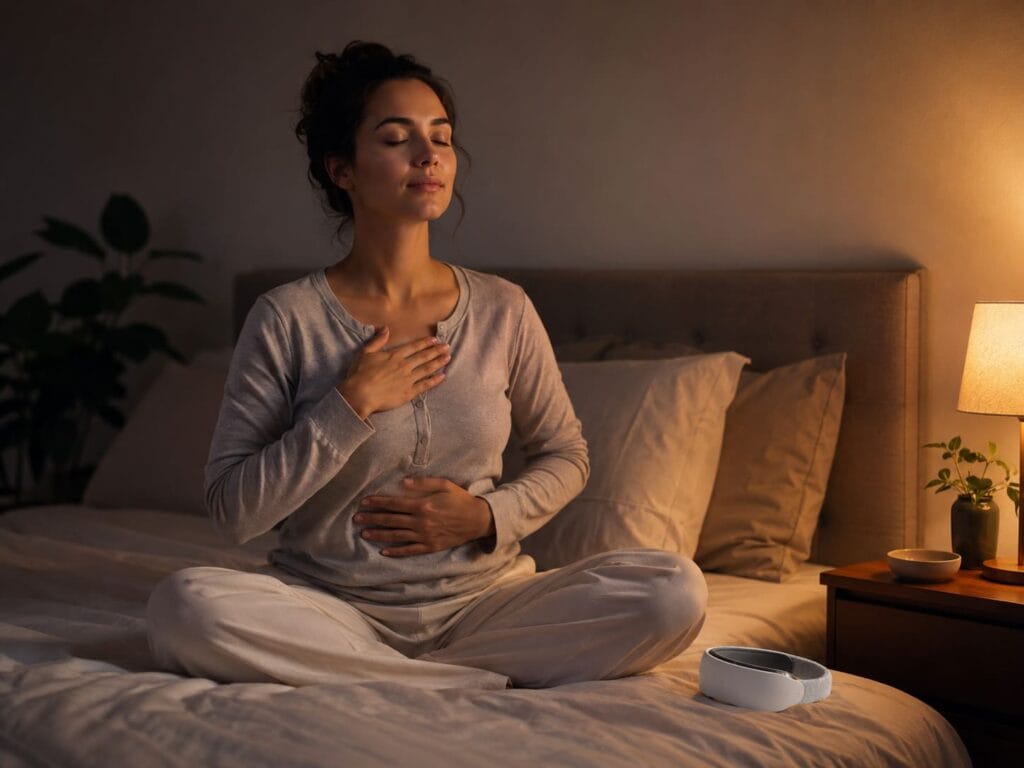
A strong sleep routine should reduce stimulation in layers. First, you lower light. Then you reduce noise. Then you stop digital input. Then you calm the body with breathing, stretching, reading, or a shower. Then Somnee can become the final structured step before bed.
Here is a practical routine:
| Time Before Bed | Action | Why It Helps | Possible Tool |
|---|---|---|---|
| 90 minutes | Stop heavy work and stressful tasks | Reduces mental activation | Calendar block or task dump |
| 60 minutes | Lower light and use warm lamps | Makes the environment less stimulating | Amber lamp or dimmer |
| 45 minutes | Start digital detox | Reduces scrolling and emotional input | App blocker or phone outside bedroom |
| 30 minutes | Prepare the sleep environment | Supports quality sleep | Blackout curtains, sleep mask, white noise |
| 20 minutes | Breathing, reading, shower, or stretching | Creates a wind-down cue | Breath timer or paperback book |
| 15 minutes | Use Somnee before bed | Adds a structured pre-sleep session | Somnee Smart Sleep Headband |
| Bedtime | No phone in bed | Protects the bed-sleep connection | Analog alarm clock |
This is where Somnee makes sense: not as the whole routine, but as a premium layer inside a routine that already works.
Sleep Readiness Score, Sleep Data, and Sleep Performance
One of Somnee’s more interesting features is the sleep readiness score. The idea is simple: instead of only seeing your sleep report after the night is over, you get a pre-bed signal that helps you understand how prepared you may be for sleep.
For data-driven users, this can be useful. A sleep readiness score can turn bedtime from guesswork into a more visible pattern. If your score is low after late screen use, poor routine, bright light, or stress, that feedback can help you change behavior.
The Somnee app also gives sleep data and sleep performance feedback. This can function like a sleep journal, but with more technology behind it. Instead of writing “I slept badly,” you get a report in the Somnee app with tracked patterns.
Still, be careful. Sleep data can help, but it can also create obsession. If checking your sleep report makes you more stressed, you may need less tracking, not more.
Sleep Hygiene, Light, Noise, and Bedtime Control Still Come First
Sleep hygiene is not exciting, but it matters.
Before you buy Somnee, look at the basics:
- Is your bedroom dark?
- Is your room quiet enough?
- Is your phone outside the bed area?
- Do you keep a regular bedtime?
- Do you avoid bright light close to bed?
- Do you use caffeine too late?
- Is your bedroom temperature comfortable?
- Do you give yourself a wind-down period?
If the answer is no, Somnee should not be your first sleep investment.
Start with a better sleep environment. Add blackout curtains or a sleep mask. Control noise. Reduce digital stimulation. Use breathing before bed. Build a consistent bedtime. Then decide whether Somnee can support that system.
A smart sleep headband is more useful when it sits on top of strong basics.
Somnee Membership, Electrodes, and Daily Setup Costs
Somnee is not only a headband purchase. The Somnee membership matters too.
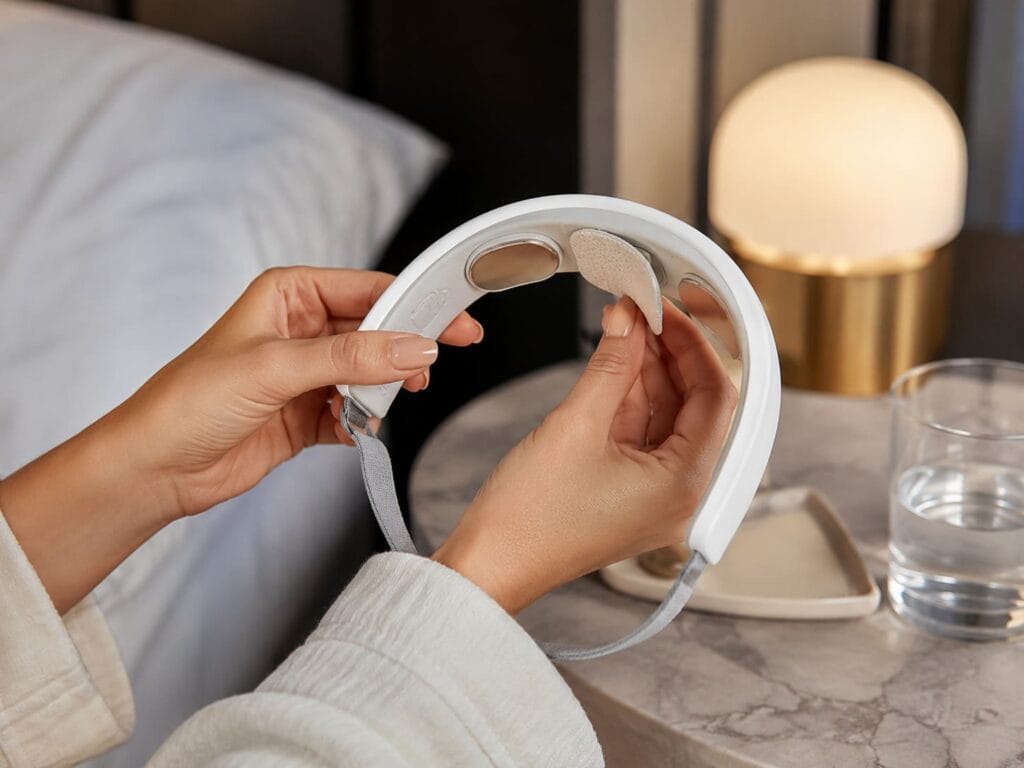
The device uses electrodes, app features, personalization, and ongoing consumables. That may be acceptable if you value the system, but it is still a buyer consideration.
Before buying Somnee, ask:
- What is included with the headband?
- How often do electrodes need replacement?
- What does the Somnee membership cost?
- Can I use Somnee without ongoing costs?
- What happens if I stop the membership?
- Is there a return policy?
- Is there a warranty?
- Will I realistically use this every night?
Daily setup also matters. You need to wear Somnee correctly, use the app, place the headband properly, and complete the Somnee session. If you want a zero-effort sleep aid, this may feel like too much.
That does not make Somnee bad. It just means the buyer needs to understand the friction before ordering.
What We Could Verify About Somnee 2.0 and the Headband
We could verify that Somnee is positioned as a smart sleep headband for use before bed.
We could verify that Somnee uses EEG-style sleep data, sensors, electrodes, and personalized neurostimulation.
We could verify that Somnee is designed around a short pre-sleep session rather than wearing the headband all night.
We could verify that the Somnee app provides sleep tracking, sleep reports, and sleep readiness features.
We could verify that Somnee 2.0 is positioned as an updated version of the device with sleep-focused technology and app-based personalization.
We could verify that Somnee offers a membership model and that buyers should check current pricing, electrode replacement details, trial terms, and warranty before purchasing.
What We Could Not Verify About Long-Term Sleep Quality
We could not verify long-term comfort over months of nightly use.
We could not verify app stability across all phones and operating systems.
We could not verify battery degradation after long-term use.
We could not verify customer support quality in real-world problem cases.
We could not verify whether users with sensitive skin will tolerate the electrode system.
We could not verify whether most buyers will continue to wear Somnee consistently after the novelty wears off.
We could not verify whether Somnee will improve sleep for every user. No sleep device should be treated as a guaranteed result.
Somnee Alternatives: Sleep Journal, Breathing, and Environment Tools
Somnee is not the only way to support a better night’s sleep.
If your main issue is light, start with blackout curtains, warm lamps, or a proper sleep mask.
If your main issue is noise, try white noise, brown noise, earplugs, or sleep headphones. For a cheaper bedtime audio option, Musicozy sleep headphones are a simpler alternative to a premium sleep headband.
If your main issue is digital overstimulation, start with a phone-free bedroom, app blockers, or a charging station outside the bed.
If your main issue is stress before bed, try breathing, meditation, journaling, or a simple evening routine before buying advanced sleep technology.
If you want sleep tracking without pre-sleep stimulation, a smart ring or wearable sleep tracker may be easier. If your goal is meditation feedback rather than sleep readiness, a Muse meditation headband may be a better match than Somnee.
If you want a premium active sleep tool and like the idea of personalized neurostimulation, Somnee is more relevant.
FAQ About Somnee Sleep Headband Review
Is Somnee a normal sleep tracker?
No. Somnee includes sleep tracking features, but it is not just a passive sleep tracker. It is a smart sleep headband designed for a pre-bed neurostimulation session.
Do you wear Somnee all night?
No. Somnee is designed to be used before bed, usually for a short session. That may appeal to people who dislike wearing devices overnight.
What is Somnee’s sleep readiness score?
The sleep readiness score is designed to give feedback on how prepared you may be for sleep. It can help users connect routine, behavior, and sleep data.
Does Somnee help you fall asleep faster?
Somnee is designed to support sleep readiness and better sleep routines, but results can vary. It should not be presented as a guaranteed way to fall asleep faster.
Can Somnee help you stay asleep?
Some users may be interested in Somnee because they wake up in the middle of the night or want more restorative sleep. However, Somnee should not be treated as a medical treatment or guaranteed solution.
Is Somnee safe?
Somnee is a consumer wellness device, but not everyone should use neurostimulation technology without medical guidance. If you have medical concerns, implanted electrical devices, seizure history, pregnancy concerns, or serious sleep problems, speak with a clinician first.
Is Somnee worth it?
Somnee may be worth it if you want a premium sleep tool, like sleep data, and will consistently use the headband before bed. It is probably not worth it if you have not fixed basic sleep hygiene, light, noise, bedtime, and digital detox habits.
What is the biggest downside of Somnee?
The biggest downside is friction: price, Somnee membership, electrodes, app use, charging, correct placement, and the need to use Somnee consistently.
Final Verdict: Should You Try Somnee for Better Sleep?
Somnee is best understood as an advanced sleep routine tool, not a magic fix.
The Somnee Smart Sleep Headband may be a good fit if you want a structured 15 minutes before bed, personalized neurostimulation, sleep tracking, a sleep readiness score, and a more intentional wind-down routine.
But Somnee should not be your first step if your sleep environment is still poor. Fix light, noise, digital stimulation, bedtime consistency, and basic sleep hygiene first. Then decide whether a smart sleep headband belongs in your routine.
Buyer verdict: Try Somnee if you want a premium wearable sleep tool and are comfortable with the cost, electrodes, membership, and daily setup. Skip it if you want a simple, cheap, low-friction sleep aid.
Before buying: check the current Somnee price, Somnee membership terms, electrode replacement costs, trial period, return policy, and warranty.