Table of Contents
Openrock Review
MindReset.org may earn a commission if you buy through our links. This does not increase your price and does not affect our editorial judgment.
Research note: We have not personally tested every OpenRock product discussed on this page yet. This guide is based on product specifications, public documentation, available research, user feedback, and comparison with similar open-ear headphones.
Listening and safety note: Open-ear headphones do not guarantee that you will hear every vehicle, warning, person, or hazard around you. Keep the volume moderate, follow local rules, and avoid using headphones when full attention to traffic, machinery, driving, cycling, or workplace hazards is required. Open-ear listening also does not remove the risk associated with excessive volume.
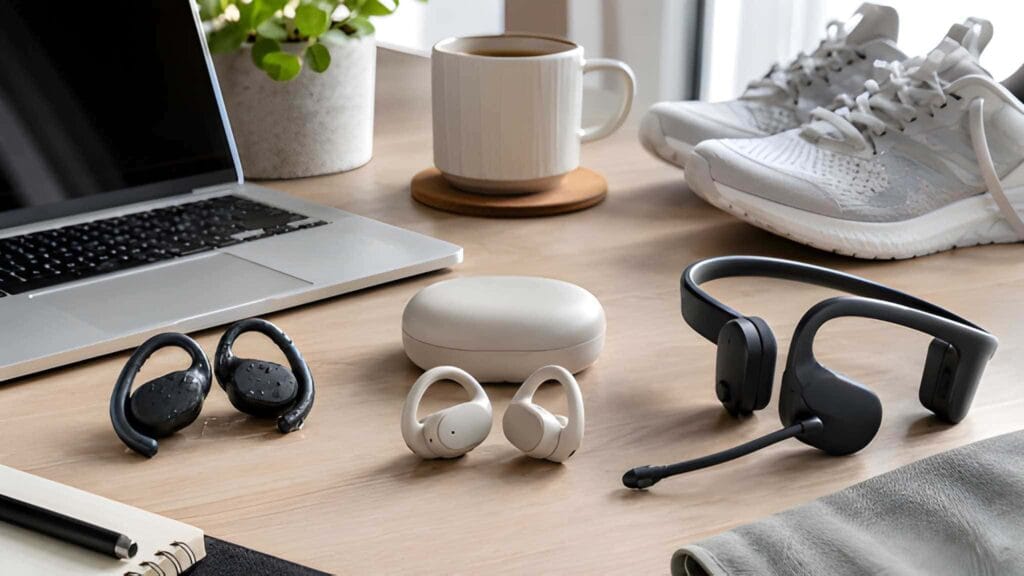
OpenRock is a brand focused on open-ear earbuds and air conduction audio. Instead of sealing your ear canal like traditional in-ear earbuds, OpenRock earbuds sit outside the ear and let you stay aware of background sounds while you listen to music, take calls, train outdoors, or work.
This OpenRock review compares three important models: OpenRock X, OpenRock S2, and OpenRock Link 20. The goal is simple: help you decide which OpenRock headphone makes the most sense for workouts, walking, running, focus sessions, work calls, podcasts, and everyday listening.
If you want deep bass, strong noise cancellation, or full isolation from noisy environments, OpenRock may not be the right category. But if you want open-ear comfort, awareness, clear calls, and a more breathable listening experience, this guide will help you choose the right model.

Quick verdict: which OpenRock earbuds should you buy?
Based on the current specifications and product positioning, OpenRock X is the strongest all-round option to compare if you want an adjustable open-ear sport model for workouts and everyday listening.
OpenRock S2 is the better lower price option. It is lighter, cheaper, and still designed as open-ear air conduction sport earbuds. It makes sense if you want good sound, basic workout use, and open-ear design without paying flagship pricing.
OpenRock Link 20 is not the best choice for pure sport use. It is the work-call option. The magnetic mic, AI noise reduction, simultaneous connection, and work/play mode make it better for remote meetings, voice calls, online classes, and hybrid work.
OpenRock comparison table: X vs S2 vs Link 20
| Model | Best for | Main strength | Watch out for | Buyer verdict |
|---|---|---|---|---|
| OpenRock X | Running, workouts, walking, everyday use | Best all-round open-ear air conduction sport earbuds | Higher price than S2 | Best all-round fit on paper |
| OpenRock S2 | Budget sport use, casual listening, lighter fit | Lower price and lightweight design | Not as premium as OpenRock X | Best value pick |
| OpenRock Link 20 | Work calls, remote meetings, hybrid work | Magnetic mic and clear voice focus | Less sport-focused than X or S2 | Best for calls |
If you want one simple answer, OpenRock X is the safest recommendation for most buyers. It has the strongest mix of sport use, open-ear comfort, battery life, sound quality, and general everyday value.
Choose OpenRock S2 if price matters more than premium features. Choose OpenRock Link 20 if your main problem is not workouts, but calls, meetings, and clear voice capture.
What is OpenRock, and who are these open-ear earbuds for?
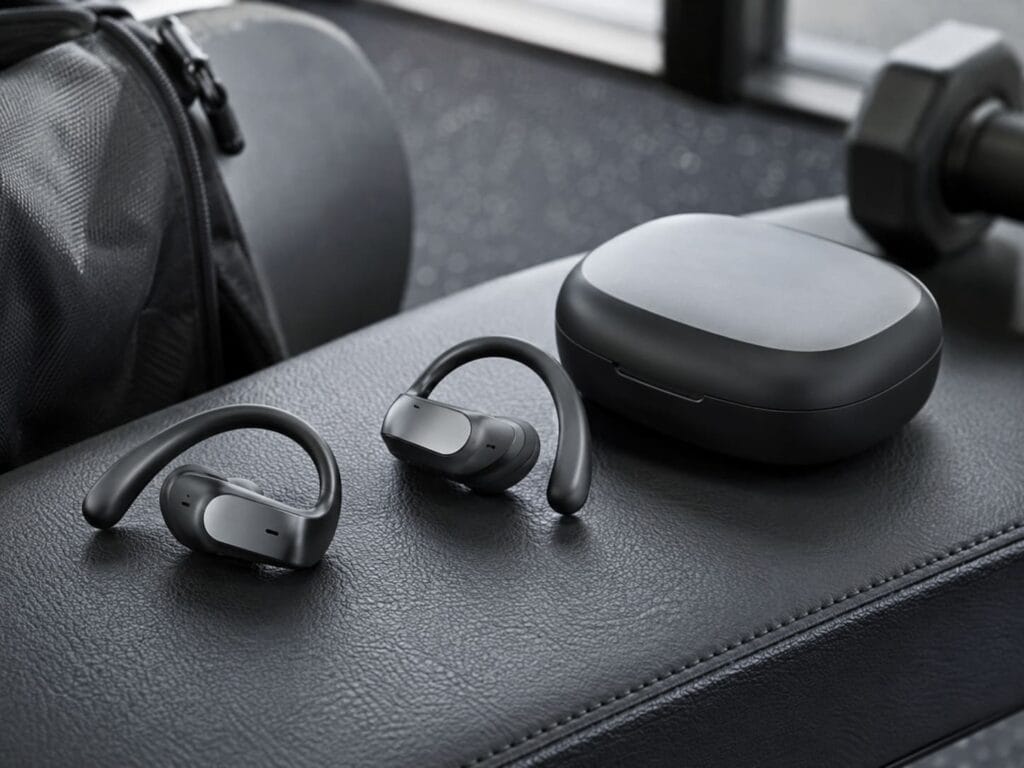
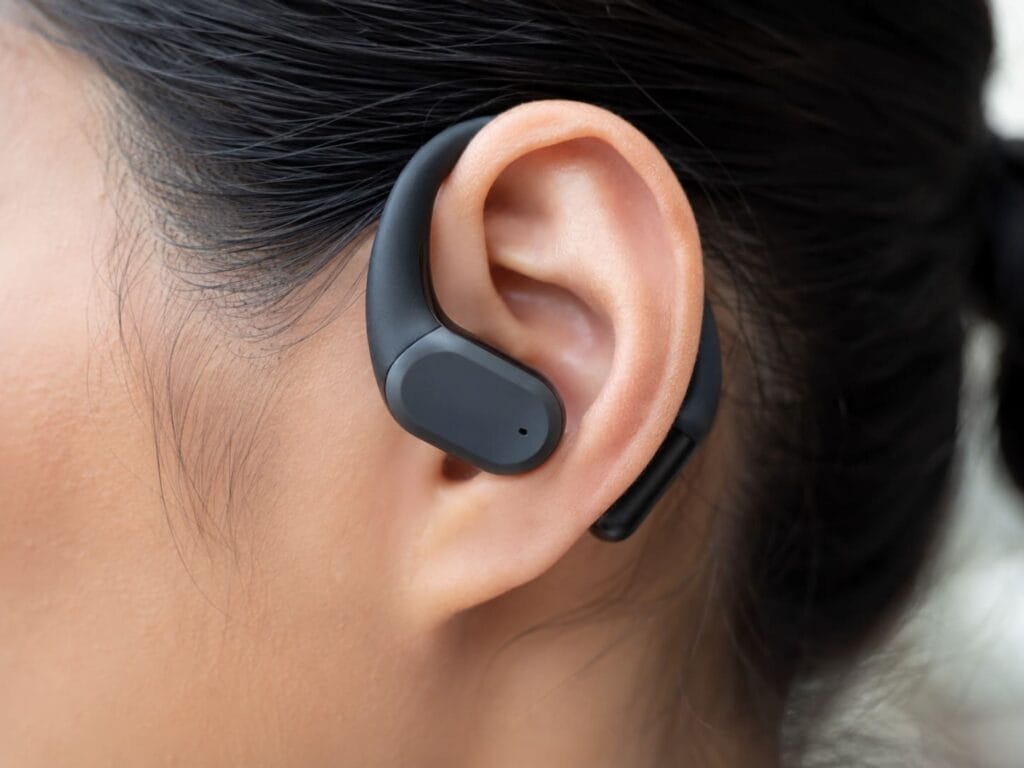
OpenRock makes open-ear earbuds that use air conduction instead of going inside the ear canal. That means the earbud does not seal your inner ear the way traditional in-ear earbuds do. For some people, this open-ear design feels more comfortable during longer listening sessions because there is less pressure inside the ear.
The trade-off is simple. Open-ear earbuds are not designed to block the world. You stay aware of background sounds, which can be useful for running, walking, cycling, office awareness, outdoor workouts, and situations where you still want to hear what is happening around you. If your bigger goal is reducing phone distraction, compare these with our digital detox tools.
OpenRock is most interesting for people who want a headphone they can wear while staying aware of their surroundings. If you want to listen to music, podcasts, calls, or coaching audio without feeling sealed off, OpenRock belongs on your shortlist.
How does air conduction compare with bone conduction?
OpenRock uses air conduction, not classic bone conduction. Bone conduction headphones send vibration through bone near the ear. Air conduction earbuds use speaker-style sound delivery near the ear opening, without putting the earbud deep inside the ear canal.
For most buyers, the practical question is not which technology sounds more impressive. The real question is which one gives you better comfort, good sound, stable fit, and enough awareness for your use case.
Compared with bone conduction options like Shokz OpenRun Pro, OpenRock tries to deliver a more traditional listening experience while keeping the open-ear feel. That can mean better bass and rhythmic music playback than some bone conduction headphones, but it can also mean some sound leakage in quiet rooms.
OpenRock X Open-Ear Air Conduction Sport Earbuds Review
OpenRock X is the flagship choice in this OpenRock review. It is positioned as OpenRock X Open-Ear Air Conduction Sport Earbuds with BassDirect™, LISO 2.0 Algorithm, adjustable ear hooks, IPX5 protection, 4-mic noise reduction, Bluetooth 5.3 multi-point connection, and long playback time with the charging case.
The strongest reason to choose OpenRock X is balance. It is not only for work calls, and it is not only for budget buyers. It is the model I would look at first if I wanted open-ear earbuds for running, gym sessions, walking, podcasts, and general everyday use.
The OpenRock X open-ear design also makes sense if you dislike traditional in-ear earbuds. Because the earbud sits outside the ear canal, you avoid the plugged feeling that some people get from in-ear earbuds. The ear hook and adjustable fit matter here because open-ear earbuds need to stay in place without relying on a tight in-ear seal.

OpenRock X sound quality, BassDirect, audio quality, and air conduction
OpenRock X is marketed around BassDirect™ and the LISO 2.0 algorithm. In simple terms, the brand is trying to solve one of the classic open-ear problems: bass. Open-ear earbuds often struggle with deep bass because they do not seal the ear canal.
That does not mean OpenRock X will sound like sealed in-ear earbuds or premium over-ear headphones. It means the product is designed to give stronger bass and better audio quality than basic open-ear models. For running playlists, podcasts, and daily listening, this should be enough for many users.
But if your priority is studio-level detail, heavy bass, or quiet-room listening without leakage, be realistic. Open-ear earbuds can sound good, even great sound for the category, but they are still open-ear. Environmental noise will affect the listening experience more than it would with closed or in-ear designs.
Current specification check: OpenRock currently lists Bluetooth 5.3 multipoint, IPX5 water resistance, 12 hours of earbud playback, up to 48 hours with the charging case, a 12-gram weight per earbud, app control, and five-minute quick charging for approximately one hour of playback. Battery figures are based on manufacturer testing and may vary with volume, calls, connection quality, and usage.
OpenRock S2 Open-Ear Air Conduction Sport Earbuds Review
OpenRock S2 is the lower-cost sport option in this comparison. OpenRock currently lists a 7-gram earbud weight, Bluetooth 6.0 with multipoint connection, BassDirect technology, LDAC and Hi-Res Audio support, four microphones for call-noise reduction, IPX5 water resistance, up to eight hours of earbud playback, and up to 32 hours with the charging case. These are manufacturer-listed specifications and were not independently measured by MindReset.
The biggest reason to choose OpenRock S2 is price. If you want air conduction earbuds for casual workouts, walking, outdoor use, and open-ear comfort, S2 may be enough. You still get the core open-ear design, awareness, and sport-friendly positioning without jumping to the flagship OpenRock X.
Choose OpenRock S2 if you are not sure whether open-ear earbuds are your long-term preference. It is the easier entry point. Skip it if you already know you want the more premium model, stronger adjustability, or the full OpenRock X feature set.
OpenRock Link 20 Review: magnetic mic, Bluetooth, and clear calls
OpenRock Link 20 is the most different model here. It is not just another sport earbud. OpenRock positions it as a productivity headset with a magnetic mic, clear voice capture, noise reduction for calls, and work/play mode.
This is the model for calls. If you spend time in Zoom meetings, remote work sessions, client calls, online classes, or voice chats, Link 20 is more interesting than OpenRock X or OpenRock S2. The magnetic mic is the feature that changes the use case.
The buyer question is simple: do you need clear calls more than sport performance? If yes, Link 20 is the right OpenRock product to consider. If you mostly run, cycle, or listen to music outdoors, OpenRock X or OpenRock S2 makes more sense.
Are OpenRock earbuds good for work calls and noise reduction?
For work calls, the best pick is OpenRock Link 20. It is built around communication, magnetic mic use, AI noise reduction, and clear voice capture. If your main issue is switching between calls, tabs, and messages, a simple single-tasking routine may help more than another headset.
Important distinction: Microphone noise reduction is designed to make your voice clearer to the person on the other end of a call. It does not give the listener the sealed isolation or active noise cancellation provided by many in-ear or over-ear headphones.
OpenRock X and OpenRock S2 also include microphone systems, but they are sport earbuds first. They can work for casual calls, but Link 20 is the better choice if your buyer priority is call quality.
If you work in very noisy environments, manage expectations. AI noise cancelling and noise reduction can help with background noise, but no open-ear headset can fully control every environment. For serious calls, a dedicated boom mic usually wins.

Are OpenRock earbuds good for running, cycling, and workouts?
OpenRock X and OpenRock S2 are the models to look at for sport. The open-ear design helps you stay aware while running, walking, jogging, cycling, or training outdoors. Being able to hear background sounds can be important when cars, bikes, people, or announcements are around you.
The fit is the big buyer issue. Open-ear earbuds need to stay in place without the locked-in seal of in-ear earbuds. That is why the ear hook, snug fit, adjustable ear design, and overall adjustability matter more than they do with normal earbuds.
IPX5 and IPX5 rating language also matters for sport buyers. It is useful for sweat and light rain protection, but it does not mean you should swim with them or treat them like fully waterproof headphones.
Open-ear design does not make high-volume listening harmless. For independent U.S. guidance, the National Institute on Deafness and Other Communication Disorders recommends lowering headphone volume and limiting exposure to loud sound. See its guide to how loud is too loud.
Battery life, charging case, USB-C, and playback
Battery life is one of the key practical reasons to compare OpenRock models carefully. OpenRock X is positioned with impressive battery life and long playback when used with the charging case. That is useful if you want fewer charging interruptions.
For any model, check single charge time, total playback with the case, charging case size, and whether USB-C charging is included. A compact charging case is useful for travel, gym bags, and commuting. A bulky case can be annoying if you carry it every day.
If you listen to music, podcasts, and calls throughout the day, battery life becomes more important than one dramatic feature. The best open-ear earbuds are the ones you actually keep charged and use.
OpenRock app, touch controls, custom EQ, and Bluetooth features
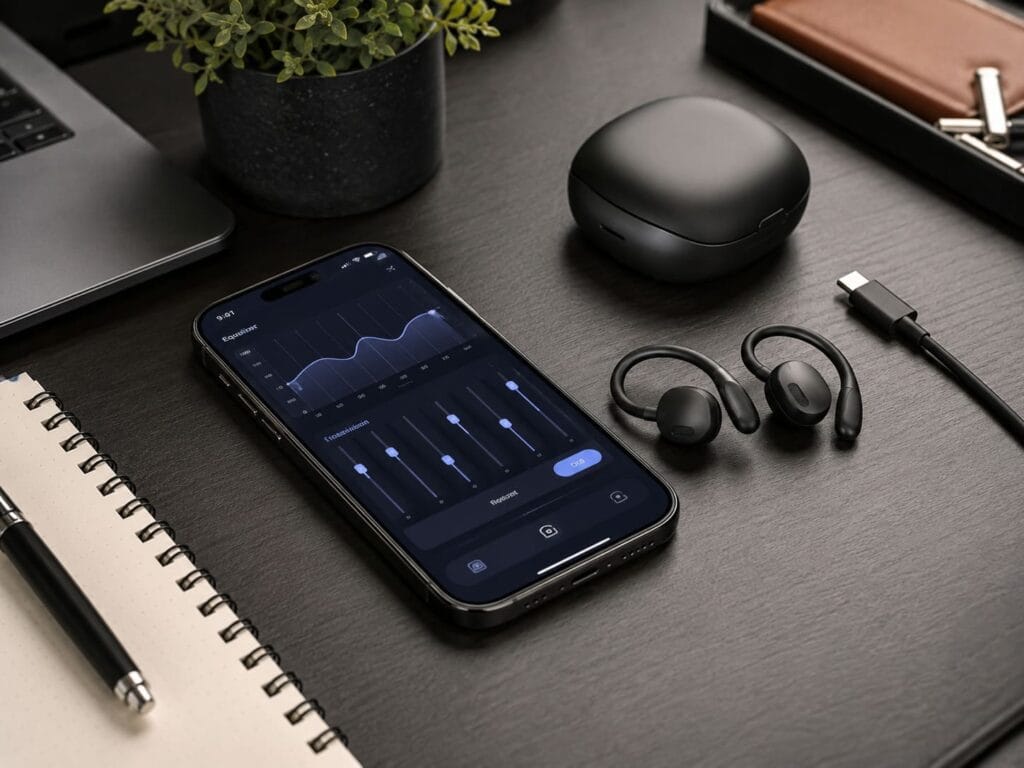
The OpenRock app matters if you want custom EQ, firmware updates, touch controls, or extra settings. Not every buyer cares about app control, but it can make the earbuds more flexible.
Look for simple controls: play and pause, volume, answer calls, long press actions, and mode switching. Touch controls can be convenient, but they can also be frustrating if they trigger by accident during workouts.
EQ is useful if you want to adjust bass, midrange, or voice clarity. Some users may prefer more deep bass for music, while others want clearer podcasts and calls. A good app experience can make the same earbud feel more personal.
Who should avoid OpenRock open-ear earbuds?
Skip OpenRock if you want strong isolation or traditional noise cancellation. Open-ear earbuds are made to let you stay aware, not to block the world. If you commute on loud trains, fly often, or work in very noisy environments, open-ear designs may feel too exposed.
Also skip them if you are sensitive to sound leakage. In quiet rooms, libraries, shared offices, or late-night bedrooms, people nearby may be able to hear some audio depending on volume and distance.
Finally, skip them if you want the sealed bass of in-ear earbuds. OpenRock can deliver good sound for open-ear earbuds, but traditional in-ear earbuds still have an advantage when it comes to isolation and bass impact.
OpenRock vs Shokz, OneOdio, and other conduction headphones
OpenRock competes with brands like Shokz, OneOdio, and other conduction headphones. The key choice is not only brand. It is use case. Do you want sport awareness, work calls, stronger bass, lower price, or a more stable fit?
Shokz OpenRun Pro is a known bone conduction option. OpenRock is more focused on air-conduction and open-ear earbuds with speaker-style delivery near the ear. OneOdio appears in the same broader open-ear market, but buyers should compare model by model rather than assuming every open-ear headphone works the same.
If call quality matters, compare microphone design. If music matters, compare sound quality and leakage. If running matters, compare fit, IPX rating, and whether the earbuds stay in place during movement.
What we could verify:
- Public product positioning and available product-page information.
- Visible buyer-facing specifications, pricing, fit style, battery claims, water-resistance claims, charging details, model categories, and accessory requirements where available.
- The article’s comparison logic and buyer-use-case framing for OpenRock X, OpenRock S2, OpenRock Link 20, and similar open-ear headphones.
- The presence and placement of affiliate or product links used on the page.
What we could not verify:
- Long-term comfort, durability, battery degradation, charging reliability, call quality, water-resistance durability, customer-support quality, or real-world performance over months of daily use.
- Product-specific effects on stress, focus, sleep, anxiety, recovery, hearing comfort, or nervous-system outcomes.
- Whether public research on audio, exercise, situational awareness, or wearable technology applies directly to these specific consumer headphones.
- Whether every user will experience the same sound quality, fit, comfort, stability, or value.
Final verdict: which OpenRock model should you buy?
Consider OpenRock X first if you want the most versatile option in this comparison for workouts, walking, running, podcasts, and everyday listening. It offers the strongest feature balance on paper, but comfort, sound, and stability were not independently tested by MindReset.
Buy OpenRock S2 if you want a lower price, lighter open-ear air conduction sport earbuds, and a cheaper way to test whether this category fits your routine.
Buy OpenRock Link 20 if your main priority is clear calls, hybrid work, meetings, voice capture, and the magnetic mic. It is the work headset in the lineup, not the main sport pick.
Bottom line: OpenRock is worth considering if you want open-ear comfort, awareness, and air conduction earbuds that do not block your ear canal. Just do not buy the wrong model. X is the all-rounder, S2 is the value sport pick, and Link 20 is for calls. If you are improving your whole workspace, use our healthy home ecosystem guide next.
Key things to remember
Check battery life, charging case, fit, sound leakage, IPX5 rating, app features, and return policy before buying.
OpenRock X is the best overall pick for sport and everyday use.
OpenRock S2 is the lower price choice for casual open-ear listening.
OpenRock Link 20 is best for work calls because of the magnetic mic.
Open-ear earbuds help you stay aware of background sounds.
Air conduction is different from bone conduction.
OpenRock is not the right choice if you need strong noise cancellation or full isolation.