Table of Contents
Somatic therapy tools are often marketed with dramatic promises about trauma release, nervous system healing, stored stress, vagus nerve activation, and emotional transformation. Most consumer products cannot reliably support claims like these.
A more practical approach is to treat these products as tools for movement, posture awareness, warmth, muscle comfort, sensory breaks, and repeatable recovery routines. They may make it easier to pause after desk work, training, travel, or a physically demanding day, but they are not substitutes for therapy, medical treatment, physiotherapy, or professional assessment.
This guide compares six practical somatic tools for home recovery and explains which heavily marketed products are better to skip.
Affiliate disclosure: MindReset.org may earn a commission if you buy through our links. This does not increase your price and does not affect our editorial judgment. As an Amazon Associate, we earn from qualifying purchases.
Research note: We have not personally tested every product in this guide. This buyer guide is based on public product specifications, manufacturer documentation, available user feedback, current product listings, general safety guidance, and comparison with similar recovery and wellness tools.
Health and safety note: These products are intended for general comfort, movement, posture awareness, and relaxation routines. They are not treatments for anxiety, trauma, chronic pain, migraine, insomnia, nervous system disorders, or other medical conditions. Seek qualified advice before using heat, pressure, percussion, or posture devices if you have persistent pain, numbness, reduced sensation, a recent injury or surgery, pregnancy, circulation concerns, or a diagnosed condition.
We could assess the published product format, controls, materials, portability, intended use, current buyer information, and practical differences between the six categories. We could not independently verify long-term durability, comfort for every body type, app stability, battery degradation, heat consistency, customer support quality, or whether any product will improve a specific person’s symptoms. Prices, availability, sellers, product versions, warranties, and return terms may change.
Quick Verdict: Which Somatic Therapy Tools Are Actually Useful?
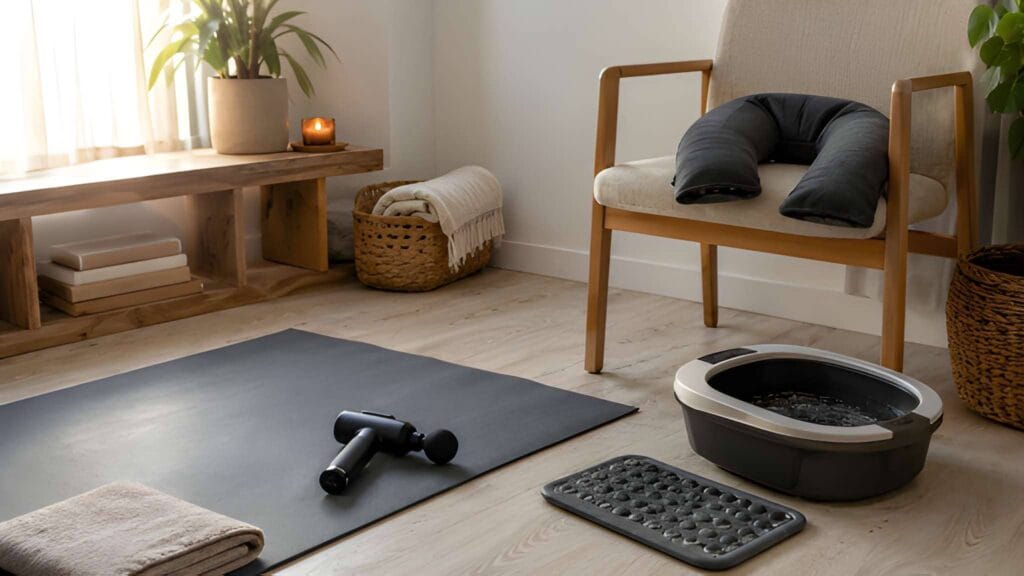
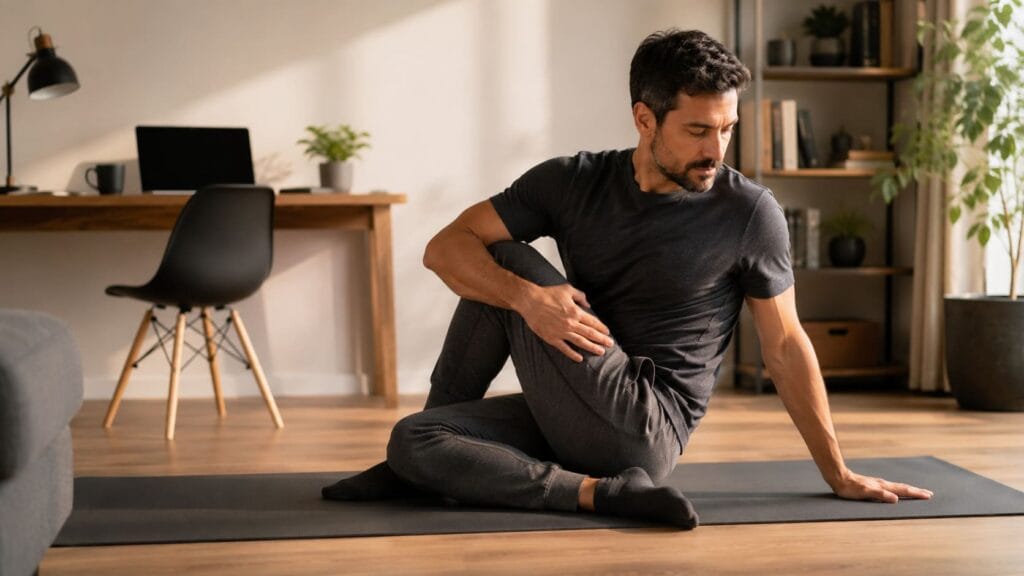
The most useful somatic tools are usually the least dramatic ones. A yoga mat can make movement easier to repeat. A posture wearable can remind you to change position. A heated neck pillow can provide temporary warmth and comfort. A foot mat or foot spa can create a clear break between work and rest.
Readers who need a wider comparison of ergonomic products, massage devices, mobility aids, and heat-based options can also explore our guide to broader somatic recovery tools.
Theragun Sense is the premium choice if you specifically want percussion massage and will use it regularly. It is not necessary for everyone, and its breathing or heart-rate features should not be treated as proof of nervous system regulation.
Skip products whose main selling point is vague language about trauma release, stored emotions, vagus nerve activation, cortisol reduction, fascial detoxification, or instant anxiety relief.
1. Theragun Sense: Best Premium Percussion Tool

Best for: people who want a premium massage gun with guided routines
Product type: percussion massage device
Skip if: you want a simple, inexpensive, or completely app-free recovery tool
The Theragun Sense is the most technology-heavy product in this guide. It combines percussive massage with an on-device screen that can guide users through structured routines instead of leaving them to guess where to place the device or how long to use it.
Its practical value is targeted muscle work. It can be used on larger muscle areas after training, long sitting, travel, or physically demanding days. Different attachments allow for broader or more focused pressure, although more intensity is not automatically better.
The guided features may suit buyers who like structure, but they also add cost and complexity. Do not buy it primarily for claims about stress reduction, sleep improvement, biometric feedback, or nervous system regulation. Those features do not replace medical assessment, physiotherapy, movement, rest, or basic recovery habits.
Check the exact generation and included attachments before purchasing because Theragun Sense listings may refer to different product versions.
Buy if: you will use percussion massage regularly and value on-screen guidance.
Avoid if: a basic massage gun, foam roller, or massage ball already covers your needs.
MindReset verdict: capable and polished, but only worth the premium price for buyers who will actually use its guided features.
2. Gaiam Premium Yoga Mat: Best Foundation for Movement

Best for: stretching, mobility, floor exercises, breathwork, and gentle movement routines
Product type: cushioned exercise mat
Skip if: you already own a comfortable, non-slip mat
A yoga mat is not an advanced recovery device, but it may be the most useful product on this page. It creates a dedicated surface for stretching, mobility work, slow movement, floor-based recovery, or short screen breaks.
Gaiam Premium mats commonly use a 6 mm cushioned PVC construction with a textured surface. That extra cushioning may feel more comfortable than exercising directly on a hard floor, especially during kneeling, seated, or lying movements.
The mat does not correct posture, release trauma, regulate the nervous system, or improve mobility by itself. Its value is simpler: it removes some of the friction involved in starting a repeatable movement routine.
Printed PVC mats may have a noticeable smell when first opened, so airing the mat before use is sensible. Check the exact size, thickness, material, and care instructions because Gaiam sells several Premium versions.
Buy if: a dedicated floor space would make you more likely to stretch or move regularly.
Avoid if: you are buying it as a treatment rather than as basic exercise equipment.
MindReset verdict: the least exciting product here, but probably the strongest foundation for a realistic home recovery routine.
3. Upright GO S: Best Posture Awareness Tool
Best for: desk workers who repeatedly lose awareness of their sitting position
Product type: wearable posture reminder
Skip if: you dislike adhesives, vibration reminders, charging, or app-based devices
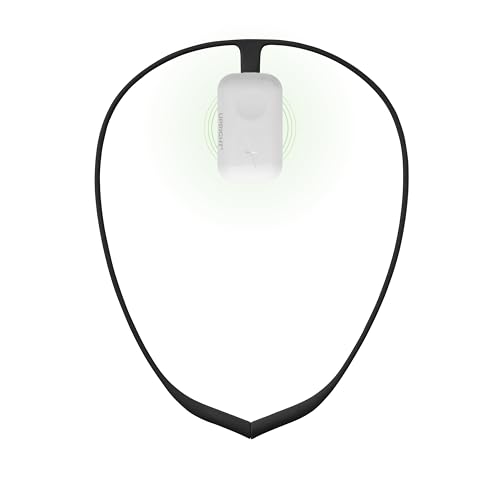
The Upright GO S is a small wearable sensor designed to notice changes in upper-body position and provide vibration feedback when the user moves beyond a calibrated posture range.
Its main benefit is awareness. During focused computer work, people often stop noticing that they have gradually folded forward, raised their shoulders, or remained in one position for too long. A vibration reminder can interrupt that pattern and prompt a position change.
However, it does not physically correct posture or train the body automatically. It also cannot fix an unsuitable chair, poorly positioned monitor, incorrect desk height, lack of movement breaks, or a medical cause of pain.
A reminder wearable works best as part of a wider setup. Compare smart desk gadgets for a more practical workspace before expecting one posture sensor to solve problems caused by the chair, monitor, desk height, or lack of movement.
For a broader US workplace perspective, see the CDC guidance on workplace ergonomics. It explains why work tasks and environments should be designed around worker capabilities rather than relying only on posture reminders or recovery products.
The device uses an app for setup, feedback controls, and activity data. Adhesives are included, while a separate necklace-style accessory may be available depending on the listing.
Buy if: your main problem is forgetting to change position during long desk sessions.
Avoid if: you expect a wearable to permanently “fix” posture without changing your workspace or movement habits.
MindReset verdict: useful as a behavioural reminder, not as a posture cure.
4. Sunny Bay Microwavable Neck Pillow: Best Simple Heat Tool

Best for: people who want a simple, non-electric warmth routine for the neck and shoulders
Product type: microwavable hot-or-cold wrap
Skip if: you have reduced temperature sensation or cannot safely heat and position the wrap
The Sunny Bay neck pillow is a simpler alternative to electronic massage and heat devices. Its C-shaped, flaxseed-filled construction is designed to sit around the neck and shoulders while providing mild weight and retained warmth.
The main advantage is low complexity. There is no app, battery, subscription, motor, or charging cable. Heat it according to the current instructions, position it comfortably, and use it as part of a short post-work or evening routine.
Warmth may feel comforting when the neck and shoulders are tired, but this product should not be described as improving blood flow, removing metabolic waste, lowering heart rate, releasing emotional tension, or treating neck pain.
Microwave heating can be uneven. Follow the stated heating time, check the temperature before use, and avoid falling asleep with a heated wrap. The product can also be cooled, but hot and cold use should follow the current manufacturer instructions.
Buy if: you want warmth and gentle weight without another electronic device.
Avoid if: you need adjustable temperature control or targeted massage.
MindReset verdict: a straightforward comfort product with fewer unnecessary features and fewer opportunities for wellness hype.
5. Kanjo Acupressure Foot Mat: Best Standing Break Tool

Best for: short sensory breaks during standing or desk-heavy days
Product type: acupressure foot mat
Skip if: strong pressure under the feet feels unpleasant or unsafe
The Kanjo foot mat uses raised pressure points to create a strong sensation under the feet. Its most realistic use is as a brief standing or seated foot-pressure break, not as a reflexology treatment or a method for affecting the entire body.
This kind of product may suit people who spend much of the day sitting and want a physical cue to stand up, shift attention, or change position. It is compact, does not require power, and can be kept near a desk.
The pressure can be intense, particularly at first. Begin with socks, partial body weight, or a short seated session rather than immediately standing barefoot with full weight.
Do not describe the mat as stimulating nerve endings to release tension through the whole body, grounding the mind, correcting posture, or treating plantar fasciitis. It is a pressure-based foot tool, and individual comfort varies considerably.
Buy if: you like strong foot pressure and want a non-electronic standing-break accessory.
Avoid if: you have broken skin, reduced sensation, balance problems, or cannot comfortably control the pressure.
MindReset verdict: useful for a narrow group of buyers, but far from essential.
6. Turejo Foot Spa: Best Warm-Water Recovery Ritual

Best for: people who enjoy warm-water foot soaking as a clear end-of-day ritual
Product type: electric foot bath with massage features
Skip if: storage, filling, emptying, cleaning, and drying make it unlikely that you will use it regularly
The Turejo foot spa is the most ritual-based product in this guide. Depending on the exact model, current listings may include heated water, bubbles, manual rollers, textured foot surfaces, and basic temperature controls.
The practical benefit is not “hydrotherapy” in a medical sense. It is the combination of warm water, time away from screens, foot contact, and a clear boundary between the workday and rest.
A foot spa also creates more work than a yoga mat or heating wrap. It must be filled, positioned safely near electricity, emptied, rinsed, and dried after use. Buyers who dislike maintenance may use it twice and then store it permanently.
Do not claim that warm water pulls blood away from the head, lowers physiological arousal, activates the parasympathetic nervous system, or treats foot conditions. Features can vary between Turejo listings, so confirm the exact model, dimensions, temperature controls, rollers, electrical requirements, warranty, and return policy before buying.
Buy if: you already enjoy foot soaking and want a more structured home setup.
Avoid if: you want a portable, instant, or maintenance-free recovery tool.
MindReset verdict: potentially enjoyable as an evening ritual, but only worth buying for people who will tolerate the setup and cleaning.
Who Should Buy Somatic Therapy Tools?
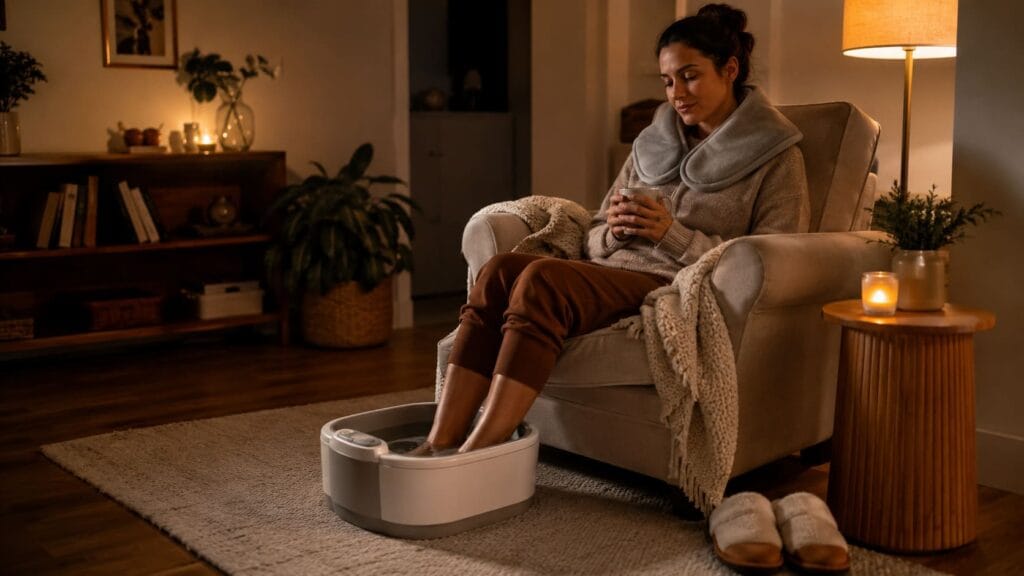
These tools may make sense if you want a practical, repeatable home routine built around movement, warmth, posture awareness, muscle comfort, or a clear transition between work and rest.
- you spend long hours sitting or working at a screen;
- you want a physical break that does not require another subscription;
- you prefer simple movement or comfort tools over aggressive wellness devices;
- you understand that recovery tools support routines rather than provide treatment;
- you are willing to choose one tool for a specific use case instead of buying a full collection.
The strongest buyer is someone who already knows what is missing from their routine. A yoga mat helps only if you will move on it. A posture wearable helps only if you respond to its reminders. A foot spa makes sense only if you are willing to fill, clean, and store it.
Who Should Avoid or Be Careful?
Use extra caution with percussion, heat, pressure, cold, or posture devices if you have:
- persistent or unexplained pain;
- numbness, tingling, weakness, or reduced sensation;
- a recent injury or operation;
- circulation, nerve, skin, or balance concerns;
- a condition affected by heat, cold, pressure, or vibration;
- pregnancy or medical restrictions that may affect safe use.
Stop using a product if it causes sharp pain, dizziness, numbness, skin irritation, unusual swelling, or symptoms that spread. Persistent symptoms need appropriate assessment rather than another wellness gadget.
What We Could Verify
We could verify that the six retained products represent distinct and practical use cases:
- percussion massage for targeted muscle work;
- a cushioned surface for stretching and floor movement;
- wearable reminders for posture awareness;
- microwavable warmth for temporary neck and shoulder comfort;
- foot pressure as a brief sensory or standing break;
- warm-water foot soaking as an evening ritual.
We could also verify that many products in this market are promoted with language about nervous system regulation, trauma release, vagus nerve activation, emotional safety, cortisol reduction, and parasympathetic shifts. Those claims should not be treated as proven benefits of ordinary consumer recovery tools.
What We Could Not Verify
We could not independently verify:
- long-term durability across every current product version;
- comfort or fit for every body type;
- app stability, battery life, or adhesive performance over months of use;
- consistent heat, vibration, or pressure across different listings;
- customer support, warranty handling, seller quality, or return processing;
- whether any product will improve pain, anxiety, sleep, posture, stress, or nervous system function for a specific person.
Amazon sellers, included accessories, product generations, prices, and specifications may change. Confirm the current listing and return policy before purchasing.
How to Build a Simple Home Recovery Routine
You do not need all six products. Start with the routine you are most likely to repeat.
- For movement: use a yoga mat for a short stretching or mobility session.
- For desk awareness: use posture reminders alongside regular position changes and a better workstation setup.
- For targeted muscle comfort: use percussion briefly and avoid aggressive pressure.
- For evening warmth: choose a microwavable neck wrap and follow the heating instructions carefully.
- For a work-to-rest transition: use a foot mat or foot spa as a deliberate break from screens.
One useful tool used consistently is a better purchase than six products competing for space in a cupboard.
Final Verdict: Buy the Routine, Not the Wellness Story
Somatic therapy tools can be useful when they solve a clear practical problem. They can provide a surface for movement, a reminder to change position, temporary warmth, targeted massage, foot pressure, or a structured evening ritual.
They become less trustworthy when ordinary comfort features are presented as trauma release, nervous system healing, vagus nerve stimulation, emotional transformation, or instant anxiety relief.
For most readers, the Gaiam yoga mat is the strongest low-complexity starting point. The Upright GO S fits people who repeatedly lose posture awareness during desk work. Theragun Sense is the premium option for buyers who specifically want guided percussion massage. The heat wrap, foot mat, and foot spa are more personal choices based on which recovery ritual you will actually maintain.
Choose one use case, check the return policy, and ignore claims that sound more dramatic than the product itself.
Related MindReset Guides
For a broader comparison of massage, ergonomic, heat, and mobility products, read our guide to somatic recovery tools.
For foam rollers, trigger point tools, massage balls, and acupressure mats, see our guide to deep tension release tools.
FAQ
What is the best somatic therapy tool for beginners?
A comfortable yoga mat is the simplest starting point because it supports stretching, mobility, breathing exercises, and floor-based recovery without requiring an app, battery, or intense pressure.
Do somatic therapy tools release stored trauma?
Consumer recovery tools should not be marketed as releasing stored trauma. They may support movement, relaxation, comfort, or body awareness, but trauma-related concerns require appropriately qualified support.
Can these tools regulate the nervous system?
A comfortable routine may help some people feel more settled, but that does not prove that a product directly regulates, resets, heals, or stimulates the nervous system.
Is Theragun Sense worth the price?
It may be worth considering if you want guided percussion routines and expect to use the device regularly. It is unnecessary if a basic massage gun, foam roller, or massage ball already meets your needs.
Is a posture trainer enough to fix poor posture?
No. A posture wearable can provide reminders, but it cannot correct an unsuitable chair, desk height, monitor position, lack of movement, or a medical cause of discomfort.
Are foot spas worth buying?
A foot spa may be worthwhile if you already enjoy warm-water soaking and will clean and store the device after each use. It is a poor purchase for anyone who wants an instant or maintenance-free recovery tool.
What should I avoid buying?
Avoid products whose main selling points are vague claims about trauma release, cortisol reduction, fascial detoxification, emotional safety, vagus nerve activation, instant anxiety relief, or guaranteed nervous system reset.