Table of Contents
MindReset.org may earn a commission if you buy through our links. This does not increase your price and does not affect our editorial judgment.
Research note: We have not personally tested every yoga mat, block, strap, bag, or beginner yoga set discussed on this page yet. This guide is based on product specifications, public documentation, available research, user feedback, and comparison with similar beginner yoga tools.
This article is for general informational and buyer-guidance purposes only. It is not medical advice, diagnosis, treatment, physical therapy, or yoga therapy. Yoga equipment and movement practices may not be suitable for everyone. If you have pain, an injury, joint or balance concerns, are pregnant, have a medical condition, or are unsure whether a movement practice is appropriate for you, speak with a qualified healthcare professional before using it.
Beginner yoga set
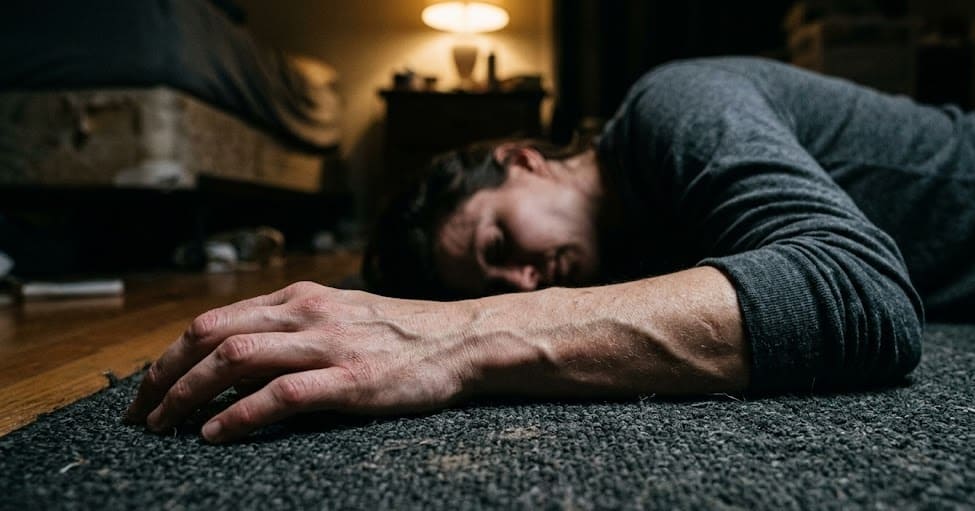
The modern human experience is frequently characterized by a relentless, invisible pressure. In an era where individuals are constantly expected to perform, produce, and remain vigilant, the physical body inevitably absorbs the profound burden of chronic stress. When a person reaches the absolute limits of their emotional and mental endurance, this overwhelm does not simply vanish; it translates directly into the physical form.
For those navigating the difficult terrain of severe exhaustion and burnout, the body often begins to feel incredibly stiff, rigid, and weighed down by invisible anchors. Waking up feels less like a renewal of energy and more like resuming a heavy task. Limbs feel as though they are made of lead, and joints that once moved freely now protest with every subtle shift. It is vital to understand that this physical heaviness is not a personal failing, a lack of fitness, or a sign of weakness. It is a direct, highly predictable, and natural physiological response to a sustained state of emotional survival.
When the mind perceives ongoing stress, the body’s natural alarm system activates, causing muscles to instinctively tense up as a form of biological guarding. This tension is meant to be temporary—a brief physical bracing to protect against an immediate threat. However, when the stress becomes chronic, this muscular guarding never ceases. Over time, this constant state of contraction leads to deep aches and soreness, most frequently taking up residence in the neck, the lower back, and the shoulders. If this unyielding tension persists for several months, it evolves into a chronic physical condition.
The individual will experience an undeniable tightness and a noticeable limitation in their body’s natural range of motion. The muscles physically feel as though they have become too short or permanently locked in place, making even the simplest everyday movements—like reaching for an object or turning the head—feel like a monumental struggle.
Furthermore, the relationship between this muscular rigidity and profound fatigue is cyclical and deeply intertwined. When an individual unknowingly holds onto chronic tension, their body is forced to consume significantly more energy simply to maintain that state of contraction, even during periods of apparent rest. This physiological reality explains the bone-deep exhaustion that accompanies burnout. The body is essentially running a marathon while sitting perfectly still.
This drained energy makes the physical soreness even more intensely apparent, creating a highly challenging environment for those who simply wish to feel a sense of comfort and ease within their own skin again.
Beyond the external muscles, chronic stress deeply impacts internal comfort and systemic regulation. There is a strong, undeniable biological communication pathway between the anxious mind and the digestive system. When individuals feel persistently worried, overwhelmed, or sad, this distress frequently manifests as deep digestive discomfort, unexplained bloating, or nausea.
Stress actually alters how the gut moves and processes nourishment, making everyday internal sensations feel unexpectedly painful or disruptive. The physical symptoms of this exhausted state are remarkably far-reaching, encompassing frequent tension headaches, unexplained dizziness, unconscious jaw clenching, and a persistent, suffocating heavy feeling in the center of the chest.
For an individual experiencing this profound level of systemic exhaustion, the very idea of exercising or starting a rigorous new wellness routine can feel entirely paralyzing. The body is practically screaming for a reprieve, signaling a desperate need for absolute rest, not for further exertion, sweating, or striving.
Recognizing these physical warning signs without judgment is the crucial first step toward finding genuine relief. The path to healing a burnt-out nervous system does not require a demanding physical challenge. Instead, it requires a profoundly gentle, supportive approach that meets the exhausted body exactly where it is, without asking it to perform or adapt.
| Physical Manifestations of Chronic Stress | Description of the Sensory Experience | Underlying Mechanism for the Novice |
| Persistent Muscular Tension | Deep aching, tightness, and rigidity, particularly concentrated in the neck, shoulders, and lower back. | The physical form instinctively contracts to protect itself during stressful periods, remaining chronically tight over extended periods. |
| Profound Systemic Fatigue | Feeling completely drained of vitality, even after a full night of rest or during entirely inactive periods. | The system utilizes excess internal energy to maintain tense muscles, depleting vital reserves even while lying down. |
| Digestive Disruption | Unpredictable stomach upset, painful bloating, or sudden changes in regular digestive rhythms. | The emotional brain and the digestive tract are deeply connected; persistent worry alters natural digestive processing and increases internal sensitivity. |
| Restricted Mobility | Difficulty extending limbs fully; the physical frame feels “too short” or rigidly locked in place. | Prolonged guarding shortens the muscle fibers temporarily, safely but uncomfortably restricting the natural range of motion. |
A 3 Piece Starter Equipment Set For Healing
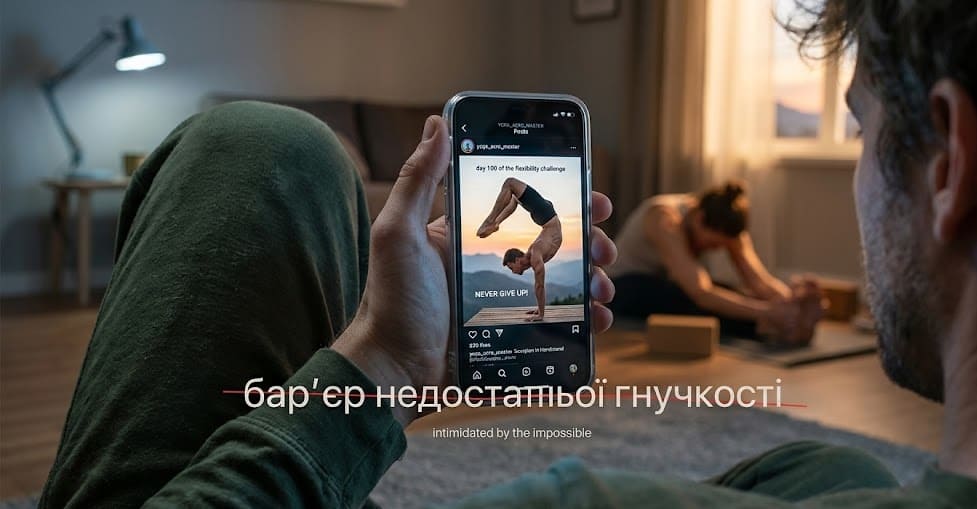
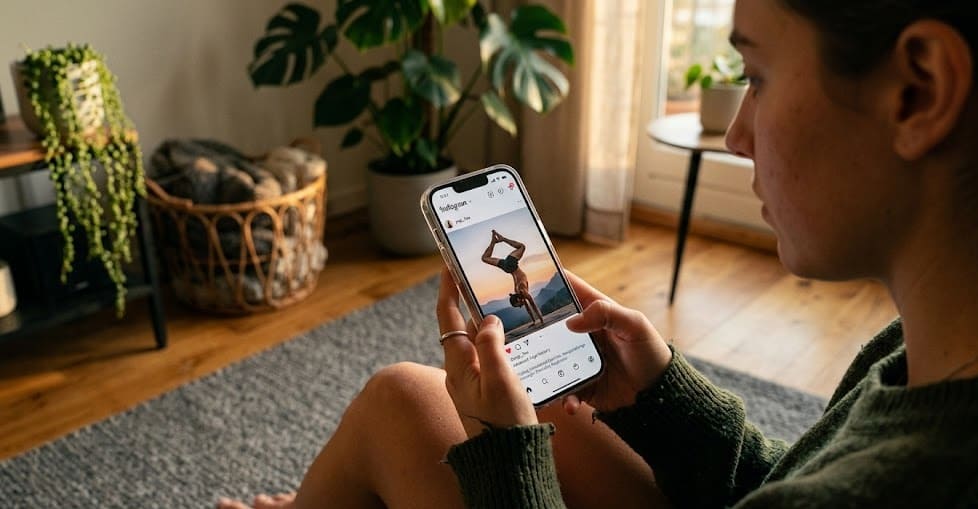
When individuals desperately search for gentle methods to relieve this profound, life-altering stiffness, many naturally look toward mindful movement practices. However, the modern, commercialized portrayal of these practices often acts as a massive psychological barrier rather than an inviting doorway. In contemporary culture, mindful movement is frequently depicted across social media as a high-intensity, sweat-inducing workout requiring extreme, innate flexibility, acrobatic balance, and boundless reserves of energy.
Images of highly athletic practitioners twisting their limbs into incredibly complex shapes or balancing perfectly on their hands dominate the visual landscape. For an exhausted novice whose lower back aches persistently and whose energy is entirely depleted, these images are not inspiring; they are deeply alienating and intimidating.
There is a pervasive, highly harmful myth in modern wellness culture that one must already be flexible, exceptionally fit, or entirely calm to even attempt to begin. This misconception leaves countless suffering individuals feeling that they are simply “not flexible enough,” “too heavy,” or “too tired” to even attempt a single restorative shape. The intimidation factor is incredibly high, and the deeply ingrained fear of doing it wrong, looking foolish, or causing further physical pain prevents many from ever taking the first step toward relief.
It is absolutely essential to completely dismantle this intimidating, commercialized image. True, healing movement is not a performance for an audience, nor is it a competitive gymnastics routine meant to burn calories. At its very core, the gentle practice of reconnecting with the physical form is simply an open, forgiving invitation to rest in a space of physical comfort while maintaining a steady, soft breath.
It is about actively creating a safe, quiet environment where the overwhelmed nervous system can finally register the message that it is no longer under constant threat. The true goal is never, under any circumstances, to bend into difficult, painful shapes. Rather, the sole objective is to gently, slowly coax the body to release the tension that it has been holding onto for far too long.
For those actively recovering from the depths of burnout, this practice should look absolutely nothing like a traditional fitness workout. It should be a restorative, incredibly gentle process of relearning how to simply rest again. Restorative approaches, in particular, focus entirely on deep, unwavering relaxation, utilizing very simple, highly supported postures to calm the racing mind and carefully ease deep-seated aches and pains. In this extraordinarily gentle style of movement, there is absolutely zero pressure to achieve a specific visual form.
The only objective that matters is finding a physical position of total ease, completely supported by the right tools, and allowing the heavy body to breathe freely. When the heavy burden of performance is entirely removed, the practitioner can finally experience a massive, life-altering sense of relief.
The Psychology of Small Successes and Returning to the Body
When navigating the dense, overwhelming fog of burnout, it is absolutely crucial to completely reframe the modern definition of success. Burnout is a highly complex, multi-layered issue, typically defined by chronic workplace or lifestyle stress, severe emotional exhaustion, and pervasive feelings of lost impact or cynicism. It is an illusion to believe that this level of systemic depletion can be cured overnight with a single hour of stretching. Genuine healing is a slow, gradual, and non-linear process built entirely upon a foundation of very small, highly compassionate daily choices.
In the realm of physical recovery, actively celebrating small wins is an absolutely essential psychological tool. When a person is exhausted, looking at a mountain of required recovery steps is paralyzing. Therefore, the focus must shrink to the immediate present. A meaningful small win might be simply noticing that the breath feels a fraction of an inch deeper while lying quietly on a comfortable surface.
It might be the quiet realization that the muscles in the jaw feel slightly less clenched after resting the head on a firm cushion. These seemingly minor, quiet moments of measurable success build essential inner confidence and gentle motivation. They serve as vital, comforting reminders that forward progress does not require giant, exhausting leaps or dramatic, sweeping transformations. Consistent, tiny, manageable steps add up to deeply meaningful, lasting relief.
The literature surrounding stress recovery clearly indicates that short, easily achievable routines are incredibly effective for reducing the heavy symptoms of burnout. A practitioner does not need to commit to a daunting 90-minute studio session to heal their nervous system. In fact, an overly long, demanding session can actually further deplete an already fragile, exhausted system. A gentle, entirely manageable 10 to 15-minute daily commitment provides a vital, necessary break, gently easing physical tension, softly boosting mental focus, and allowing the body’s natural rest response to finally take over.
The most significant small win of all is simply making the quiet choice to begin. For an individual carrying the weight of severe exhaustion, the mere act of unrolling a soft surface and choosing to sit on it is a massive, highly commendable victory. There will undoubtedly be days when the physical form feels entirely too heavy for even a single, simple stretch.
On those difficult days, merely lying completely flat on a supportive, natural foundation and noticing the rise and fall of the chest for five minutes is a complete, highly successful session in itself. The environment created for this healing time must be a space of absolute, unwavering zero judgment.
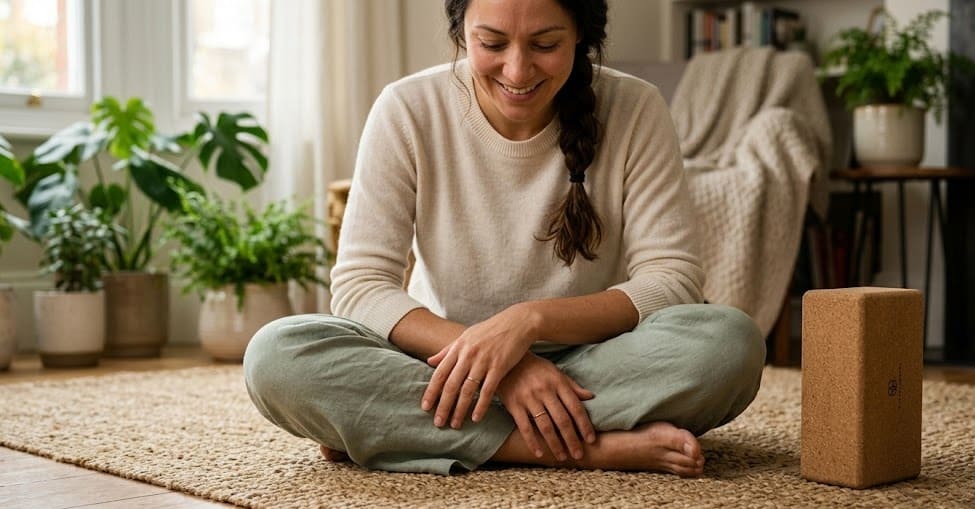
Discovering The Ultimate CompleteGrip™ Beginner Yoga Set
To truly experience this remarkably gentle, forgiving form of physical reconnection, creating the right environment and having access to the proper, supportive tools is absolutely necessary. This is precisely where the concept of a dedicated, high-quality bundle of equipment becomes a vital necessity rather than a luxury. Very often, newcomers attempt to stretch or rest on a bare, hard floor or a paper-thin, highly slippery surface, which only serves to exacerbate joint pain and create intense feelings of physical instability. When the human frame feels unsupported or precarious, the surrounding muscles will automatically continue to tense and guard to prevent falling, thereby entirely defeating the whole purpose of attempting to relax.
In some modern fitness environments, supportive tools such as dense cushions and lengthening bands are sometimes incorrectly viewed by the uninitiated as “crutches” or embarrassing signs of physical weakness. This harmful perception could not possibly be further from the truth.
In a genuine, healing, restorative environment, these items are essential, incredibly loving tools specifically designed to remove all elements of physical struggle. They are the vital instruments that generously adapt the movement to the specific, unique needs of the individual, ensuring that the tired person never has to force their aching body to adapt to an unnatural or painful shape.
A comprehensive, thoughtfully curated collection of equipment provides the essential foundation for both absolute safety and deep comfort. By utilizing intelligently designed items, practitioners can fundamentally change the physical relationship between their heavy body and the hard ground. When muscles are chronically tight and joints are severely stiffened from stress, the floor can feel impossibly far away.
Desperately reaching for the floor can cause immediate shaking, severe muscular straining, and further uncomfortable tension. The proper tools lovingly intervene by effectively “bringing the floor up” to meet the practitioner exactly where they are, ensuring that every single subtle movement is fully supported and entirely devoid of unnecessary strain.
For a mind that is already severely overwhelmed by the demands of daily life, trying to research, compare, and purchase multiple individual items—guessing which surface is thick enough, which cushions are sturdy enough, and which band is the correct length—induces a massive amount of unnecessary decision fatigue.
A carefully curated, all-inclusive 3 piece starter pack eliminates this preliminary stress entirely. It seamlessly provides everything strictly required to safely and comfortably begin in one single, simple package. The individual’s limited mental focus gracefully shifts away from worrying about purchasing decisions and moves toward simply unwinding on their newly established foundation.
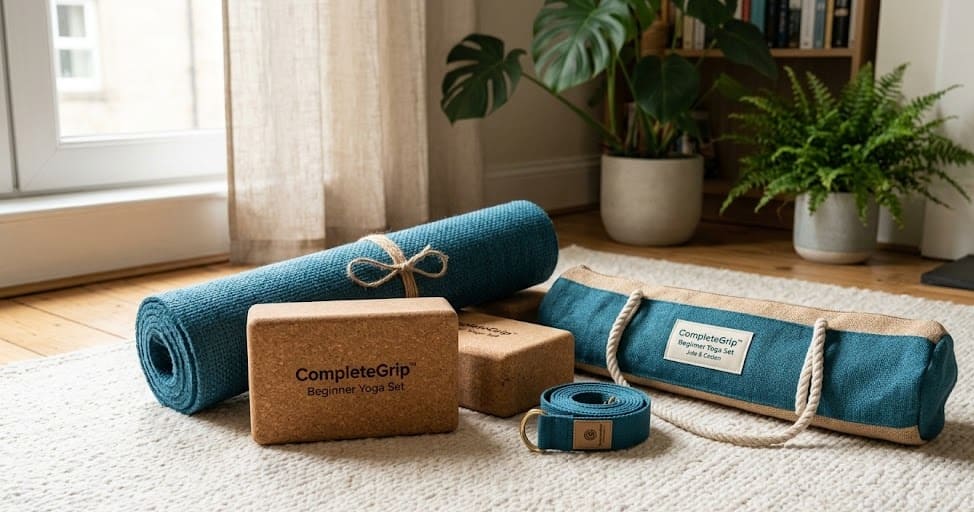
A Review Of The Best Yoga Mat And Yoga Kit
Navigating the overwhelming landscape of wellness equipment can be a daunting barrier for someone whose primary goal is simply to find a moment of peace. To entirely eliminate this stressful hurdle, Complete Unity Yoga developed an exceptionally thoughtful, deeply compassionate solution. As an independent brand founded by dedicated experts who are deeply committed to sustainable, plastic-free healing tools, they possess a profound understanding of the exact, delicate needs of someone who is entirely new to mindful movement. They fundamentally recognized that novices do not need intimidating athletic gear; they require exceptionally high-quality, deeply supportive tools that are beautifully matched and completely ready to use straight out of the box.
This deep empathetic philosophy culminated in the meticulous creation of a highly specific product. It is crucial to understand that this specific offering is not marketed as an intense, sweat-inducing workout starter pack. Rather, it is intentionally presented as a highly gentle, deeply forgiving invitation to step into a quiet space and finally find genuine physical relief.
This beautifully considered collection seamlessly includes absolutely everything necessary to build a safe, highly comforting foundation for home healing. The centerpiece of the collection is their renowned, signature CompleteGrip™ surface, which is widely celebrated for its uniquely earthy feel and its absolute, unwavering physical stability.
The truly unmatched grip of this foundation ensures that from the very first tentative posture, the practitioner feels entirely secure and safely held by the ground beneath them. Alongside this essential foundation, the thoughtfully prepared bundle includes two incredibly firm, highly supportive natural cork pedestals, and a premium, durable woven band designed to act as that essential, comforting extension of the tired arms.
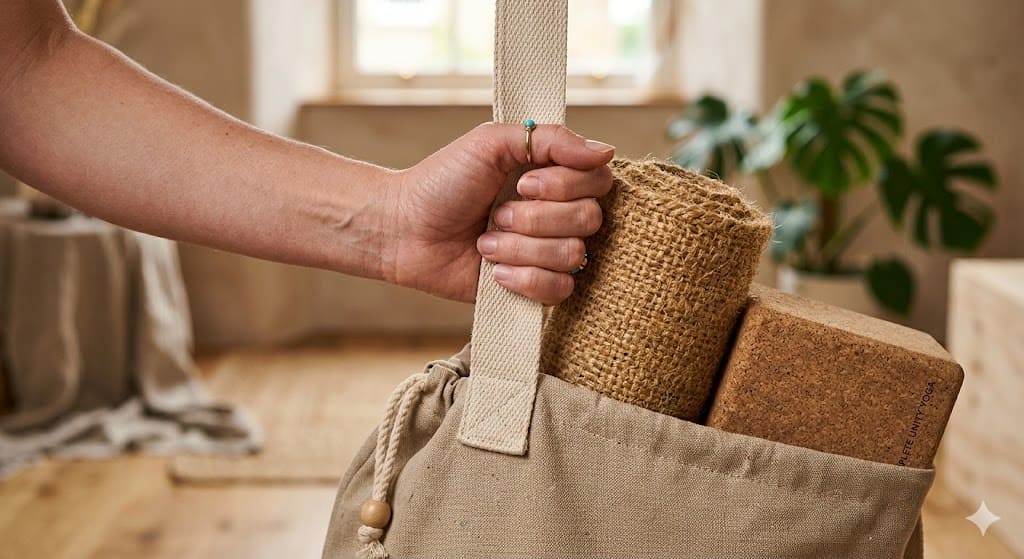
Furthermore, to ensure the experience remains entirely stress-free from beginning to end, the collection features a beautifully designed, highly eco-friendly transport sleeve. Having a dedicated, beautiful carrier means all the supportive items can be neatly, cleanly stored away in a corner of the bedroom or easily carried to a quiet, sunlit room without any frustrating hassle.
Every single item coordinates perfectly, completely removing the quiet anxiety of wondering if the correct, compatible items were chosen. It is a complete, harmonious ecosystem of gentle support, crafted meticulously from entirely natural, highly sustainable materials that respect both the human body and the natural world.
Understanding Customer Reviews For This Starter Product
When closely analyzing the shared experiences and detailed feedback for this specific offering, a highly consistent, deeply emotional theme emerges: profound, immediate relief. Individuals who have purchased this collection frequently note how the authentic, natural materials feel completely, wonderfully different from any previous, cheap synthetic surfaces they may have briefly tried in the past. Users consistently emphasize the remarkably “good quality” of the items and the sudden, surprising immediate comfort the supportive tools provide.
Many note that having access to the firm cork supports and the lengthening band allows them to finally, gently stretch chronically tight muscles without experiencing sharp pain, muscle shaking, or the pervasive, underlying fear of slipping and falling. The removal of fear from a movement practice is a monumental achievement.
By providing an environment where the nervous system feels entirely safe, the muscles are finally granted permission to let their guard down. This specific collection truly stands out as the ideal, most compassionate option for anyone who is actively looking to heal their exhausted body in the quiet comfort and privacy of their own home.
| The Functional Role of Supportive Tools | How It Alleviates Physical and Mental Struggle | Emotional and Nervous System Benefit |
| The Lengthening Band | Acts as a safe, strong extension of the arms, allowing a tired person to reach their feet or bind limbs without straining the lower back or rounding the shoulders. | Entirely removes the discouraging feeling of “failing” to reach a physical goal; promotes an immediate sense of ease, allowing the mind to let go of striving. |
| Firm Cork Supports | Instantly brings the floor up to the practitioner’s level; provides dense, entirely stable support under the hands, heavy hips, or aching back. | Completely eliminates the subconscious fear of falling or losing physical balance; provides a deep grounding sensation that signals the nervous system to relax. |
| Prop Integration | Allows gentle postures to be held completely passively for significantly longer durations without any muscle fatigue or shaking. | Actively encourages a state of much deeper relaxation, quiets the racing, anxious mind, and perfectly prepares the heavy body for deeply restful sleep. |
What Is The Best Yoga Approach For A Complete Beginner?
To truly understand how to implement these beautiful tools, one must delve into the specific mechanics of how they interact with an exhausted human body. Among the various items in a supportive collection, the long woven band is perhaps the most frequently misunderstood by novices, yet it is arguably the most profoundly comforting tool available.
For a physical body heavily burdened by the weight of chronic stress, the shoulders naturally tend to round forward in a protective slump, and the hamstrings at the back of the legs become incredibly, painfully tight from hours of sitting and guarding. When a person in this state attempts a simple forward fold, desperately reaching for their toes, it can feel physically impossible and highly painful.
This specific lengthening tool acts as a remarkably gentle, strong extension of the arms, immediately adding much-needed space and generous length to the practitioner’s natural reach. Instead of severely rounding the delicate spine or dangerously straining the exhausted back muscles to force the hands to reach the feet, the practitioner can simply, easily loop the soft band around their feet.
This brilliant modification allows them to hold the ends of the band comfortably with straight, entirely relaxed arms, maintaining a safe, highly healthy alignment of the spine while sitting upright. The band itself entirely absorbs the physical tension of the stretch, completely relieving the human body of the difficult work.
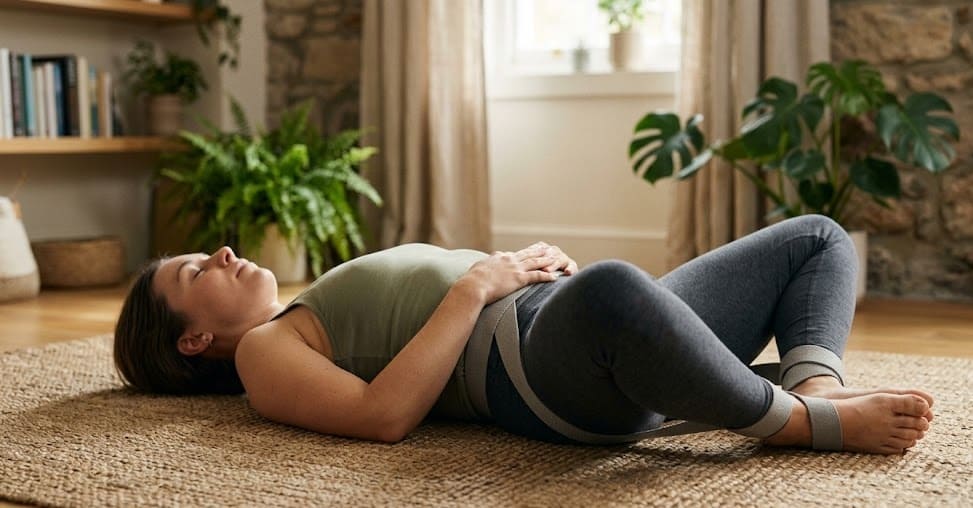
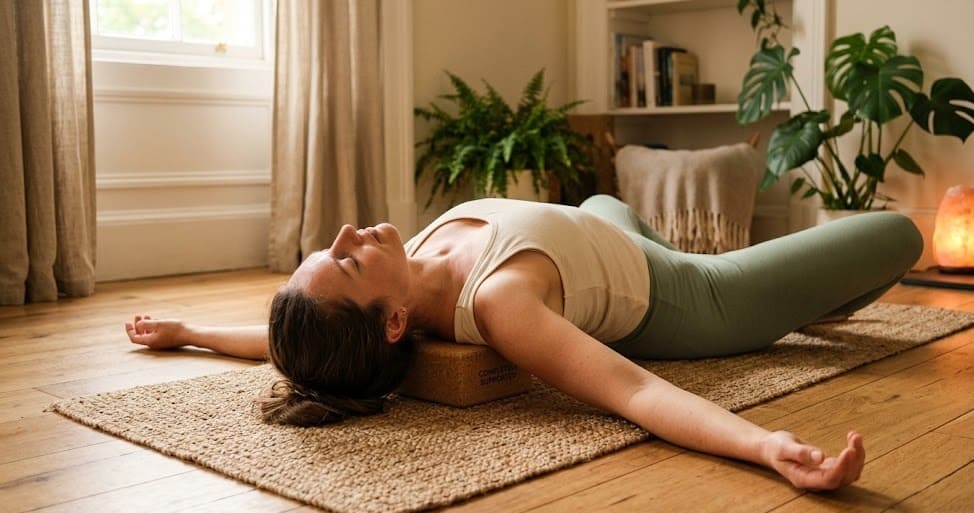
In deeply restorative, quiet postures, the band provides an unmatched sense of profound security and containment. For example, in a very common resting pose where the practitioner lies on their back and the soles of the feet are brought together with the knees falling outward, a band can be wrapped gently but firmly around the lower back and over the feet. This secure looping physically supports the delicate lower back and holds the feet perfectly in place, actively promoting a deep, incredibly effortless stretch in the hips without requiring any muscular exertion or holding whatsoever.
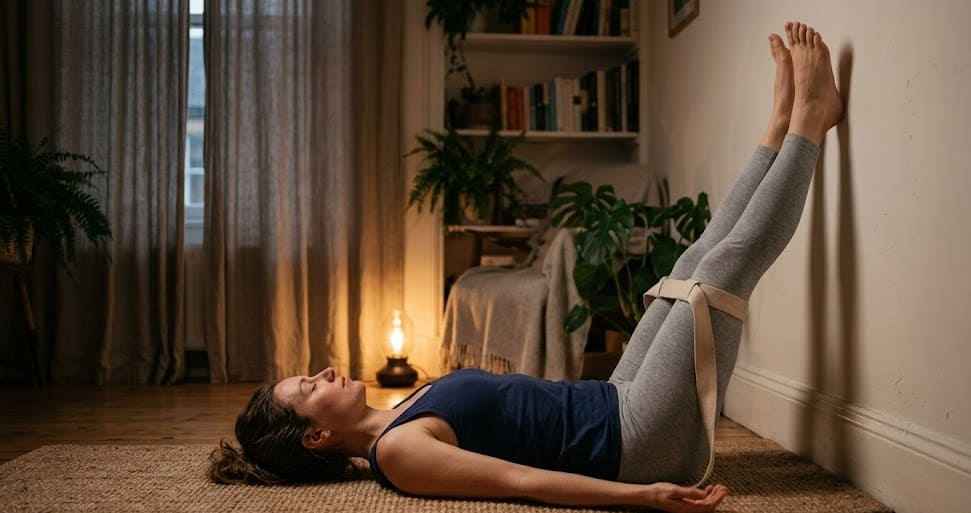
Similarly, in a deeply relaxing, highly recommended posture for burnout recovery where the practitioner lies on their back and rests their extended legs up against a wall, a band can be comfortably looped around the mid-thighs. This simple addition physically prevents the tired legs from slipping outward down the wall, which can be highly uncomfortable for someone with tight hips, effectively allowing the practitioner to completely, heavily relax into the solid support of the wall and the secure hold of the band.
By taking over the required physical effort to keep the limbs in place, the band allows the tired, overworked muscles to finally stop gripping and genuinely start releasing. It ensures that all gentle stretches are performed safely, completely avoiding the shaking and straining that invariably accompanies tight muscles pushing past their natural, current limits.
How A Yoga Strap And Yoga Blocks Support The Body
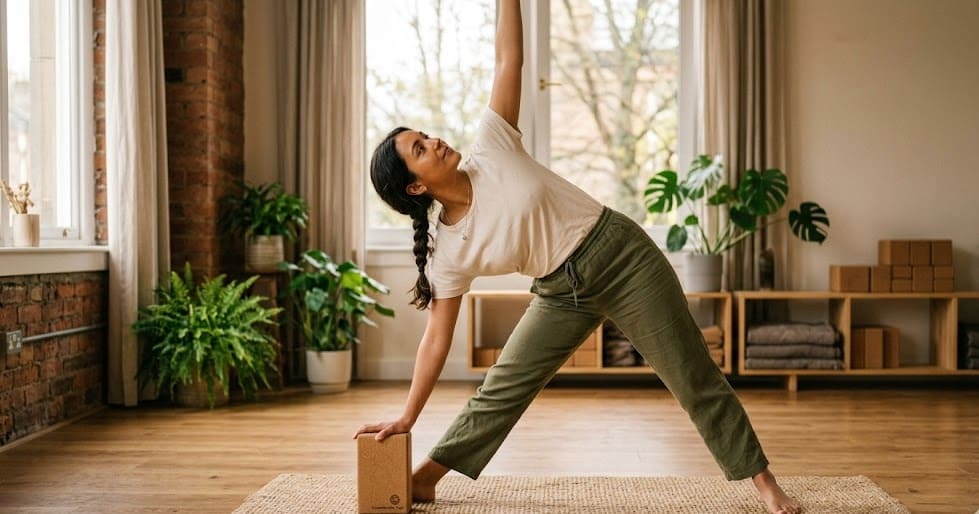
If the band functions as an extension of the arms, the firm, dense supports act to magically bring the floor significantly closer to the heavy body. When a novice attempts to move into a simple standing or seated shape, profound tightness in the hips or lower back may entirely prevent their hands from resting comfortably or safely on the ground. Hanging precariously in mid-air creates immense physical strain, as the surrounding muscles must rapidly contract to hold the body up and prevent a fall.
Placing a firm pedestal directly under the hands provides immediate, completely stable support. It instantly creates accessibility, allowing the tired practitioner to move gracefully into gentle shapes without adding any further strain to exhausted muscles or forcing the spine to round unnaturally to compensate for a lack of mobility. These firm cushions ensure that stiff, aching joints are always fully supported and never left hanging in painful suspension.
While cheap, squishy foam options are unfortunately common in many mainstream fitness stores, natural, highly dense cork is vastly, undeniably superior for a truly comforting, healing practice. Natural cork offers a remarkably resilient, solid, and pleasantly firm structure that provides unmatched stability and an innate sense of physical safety. The natural weight and slightly textured surface of cork feel inherently grounding and deeply secure under the palms of the hands.
In a quiet, restorative session, these firm supports are used not just for reaching the floor, but for deeply resting upon it. For instance, placing a dense cork brick gently and carefully beneath the base of the lower back while lying down turns a simple shape into a deeply restorative, entirely passive experience. The spine is graciously allowed to experience a very gentle, relieving extension while being entirely, safely held by the solid cork.
This incredibly simple act can profoundly, immediately relieve chronic lower back pain and serves as an excellent, proven method for nervous system down-regulation. Furthermore, in quiet seated stretches, these items can be gently tucked under the knees, ensuring that the heavy hip joints do not feel strained or pulled by gravity. The thoughtful use of these tools is a continuous, loving act of accommodating the tired body’s specific needs in the present moment.
The Foundation of Safety: The Material World
The absolute foundation of any healing session is the surface upon which the individual rests. For someone intimately experiencing the profound physical heaviness and sensory overwhelm of severe burnout, the ground they lie on must be completely, implicitly trustworthy. Unfortunately, the vast majority of inexpensive, highly commercialized options available on the market are manufactured from cheap synthetic plastics, primarily PVC (polyvinyl chloride).
These highly synthetic PVC surfaces present several significant, detrimental issues for a gentle, healing practice. First and foremost, they can be incredibly, dangerously slippery, especially if the practitioner’s hands become even slightly warm or naturally sweaty. A slippery foundation creates a deep, subconscious sense of physical instability. If a tired individual subconsciously feels they might slip, their muscles will involuntarily, rapidly tense up to brace for a potential fall.
This invisible, constant micro-tension completely, entirely counteracts the primary goal of stress relief and muscular relaxation. Furthermore, PVC is an artificial, potentially toxic material that frequently releases highly unpleasant, sharp chemical odors, which is incredibly distracting and deeply unpleasant when a person is attempting to take slow, deep, calming breaths close to the floor.
A truly restorative, deeply healing practice fundamentally requires a foundation made from natural, highly eco-friendly materials that respect the senses. Materials derived directly from the earth, such as natural tree sap and woven plant fibers, provide an entirely different, vastly superior sensory experience.
Natural tree rubber is globally renowned for its deeply grounded feel and its reliable, entirely unmatched grip. It compresses significantly less than soft, cheap synthetic foams, gracefully offering a highly stable foundation that fully supports aching joints without ever causing them to sink uncomfortably or wobble. Jute, a beautiful, natural plant fiber, adds a slightly earthy, highly tactile texture that feels profoundly soothing, warm, and organic against bare skin.
There is also a profound, highly documented, albeit subtle, nervous system benefit to actively resting the physical body on natural, earth-derived materials. Actively connecting with natural elements—whether through the simple act of walking barefoot on dewy grass, or intentionally resting the exhausted frame on a surface crafted entirely from plant fibers and tree sap—has been widely shown to have a deeply grounding, anti-inflammatory effect on the human body.
While the complex, intricate scientific mechanisms of electron transfer and anti-oxidant absorption are frequently debated in clinical literature, the simple, observable, undeniable truth is that natural, organic textures inherently soothe the human nervous system.
Quietly resting on a beautifully crafted, highly stable jute and natural tree sap foundation feels inherently, profoundly more calming and safer than lying on a thin sheet of off-gassing chemical plastic. It aligns perfectly and seamlessly with the gentle, deeply non-violent philosophy of true mindful movement, offering beautiful, quiet benefits to both the individual seeking rest and the wider, natural planet.
| Material Comparison for Practice Surfaces | Sensory Experience and Physical Support | Environmental Impact and Health Considerations |
| Natural Jute & Tree Sap (CompleteGrip™) | Firm, deeply grounding, and highly stable support. Features an unmatched grip that entirely prevents slipping, quietly allowing anxious muscles to fully and deeply relax. | Thoughtfully crafted from highly renewable, plant-based materials. Entirely safe, non-toxic to breathe near, and fully biodegradable at the end of its long life. |
| PVC (Polyvinyl Chloride) | Frequently becomes highly slippery when warm. Artificial softness can cause heavy joints to sink unevenly, creating frustrating instability and subsequent muscle tension. | A highly synthetic plastic. Entirely non-biodegradable, almost always ending up resting in landfills for centuries. Frequently releases sharp chemical odors during use. |
| Foam / TPE Synthetics | Generally lightweight, but frequently lacks the necessary dense stability strictly needed for deep, passive restorative holds without wobbling. | While TPE is a slight improvement over PVC, it fundamentally lacks the beautiful, organic, grounding feel, comforting scent, and reassuring weight of true natural materials. |
Gentle Home Practices For Immediate Relief
With the correct, highly supportive equipment safely secured in the home, the final step is to deeply understand how to utilize it gently, quietly, and effectively. The single most important rule for anyone attempting burnout recovery is the profound understanding that quiet consistency matters infinitely more than exhausting duration. There is absolutely zero requirement to commit to a demanding 60-minute or 90-minute routine.
A deeply healing, highly effective home practice can consist of just a very few, incredibly simple postures, heavily and lovingly supported by the tools in the collection:
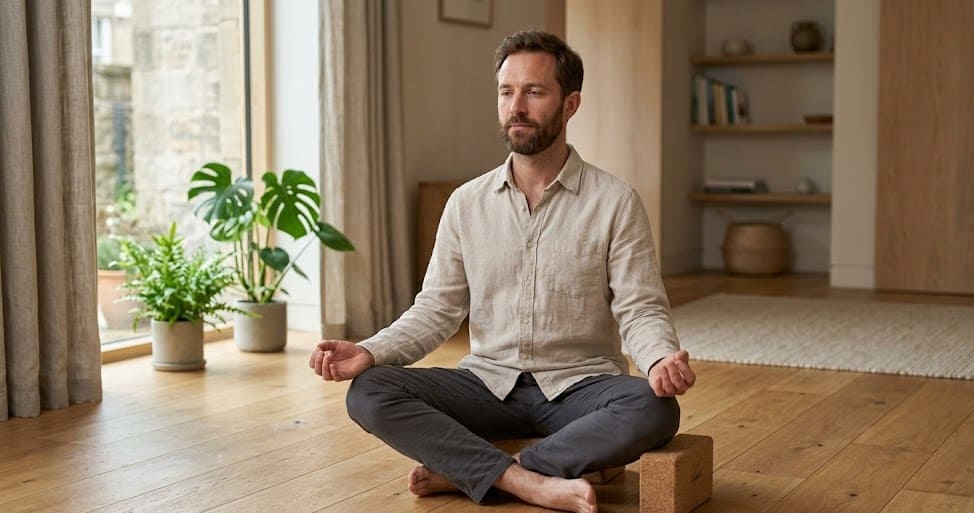
- Quiet Seated Observation: Begin the session by simply sitting quietly on a softly folded blanket or a firm cork pedestal to slightly elevate the hips off the floor. This incredibly simple act of physical elevation immediately reduces all pulling strain on the delicate lower back and tight knees. Softly close the eyes and spend two entirely uninterrupted minutes simply noticing the natural rhythm of the breath. There is absolutely no need to force the breath to be deeper or slower; just quietly observe it exactly as it is. This remarkably simple act of pure presence gently fosters a deep, calming connection to the current moment, signaling safety to the brain.
- Highly Supported Forward Rest: Kneel softly on the textured, supportive jute surface. Place a firm cork pedestal directly under the forehead, or gracefully rest the entire torso over a large stack of soft household blankets. This quiet, inward-facing posture gently stretches the lower back while providing an immense feeling of safety, darkness, and physical containment. The high density of the natural mat ensures the delicate bones of the knees remain entirely comfortable and unbruised against the hard floor.
- Passive Heart Elevation: Lie completely flat on the back, gently bend the knees, and place the soles of the feet flat on the textured mat. Very softly lift the hips just a few inches and slide a firm cork pedestal directly underneath the bony base of the lower back, allowing the heavy pelvis to rest completely and passively on the support. This deeply relieving action instantly removes all tension in the abdomen and gently, passively opens the tight chest, beautifully reversing the hunched, protective posture so heavily associated with chronic daily stress.
- Elevated Leg Rest with Support: Move the natural mat directly against a blank wall. Loop the long woven band very comfortably around the mid-thighs, ensuring it is snug enough to keep the heavy legs together without requiring any muscular effort. Lie back gently and extend the legs straight up the wall, resting the heels against the plaster. This deeply, profoundly restorative posture naturally reverses blood flow in the lower body, instantly soothing tired, aching legs and rapidly calming a racing, anxious mind. The soft band ensures absolute, unwavering passivity, allowing the individual to simply exist in the space.
These incredibly simple, highly supported physical movements require absolutely zero inherent flexibility, absolutely no prior athletic experience, and require only minimal physical energy to set up. They are, at their core, simply intelligent methods of allowing the heavy, exhausted human body to be safely held by the earth and the tools, rather than forcing the body to hold itself together.
A Return to the Physical Self
Ultimately, the profoundly personal journey of using these beautiful, supportive tools to recover from severe systemic stress is not about striving to become a flexible athlete in the modern, highly commercialized sense of the word. It is a deeply private, incredibly gentle return to the physical body. It is a quiet, profound acknowledgment that the physical form has silently carried a massive, heavy burden for far too long, and a solemn, beautiful commitment to finally providing it with the absolute rest, unwavering support, and deep comfort it so desperately requires to heal.
By actively replacing highly intimidating, demanding fitness ideals with a quiet philosophy of absolute comfort, and by intentionally upgrading from synthetic, unsupportive, toxic plastics to natural, deeply grounding equipment, the entire experience of movement completely transforms. It ceases to be just another exhausting, demanding task on an endless daily to-do list and miraculously becomes a quiet sanctuary of genuine, lasting relief.
The deep muscular aches, the pervasive joint stiffness, and the profound, bone-deep exhaustion are entirely real, entirely valid physiological responses to living in a highly demanding, fast-paced world. But they absolutely do not have to be a permanent state of existence. With the gentle, unwavering support of a long woven band to graciously extend the reach, firm natural cork pedestals to lovingly bring the hard floor closer, and a beautifully textured, non-slip natural foundation to provide a completely safe haven, the heavy body can slowly, safely learn to finally let go of its chronic tension.
The quiet invitation is always open, and the simple, gentle act of unrolling the surface is the very first, incredibly beautiful step toward feeling entirely human, light, and rested once again.
Who should avoid it:
- People with pain, injury, balance issues, pregnancy-related concerns, or physical limitations who have not been cleared for movement practice.
- Buyers who need medical, physical-therapy, trauma-recovery, or guaranteed stress-relief outcomes from a yoga kit.
- Users who want a studio-led program rather than home equipment and self-guided practice.
- Anyone who needs verified long-term durability, grip performance, or comfort data before purchase.
What we could verify:
- Public product positioning and available product-page information.
- Visible buyer-facing specifications, materials, included accessories, pricing, setup requirements, and product categories where available.
- The article’s comparison logic around beginner suitability, comfort, home setup, and product limitations.
- The presence and placement of affiliate or product links used on the page.
What we could not verify:
- Long-term mat grip, block durability, strap wear, bag durability, odor, comfort, or real-world performance over months of daily use.
- Product-specific effects on pain, mobility, stress, anxiety, sleep, burnout, recovery, or nervous-system outcomes.
- Whether public research on yoga or movement practices applies directly to the specific products discussed.
- Whether every beginner will experience the same comfort, usability, or confidence with the set.
Frequently Asked Questions for Beginners
What if I am completely new to yoga and intimidated by studio classes? If you are new to yoga, you absolutely do not need to do yoga in a crowded, fast-paced yoga class or commit to an expensive monthly studio subscription. Your first yoga experience should be a private, deeply safe moment to unwind at home. Building a gentle daily practice in your own quiet space is the most forgiving way to start your healing journey.
Why is mat thickness important for my first yoga session? When your body is exhausted, the thickness of your resting surface is crucial for protecting sensitive joints. A premium 4mm dense, non-slip yoga mat provides the exact perfect balance. It generously cushions your knees and spine far better than a cheap, squishy foam or TPE matt, while remaining perfectly firm enough to enhance your stability and withstand years of use without losing its shape.
What exactly does the set include, and how do I store it? To ensure you have everything needed for gentle, restorative yoga styles, the set includes a highly stable natural rubber mat (featuring a beautiful, subtle logo), two firm cork blocks, a woven cotton strap, and a highly durable yoga mat bag (an eco-friendly rPET bag) to keep your healing tools neatly stored. It even comes with a comforting 30-day money back guarantee, entirely removing any financial stress from your decision to start. (Note: You do not need an extra yoga towel for restorative practice, as there is no intentional sweating involved).