Table of Contents
The Quiet Burden of the Modern World and the Search for Natural Health and holistic therapy
There is a profound, quiet exhaustion that has settled deeply into the bones of the modern individual. In a world defined by artificial lighting, relentless digital notifications, and an ever-accelerating pace of daily life, the human body and mind are continuously asked to perform far beyond their natural, comfortable capacity.
The human form, which was originally attuned to the gentle rhythms of the sun, the slow changing of the seasons, and the quiet stillness of the natural world, now finds itself trapped in a perpetual state of urgency. This chronic, unyielding pressure creates a deep sense of disconnect. Many people report feeling separated from their own physical form, their mental clarity clouded by the sheer volume of information they must process daily.
This is not merely a physical tiredness that can be cured by a single night of sleep; it is an exhaustion of the spirit, a steady depletion of the vital energy that makes daily life feel vibrant, purposeful, and meaningful.
When an individual experiences this profound level of modern burnout, traditional, fast-paced systems often suggest pushing harder, managing time more efficiently, or finding a quick, synthetic fix to mask the fatigue. Society frequently treats the human body as a machine that simply needs a new part or a stronger fuel to keep running at maximum speed. However, the body speaks an entirely different language.
When ignored, the body communicates its weariness through subtle, quiet whispers—a persistent tightness in the shoulders, a restless night of sleep where the mind refuses to quiet down, or a fleeting, unpredictable moment of anxiety. If these gentle signals are continuously bypassed in the name of productivity, the body naturally speaks louder. It manifests its exhaustion as chronic tension, deep emotional overwhelm, or total burnout.
How Courses in Holistic Therapies Calm an Overwhelmed Mind

In these delicate moments, adding more pressure or rigorous, demanding routines to an already overflowing life is never the correct answer. The weary, overstimulated mind does not need another complex regimen to follow; it needs a sanctuary. It needs a return to simplicity, to genuine humanity, and to the nurturing, gentle principles of holistic health.
For those seeking a way to mend this deep disconnect, exploring a holistic therapy course offers a profoundly soothing alternative. It is an open invitation to step away from the noise, the screens, and the demands, and to embrace natural therapies that honor the body’s innate wisdom. By stepping into the restorative world of integrative health, individuals slowly discover that true healing is not a battle. It is not about fighting the body or waging a war against illness.
Instead, it is about creating a safe, quiet environment where the body feels secure enough to heal itself. This is the very essence of a holistic approach: an understanding that the mind, the physical form, and the human spirit are intimately intertwined, and that offering care to one aspect naturally and effortlessly nurtures the others.
Understanding Courses in Holistic Medicine: A Return to Wholeness
To truly appreciate the value of taking courses in holistic medicine, one must first gently explore the meaning of the word itself. In its purest, simplest form, taking a holistic approach means caring for the whole person. It is a compassionate departure from the fragmented, clinical view of health that treats a headache as entirely isolated from a highly stressful job, or poor digestion as entirely unrelated to chronic emotional worry.
Holistic health recognizes that human beings are deeply interconnected, living systems. An emotional burden can weigh heavily on physical posture, altering the way one breathes and moves, just as a warm, nutrient-rich meal can elevate emotional well-being and provide comfort to an anxious mind.
When an individual makes the gentle decision to learn about these practices through an online course, they are embarking on a journey of profound self-compassion. Holistic therapies provide a welcoming toolkit for returning to a state of balance without the use of harsh, sudden interventions. These modalities focus exclusively on restoring inner harmony. They seek to simplify life by returning to the foundational basics of natural care.
Earning a certificate in holistic practices does not require a deep, grueling understanding of complex pathology or rigid, intimidating clinical anatomy. Instead, the principles of holistic study require simple empathy, a willingness to listen closely to the body, and an appreciation for the slow, gentle rhythm of natural healing.
In the heartfelt pursuit of health and wellness, many find themselves naturally drawn to alternative therapies precisely because they offer an immediate sense of relief. The mere act of studying these modalities provides a deeply therapeutic benefit. As a student reads quietly about the calming properties of a flower, or the grounding, secure energy of a soft meditation practice, their own nervous system begins to automatically unwind.
The foundational knowledge gained in a holistic therapy course serves as both a personal sanctuary for the weary student and a sturdy stepping stone for those who may eventually wish to share this peace with others as a therapy practitioner or a compassionate wellness consultant.
The Shift from Fighting to Nurturing: A Gentle Approach to Healthcare
One of the most profound realizations that occurs during this training is the shifting of metaphors used to describe health. In modern society, we frequently use aggressive language to describe our well-being. We are told to “fight” off a cold, to “battle” fatigue, or to “conquer” our stress. This language inherently puts the body in a state of defense. It creates an internal environment of conflict. Courses in holistic study teach a completely different vocabulary. Instead of fighting, the student learns the art of balancing, nourishing, and supporting.
If the nervous system is overwhelmed, the holistic practitioner does not seek to forcefully suppress the anxiety. Instead, they ask what the body needs to feel safe again. This shift in perspective is incredibly liberating for someone who has spent years feeling at war with their own fatigue. It replaces the heavy burden of “fixing” oneself with the gentle invitation to simply “care” for oneself.
The Healing Modality of Aromatherapy: Finding Peace in the Present Moment
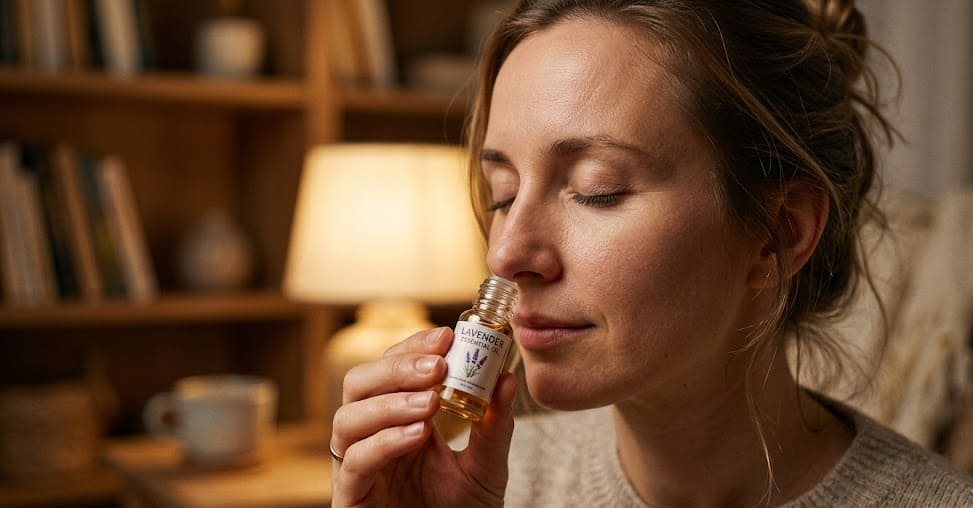
Among the most accessible, beloved, and profoundly relaxing topics covered in holistic medicine courses is the beautiful art and science of aromatherapy. The sense of smell has a unique, highly direct pathway to the emotional center of the human brain. Before a scent is even consciously registered by the logical mind, it has already interacted with the ancient, intuitive parts of the brain responsible for memory, perceived safety, and deep emotion. This physiological mechanism is exactly why the damp smell of rain on warm earth, or the delicate scent of a loved one’s familiar perfume, can instantly evoke a sudden, profound sense of comfort and belonging.
Aromatherapy harnesses this deeply natural connection to bring immediate, effortless relief to an exhausted mind. By utilizing essential oils—which are the pure, concentrated life force extracted from flowers, leaves, bark, and roots—this particular modality offers a direct, uncomplicated route to relaxation.
For instance, when a person is feeling overwhelmed by the rushing tide of daily anxiety, the simple act of inhaling the scent of lavender or sweet chamomile can act as a quiet, heavy anchor, pulling the racing mind back down into the absolute safety of the present moment. Eucalyptus can gently open the chest and encourage deep, slow breathing, which naturally and physically signals the body to lower its defenses and finally rest.
Learning the foundations of aromatherapy within a comprehensive holistic therapy course is a deeply sensory and restorative experience. Students gently discover how to intuitively select scents that resonate with their current emotional needs. They learn the quiet beauty of unintentional blending, where different oils carefully combined create a magical synergy that soothes the spirit. This practice is never about memorizing a rigid, demanding textbook; rather, it is about cultivating an intimate, personal relationship with nature.
Table: Essential Oils for Emotional Comfort and Grounding
| Natural Essential Oil | Gentle Aromatic Profile | Restorative Benefit for the Weary Mind |
| Lavender | Soft, floral, and herbaceous. | Acts as a natural lullaby for the nervous system; widely used to encourage deep, uninterrupted sleep and quiet racing thoughts. |
| Chamomile | Warm, sweet, and slightly apple-like. | Soothes emotional agitation and physical tension, particularly when stress is held tightly in the digestive system. |
| Eucalyptus | Crisp, clean, and deeply refreshing. | Clears mental fog and encourages full, expansive breathing, which naturally lowers the body’s internal stress response. |
| Rose | Rich, deep, and profoundly floral. | Traditionally utilized to soften a heavy heart, offering gentle emotional support during times of quiet grief or relational stress. |
Energy Work, Empaths, and Becoming a Therapy Practitioner
Another gentle, foundational cornerstone of alternative and holistic therapies is the practice of energy healing, most notably recognized in deeply supportive practices like Reiki. For many individuals, especially those who are highly sensitive to the emotional weather of others, the modern world feels overwhelmingly loud and abrasive. These individuals, often beautifully described as empaths, possess a profound but frequently exhausting capacity to naturally absorb the feelings, stress, and physical pain of those around them.
While this deep empathy is a magnificent gift that fosters genuine connection and understanding, it can also lead to severe, debilitating energy depletion. An empath might simply walk into a crowded room or a tense office environment and leave feeling physically drained, inadvertently carrying the emotional weight of others as if it were their own heavy backpack.
A thoughtfully designed holistic therapy course offers absolutely vital, protective tools for such individuals. Learning about gentle energy modalities introduces the liberating concept of energetic boundaries. Practices like Reiki gently teach the highly sensitive individual that they can offer profound compassion and deep healing to others without endlessly sacrificing their own inner well-being.
It provides a comforting framework for understanding that the human body is surrounded by an invisible, protective energetic field, and that preserving the integrity of this field is essential for overall wellness. Through simple, quiet visualization techniques and the soft, gentle placement of hands, energy work helps to safely clear emotional blockages and restore a feeling of weightlessness and light.
he Role of a Gentle Practitioner in Modern Healing

When quietly studying these healing techniques, the student slowly learns to view the body not just as a mechanical, physical structure of bones and tissues, but as a continuously flowing river of universal life force. This holistic perspective beautifully shifts the internal focus from fixing what appears broken to deeply nourishing what feels depleted.
For the aspiring therapy practitioner or wellness consultant, understanding the foundations of energy work is completely transformative. It warmly allows them to hold a safe space for the grief, daily stress, or physical discomfort of another person while remaining deeply anchored in their own quiet strength.
The practice is inherently restful and requires no strenuous physical exertion; in fact, receiving or even giving an energy healing session often induces a state of physical relaxation so profound that it closely mimics deep, restorative sleep. It is a gentle modality that asks absolutely nothing of the weary mind other than a simple willingness to let go, breathe softly, and be entirely supported.
The Comfort of Herbal Medicine: Nurturing the Body with Nature
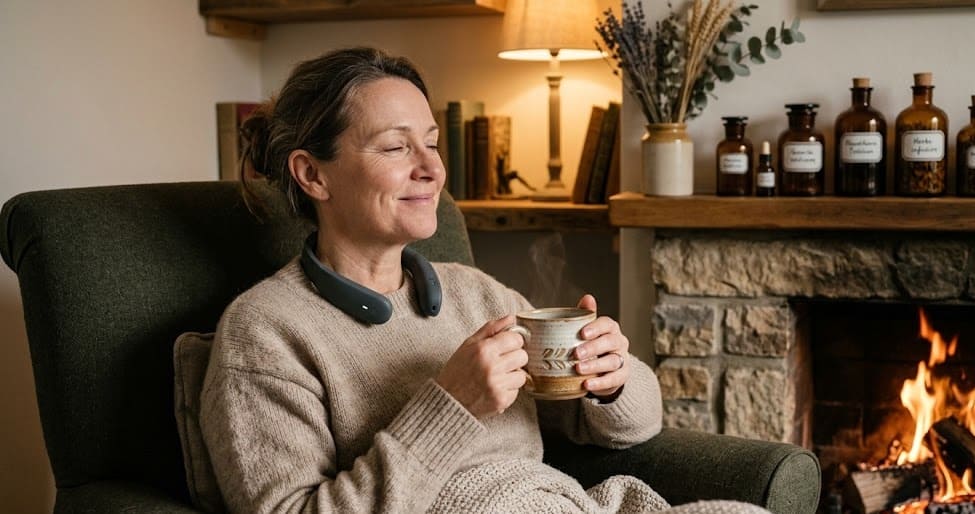
Long before the advent of fast-paced, modern pharmaceuticals, humanity relied quietly on the earth’s natural, abundant pharmacy to gently soothe both physical and emotional ailments. The careful study of herbal medicine, a vital and beloved component of comprehensive holistic health programs, deeply reconnects individuals with this ancient, grounding wisdom. Incorporating gentle plant medicine into daily life is one of the most profoundly nurturing acts of self-care a person can voluntarily undertake. It is a slow, deeply intentional process that stands in stark, comforting contrast to the rushed, impersonal nature of modern healthcare systems.
For someone experiencing the deep exhaustion of burnout, the body’s nervous system is often uncomfortably stuck in a prolonged state of high alert. The body forgets how to turn off the alarm. Herbal medicine offers specific, deeply gentle plants known clinically as nervines and adaptogens that softly and patiently coax the nervous system back to a natural state of rest.
Unlike synthetic medications that can forcefully command the body into submission or temporarily mask underlying symptoms with grogginess, natural herbs work in quiet harmony with the body’s existing biological rhythms to rebuild true resilience from the inside out.
Creating a Daily Ritual with a Calming Tincture
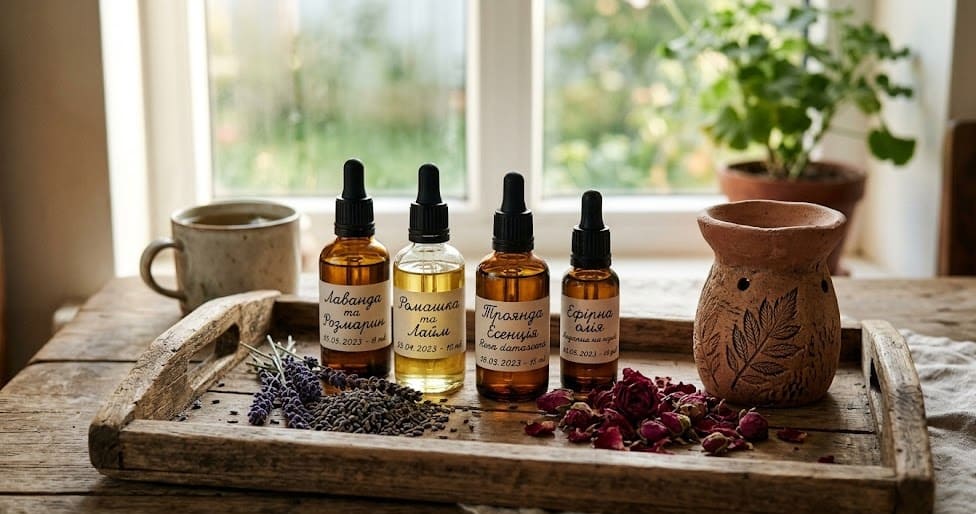
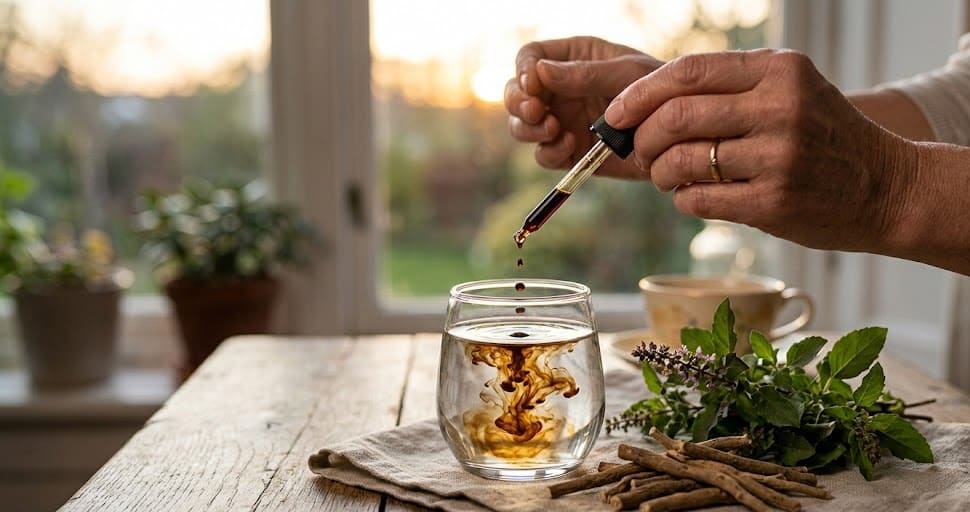
One of the most universally effective, simple, and accessible ways to interact with these restorative plants is through the use of a tincture. A tincture is a concentrated liquid extract where the deep healing properties of an herb have been gently and slowly drawn out, typically using alcohol or vegetable glycerin, resulting in a potent, easily absorbed, and long-lasting remedy.
Taking a tincture is not just a medical act; it is a small, quiet, sacred daily ritual. Placing a few small drops under the tongue or swirling them into a clear glass of water offers a built-in moment of pause during a chaotic, noisy day. It serves as a tangible, physical reminder to simply stop, take a deep breath, and check in with one’s own physical body.
A well-rounded, supportive holistic therapy course will introduce its students to a beautiful variety of these comforting plants. By quietly understanding the unique personality and subtle action of each herb, individuals can thoughtfully craft a highly personalized approach to their own wellness.
Table: Gentle Herbal Allies for Stress Relief and Rest
| Botanical Name | Gentle Healing Properties | Ideal Use Case in Daily Life |
| Ashwagandha | A highly supportive adaptogen that helps gently regulate the body’s physical response to chronic stress and balances depleted energy over time. | Used steadily during periods of prolonged exhaustion to rebuild a sense of vitality without causing sudden overstimulation. |
| Lemon Balm | Deeply uplifting and heart-centered; gently eases nervous anxiety and promotes a warm sense of emotional lightness and clarity. | Taken as a tincture or warm tea during the afternoon when feeling suddenly overwhelmed by external pressures or sensory overload. |
| Passionflower | Beautifully helps to turn off the constant, exhausting stream of looping thoughts; excellent for those who are experiencing the “tired but wired” sensation. | Utilized quietly in the evening to softly prepare the body and the racing mind for deep, restorative, and uninterrupted rest. |
| Tulsi (Holy Basil) | Revered as a sacred plant; deeply grounds the spirit, centers the mind when overwhelmed by technology, and gently uplifts a heavy mood. | A daily companion to bring the individual back home to their true self, fostering clarity and calm amidst modern chaos. |
Learning about the gentle world of herbal medicine is never about aggressively replacing traditional healthcare, but rather augmenting one’s life with holistic approaches that deeply honor the body’s fundamental need for gentle, consistent, daily nourishment. It gently empowers the individual to become their own most patient and compassionate caregiver.
Sound Healing: Finding Inner Harmony Through Simple Vibration
Another profoundly effective, yet beautifully effortless modality explored within the quiet realm of alternative therapies is sound healing. Science and ancient wisdom both suggest that everything in the universe, including the delicate cells, tissues, and vital organs of the human body, is in a constant, subtle state of vibration. When an individual is subjected to prolonged, unyielding stress, emotional trauma, or simply the discordant, synthetic noise of modern urban environments, these natural internal frequencies can slowly fall out of harmony.
This internal dissonance often leads to persistent feelings of physical distress, muscular tension, and dense mental fog. Sound healing is the gentle practice of using specific, deeply soothing frequencies to softly guide the body back into its natural, harmonious, resting state.
The true, profound beauty of sound healing lies in its absolute simplicity and the complete, welcome lack of effort required from the weary recipient. Often affectionately referred to as a “lazy meditation,” it is the absolute perfect remedy for an individual who is simply too exhausted to actively focus on complex mindfulness exercises, rigorous breathwork, or physically demanding yoga postures.
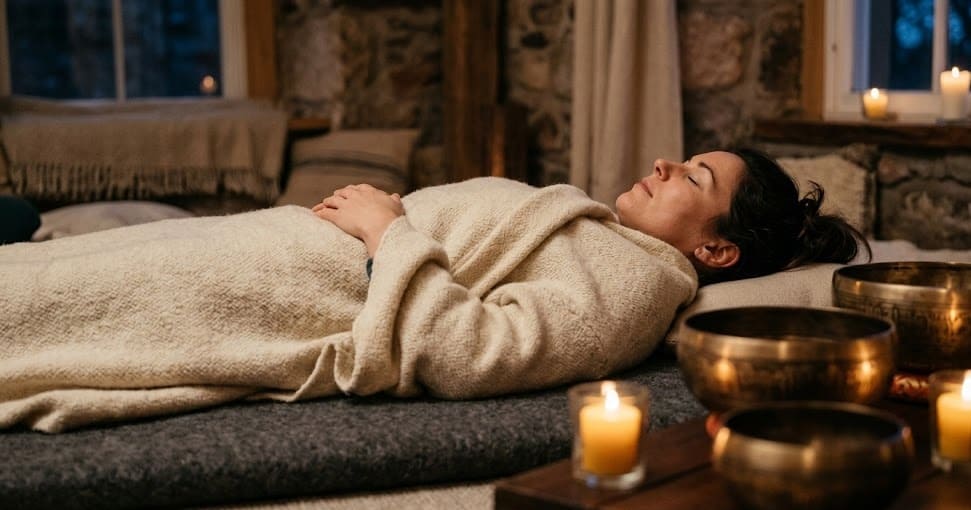
By simply lying down comfortably on a soft mat and allowing the rich, resonant tones of Tibetan singing bowls, delicate tuning forks, or the soft, rhythmic beating of a drum to physically wash over them, the individual’s rapid brainwaves naturally and automatically begin to slow down. The sound frequencies bypass the logical mind and encourage the brain to seamlessly shift away from the high-alert, stressed “beta” states and drift gently into the relaxed, restorative “alpha” and “theta” states.
Furthermore, sound therapy can gracefully utilize specific auditory techniques like binaural beats, where slightly different, soothing tones are played independently into each ear, encouraging the brain to effortlessly synthesize a calming third frequency that promotes deep focus or sleep. Whether it is experienced through a high-quality online audio session in a dark room, the comforting vibration of one’s own vocal humming, or the pure, clear striking of a crystal bowl, sound healing offers a direct, entirely effortless bridge to profound inner peace.
Table: Modalities of Sound Healing for Deep Relaxation
| Sound Modality | Mechanism of Relaxation | Restorative Benefit for the Body |
| Singing Bowls | Emits incredibly rich, resonant vibrations that travel easily and physically through the water in the body’s cells. | Releases deep muscular tension, gently clears mental fog, and effortlessly promotes a profound meditative state. |
| Binaural Beats | Delivers subtly different audio frequencies to each ear, prompting the brain to naturally align with a calming, singular frequency. | Quickly and quietly shifts the nervous system out of stress mode, improving mental focus and gently easing acute anxiety. |
| Vocal Humming | The physical act of humming produces warm, internal vibrations that stimulate the nervous system directly from within the chest and throat. | Increases natural oxygenation, slows the heart rate, and provides immediate, self-generated, completely free comfort. |
Integrating sound therapy alongside concepts like holistic nutrition provides a safe, entirely side-effect-free method for washing away the accumulated, noisy static of daily life, leaving a clear, serene, and quiet space in its wake.
Learning from Home: Gentle Training in an Online Sanctuary
For individuals who are already feeling deeply overwhelmed by the sheer demands of modern life, the very thought of returning to a traditional, physical classroom environment can be incredibly daunting, if not entirely counterproductive. The rigid, unforgiving schedules, the chaotic commute through traffic, the harsh fluorescent lighting of a lecture hall, and the social pressure of physical attendance can inadvertently add to the very stress they are so desperately trying to heal.
This is precisely where the profound beauty and logic of an online course becomes incredibly apparent. Choosing to gently pursue holistic therapies through an online platform transforms the entire educational experience from a heavy obligation into a personal, restorative sanctuary.
An online course gracefully allows the student to create their own perfectly safe environment of comfort. True learning can take place quietly in a cozy corner of the living room, wrapped in a favorite, heavy blanket, with a warm cup of herbal tea resting nearby. There is absolutely no need to perform for others, no need to rush out the door, and no need to mask one’s exhaustion behind a polite smile.
If the mind becomes tired or the eyes grow heavy, the student can simply pause the video, close their eyes, and rest. This gentle, entirely self-directed pacing is in itself a deeply therapeutic practice, constantly reinforcing the core philosophy of holistic health: honoring one’s own natural limits and treating oneself with deep, unwavering compassion.
Furthermore, online courses in holistic subjects beautifully remove the traditional intimidation factor often associated with acquiring new knowledge or preparing for a clinical career. The student is granted the absolute freedom to digest the healing material slowly, letting the foundational knowledge seep in naturally and comfortably, rather than anxiously cramming information for a high-stress exam.
The digital format provides seamless access to internationally recognized educational standards without the rigid, restrictive confines of an academic institution. It allows the weary individual to gently dip their toes into the soothing waters of alternative wellness, exploring deeply comforting subjects like aromatherapy, daily mindfulness, and reflexology in a space that feels entirely safe and protected.
The ultimate goal of this gentle education is never to induce stress, but to permanently relieve it. By intentionally choosing an online path, the student actively reclaims their own time and their own energy, making the simple act of learning a restorative retreat rather than just another demanding task on an endless to-do list.
The Upskillist Certification: A Trusted Credential in Holistic Health
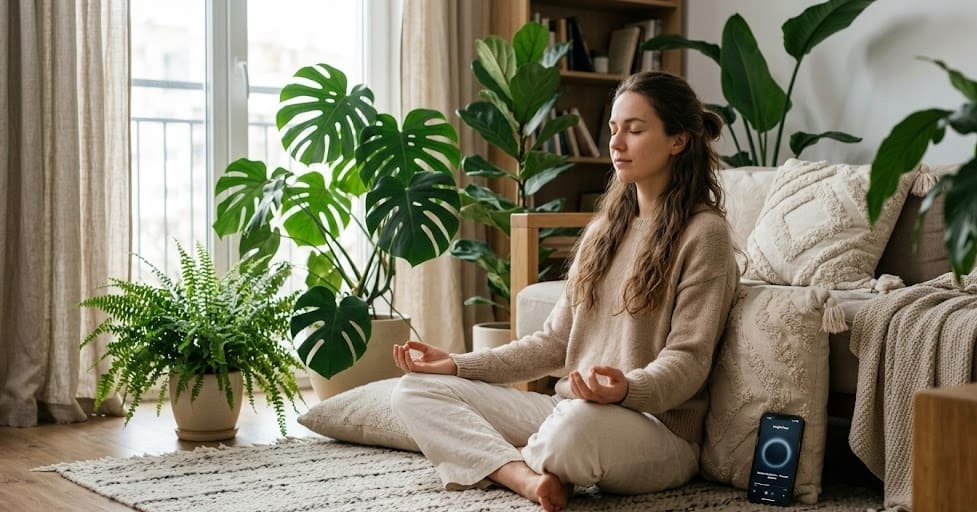
For those seeking a thoughtfully structured, perfectly safe, and beautifully designed pathway into this restorative world, the Upskillist platform provides an exceptional online holistic therapy course. Recognized internationally for its unwavering commitment to high educational standards and incredibly accessible learning, Upskillist has carefully crafted a curriculum specifically tailored for individuals who want to deeply understand natural therapies without the pressure, anxiety, or expense of a traditional academic setting.
Understanding Accreditation and Becoming a Wellness Consultant
The Upskillist course is meticulously structured to provide a comprehensive, yet entirely unhurried, exploration of alternative therapies. It deeply recognizes that true healing knowledge must be absorbed peacefully, not forcefully. The platform operates on a flexible, highly supportive subscription model, generously offering a 4-week free trial that allows the cautious student to fully experience the soothing nature of the video classes before ever making a financial commitment. This structure entirely removes financial anxiety and empowers the individual to ensure the learning style perfectly aligns with their personal need for a gentle, forgiving pace.
Stress-Free Credentialing for Your Future Practice
The curriculum is delivered through high-quality, beautifully filmed video modules that cover a diverse, interconnected range of holistic practices. It is designed not just for those seeking personal, quiet wellness, but also for those aspiring to achieve a respected holistic therapist certification or build a meaningful career as a compassionate wellness consultant. The course provides all necessary continuing professional development materials digitally, eliminating the frustrating need to search for an expensive, heavy external textbook.
Core Modules of the Upskillist Alternative Therapy Course
The course syllabus is thoughtfully divided into accessible modules that address the whole person, ensuring that the student gains incredibly practical skills in multiple, complementary modalities.
| Course Module Focus | Gentle Learning Outcomes | Practical Application for Daily Wellness |
| Aromatherapy Basics | Gaining a gentle understanding of essential oils and their incredibly direct, soothing impact on the nervous system and complex emotional states. | Creating highly personalized scent blends to easily cultivate a peaceful home environment and relieve daily tension without effort. |
| Reflexology & Zone Therapy | Quietly exploring the concept of foot, hand, and ear mapping; understanding how gentle, applied pressure corresponds to overall physical and emotional relief. | Applying simple, loving self-massage techniques to safely release physical blockages and promote deep, full-body relaxation. |
| Mindfulness & Self-Care | Embracing the key components of daily mindfulness and slowly unlearning the toxic guilt often associated with taking quiet time for oneself. | Developing soft, quiet daily rituals that fiercely protect emotional energy and naturally prevent the painful recurrence of burnout. |
| Movement & Diet | A soft introduction to the history of Pilates and the deep correlation between a nourishing, simple diet and a balanced, comfortably active body. | Nurturing the physical vessel with gentle, loving movement and whole foods, completely avoiding rigid, punishing, or exhausting fitness routines. |
The true beauty of the Upskillist platform is its absolute commitment to deep student support and ultimate flexibility. The courses are scheduled entirely at the student’s convenience, with gentle, unobtrusive email reminders ensuring the student never feels lost, abandoned, or unsupported. If daily life becomes unexpectedly overwhelming, the course can simply be paused at any time, beautifully embodying the true, foundational spirit of holistic care. There is no penalty for resting.
Upon the peaceful completion of the modules—and a stress-free final exam format consisting of end-of-module assessments designed to gently affirm knowledge rather than maliciously induce anxiety—the student earns an internationally recognized certificate. This valuable credentialing is so much more than just a piece of paper; it is a profound testament to the student’s dedication to their own health, peace, and well-being.
It serves as a highly respected accreditation for those who wish to step softly into the role of a therapy practitioner, offering them the solid, evidence-based foundation to guide others gently toward inner harmony.
Whether the ultimate goal is to slowly open a quiet private practice, carefully integrate alternative methods into an existing healthcare setting, or simply to become the loving, confident healer of one’s own home and family, the Upskillist certification provides the necessary, comforting grounding. It also fulfills the desire for continuing education for those already in the wellness space, providing easily accessible contact hours without the stress of travel.

The Broader Landscape of Integrative Health and Well-being
As a student journeys through these holistic medicine courses, they naturally begin to see how beautifully these modalities overlap. The study of holistic approaches is not a rigid list of separate subjects, but rather a deeply woven tapestry of care. A student might learn how the gentle application of reflexology can be miraculously enhanced by the use of a lavender essential oil, combining touch and scent to calm the body’s alarm systems simultaneously.
This is the true power of integrative health. It does not ask the individual to choose between modern convenience and natural wisdom. It simply offers a broader, softer menu of choices for pain management, emotional regulation, and overall wellness. It allows an individual to visit a standard healthcare provider for acute medical needs, while simultaneously consulting a naturopathic practitioner or utilizing their own learned healing techniques to manage daily stress and support long-term vitality.
By engaging with a holistic therapy course, the student is gently introduced to the principles of holistic living, which extend far beyond the specific therapies themselves. It alters the way one interacts with the world. A certified practitioner looks at a client complaining of chronic headaches and does not just see a symptom to be erased; they see a whole human being.
They gently inquire about the client’s sleep, their emotional burdens, their environment, and their joy. This level of care—both for oneself and for others—is desperately needed in today’s frantic society. It is a return to community health in its most fundamental, loving form.
Cultivating a Life of Inner Harmony and Lasting Resilience
Embarking on an online holistic therapy course is a deeply personal, incredibly courageous act of deceleration. In a society that constantly, aggressively demands output, productivity, and endless availability, choosing to quietly study the gentle arts of alternative healing is a beautiful, necessary rebellion. It is a firm, quiet declaration that one’s personal energy is sacred, that the body is a temple rather than a machine, and that profound well-being is not a luxury reserved for vacations, but a fundamental, non-negotiable human right.
The seamless integration of holistic approaches into one’s daily life does not require a complete, exhausting upheaval of one’s routine. It does not demand moving to a remote forest or giving up all modern comforts. Instead, it begins with incredibly small, tender, quiet moments: the slow, intentional brewing of an herbal tea; the soft lighting of a lavender-infused candle at dusk; the deep, resonant breath taken to the lingering sound of a singing bowl; or the mindful, unapologetic awareness of one’s own energetic boundaries when walking into a crowded room.
These tiny, manageable shifts, deeply informed by the foundational knowledge and practical skills learned in an online course, gently accumulate over time. They quietly weave a strong, highly flexible net of emotional and physical resilience.
By engaging safely with courses in holistic medicine, individuals slowly and safely learn to interpret the unique language of their own bodies. They gracefully move away from the exhausting, endless paradigm of constantly fixing what feels broken, and softly step into a sunlit space of continual, loving maintenance. The mind, the body, and the spirit are finally, completely acknowledged as a cohesive, beautiful whole, deeply deserving of endless compassion, unapologetic rest, and the purest natural care.
A Final, Comforting Thought on the Gentle Journey of Self-Healing
The journey toward true health and well-being is never a frantic race to a finish line; it is a slow, meandering, incredibly beautiful path back to oneself. For the deeply tired mind and the thoroughly exhausted body, the quiet world of natural therapies offers a remarkably soft place to land. It is a constant, gentle reminder that deep healing is a completely natural state, and that given the right, supportive environment, the human body already knows exactly how to restore its own perfect balance.
Choosing to enroll in an accredited online holistic program is an ultimate investment in personal, unshakable peace. It provides a quiet, secure space away from the loud, demanding voices of the modern world, offering the exact tools necessary to gently clear away the mental static and permanently reconnect with the profound, vital energy that quietly resides within. Absolutely everyone deserves this sanctuary. Everyone deserves the time, the breathing space, and the gentle, expert guidance required to truly heal themselves, and perhaps, eventually, to offer that same soft, healing light to others.
Frequently Asked Questions About Holistic Training
Who is considered a holistic beginner, and can I enroll without prior experience?
Absolutely. Most people who enroll in our online course are complete beginners seeking a more naturopathic approach to their own well-being. There are no prerequisites for enrollment; the program is designed to guide you gently from the foundational basics to more advanced specialization.
Does the course cover specific medical subjects like anatomy or physiology?
Yes, but in a very accessible way. While we focus on natural therapies, the curriculum includes a gentle introduction to human anatomy and physiology. This ensures that every herbalist or wellness coaching student understands how holistic nutrition and physical activity impact the body’s biological systems.
What is the difference between acupuncture and the therapies taught in this course?
While acupuncture is a vital part of traditional medicine that requires extensive in-person clinical training, this course focuses on equally powerful but non-invasive healing techniques like reflexology, herbal medicine, and mindfulness. These are safer remedy options for home practice and initial wellness consultant work.
Is this course recognized by a national association for continuing professional development?
Yes. The program meets high educational standards and is designed to provide continuing education for those already in the healthcare field. Upon passing the final exam, your textbook knowledge is validated with a certificate that counts toward your contact hours for professional accreditation.
Can I practice as a herbalist or consultant after finishing the modules?
The course provides the practical skills and foundational knowledge needed to start your journey. Many of our students go on to work in wellness coaching or as a wellness consultant, helping others manage pathology through lifestyle shifts and holistic healing methods.
Explore More Paths to Learning
If you feel that this specific approach isn’t quite what your mind needs right now, that is completely okay. Healing is a deeply personal journey, and there is no single right answer. When you feel ready, you can gently explore a wider library of wellness and personal growth programs. Take your time, listen to your body, and discover a path that feels naturally supportive for you here: