
Table of Contents
Affiliate disclosure: MindReset.org may earn a commission if you buy through our links. This does not increase your price and does not affect our editorial judgment.
Research note: We have not personally tested Muse 2 yet. This guide is based on product specifications, public documentation, available research, user feedback, and comparison with similar meditation and biofeedback tools.
What we assessed: EEG feedback, meditation-session setup, app dependence, sensor contact, progress tracking, subscription requirements, buyer fit, comparison with ordinary meditation apps, and differences between Muse 2 and newer Muse headbands.
What we could not independently verify: long-term comfort, app stability, battery degradation, Bluetooth reliability across devices, customer support quality, real-world durability, or meaningful meditation benefits for every user.
Availability note: Product versions, prices, bundles, Premium features, warranties, app compatibility, and regional availability may change. Confirm the current offer on the official Muse website before buying.
Health note: Muse may support relaxation, mindfulness, and a more consistent meditation practice, but it is not a treatment for anxiety, sleep disorders, depression, PTSD, ADHD, or any medical condition. If you have health concerns, speak with a qualified professional.
This article is for general informational and buyer-guidance purposes only. It is not medical advice, diagnosis, or treatment. Meditation devices, sleep technology, brain-sensing headbands, EEG-style feedback, biofeedback tools, and nervous-system-related wellness products may not be suitable for everyone. If you have a medical condition, use implanted medical devices, take medication, are pregnant, have neurological concerns, or are unsure whether a product is appropriate for you, speak with a qualified healthcare professional before using it.
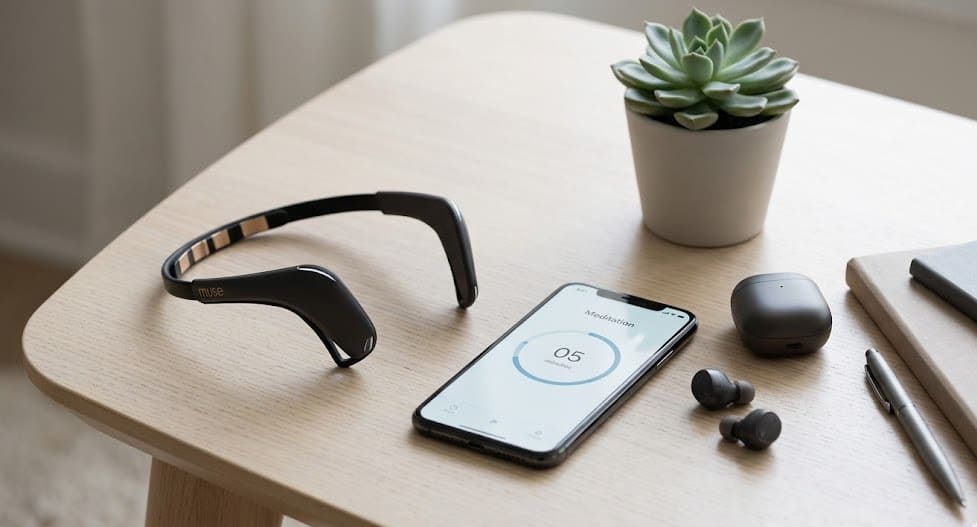
Meditation sounds simple until you actually try to sit still, follow your breathing, and notice what your brain is doing. For many beginners, the hardest part is not the meditation itself. It is the lack of feedback. Are you calm? Are you distracted? Are you doing anything useful, or just sitting with your eyes closed?
That is where the Muse 2 headband tries to help. Muse does not meditate for you, and it should not be treated as a medical device. Its real value is more practical: it turns meditation into a clearer feedback loop. You sit, listen, notice the soundscape, adjust your attention, and track your progress over time.
Quick Verdict: Is Muse 2 Still Worth Considering?
Muse 2 is still worth considering if you want meditation to feel less vague. The headband gives real-time feedback through the Muse app, using soundscapes, birds, and session data to help you notice when your attention drifts.
It is not the best choice if you only want a cheap guided meditation app or a simple breathing timer. Muse adds setup, Bluetooth, sensor contact, calibration, and app dependence.
Best for: beginners who want feedback while learning to meditate.
Skip if: you already meditate comfortably without technology.
Main value: making meditation more visible, structured, and easier to track.
What Is the Muse 2 Headband?

Muse 2 is a brain sensing headband designed to make meditation feel less vague. Instead of only giving you a voice-guided meditation, the device uses sensors to monitor patterns linked to brain activity and sends that signal to the Muse app. The app then gives you real-time audio feedback during your session.
The Muse headband sits across the forehead and behind the ears. The rubber ear sensors and front sensor points need contact with the skin to get a good signal. If the fit is poor, the signal quality can drop, and the app may ask you to adjust the headband before you begin.
In simple terms, Muse 2 is a meditation device for people who want more structure. It adds biofeedback, soundscapes, stats, and progress tracking to a practice that often feels invisible. That does not make it magic. It makes meditation easier to understand, especially when you are starting to meditate and do not yet have a strong sense of what a calm or distracted mind feels like.
How Does Muse Help You Meditate?
Muse helps you meditate by giving your attention something measurable to respond to. During a meditation session, the headband detects brain signals and sends them to the app. The app then changes the soundscape based on whether your mind appears calm, neutral, or active.
This matters because many people quit meditation early. They sit for five minutes, feel tense, notice random thoughts, and assume they are bad at it. Muse gives a different experience. It shows that distraction is part of the process. You notice the shift, return to the breath, and continue.
The best way to understand Muse is this: it does not force the brain into calm. It helps you notice when your attention has moved. That moment of noticing is central to mindfulness. If a normal guided meditation feels too abstract, Muse can make the loop clearer: listen, wander, notice, return, repeat.
What Happens During a Muse Meditation Session?
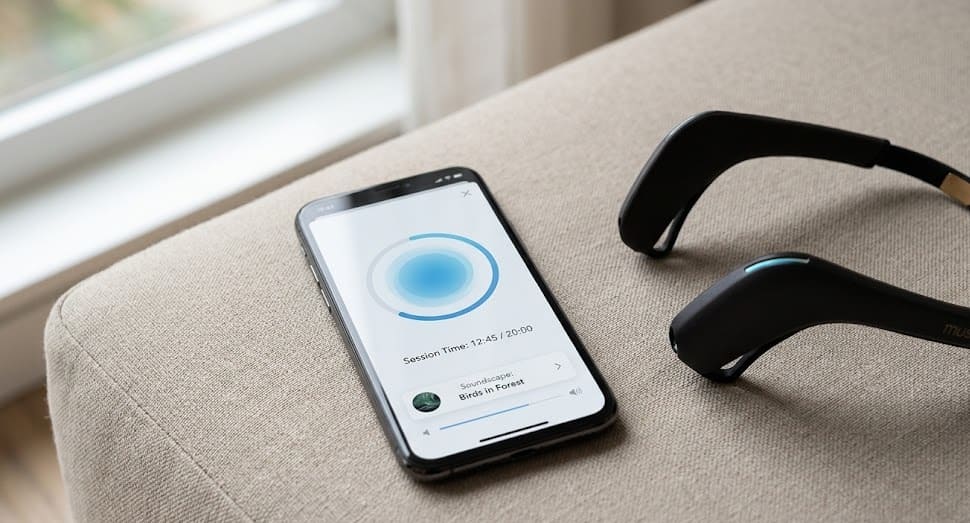
A typical Muse session starts with setup. You download the Muse app, turn on the device, and connect it via Bluetooth to your smartphone or tablet. The app is available for Apple or Android devices, though the exact experience may vary depending on your phone, tablet, operating system, and app version.
Before the session begins, Muse usually runs calibration. This creates a baseline so the app can understand your current signal. You may need to sit still, adjust posture, and make sure the headband is placed correctly. If the Bluetooth connection is unstable or the sensors do not sit well, the app may alert you before you start.
Once the session begins, you choose a meditation mode. Many users begin with mind meditation or breath meditation. You can also experiment with different session lengths. A beginner may start with five minutes, while someone more experienced may use 20 minutes or longer. The timer gives structure, and the app records stats after the session so you can track your progress.
How Does the Muse App Use Brain Feedback?
The Muse app is the center of the whole system. The headband collects the signal, but the app turns that information into something useful. During meditation, the Muse app uses real-time feedback through audio cues. If your mind is active, the sound may become more intense. If your mind is calm, the sound may soften.
This is where Muse becomes different from a standard guided meditation app. A normal app can guide you with a voice, a bell, a timer, or relaxing music. Muse adds a second layer: feedback based on your current state. It is closer to real-time biofeedback than simple audio guidance.
That said, the feedback should not be treated as a perfect measurement of inner life. Your brain is complex. A consumer EEG headband cannot fully explain what you are feeling or thinking. But it can give a useful training signal. Over time, that signal may help you build a habit because the practice becomes more interactive and easier to monitor.
What Do Birds, Wind, and Soundscapes Mean in the Muse App?
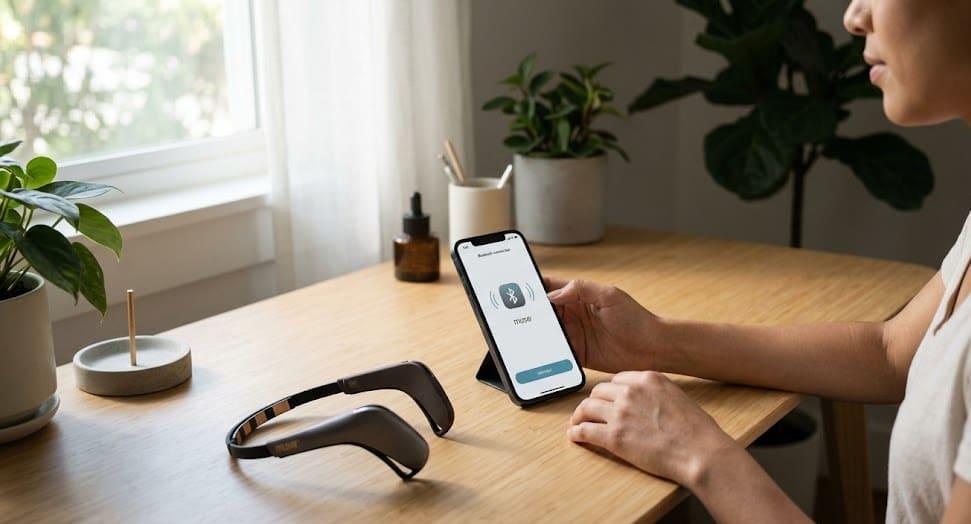
One of the most recognizable parts of Muse meditation is the use of soundscapes. Instead of staring at a screen, you listen. The app may use wind, weather, or other ambient sounds to reflect your session. When the mind is active, the soundscape may feel louder or busier. When the mind is calm, it may become quieter and smoother.
The bird sound is one of the app’s gamification features. In some sessions, birds appear when you maintain calm attention for a length of time. The number of birds can become a simple motivation tool, especially for people who like seeing progress.
This can be helpful, but it can also become a distraction. If you start chasing every bird, checking every score, and judging every session, Muse can interfere with the point of meditation. The goal is not to “win” the app. The goal is to become more mindful and return to focused attention more often.
Is Muse 2 Better Than a Regular Meditation App?
Muse 2 is not automatically better than a regular meditation app. It is different. A regular app is cheaper, simpler, and often enough for people who just want guided meditation, breathing exercises, or relaxing soundscapes. You can use it with headphones and start immediately.
Muse is more useful if you want feedback. If you are comparing brain-feedback tools more broadly, our Mendi review explains a different approach based on focus training rather than meditation soundscapes. Some people need that extra structure. They like seeing stats. They want to know whether their session was calmer than yesterday. They want a guide that responds to them instead of only playing pre-recorded audio.
For a wider comparison of EEG, fNIRS, HRV, and tactile tools, use our neurotechnology devices buyer guide.
For beginners, this can be powerful. Muse may motivate people who have tried meditation before and stopped because they could not sense progress. But if you already meditate comfortably without technology, the headband may feel unnecessary. In that case, a timer, podcast, yoga routine, or simple breathing practice may be enough.
Can Muse 2 Train Your Meditation Habit and Track Your Progress?
Muse can help you train consistency, but not because it hacks the brain overnight. Its main advantage is habit support. The device gives you a reason to return. You open the app, connect the headband, complete a session, review your stats, and repeat the next day.
This structure can make meditation clearer. You are not just hoping you did something useful. You can see a record of your practice. You can monitor how often you sit, how long you stay with it, and whether you are becoming calmer during sessions.
Still, the best results will likely come from simple expectations. Muse is not a guarantee of deep calm. It is a tool that may help some users build a more consistent meditation practice. If you expect instant transformation, you will probably be disappointed. If you use it as a feedback-based guide, it makes much more sense.
What Can Distract You While Using Muse?
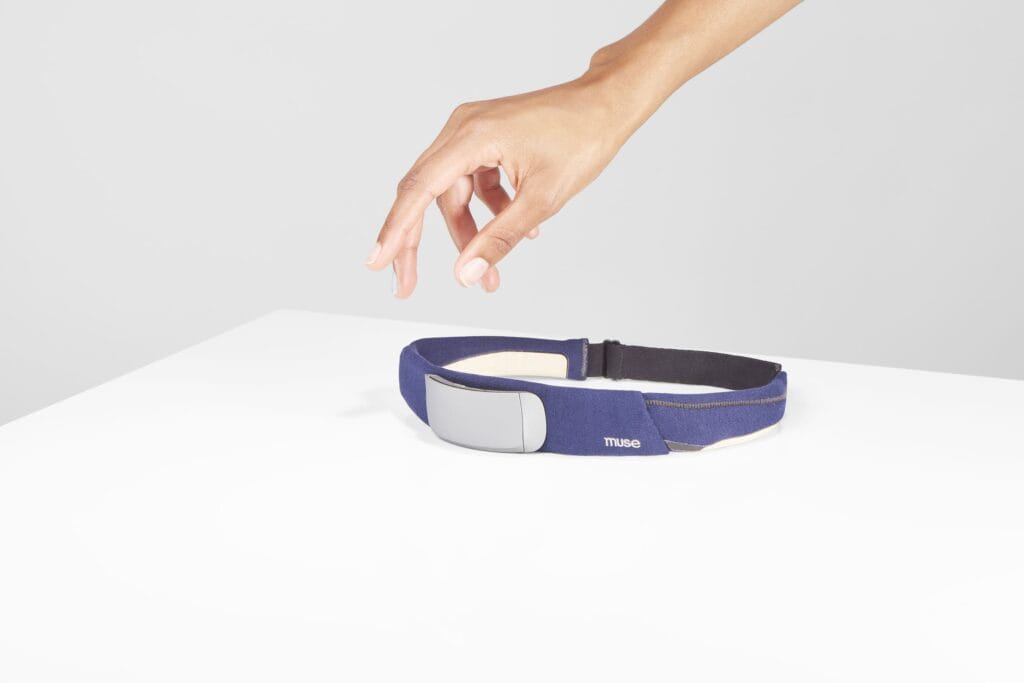
Muse solves one problem but can create another. It makes meditation more visible, but that visibility can become another thing to chase. Some users may become too focused on the score, the bird count, or whether each session looks “good” in the app.
Signal problems can also distract you. If the headband does not sit correctly, if your hair blocks the sensors, if the Bluetooth signal drops, or if the app struggles to connect, the session can feel annoying before it even starts. That is not ideal when the purpose is relaxation.
This is why posture, fit, and expectations matter. Sit comfortably. Make sure the forehead sensors and ear sensors have good contact. Do not treat every stat as a judgment. The point is not to perform calm for the app. The point is to practice noticing.
Who Should Buy the Muse 2 Headband?
Muse 2 makes the most sense for people who want meditation feedback. If silent meditation feels too vague, this device may give you the structure you need. It can also work well for people who enjoy wearable technology, habit tracking, and app-based progress.
It may be especially useful if you have already tried a normal guided meditation app but stopped because you could not tell whether it was working. Muse gives a clearer experience with the Muse app, soundscape changes, session data, and real-time cues.
Muse 2 can also be a reasonable choice if you find it at a good price and mainly care about meditation, not sleep tracking or the newest hardware. Before buying, check the current USD price, return policy, subscription requirements, warranty, and whether any money back offer is actually available from the seller. Do not assume an old promotion is still valid.
Who Should Avoid Muse 2?
You should avoid Muse 2 if you want a simple and cheap way to meditate.A regular app, simple breathing technique, breathwork timer, or free guided meditation may be enough. The headband adds cost, setup, charging, sensor contact, Bluetooth, calibration, and app dependence.
You should also skip it if you dislike wearable devices on your head. In that case, a wrist-based option like Apollo may feel easier to use; see our Apollo Neuro review for a different self-regulation tool. Some people will not enjoy the feeling of a headband across the forehead and behind the ears. Others may find that the technology makes them more tense instead of calmer.
Muse is also not the right purchase if you expect medical results. It may support mindfulness, relaxation, and self-awareness, but it should not be positioned as treatment. If your main concern is severe stress, panic, trauma, insomnia, or mental health symptoms, use professional support rather than relying on a consumer neurofeedback device.
Muse 2 vs Newer Muse Headbands
Muse 2 remains interesting because it focuses on meditation feedback. However, newer Muse models may offer better comfort, updated app support, sleep-related features, or improved design. That does not mean everyone needs the newest model. It depends on the use case.
If your goal is only to meditate and track your progress, Muse 2 may still be enough, especially if the price is attractive. If you want sleep support, better long-term comfort, or the latest product experience, a newer Muse headband may be more suitable.
The smart move is to compare the exact model, app features, subscription costs, availability, and return terms before buying. Do not buy only because a product page says “advanced” or “brain training.” Buy because the device solves a clear problem for your routine.
What we could verify:
- Public product positioning and available product-page information.
- Visible buyer-facing specifications, pricing, app requirements, subscription information, setup requirements, product categories, and accessory requirements where available.
- The article’s comparison logic and buyer-use-case framing for Muse 2 and similar meditation or biofeedback tools.
- The presence and placement of affiliate or product links used on the page.
What We Could Not Verify
Because this is a research-based review, there are some things we cannot honestly verify without long-term hands-on testing. We cannot confirm real-world durability after months of daily use. We cannot verify battery degradation, app stability across every phone, or how often users experience Bluetooth connection problems.
We also cannot verify comfort for every head shape, hair type, or posture. Some people may get a good signal quickly. Others may need to adjust the fit often. Small details like headphones, room noise, sensor contact, and sitting position can all affect the experience with the Muse.
We also cannot guarantee that Muse will improve your practice. Some users may feel clearer and more motivated. Others may find the feedback distracting. Like many wellness tools, the device is only useful if it fits your personality and routine.
Final Verdict: Useful Meditation Tool or Wellness Hype?

Muse 2 is not wellness magic. It is also not useless. It sits somewhere more practical: a meditation headband that uses brain sensing, real-time sound cues, and app-based progress tracking to make meditation easier to understand.
The strongest reason to buy Muse is not that it “fixes” your mind. It is that it makes the invisible parts of meditation more noticeable. If you struggle to meditate because you cannot tell what is happening, Muse can give you a clearer loop: listen, notice, return, repeat.
The biggest reason to skip it is simplicity. If your real problem is distraction rather than meditation feedback, start with our guide to digital detox tools for focus before buying another wearable.If you already enjoy guided meditation, breathing exercises, yoga, or silent sitting, you may not need another device. But if you want a structured guide that helps you see and hear your meditation practice, Muse 2 can still be worth considering.
Key Things to Remember
- Muse 2 is a brain-sensing meditation headband, not a medical device.
- The Muse app gives real-time audio feedback during meditation sessions.
- Weather sounds, wind, and birds are used to make attention shifts easier to notice.
- Muse may help beginners who find silent meditation too vague.
- The device can also become a distraction if you chase scores too much.
- A regular guided meditation app is cheaper and simpler.
- Muse 2 may still make sense if you want meditation feedback and find it at a fair price.
- Always check current pricing, return policy, app requirements, and subscription details before buying.
- Do not expect a guarantee of calm, better sleep, or mental health improvement.
- The real value of Muse is habit support: sit, listen, notice, return, and repeat.