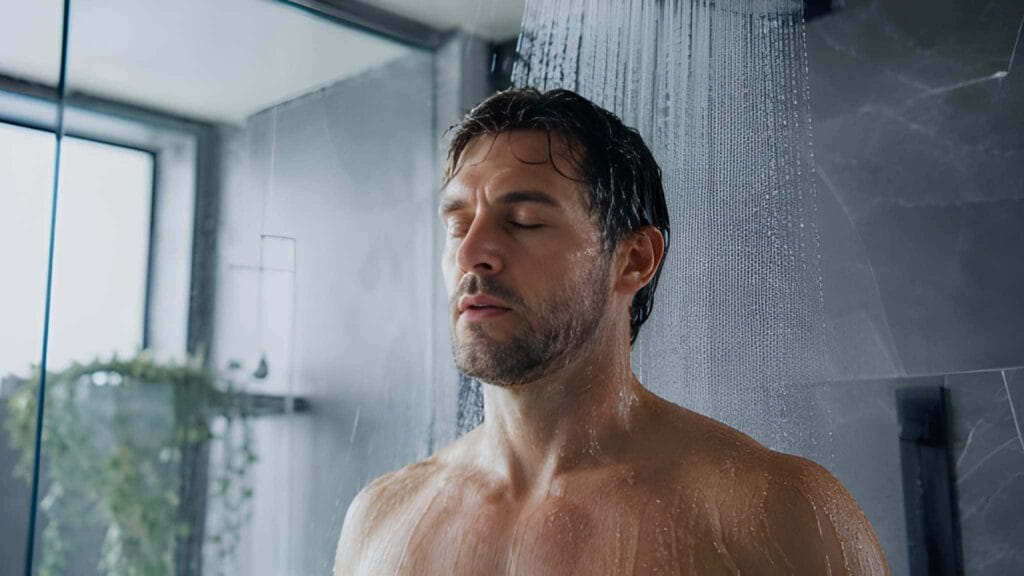
Cold therapy is one of the most talked-about wellness tools for energy, motivation, and mental resilience. Cold showers, cold plunges, and ice baths are often promoted as a way to “boost dopamine” and reset the mind.
There is some real physiology behind the hype. Cold exposure can trigger a strong stress response, increase alertness, and may affect neurotransmitters such as dopamine and norepinephrine. But it is not a cure for low mood, chronic stress, burnout, or lack of motivation.
This guide explains what cold therapy for dopamine can realistically do, what it cannot do, and how to start safely without turning a useful stress tool into a risky ego challenge.
Quick Verdict: Is Cold Therapy for Dopamine Worth Trying?
Cold therapy may be worth trying if you are healthy, curious, and want a short physical reset that can support alertness and discipline.
It is not essential. It is not a medical treatment. It is not a replacement for sleep, movement, nutrition, sunlight, therapy, or proper recovery.
Start with cold showers, not ice baths. Use a short exposure. Keep breathing controlled. Stop if you feel chest pain, dizziness, numbness, panic, or unsafe discomfort.
The best cold protocol is not the hardest one. It is the one you can repeat safely.
What Does Cold Therapy Do to the Body?
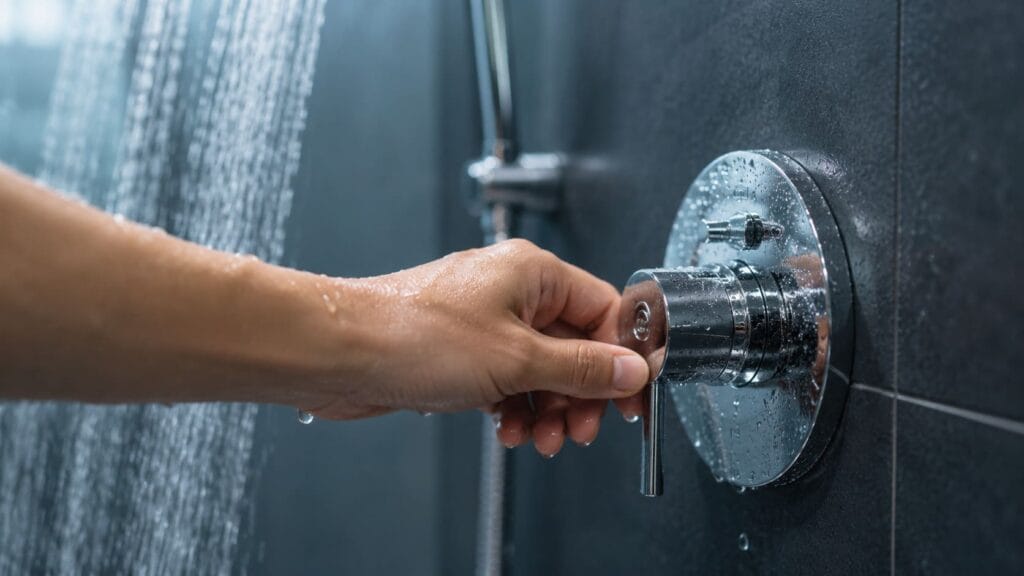
Cold exposure is a controlled stressor. When cold water hits your skin, your body responds quickly.
You may notice:
- faster breathing;
- a gasp reflex;
- higher alertness;
- increased heart rate;
- skin tightening;
- a strong urge to get out;
- a feeling of mental sharpness afterward.
This does not mean your body is “broken” or “soft.” It means the nervous system is reacting to a real environmental stressor.
The value of cold therapy is learning to meet that stress with control: slower breathing, calm posture, and a clear stop point.
The Dopamine Claim: What the 250% Number Really Means
You may have heard that cold exposure increases dopamine by 250%.
That number comes from a controlled study where participants were immersed in cold water and showed a large increase in blood dopamine concentration. But this does not mean every cold shower creates the same effect, or that cold therapy directly “fixes” motivation.
The dose matters. Water temperature matters. Duration matters. Individual health matters. A 30-second cold shower is not the same as a long controlled cold-water immersion study.
The safest way to phrase it is this: cold exposure may support a temporary state of alertness and motivation for some people, partly through changes in stress hormones and neurotransmitters. The often-quoted 250% dopamine figure comes from a controlled cold-water immersion study, where plasma dopamine increased during cold exposure.
Useful — yes. Magic — no.
Cold Therapy vs Cheap Dopamine
Cold therapy is often compared with “cheap dopamine” from social media, junk food, or endless scrolling.
The comparison is useful, but it can be overstated.
A cold shower is not a moral upgrade. It is simply a different kind of stimulus. Instead of giving your brain easy novelty, it gives your body a short physical challenge. That challenge can make you feel more awake, present, and disciplined afterward.
The benefit is not just dopamine. It is the behaviour pattern:
You choose discomfort.
You breathe through the first shock.
You finish the session.
You return to your day with more intention.
That is the real MindReset value. If your real problem is not low energy but constant phone checking, digital detox tools may do more for your reward system than adding another intense wellness ritual.
Beyond Dopamine: Stress Resilience and Breath Control
The first seconds of cold water are the hardest.
Your body wants to tense, gasp, and escape. If you can slow your breathing and stay calm for a short, safe exposure, you are practicing stress regulation in a very direct way.
This does not mean you are “rewiring your brain.” That claim is too strong.
A better way to think about it:
Cold therapy gives you a small practice zone for staying calm under pressure.
You are not trying to win a fight against the cold. You are practicing control while your body receives a strong signal.

The MindReset Cold Shower Protocol
This is the safest starting point for most beginners. If the first seconds of cold water make your breathing chaotic, practice breathing techniques for calm separately before pushing into longer cold exposure.
Step 1: Start Warm
Take your normal warm shower first. Do not begin with full cold if you are new to cold exposure.
Step 2: Finish With 15–30 Seconds of Cold
At the end of the shower, turn the water cold enough to feel challenging but not dangerous.
Start with 15–30 seconds.
Your goal is not suffering. Your goal is control.
Step 3: Use the Breath Anchor
When the cold hits, do not hold your breath.
Use slow exhalations. Keep your shoulders relaxed. Let the first shock pass.
Try this:
Inhale normally.
Exhale slowly.
Repeat until the urge to panic drops.
Step 4: Stop Before You Overdo It
Finish while you still feel in control.
You do not need to shake, go numb, or prove anything.
Step 5: Build Gradually
If 30 seconds feels manageable, increase slowly over time. Many people do well with 1–3 minutes, but there is no need to force longer sessions.
Consistency beats intensity.
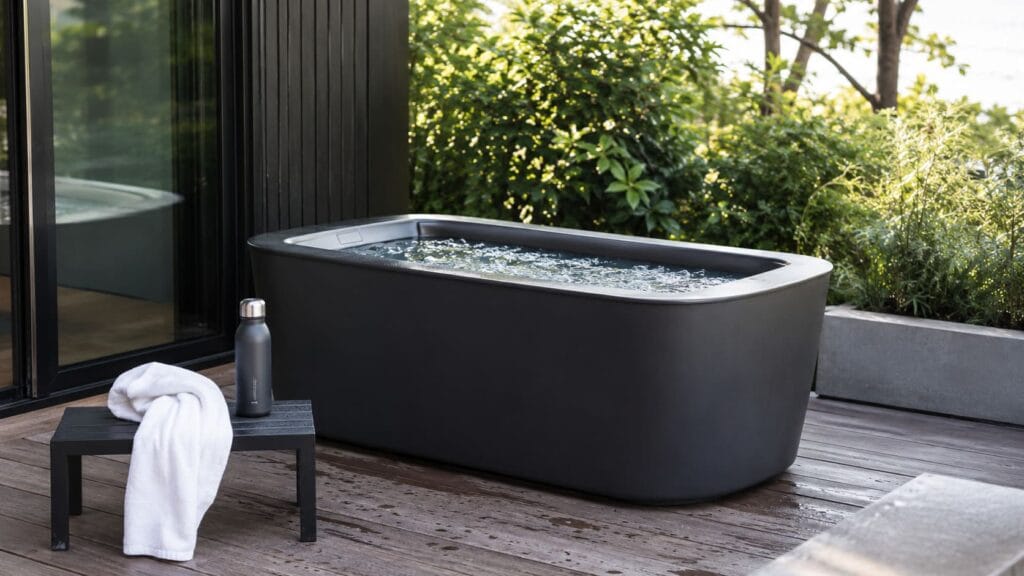
Cold Shower, Cold Plunge, or Ice Bath?
If you want to compare home cold plunges, ice bath tubs, and sauna-style recovery setups, explore our contrast therapy tools category before buying anything expensive. If cold showers are no longer enough and you want a dedicated setup, read our guide to the best cold plunge chiller and ice bath tub for home before choosing a tub, chiller, or full system.
The “Minimum Effective Dose” Approach
You do not need to freeze yourself for 10 minutes.
For beginners, the minimum effective dose is simple:
15–30 seconds at the end of a warm shower.
That is enough to practice the most important part: staying calm while the body reacts to cold.
After several weeks, you can experiment with longer exposures if you tolerate them well. Some cold exposure protocols suggest spreading several minutes across the week, but there is no universal “perfect” number for everyone.
Avoid chasing heroic protocols. Your goal is a repeatable routine, not a survival test.
What About the 11-Minute Rule?
You may hear people recommend around 11 minutes of cold exposure per week.
Treat that as a popular protocol idea, not a medical rule.
It may be useful for some trained users, but it should not be the starting point for everyone. Your safe dose depends on your health, tolerance, water temperature, recovery, and experience.
If you are new, start much smaller.
Measuring the Reset: HRV, Recovery, and How You Feel
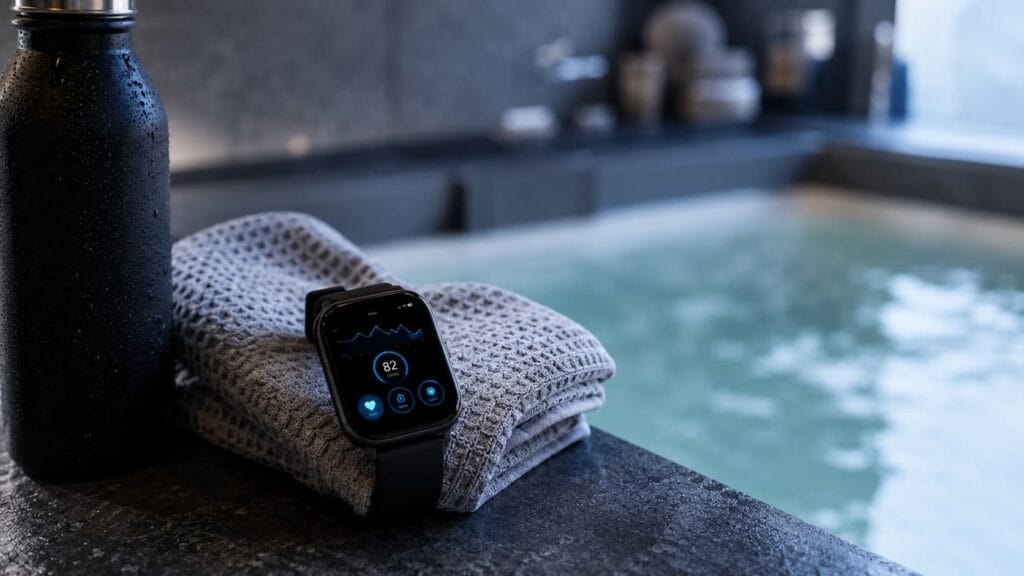
HRV can be useful, but do not overread it.
A wearable may show how your body reacts to cold exposure over time. If your recovery, sleep, and resting heart rate worsen, you may be doing too much.
Track simple signals:
- Do you feel alert but calm afterward?
- Is your sleep still stable?
- Are you recovering well from exercise?
- Do you feel energized or drained?
- Are you using cold exposure as discipline or punishment?
Cold therapy should leave you feeling clearer, not wrecked.
When Cold Therapy Is Not a Good Idea
Cold exposure is a real physiological stressor.
Avoid cold plunges or intense cold exposure if you have heart disease, uncontrolled high blood pressure, fainting episodes, serious circulation problems, cold urticaria, Raynaud’s symptoms, are pregnant, or have been told by a clinician to avoid sudden temperature stress.
Be especially careful with open-water cold exposure. Cold water shock can affect breathing, heart rate, blood pressure, and panic response very quickly.
If in doubt, speak with a qualified healthcare professional before trying cold therapy.
Safety Rules Before You Start
Use these rules:
- do not start with an ice bath;
- do not do cold exposure alone in open water;
- do not combine intense breathing practices with water immersion;
- do not hold your breath in cold water;
- do not chase numbness;
- do not force yourself through chest pain, dizziness, or panic;
- do not use cold exposure as punishment;
- do not assume more is better.
Cold therapy should be controlled discomfort, not danger. A 2025 systematic review found potential benefits for stress, sleep quality, and quality of life, but also noted limited high-quality evidence, mixed results for mood, and the need for more research.
Who Should Try Cold Therapy?
Cold therapy may suit you if you:
- are generally healthy;
- want a short morning reset;
- like physical discipline;
- want to practice breath control under mild stress;
- prefer simple routines over complicated wellness stacks;
- can stop without ego when something feels wrong.
Who Should Skip It?
Skip cold therapy if you want it to fix your life.
It will not replace sleep, nutrition, light exposure, movement, therapy, or a stable routine.
Also skip it if you are using it to punish yourself, prove toughness, or override exhaustion. Cold exposure is not a substitute for recovery.
Final Verdict
Cold therapy for dopamine is useful when it is treated as a small, controlled stress practice.
It may help some people feel more alert, focused, and mentally switched on. But the strongest benefit is not a dramatic dopamine spike. It is the habit of choosing a short challenge, controlling your breath, and returning to your day with more intention.
Start with 15–30 seconds at the end of a warm shower. Build slowly. Respect safety. Stop before ego takes over.
Next step: cold therapy works best when it supports a cleaner reward system, better recovery, and more focused work — not when it becomes another extreme wellness obsession.