
Table of Contents
Introduction: review organic merino wool comforter
MindReset.org may earn a commission if you buy through our links. This does not increase your price and does not affect our editorial judgment.
Research note: We have not personally tested every bedding product discussed on this page yet. This guide is based on product specifications, public documentation, available research, user feedback, and comparison with similar wool and organic bedding products.
This article is for general informational and buyer-guidance purposes only. It is not medical advice, diagnosis, or treatment. Bedding and sleep products may not be suitable for everyone, especially people with wool sensitivity, allergies, skin sensitivity, overheating concerns, asthma, or other health considerations. If you have a medical condition, allergies, sensitivities, are pregnant, or are unsure whether a bedding material is appropriate for you, speak with a qualified healthcare professional before using it.
The Sleep & Beyond myMerino Organic Wool Comforter is a premium four-season comforter made for buyers who prefer organic wool and cotton over polyester or down. It combines a 100% organic Merino wool fill with a 400TC organic cotton sateen cover.
Quick verdict: This comforter is worth considering if you want natural materials, substantial year-round warmth, moisture management, and a smooth cotton sateen cover. It is less suitable for buyers who need machine-washable bedding, avoid animal fibers, sleep in a consistently hot room, or are sensitive to the natural smell of wool.
The standard myMerino Comforter uses a relatively substantial wool fill, so “four-season” should not be interpreted as a guarantee that every hot sleeper will find it cool. Warmth depends on room temperature, duvet cover, sheets, pajamas, body heat, and personal preference.
This research-based review examines the comforter’s materials, warmth level, certifications, care requirements, practical limitations, and buyer risks. It does not treat the product as a solution for fatigue, allergies, night sweats, poor sleep, or another health condition.
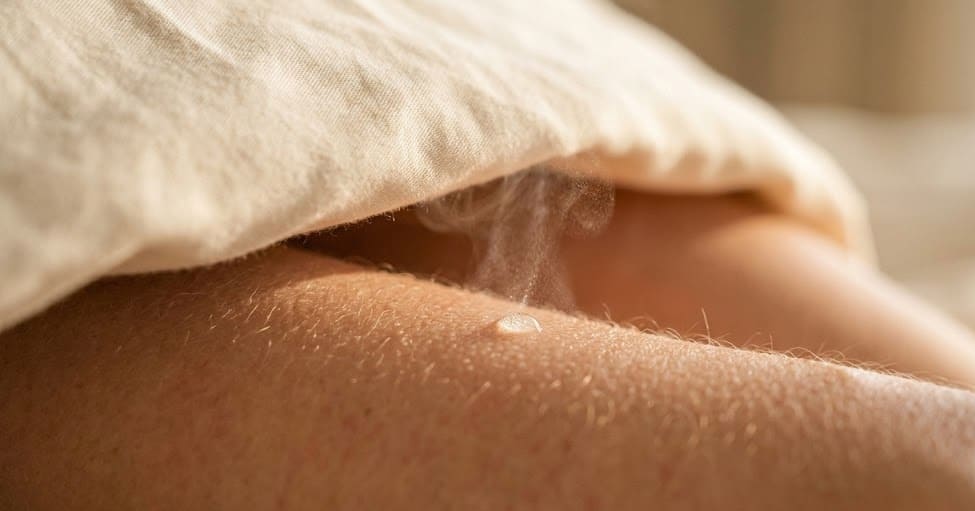
The Neuroscience and Physiology of the Sleep Microclimate
What Does an Organic Merino Wool Comforter Actually Do?
A comforter primarily affects warmth, moisture management, weight, and the feel of the bedding around the body. These factors can influence whether a sleeper feels comfortable, overheated, clammy, or restricted during the night.
Merino wool can absorb and release moisture vapor, while its crimped fibers trap insulating air. This is why wool bedding is often positioned as suitable for different seasons. However, no comforter can guarantee an ideal temperature for every sleeper. Room temperature, pajamas, sheets, mattress materials, body heat, and personal warmth preferences all matter.
The myMerino Comforter may be a useful option for buyers who dislike synthetic fill, want an organic wool comforter, or prefer bedding designed to balance insulation with moisture management. It should be evaluated as a premium bedding product, not as a treatment for fatigue, night sweats, hormonal symptoms, allergies, or disrupted sleep.
Can a Merino Wool Comforter Improve Sleep Comfort?
The practical benefit of wool is its ability to manage insulation and moisture differently from many synthetic fills. Some sleepers may find this more comfortable, particularly when they tend to feel warm and clammy under polyester bedding or dislike the weight and heat retention of a traditional down comforter.
Research has examined how wool sleepwear and wool bedding affect thermal comfort and sleep. Some studies have reported favorable results under specific conditions, but the findings cannot be treated as proof that the myMerino Comforter will make every buyer fall asleep faster or sleep more deeply.
One frequently cited University of Sydney study compared Merino wool, cotton, and polyester sleepwear in adults aged 50–70 under warm laboratory conditions. It tested sleepwear—not this comforter—and its results should not be presented as product-specific evidence.
A broader systematic review also found that results vary according to the type of fabric, ambient temperature, participant group, and study design. The evidence supports wool as an interesting material for sleep comfort, but not as a guaranteed sleep-improvement solution.
Practical Buyer Takeaway
Consider the myMerino Comforter if you:
- want an organic wool-filled alternative to polyester or down;
- prefer bedding that is designed to handle moisture vapor;
- are looking for a year-round comforter rather than separate seasonal duvets;
- value certified materials and are prepared for specialist care requirements.
Skip it if you expect measurable improvements in sleep stages, heart rate, anxiety, recovery, or morning energy. Those outcomes cannot be confirmed from the product specifications or the available research.
Pure Organic Luxury: The myMerino Organic Wool Materials
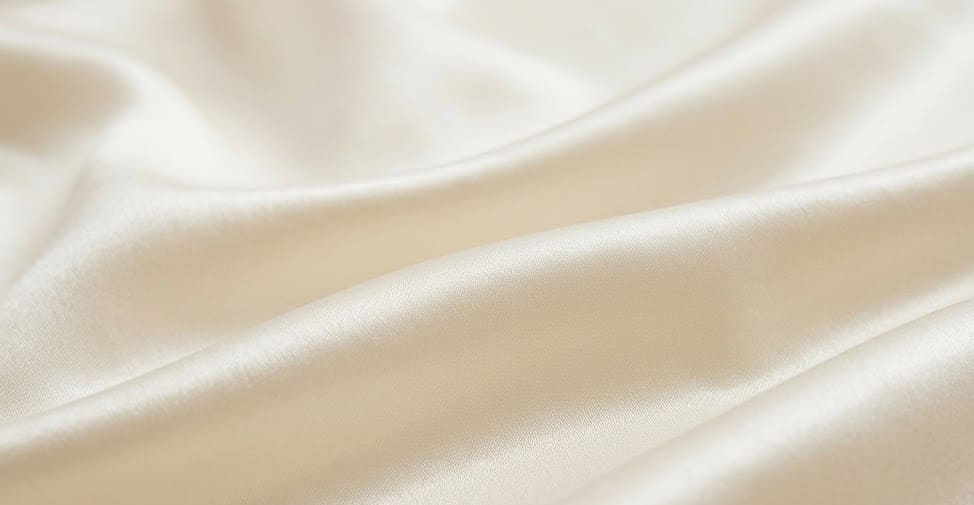
The myMerino Comforter combines an organic Merino wool fill with an organic cotton sateen cover. Its buyer appeal comes from the material composition, substantial wool weight, smooth outer fabric, certified organic sourcing, and four-season positioning—not from guaranteed physiological or medical effects.
100% Organic Merino Wool
100% Organic Merino Wool
The myMerino Organic Wool Comforter is filled with 100% certified organic Merino wool. Merino fibers are generally finer and softer than the coarse wool associated with traditional blankets, which makes them suitable for use inside premium bedding.
The standard myMerino Comforter contains 530 GSM, or approximately 16 ounces of wool per square yard. This gives it more insulation than the lighter 200 GSM version and makes the standard model better suited to mixed seasons, cooler bedrooms, and sleepers who prefer a substantial comforter.
Wool can absorb and release moisture vapor, which may help the bedding feel less clammy than some non-absorbent synthetic fills. However, temperature comfort remains subjective, and wool should not be described as an automatic cooling system or a guaranteed solution for night sweats.
A noticeable natural wool scent may be present after opening. According to the manufacturer, this aroma normally fades after the comforter has been aired for several days. Buyers with a strong sensitivity to natural wool smells should consider this before purchasing.
The presence or absence of a wool scent does not independently prove that a product is free from every chemical, toxin, or potential irritant. Certifications and current product documentation are more useful evidence than smell alone.
The 400TC Organic Cotton Sateen Cover

The wool filling is enclosed in a 100% organic cotton sateen cover with a listed 400 thread count. Sateen has a smooth, soft finish and a more polished feel than crisp cotton percale.
The cover contributes to the premium feel of the comforter, but a 400TC specification does not guarantee cooler sleep, friction-free skin contact, or benefits for eczema, psoriasis, sensory processing issues, or another condition.
Corner loops allow the comforter to attach to compatible duvet-cover ties. Using a washable duvet cover is strongly recommended because the organic Merino wool fill is not machine washable.
Is the myMerino Comforter Good for Allergies?
The manufacturer describes the myMerino Comforter as hypoallergenic and naturally resistant to dust mites, mold, and mildew. These claims may make it appealing to buyers who prefer wool over down or synthetic fill.
However, no comforter is universally allergy-safe. Some people may react to wool, lanolin residues, natural odors, dust accumulated in bedding, detergents, or other materials in the bedroom.
The myMerino Comforter should not be presented as a medical-grade product, asthma intervention, treatment for Multiple Chemical Sensitivity, or guaranteed way to reduce respiratory symptoms. Anyone with a known wool allergy, significant respiratory condition, or strong material sensitivity should obtain appropriate professional advice before purchasing.
A washable duvet cover, regular laundering of surrounding bedding, bedroom ventilation, and following the manufacturer’s care instructions may be more practical for allergen management than relying on the comforter material alone.

Four-Season Comfort: Does This Organic Merino Wool Comforter Sleep Hot?
The standard myMerino Comforter contains 530 GSM of organic Merino wool and is marketed as a four-season option. It should provide more warmth than the myMerino Comforter Light, which contains 200 GSM of wool.
Wool can manage moisture vapor while trapping insulating air within its fibers. This combination may feel more balanced than some non-absorbent polyester fills, but it does not mean that the comforter actively adjusts itself like a thermostat or air-conditioning system.
Very hot sleepers, people living in warm climates, and buyers who keep their bedroom heated may prefer the lighter version. The standard version is more likely to suit cooler rooms, changing seasons, and sleepers who want a fuller, warmer comforter.
| Buyer profile | Better option | Why | Skip if |
|---|---|---|---|
| Mixed seasons or cooler bedroom | Standard myMerino Comforter | 530 GSM wool fill provides more insulation | You regularly overheat under substantial comforters |
| Warm climate or hot sleeper | myMerino Comforter Light | 200 GSM fill is lighter and less insulating | You need strong winter warmth |
| Buyer needing easy home washing | Neither organic myMerino version | Organic Merino wool should not be machine washed | You are comfortable using a duvet cover and specialist cleaning |
| Buyer avoiding animal materials | Plant-based or synthetic alternative | Both myMerino models contain sheep wool | Animal fibers are acceptable to you |
The best option depends on room temperature, climate, body heat, duvet cover, and individual warmth preference. Four-season comfort is a product-positioning term, not a guarantee that one model will suit every buyer throughout the year.
The Standard of Purity: Certifications for Eco-Conscious Bedding
Premium buyers investing in luxury wellness products correctly demand total transparency regarding the ecological, chemical, and ethical origins of their purchases. Greenwashing is rampant in the textile industry, making verifiable third-party certification essential.
The Sleep & Beyond brand has built its industry-leading reputation on an uncompromising, heavily audited commitment to global sustainability, ensuring that the iconic mymerino comforter – now available to discerning consumers—is ethically and eco-consciously made from start to finish.
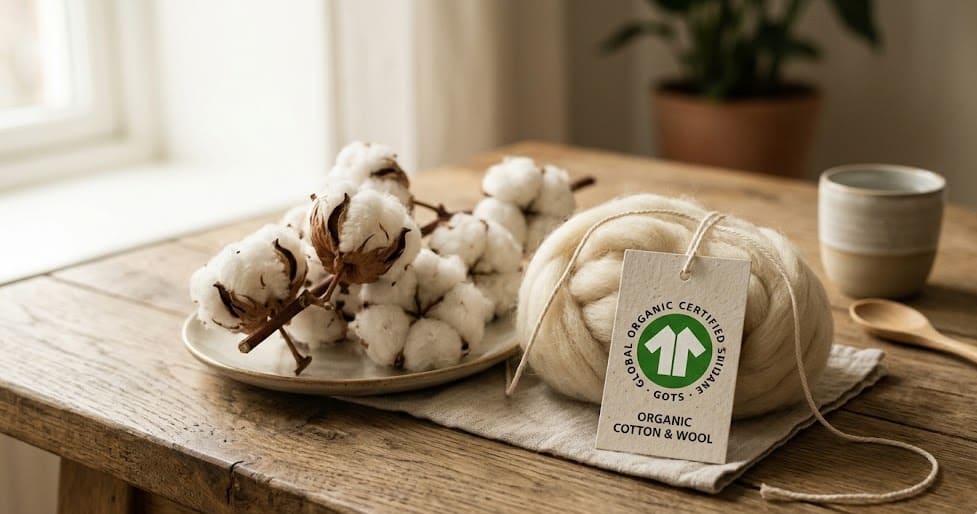
The raw materials utilized in this product undergo the most rigorous, unforgiving third-party testing available in the global textile industry. The cotton casing is not merely “natural”; the organic cotton is certified organic to global organic textile standard (GOTS), bearing the prestigious certificate #OTCO-OT-024204. GOTS is the worldwide leading textile processing standard for organic fibers, encompassing both stringent ecological and severe social criteria.
It strictly and completely prohibits the use of toxic heavy metals, formaldehyde, aromatic solvents, nano-particles, and genetically modified organisms (GMOs) anywhere in the entire supply chain.
Likewise, the internal wool fill is not merely washed; the organic merino wool is certified organic to the global organic framework under the exact same rigorous GOTS standards. This comprehensive dual certification guarantees that the entire product is certified organic to global organic textile benchmarks, ensuring the purest possible end product.
Because the organic cotton is certified organic and the merino wool is certified organic, the consumer is shielded from the entire spectrum of modern agricultural chemicals.
Additionally, the pure comforter provides a healthier profile by rigorously adhering to the OEKO-TEX Standard 100 certification (#15.HCN.66088). This certification ensures that every single thread, yarn, and fiber is scientifically tested for harmful substances in a laboratory setting and deemed entirely safe for human health, including the highly sensitive skin of infants.
The pristine wool fill itself also carries the prestigious WOOLMARK Certification (#L1722CH12W and #L2388BE09W). Woolmark is globally recognized as the ultimate symbol of high quality, purity, and reliability. It specifies that the product dramatically exceeds the global standards for pure wool filling.
Beyond the impeccable purity of the materials, the company’s operational ethics and environmental stewardship are equally stringent. The Merino sheep providing the fill are raised in a cruelty-free, completely mulesing-free environment. They are allowed to roam freely and graze in natural, sunlit pastures without being subjected to inhumane agricultural practices.
The manufacturing facilities operate under strict Fair Trade Certified protocols (Certification #FLO ID 42022) and the Business Social Compliance Initiative (BSCI). These frameworks ensure fair and equitable remuneration for farmers, enforce strict workplace health and safety protocols, protect the freedom of association, and guarantee the absolute prohibition of child labor across the global supply chain.
As a further testament to their deep philanthropic commitment, the company operates with a pledge to dedicate 5% to charity, actively supporting vital organizations such as CASA (Court Appointed Special Advocates for Children) and GIFT, which works to prevent human trafficking. Finally, reflecting their holistic dedication to the planet, each product comes in an organic, biodegradable, and infinitely reusable cotton packaging, strictly adhering to a corporate zero-waste philosophy that minimizes landfill impact.
Every element of the product, from the sheep grazing in the pastures to the packaging arriving at the door, is certified organic to the global highest standards.

Care Instructions & Longevity for Your Beyond myMerino Organic Investment
A frequent and entirely valid concern among premium bedding purchasers is the complexity of maintenance. Because the beyond mymerino® organic wool comforter is a substantial financial investment in health, intimately understanding the unique physical biochemistry of wool care is absolutely critical. Adhering to the proper protocols ensures the product performs its absolute best and lasts as long as it’s designed to—which, for premium wool, can easily span decades.
Unlike cheap synthetic batting or heavily processed down, which can often be aggressively laundered in home appliances, natural, untreated wool requires a highly specific, gentler approach to prevent a permanent physical alteration known as felting.
Felting occurs when raw wool fibers are subjected to a specific combination of moisture, high heat, and mechanical agitation (such as the tumbling action of a washing machine). Under these harsh conditions, the microscopic, overlapping protein scales on the surface of the wool fiber aggressively lock together.
This causes irreversible, permanent shrinkage, clumping, and the total destruction of the fiber’s loft and breathability. For this critical scientific reason, the comforter is strictly not machine washable.
To protect the longevity of the investment, users must always encase the comforter in a high-quality, easily washable duvet cover. Routine maintenance does not require water; rather, it relies beautifully on the natural, intrinsic self-cleaning properties of the keratin fiber.
Textile experts strongly advise regular sunning and airing. Simply placing the comforter outdoors, laid flat in direct sunlight on a dry day for a few hours at the turn of each season, will naturally revitalize and disinfect the fibers. The natural ultraviolet (UV) rays from the sun work in perfect tandem with the warmth, encouraging the wool’s natural moisture-releasing capabilities to quickly wick away any deeply trapped humidity.
This elegant, solar-powered process will safely and effectively disinfect your wool bedding, killing bacteria and restoring the product’s fluffy loft without the use of harsh, degrading chemical laundering. Regular sunning and airing is the primary method to naturally revitalize and disinfect your wool investment.
For accidental, localized spills, immediate, gentle action is required. Owners should quickly spot clean the comforter with a soft brush and mild detergent formulated specifically for natural fibers. When addressing a stain, one must gently dab the affected area rather than scrubbing aggressively, as scrubbing induces localized felting.
After employing the soft brush and mild detergent, it is absolutely vital to ensure you are allowing it to air dry completely. The dense core filling must air dry completely before putting the protective cover back on. Ensuring it is completely before putting it back into daily use prevents any trapped, residual moisture from incubating mold or compromising the structural integrity of the organic fibers over time.
In rare instances where a complete, deep cleaning is totally unavoidable due to heavy, widespread soiling, professional services must be utilized. However, standard dry cleaning chemicals are toxic and degrade natural fibers. Owners must seek out specialized, eco-friendly dry cleaning services that avoid perchloroethylene (PERC).
Furthermore, when handing over the item, it is imperative to explicitly instruct the professional cleaner to perform the dry cleaning on a short cycle. Ensuring the cleaning on a short cycle with limited moisture is strictly adhered to will protect the delicate keratin scales from interlocking.
By adhering to these precise, biologically sound guidelines—relying primarily on seasonal sunning, gentle spot cleaning, and only rare eco-friendly dry cleaning on a short cycle—this comforter lasts as long as it’s designed to, easily outlasting synthetic alternatives by decades and providing a lifetime of comfort.

Who should avoid it:
- People with wool allergies, wool sensitivity, skin sensitivity, asthma concerns, or overheating concerns unless the material is clearly suitable for them.
- Buyers who need guaranteed deep sleep, anxiety relief, recovery, nervous-system, or health-improvement outcomes from bedding.
- Vegan buyers or anyone who avoids animal-fiber materials.
- Users who need easy machine washing, a very specific warmth level, or a return policy they have already verified before purchase.
What we could verify:
- Public product positioning and available product-page information.
- Visible buyer-facing specifications, materials, certifications, sizing, warmth positioning, care guidance, pricing, and return-policy information where available.
- The article’s comparison logic and buyer-use-case framing for wool comforters and organic bedding.
- The presence and placement of affiliate or product links used on the page.
What we could not verify:
- Long-term loft, durability, pilling, odor, cleaning performance, warmth consistency, customer-support quality, or real-world performance over months of daily use.
- Product-specific effects on deep sleep, sleep quality, anxiety, recovery, temperature regulation, allergies, or nervous-system outcomes.
- Whether public research on wool, bedding, thermoregulation, or sleep environments applies directly to this specific comforter.
- Whether every user will experience the same comfort, warmth, fit, sensitivity tolerance, or value.
Conclusion
The pursuit of profound, restorative sleep requires fundamentally moving beyond superficial, aesthetic comfort and directly addressing the harsh physiological realities of the bedroom microclimate.
Standard synthetic fabrics and heavy down materials, while immensely popular in the mass market, fundamentally fail to support the human body’s complex, natural thermal rhythms. They trap heat, incubate humidity, harbor severe allergens, and lead directly to the tossing, turning, overheating, and profound exhaustion that unfortunately plague millions of modern sleepers.
By expertly harnessing the evolutionary perfection of superfine mountain wool, the Sleep & Beyond product line offers a scientifically validated, luxurious solution to this modern crisis. The flawless combination of 100% GOTS-certified organic wool fill and a buttery 400TC organic cotton sateen casing yields a product that is unequivocally, mathematically superior in its ability to actively manage moisture, dynamically regulate temperature, and naturally neutralize allergens.
The iconic mymerino comforter stands as a monumental testament to what is possible when ultra-luxury textile engineering meets uncompromising, audited ecological standards.
This luxurious, ethically and eco-consciously made product provides significantly more than just aesthetic bedroom appeal; it delivers a fundamental, measurable upgrade to one’s baseline physiological health. Acknowledged widely by the industry and discerning consumers alike, this specific customer favorite comforter was also awarded the prestigious Preferred Choice Award, further validating its elite status as a premier wellness tool.
For those who are deeply exhausted by the relentless cycle of poor rest, investing in the Sleep & Beyond mymerino organic wool comforter ensures that you spend less time tossing, and significantly more time experiencing the deep relaxation your body craves. It is a masterclass in organic luxury, meticulously crafted from start to finish to seamlessly transform the nightly routine into a deeply healing, comforting sleep environment.