Table of Contents
Introduction: boutique hotel aat provence
The contemporary landscape of high-level corporate leadership has precipitated a hidden biological crisis. For the high-net-worth American digital founder and the corporate executive, the relentless cadence of quarterly metrics, asynchronous communication, and endless virtual conferences manifests not merely as psychological fatigue, but as a profound physiological collapse.
This state of exhaustion is increasingly recognized not as a failure of willpower, but as a predictable biological response to an environment entirely decoupled from human evolutionary needs. To address this, a novel intervention is emerging at the intersection of neuro-architecture, commercial real estate, and therapeutic hospitality. The ultimate resolution for this modern affliction is the strategic acquisition of a boutique hotel in the South of France.
This comprehensive research report explores the concept of “Somatic Real Estate” and introduces “The Provence Prescription”—a radical, turnkey lifestyle pivot that reframes the purchase of a boutique hotel property not simply as a financial investment, but as a vital biological intervention.
By leveraging platforms such as World Businesses for Sale to simultaneously divest from high-friction digital enterprises and acquire a physical sanctuary, the burnt-out executive can exchange abstract digital metrics for the tactile reality of ancient stone walls, seasonal rhythms, and the grounding physical act of hospitality.

The Biological Toll of Digital Business and the Need for a Luxury boutique hotel Intervention
Digital burnout rarely announces itself with a singular catastrophic event; rather, it sneaks in slowly, eroding cognitive and physical resilience over years of sustained, intangible pressure. The modern executive operates in a state of continuous velocity, managing abstract assets, leading decentralized teams through screens, and navigating abstract threats that never materialize in the physical environment.
When success feels like sinking, the physiological breakdown is imminent. Clinical observations of executive burnout highlight instances where high-functioning leaders, accustomed to leading massive organizations, find themselves physically unable to perform simple tasks, paralyzed by a nervous system wired for constant vigilance that has finally snapped under relentless pressure.
This chronic exposure to high-velocity, intangible work extracts a severe biological toll. Research into executive mental health demonstrates that prolonged exposure to the digital leadership environment triggers a cascade of somatic symptoms. The nervous system, constantly stimulated by blue light, notifications, and complex problem-solving without physical resolution, interprets the digital landscape as a zone of perpetual danger.
The physical toll of this lifestyle is codified into distinct somatic patterns of executive burnout, which manifest physically and psychologically across multiple systems:
| Somatic Burnout Pattern | Physiological Manifestation | Underlying Mechanism |
| The Bracing Pattern | Chronic musculoskeletal pain, particularly in the neck, shoulders, and jaw. | The nervous system anticipates an abstract danger and physically braces the body for a kinetic impact that never arrives, leading to muscular exhaustion. |
| The Shutdown Pattern | Severe gastrointestinal issues and metabolic disruption. | The enteric nervous system, connected to the brain via the vagus nerve, shuts down non-essential digestive functions during chronic survival responses. |
| The Depletion Pattern | Chronic fatigue, shallow resting states, and severe sleep disruption. | Running a chronic sympathetic survival response requires massive metabolic energy, leaving the executive depleted even after extended periods of inactivity. Difficulty falling asleep is exacerbated by suppressed melatonin from evening device use. |
| The Overload Pattern | Heightened sensory sensitivity, increased irritability, and emotional numbness. | The continuous influx of abstract data and the glare of screens overwhelm sensory processing capacities. The brain responds with cognitive fog—finding it difficult to concentrate on a single task—and emotional numbness as a defense mechanism against sensory overload. |
| The Inflammatory Pattern | Immune system disruption, health anxiety, and susceptibility to illness. | Prolonged cortisol exposure suppresses immune function. Paradoxically, the use of wearable tech to monitor this decline often leads to “orthosomnia”—an obsession with achieving perfect health data that further spikes anxiety. |
For driven executives, these vulnerabilities are often compounded by an identity deeply intertwined with performance. Executives frequently attempt to “optimize” their way out of this collapse using cold plunges, supplements, and aggressive coaching, treating their body like a machine needing a software repair rather than a human needing compassion.
The comparison trap—feeling inadequate while scrolling through curated professional networks—further deepens the psychological toll. However, optimization reaches its limits when the underlying environment remains toxic. True recovery necessitates more than cognitive behavioral adjustments; it requires a radical change in the somatic architecture surrounding the individual.
Somatic Real Estate and Hospitality: Redefining the Hotel Business
The built environment exerts a profound, measurable impact on the human nervous system. The emerging field of neuro-architecture demonstrates that developers and design teams can utilize neuroscience to create environments that actively promote mental clarity, emotional resilience, and overall well-being.
When applied to burnout recovery, this concept evolves into “Somatic Real Estate”—properties specifically designed or naturally suited to down-regulate the sympathetic nervous system and facilitate deep biological repair.
Brain-friendly buildings integrate features such as biophilic design, circadian lighting, acoustic attenuation, and tactile sensory elements to optimize human health. The integration of neuro-architecture for mind wellness positions certain real estate developments as catalysts for improving quality of life.
For the exhausted executive, transitioning into a physical environment that naturally enforces these principles is vastly superior to attempting to artificially simulate them in a high-rise urban apartment or a hyper-connected smart home.
Somatic psychology models for trauma and extreme stress rely heavily on the perception of body sensations to treat symptoms. The practice of somatics, a term coined by professor and theorist Thomas Hanna, emphasizes the internal physical perception of the body. Therefore, an environment that offers rich, analog, grounding sensory input acts as a passive, continuous therapeutic intervention.
This architectural and geographic intervention directly facilitates the “Seven Types of Rest” required to recover from profound exhaustion, a framework increasingly recognized in high-stress industries like real estate and corporate leadership, as articulated by workplace well-being consultants like Dr. Saundra Dalton-Smith :
| Type of Rest | Architectural and Environmental Facilitation |
| Physical Rest | Environments that promote natural sleep rhythms through absolute darkness, quietude, and thermal mass (e.g., thick stone walls that regulate temperature naturally), ensuring the body is fully restored. |
| Mental Rest | Expansive natural landscapes that allow the eyes to focus on the horizon, clearing the mind, improving focus, and reducing the cognitive fog associated with screen proximity. |
| Sensory Rest | Spaces devoid of harsh artificial lighting, notification sounds, and urban noise. Replaced by the sound of wind, water, or local fauna, reducing overstimulation from screens and bright lights. |
| Creative Rest | Exposure to enduring beauty, ancient architecture, and masterfully landscaped gardens, which rejuvenates the capacity for inspiration and appreciation of beauty. |
| Emotional Rest | A physical space that demands nothing abstract, allowing the individual to simply “be” rather than “perform,” facilitating the free expression and processing of emotions. |
| Social Rest | Environments designed for authentic, low-stakes human connection, such as shared dining terraces or communal village markets, balancing relationships that restore energy. |
| Spiritual Rest | Connection to a landscape that possesses deep historical continuity, grounding the individual in a timeline far longer than a quarterly earnings report, fostering a connection to a greater purpose. |
To achieve all seven types of rest simultaneously, the individual must seek an exceptional setting. It requires an environment where the architecture of a real estate complex inherently supports this biological down-regulation. This is the underlying thesis behind evaluating a hotel for sale in this specific region.
The Provence Prescription: Exploring Hotels for Sale in Provence-Alpes-Côte d’Azur
While any remote natural environment offers a degree of respite, the South of France—and specifically the region of Provence—presents a unique confluence of climate, culture, and architecture that serves as the ultimate sensory sanctuary. The concept of the “Provence Prescription” suggests that relocating to this specific geography acts as a potent, multi-faceted biological intervention.
For those looking to buy, the inventory of hotels for sale in provence-alpes-côte represents far more than an opportunity to acquire business assets; it represents an opportunity to acquire life.
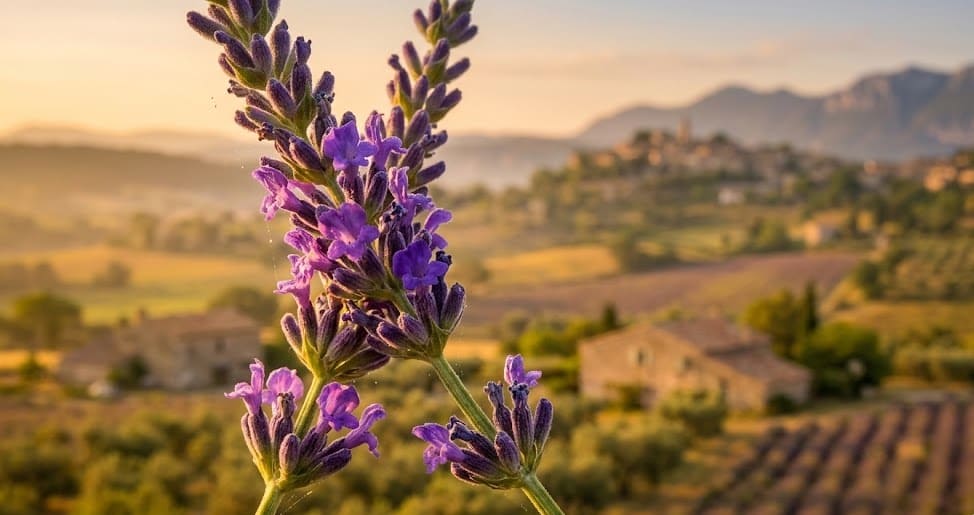
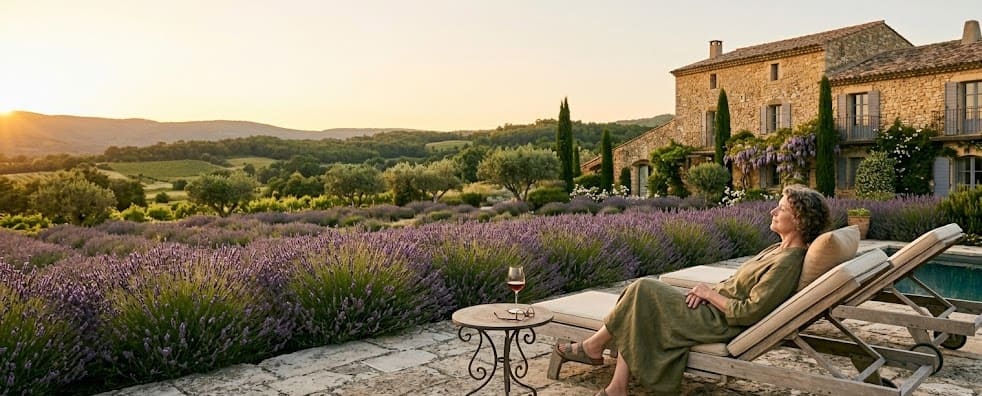
Provence, standing in stark contrast to the sophisticated, hyper-velocity capital of Paris, celebrates a rural, unhurried lifestyle. It is a geography defined by its sensory richness. The air carries the distinct, fragrant smell of lavender, particularly evident from mid-June to August when the fields bloom in geometric bands of violet across the landscape.
The auditory environment is dominated not by traffic, but by the relentless, rhythmic song of the Provencal cicadas. For over a century, artists and writers have recognized the hum of the cicada as the definitive soundtrack of Provence—a sound that is not merely musical, but serves as an ancient symbol of the joy of nature and the arrival of rest. As early as 1890, English travel writers noted that the cicada’s song feels “intoxicated with pleasure,” a direct antidote to the sensory overload of modern cities.
In 1895, ceramics maker Louis Sicard immortalized the cicada, and her presence on a doorway or terrace wall remains a powerful lucky charm in the region.
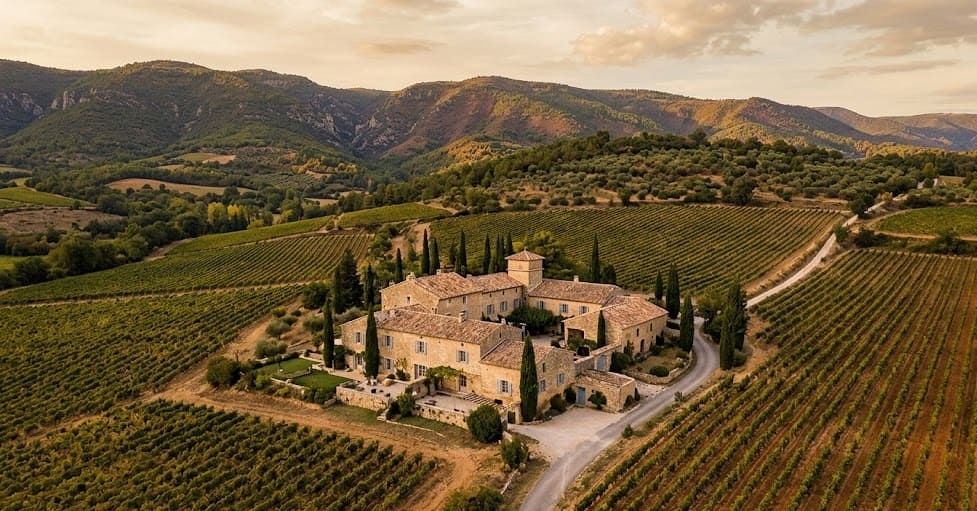
At the core of this therapeutic environment is the luberon regional natural park. Spanning nearly 500 square miles of protected landscapes across the Petit Luberon, the Grand Luberon, and the Luberon Oriental, it is a UNESCO Biosphere Reserve that encompasses dramatic limestone mountains, ancient perched villages, and agricultural valleys.
The terrain itself is an invitation to downshift. Gnarled vineyards and wind-sculpted trees separate tidy stone structures from abandoned buildings. The park hosts a rich, preserved fauna and flora, with numerous fossils visible in the rocks of the massif, testifying to a deep geological history that immediately contextualizes and diminishes the urgency of modern digital concerns.
Living in the heart of provence forces a physiological shift—an embrace of “Slow Living.” The benefits of this lifestyle are deeply documented and directly counteract executive burnout:
- Cognitive Reset: The unhurried pace provides profound mental clarity for afternoon work, allowing the executive to step back from abstract problems so that solutions can emerge organically.
- Biological Re-regulation: The Mediterranean climate offers distinct seasons with clear definition that ground the body in natural cycles. The dry, warm air and constant sunshine invite outdoor living on a spacious terrace, naturally resetting circadian rhythms disrupted by screen time.
- Nutritional Healing: The emphasis on simple, seasonally flavorful meals—such as fresh organic produce from the weekly village market, high-quality olive oil, a bundle of fresh radishes, or gently grilled salmon—improves gut health, providing proper energy and combating the inflammatory patterns of burnout.
- Tactile Reality: The environment is defined by its physical textures. A classic 17th-century Provençal bastide offers the tactile reality of ancient stone walls, weathered roof tiles, and lime-washed interiors. This provides continuous sensory grounding.
This is the essence of the sensory sanctuary. It is an environment where the abstract anxieties of the digital world dissolve against the physical weight of a landscape that has remained largely unchanged for centuries. The autumn mists, the golden hush of the region, and the endless vineyards create an effect that is nothing short of cinematic.
A Turnkey boutique hotel and Restaurant: The Sale in Provence-Alpes-Côte d’Azur
For the burnt-out executive, simply taking a vacation is insufficient. The individual will inevitably return to the toxic environment that caused the collapse. What is required is a structural change in how life and livelihood are integrated. This brings the analysis to the strategic acquisition of commercial hospitality real estate.
One might assume that purchasing a business in the hospitality sector would simply exchange one form of stress for another. However, operating a boutique hotel in a rural French setting is fundamentally different from managing a high-growth tech startup. It represents a transition from abstract, infinite demands to tangible, finite tasks.
The physical act of hospitality—arranging a welcoming reception area, curating a breakfast with local ingredients, maintaining a beautiful garden—grounds the nervous system. It provides immediate, physical evidence of value creation, satisfying the human need for tangible accomplishment.
A prime example of this exceptional property opportunity is currently visible on the World Businesses for Sale platform. Investors looking to explore a sale in france can find a deeply restorative, turnkey hotel property located near Avignon, in the provence-alpes-côte d’azur region. This specific boutique hotel for sale in Provence, France, represents the ultimate lifestyle pivot.
The financial and operational architecture of this specific property demonstrates strong potential for both wellness and wealth preservation:
| Asset Metric | Detail | Strategic Implication |
| Asking Price | €1,250,000 (~$1.45M USD) | Highly accessible entry point for high-net-worth individuals liquidating abstract digital assets. Price is generally evaluated including agency fees. |
| Annual Turnover | €420,000 | Demonstrates a proven, profitable business model with reliable, seasonal cash flow. |
| Net Profit | €140,000 | Provides a comfortable operational margin, allowing the owner to employ a manager if total detachment is required. |
| Physical Scale | 580 m² of living space (Freehold villa) | A manageable surface area that avoids the overwhelming maintenance of massive chateaus while providing ample space for guests. |
| Accommodation | 12 en-suite rooms | Unlike larger establishments with 22 rooms or more that require massive staff overhead, 12 comfortable rooms are perfectly scaled for an intimate, low-stress hospitality model. |
| Staffing | 5 Employees | A small, dedicated team capable of managing the day-to-day operations, ensuring the owner can focus on the sensory and relational aspects of the business. |
This charming boutique hotel is fully restored, meaning the buyer can step immediately into a life of physical grace without the stress of managing a foreign construction or renovation project. The property is ideally located, nestled in the picturesque countryside but close enough to the heart of the town to ensure guests have access to local markets and culture.
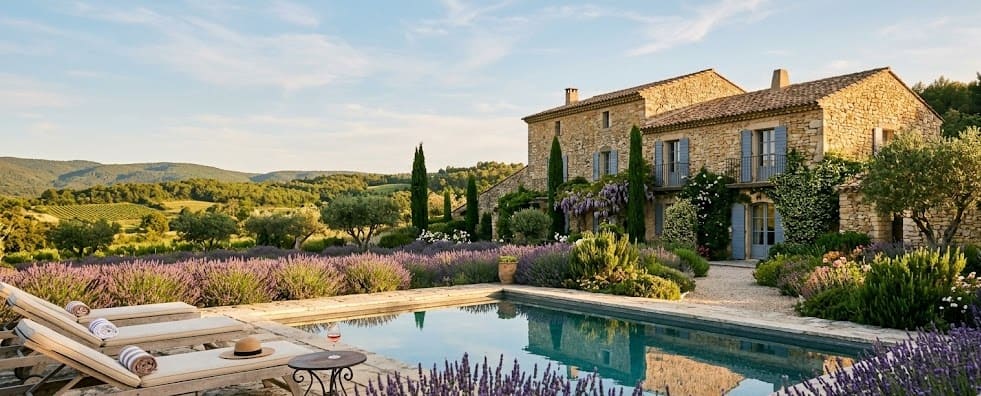
The physical footprint of the hotel property features a beautifully landscaped m² plot, elegant dining terraces, and a heated swimming pool that serves as the focal point for relaxation during the warm summer months. Equipped with every modern comfort while oozing authentic provençal charm, the estate provides the exact sensory sanctuary the burnt-out executive desperately needs.
Furthermore, the property often includes a dedicated seminar room, perfect for hosting small groups or corporate retreats, allowing the new owner to leverage their past corporate experience in a new, healing context. A fully equipped professional kitchen and secure private parking complete the functional aspects of the estate.
The underlying boutique hotel business is fully operational with a strong digital presence and a high seasonal occupancy rate. Acquiring a hotel and restaurant—or even a simpler bed-and-breakfast model—allows the executive to dictate the pace of their life. The winter months in the south offer a period of deep quiet and restorative rest, while the summer brings vibrant, yet manageable, social interaction.
Comparative Topography: A Nice Hotel in Cannes vs. A Charming Hotel in Avignon
When evaluating the luxury real estate market and specific hotels for sale in france, location and topography dictate the ultimate therapeutic value of the asset. The dynamic between coastal and inland properties is shifting dramatically.
Historically, the côte d’azur and specific locations like the cap d’antibes, Saint-Tropez, and the coast of cannes have commanded astronomical prices. The ultra-prime residential property market in these areas sees large oceanfront villas valued between €18 million and €30 million, with the finest homes reaching up to €200 million.
While these coastal locations offer global prestige, vibrant nightlife, and properties located just minutes from the beaches, they do not necessarily provide the profound peace required for burnout recovery. The coastal environment is highly social, status-driven, and often crowded, replicating the high-velocity networking pressures the executive is trying to escape. A nice hotel in Cannes represents an excellent financial asset, but it is not a sanctuary.
Conversely, the inland regions, particularly the Luberon valley and the areas surrounding Avignon, offer a superior value proposition for somatic healing. Here, the French immobilier sector sees immense demand for properties that offer deep privacy, expansive land (often spanning over one hectare), and authentic historical character.
An analysis of the sale in provence-alpes-côte d’azur reveals that these inland sanctuaries provide unparalleled lifestyle benefits. The strict preservation laws of the regional natural parks severely limit new development, ensuring enduring land scarcity and protecting the quietude of the landscape.
As the real estate market moves toward 2025 and 2026, forecasts indicate a significant drop in interest rates, stabilizing around 3% for a 20-year mortgage by spring 2025. This decline is expected to naturally boost demand and increase transaction volumes. Furthermore, the definition of luxury is evolving toward “sustainable luxury.”
Buyers are actively seeking properties that incorporate environmental responsibility, such as solar panels and rainwater harvesting, blending modern technology with historical aesthetics to minimize the carbon footprint. Inland properties in Provence are ideally suited for this adaptation.
To understand the financial implications of specific property features in this region, an evaluation of luxury amenities demonstrates what truly drives lasting value on the Côte d’Azur and in Provence:
| Amenity / Feature | Impact on Property Value and Hospitality ROI |
| Heated Swimming Pool | Essential. A large, perfectly maintained private pool is a key luxury feature that can increase rental rates and hotel room premiums by up to 35%, extending the usable season significantly. |
| Historical Architecture (e.g., 17th-Century Stone) | Highly sought-after. Authenticity cannot be replicated. Properties that preserve their historical character while integrating modern comfort appreciate faster and hold their value better than new builds. |
| Wellness Infrastructure (Spa / Sauna) | High return. A dedicated spa or wellness area directly appeals to the growing wellness tourism market, driving off-season bookings and premium rates. |
| Expansive Outdoor Terraces | Critical for the Provençal lifestyle. Shaded dining areas and reception terraces allow for the outdoor living that defines the region, maximizing the utility of the surface area. |
| Agricultural Assets (Olive Groves/Vineyards) | Adds a secondary income stream and deepens the narrative of the property. For example, a 10,000 m² plot with mature olive trees producing extra virgin olive oil enhances the brand of a boutique hotel immensely. |
A unique property in the heart of provence that combines these elements—historical charm, wellness amenities, and a manageable business model—represents a rare opportunity for the discerning investor seeking both capital appreciation and biological restoration.
The Architecture of the 3-Star Hotel: Transforming a Hotel with Restaurant into a Spa Haven
The physical layout and architecture of the typical Provençal hotel property are fundamental to its restorative power. Whether classified as a boutique luxury hotel or a high-end 3-star hotel, the architectural mechanics of these estates reveal exactly why they are so effective at curing burnout.
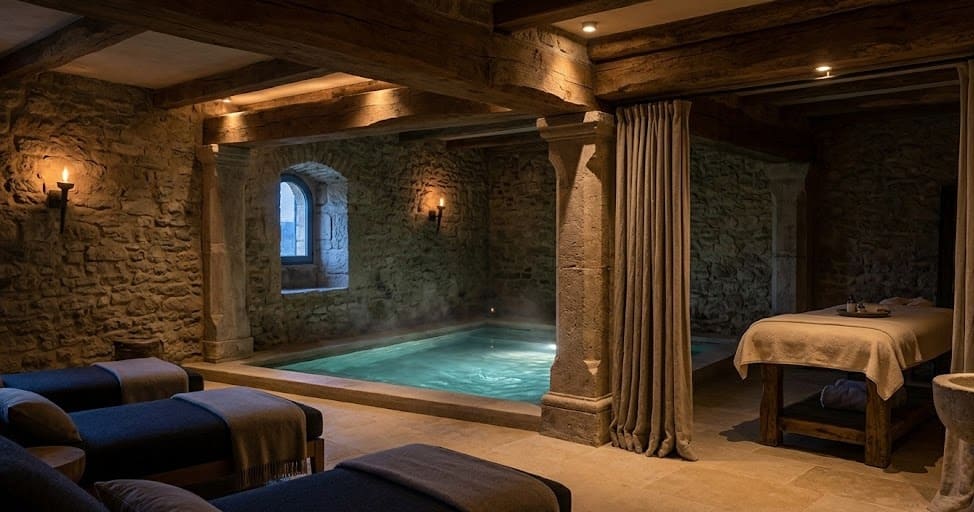
Take, for instance, a characterful building situated just outside a village in the Luberon. On the ground floor, one typically finds an expansive living area characterized by thick, exposed stone walls, vaulted ceilings, and terracotta flooring. These materials possess high thermal mass, meaning they absorb the heat of the fierce summer sun during the day and release it slowly at night, maintaining a constant, soothing ambient temperature without the hum and draft of aggressive air conditioning systems.
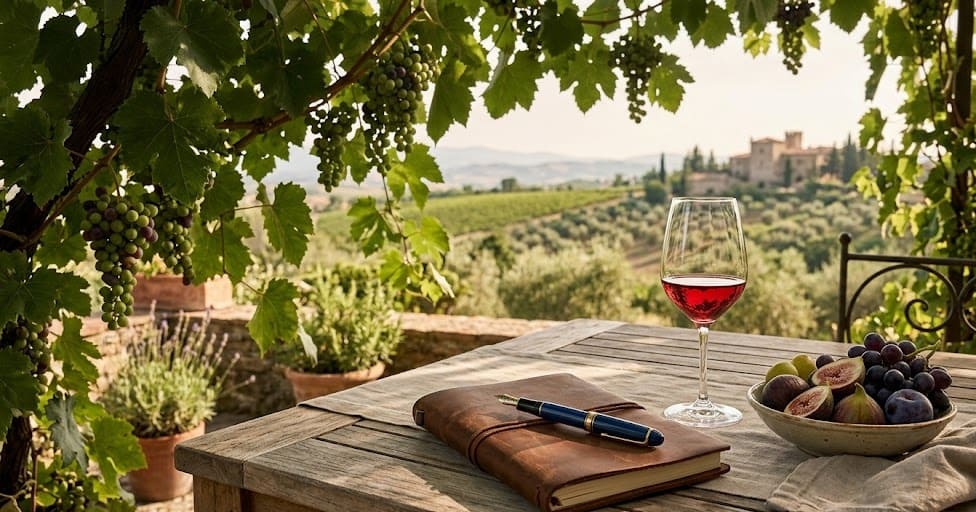
Moving through the property, the transition between indoor and outdoor spaces is seamless. A shaded terrace, often draped in centuries-old wisteria or grapevines, serves as the primary dining space for the hotel restaurant. The visual landscape stretches out over the valley, offering significant development potential for those who wish to renovate and expand, but absolute peace for those who prefer the existing scale.
The sleeping quarters are sanctuaries of profound quiet. Unlike modern drywall construction, the acoustics of historic French properties provide deep sound attenuation, ensuring that the sleep disruptions that plague the digital executive are swiftly cured by absolute silence, broken only by the morning breeze through the cypress trees or the distant sound of a cicada.
For properties that feature an integrated spa, the therapeutic value is exponentially increased. The global wellness real estate market is expanding rapidly, and the integration of a spa into a hotel with restaurant capabilities creates a holistic destination for travelers and a permanent wellness infrastructure for the owner. A dedicated wellness area that includes a sauna, a Turkish bath, an emotional shower, and a relaxation room transforms a simple stay into a regenerative retreat.
Operating such a property requires gentle, varied physical movement—walking the grounds, inspecting the professional kitchen, greeting guests, and perhaps overseeing a small harvest if the estate includes vines or olives. This physical activity, completely divorced from the posture-destroying ergonomics of the modern office chair, acts as continuous somatic therapy. It is the absolute antithesis of the braced, shutdown patterns of the corporate boardroom.
Escaping the Corporate Grind: Selling the Abstract Business to Buy a Hotel and Restaurant
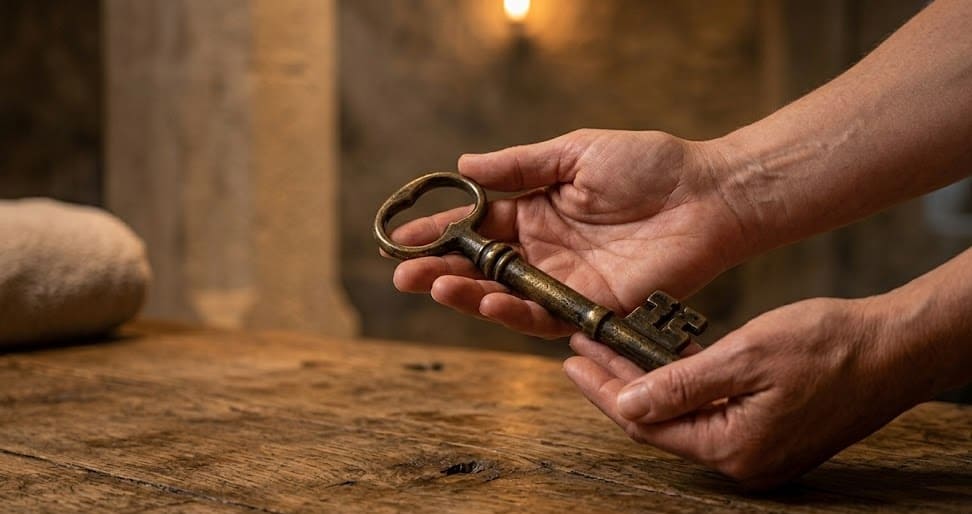
To fully embrace this somatic cure and finalize a sale in provence, the executive must first sever the ties that bind them to their current state of exhaustion. If a high-friction digital business is actively destroying their health, the most rational biological and financial decision is to release it. The transfer of business assets out of the founder’s hands and into the market is the critical first step in the “Provence Prescription.”
However, selling a business is traditionally a complex, stressful endeavor fraught with friction. Market data indicates a massive failure rate in business transitions. According to industry statistics, up to 80% of businesses listed on traditional broker websites fail to sell. Furthermore, over 50% of pending transactions fall through during the transition phase due to misrepresentation of information, lack of properly structured systems, or false expectations set by brokers.
For an already burnt-out executive, navigating a failed sale can be the final psychological breaking point. Furthermore, standard brokerage models often charge exorbitant commissions, eroding the exact capital needed to secure the new sanctuary in Europe.
To mitigate this friction, founders must utilize modern, specialized global platforms. The optimal route for the burnt-out owner is to utilize the Premium PAYG Selling Business Plan offered by World Businesses for Sale. This platform is specifically engineered to streamline the divestiture of established or higher-value businesses without the traditional pitfalls of the broker model.
The “Premium Plan – Until Sold” is an indispensable tool for the serious seller. Priced at a highly accessible £99.00 (with no ongoing monthly fees if the fixed one-time purchase is selected), this plan offers a paradigm shift in how commercial entities are marketed.
Key features of this divestment strategy include:
- Zero to Low Commission: By eliminating the massive broker fees typical of the industry, the seller retains the maximum possible capital from their exit. The plan includes a highly competitive 1% commission on the final sale, allowing the owner to preserve the wealth needed to fund their acquisition of the hotel and restaurant in France.
- Continuous Visibility (Until Sold): Many platforms limit listings to fixed durations, causing visibility to drop just as negotiations begin, forcing the seller to pay again and rebuild momentum from scratch. The Premium Plan guarantees that the listing stays live without interruption until the sale is finalized, avoiding relisting costs and emotional fatigue.
- Expert Listing Creation: Exhausted executives often lack the cognitive bandwidth to properly position their company for sale. The platform provides a team of British business experts who collaborate to craft a polished, highly optimized listing that highlights the unique strengths of the enterprise. Listings are typically prepared and pushed live within 24 hours.
- Priority Buyer Visibility: The listing receives enhanced positioning, pushing it to the forefront of a vast network of vetted, active buyers globally. This dramatically increases the velocity of the sale, generating vetted enquiries and allowing the founder to liquidate their stress faster.
For those requiring deeper assistance in structuring their exit, the platform also offers advanced advisory services, including Ongoing Business Advisory (£249.00), Strategic Business Advisory for High-Value Decisions (£399.00), and an Advisory Partner for Complex Situations (£899.00).
By executing this dual strategy—listing the toxic asset on World Businesses for Sale to generate immediate liquidity, and simultaneously exploring the platform for the perfect boutique hotel for sale in Provence—the executive orchestrates a masterclass in life design. They are not merely retiring; they are actively reallocating their capital from an intangible, biologically harmful asset class into a tangible, restorative, and highly characterful physical reality.

Conclusion: The Ultimate Hotel Property Investment
The crisis of digital executive burnout is a profound physiological reaction to an unnatural environment. The endless Zoom calls, the abstract digital metrics, and the constant high-velocity demands create a biological toll that manifests in severe somatic symptoms. Attempting to solve this profound depletion through piecemeal optimization, intermittent vacations, or sheer willpower invariably fails, as the underlying architecture of the individual’s life remains deeply flawed.
The solution requires a radical, structural intervention. By utilizing advanced market platforms like World Businesses for Sale, the modern leader can seamlessly execute a dual maneuver: liquidating the high-friction digital enterprise that is eroding their health, and deploying that capital to secure a somatic sanctuary in the Mediterranean.
The opportunity to acquire a boutique hotel in Provence transcends traditional commercial real estate investment. It is the adoption of the “Provence Prescription.” It is an investment in 17th-century stone that regulates the nervous system, in the slow, seasonal rhythms of the luberon that repair circadian biology, and in the physical, grounding act of hospitality that restores a sense of tangible purpose.
The pursuit of hotels for sale in france is not merely a search for yield; it is a search for healing. For the exhausted founder, this unique property is not merely a business; it is the ultimate architectural cure, offering a return to physical grace, enduring beauty, and profound, lasting peace.