What Is Acoustic Ecology?
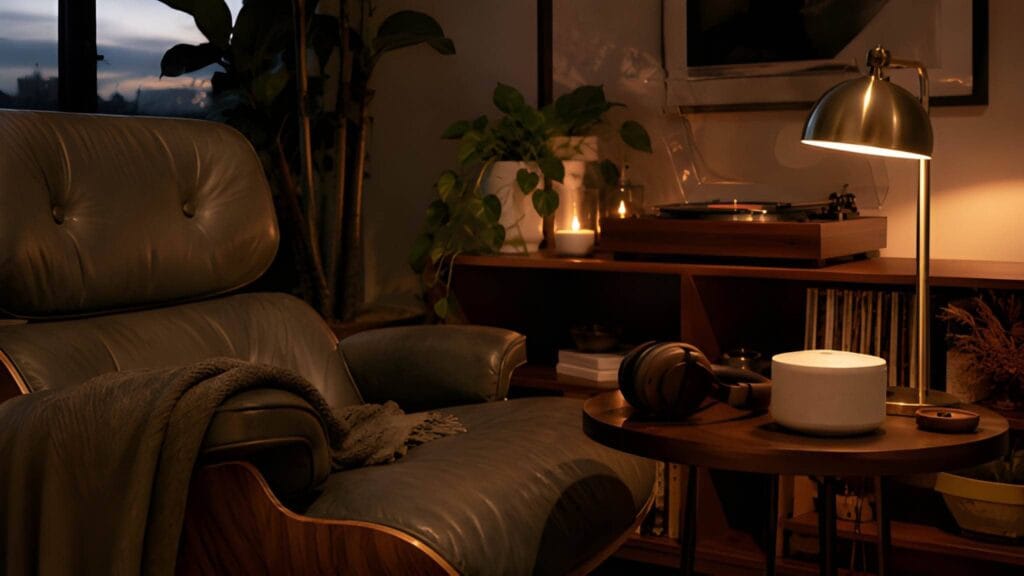
Acoustic ecology is the practice of paying attention to the sound environment around you — and choosing tools that make that environment easier to live, work, and rest in.
MindReset.org may earn a commission if you buy through our links. This does not increase your price and does not affect our editorial judgment.
As an Amazon Associate, we earn from qualifying purchases.
For most people, the problem is not “sound” itself. The problem is uncontrolled sound: traffic, appliance hum, office chatter, neighbor noise, notifications, and the constant low-level background input that makes it harder to focus or relax.
A good sonic sanctuary does not need to be silent. It needs to be intentional.
Noise-canceling headphones, high-fidelity earplugs, white noise machines, chimes, singing bowls, and simple analog audio rituals can all play different roles. Some tools block unwanted noise. Some create a steady background layer. Others help mark a transition from work mode into rest mode.
This guide is not medical advice and these products are not treatments for anxiety, insomnia, tinnitus, or sensory disorders. Think of them as practical tools for shaping your sound environment.

How to Build a Layered Sonic Sanctuary
The easiest way to use acoustic ecology at home is to think in three layers.
The shield reduces unwanted sound. This includes noise-canceling headphones, earplugs, and other tools that help you control exposure to loud or distracting environments.
The foundation creates a stable background. White noise machines, fans, brown noise, and gentle ambient sound can make sudden noises feel less sharp.
The ritual layer gives your brain a clear transition cue. A singing bowl, wind chime, gong, or vinyl record can mark the shift from work, scrolling, or stress into a slower evening rhythm.
You do not need all three layers on day one. Start with the sound problem that actually bothers you: noise, silence, distraction, sleep disruption, or lack of transition between work and rest.
1. The Noise Shield: Sony WH-1000XM5
The Sony WH-1000XM5 is best for people who need strong noise control in busy environments: commuting, open offices, city apartments, airports, and shared spaces.
It does not create silence, and it does not “reset” your brain. What it can do is reduce a wide range of background noise so your environment feels easier to manage.
How it works: Active noise cancellation helps reduce steady background sound such as traffic, office hum, engines, and general city noise.
Mind Reset Factor: By lowering unwanted background noise, the XM5 can make it easier to work, read, travel, or rest without constantly reacting to your surroundings.
Best for: commuters, remote workers, frequent travelers, city noise, and focus sessions.
Skip if: you dislike over-ear headphones, need sleep headphones, or want a cheaper noise-control option.

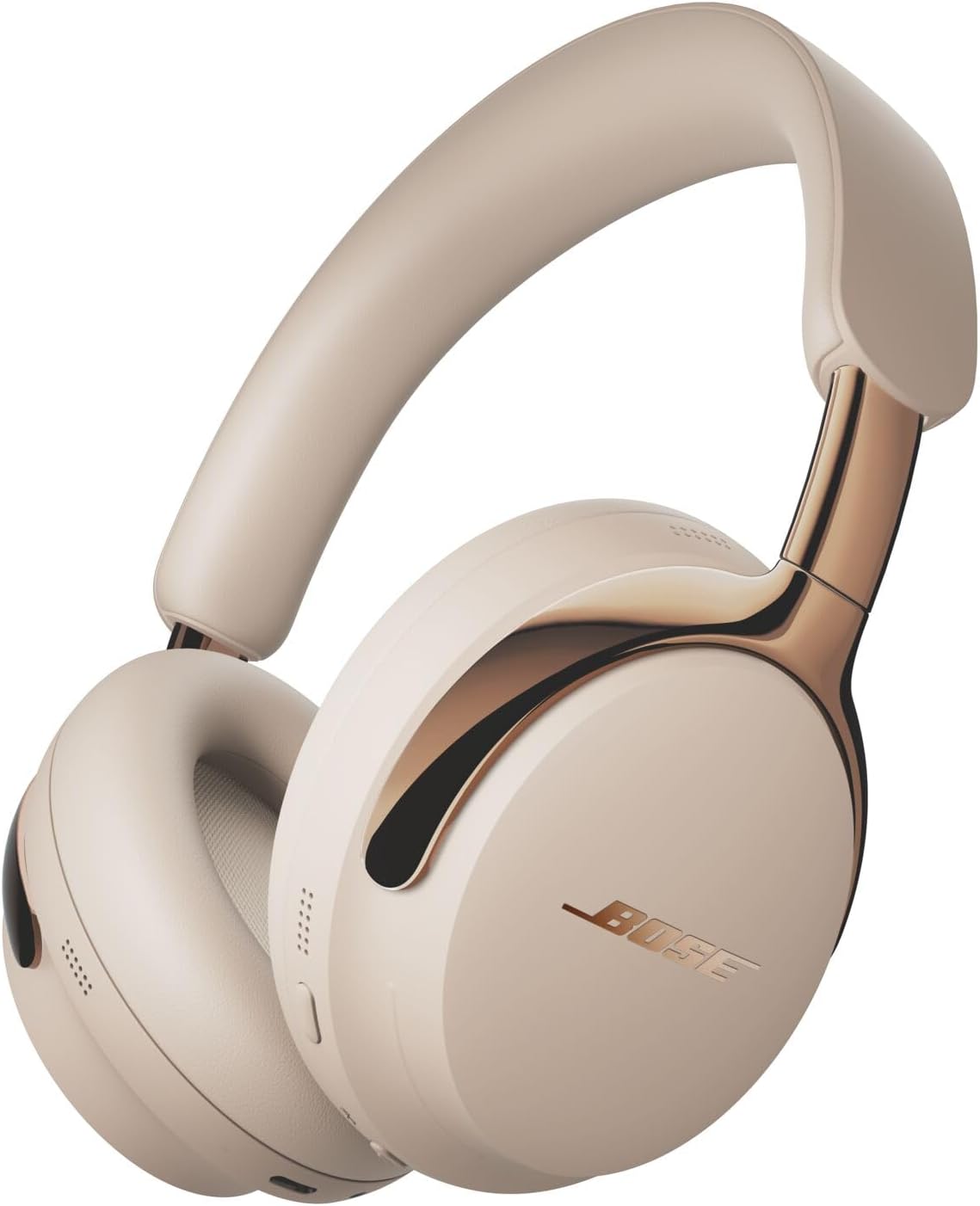
2. Immersive Listening: Bose QuietComfort Ultra
The Bose QuietComfort Ultra is a better fit for people who want premium headphones not only for noise reduction, but also for more immersive listening.
This can be useful if you use ambient music, nature recordings, audiobooks, or calm playlists as part of a focus or wind-down routine. The value is not that the headphones create therapy. The value is that they make the listening experience feel more enclosed and less interrupted by the outside world.
How it works: Noise cancellation reduces outside sound, while spatial audio features can make selected audio feel wider and more room-like.
Mind Reset Factor: A more immersive listening setup can help create a clear boundary between “busy environment” and “intentional listening time.”
Best for: premium listening, travel, focus music, ambient sound, and screen-free wind-down.
Skip if: you only need basic noise cancellation or want a lower-cost pair of headphones.
3. The Adjustable Volume Layer: Minuendo Lossless Earplugs
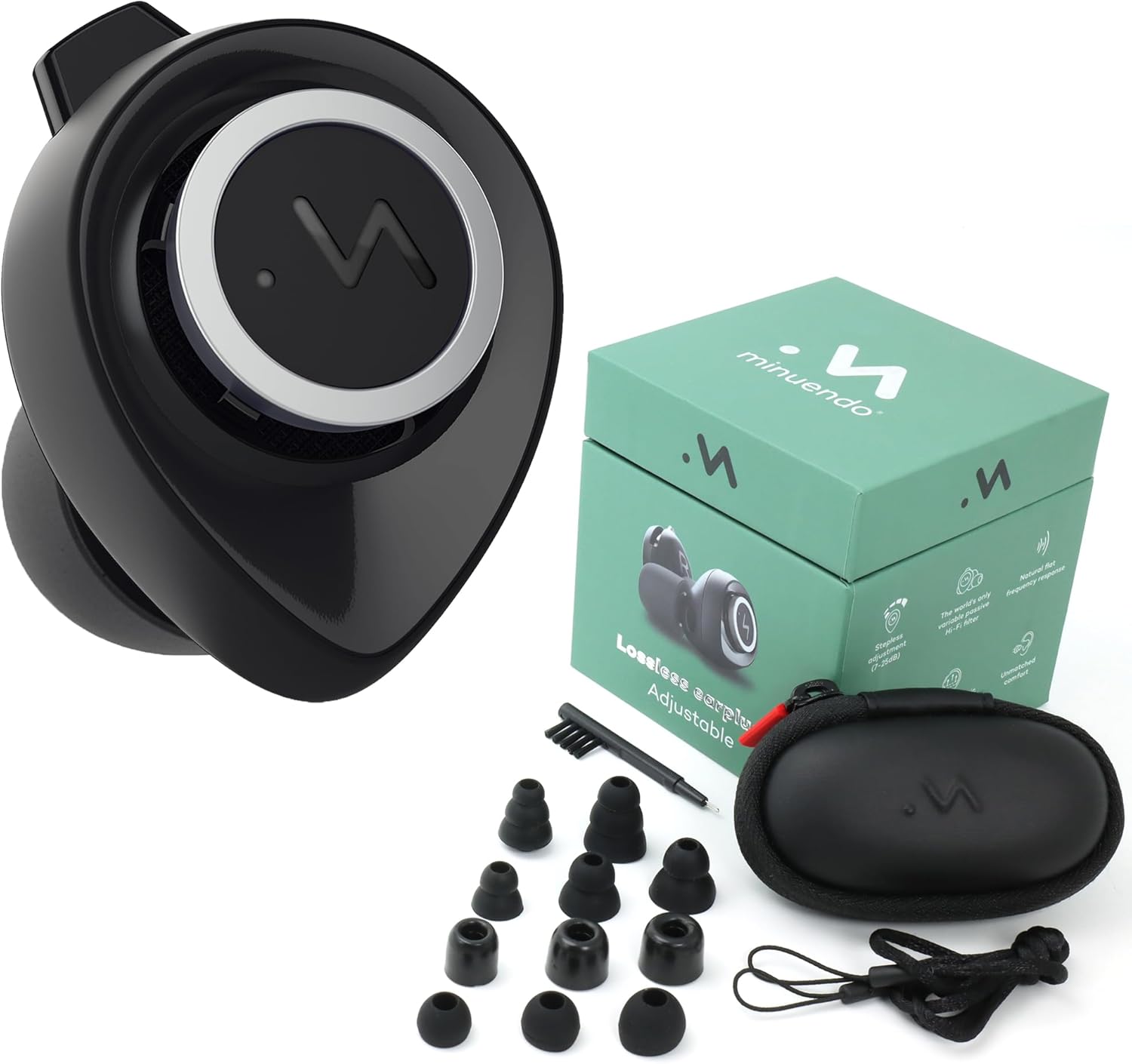
Minuendo Lossless Earplugs are useful when you want to reduce sound without fully blocking the world out.
They are especially interesting because they are adjustable. That makes them more flexible than basic foam earplugs, especially for concerts, events, commuting, cafés, shared workspaces, or other situations where you may still need to hear people around you.
How it works: The adjustable switch lets you change the amount of sound reduction without removing the earplugs.
Mind Reset Factor: Adjustable earplugs can give you more control over loud or busy environments without forcing you into total isolation.
Best for: concerts, public spaces, commuting, cafés, events, and people who dislike full noise blocking.
Skip if: you only need cheap disposable earplugs or want active noise cancellation.
4. Ancient Resonance
A Tibetan singing bowl is best used as a simple ritual sound tool, not as a medical sound therapy device. Its value is in the pause it creates: you strike the bowl, listen to the tone fade, and give your attention one clear auditory anchor instead of another screen, notification, or task.
This makes it useful for meditation corners, breathwork sessions, evening transitions, or a short screen-free reset after work. The sound is not meant to “fix” your nervous system. It is meant to mark a shift: from rushing to listening, from multitasking to one slow moment.
Mind Reset Factor: A singing bowl can turn a scattered room into a more intentional space. The long, fading tone gives your mind something simple to follow, which may make it easier to slow down before meditation, journaling, or sleep preparation.
Best for: meditation rituals, screen-free transitions, breathwork, and people who prefer analog tools over apps.
Skip if: metallic tones irritate you, you need background sound for sleep, or you share a space where ringing sounds would disturb others.

5. Intuitive Flow
A steel tongue drum is a low-pressure way to bring sound into your reset routine. Unlike many musical instruments, it does not require serious training to produce soft, pleasant tones. Most beginner tongue drums are tuned so simple patterns still sound balanced, which makes the experience feel more intuitive than technical.
This is not a passive sound tool like white noise. It is an active reset. You use your hands or mallets, repeat slow patterns, and let the sound give you something physical and simple to focus on. That makes it a better fit for people who relax through gentle activity rather than total stillness.
Mind Reset Factor: The steel tongue drum works well as a five-minute analog break. It gives your hands something to do, your ears something calm to follow, and your attention a reason to leave the screen.
Best for: evening decompression, creative breaks, mindful play, family-friendly sound rituals, and people who dislike silent meditation.
Skip if: you want complete silence, you live in a noise-sensitive space, or you are looking for a background sleep device rather than an interactive tool.

6. The Elemental Harmony: Koshi Chimes
Koshi chimes are a gentle analog sound tool for people who want a lighter ritual than a gong or singing bowl.
Their sound is delicate, airy, and short-lived. That makes them useful as a transition cue: ending a meditation session, starting a journaling routine, closing a workday, or marking the beginning of a quiet evening.
They are not meant to mask noise or replace a white noise machine. They work better as a small sound ritual.
How it works: The tuned metal rods inside the bamboo body create a soft, bell-like tone when the chime moves.
Mind Reset Factor: Koshi chimes can help mark a transition from one state to another: work to rest, screen time to quiet time, or meditation to daily activity.
Best for: meditation spaces, yoga corners, journaling rituals, and gentle home atmosphere.
Skip if: you need steady background sound, privacy noise, or a tool for loud environments.

7. The Privacy Shield: Yogasleep Dohm Nova / Classic
The Yogasleep Dohm Nova / Classic is a practical sound machine for people who want a steady background layer instead of silence.
This type of device is useful when small sounds feel too sharp: hallway noise, neighbors, light traffic, partner movement, or household sounds. It does not block noise like headphones or earplugs. It helps create a more consistent sound floor.
How it works: The device produces steady fan-based or machine-generated sound that can help mask sudden background noises.
Mind Reset Factor: A consistent sound layer can make a bedroom, office, or nursery feel less exposed to every small noise in the environment.
Best for: bedrooms, home offices, apartments, nurseries, and people who dislike using phone apps for white noise.
Skip if: you prefer silence, need hearing protection, or want portable noise cancellation for travel.

8. Strong Ritual Sound: Himalayan Wind Gong
A small gong is not a casual background sound tool. It is a strong ritual instrument for people who want a bold sound cue in a meditation room, yoga space, or creative studio.
The sound can be dramatic and attention-grabbing, so it should be used intentionally. This is not the right tool for shared apartments, thin walls, late-night routines, or people who are sensitive to sudden loud sounds.
How it works: Striking the gong creates a broad, resonant tone that fades over time and gives your attention a clear sound event to follow.
Mind Reset Factor: A gong can mark a strong transition point: the beginning or end of a meditation session, breathwork practice, or screen-free ritual.
Best for: meditation rooms, yoga spaces, sound rituals, creative studios, and people who want a more dramatic analog sound cue.
Skip if: you live with noise-sensitive people, share thin walls, want a bedtime sound tool, or dislike strong metallic resonance.

9. The Ritual of Sound: Audio-Technica LP60X
A turntable belongs on this list because it changes how you listen.
Streaming is fast, endless, and algorithm-driven. Vinyl is slower. You choose one record, place it on the turntable, lower the needle, and stay with the album instead of jumping between tracks every few seconds.
That makes the Audio-Technica LP60X a good fit for people who want a more intentional, screen-free listening ritual at home.
How it works: The physical process of choosing a record and playing it creates a slower listening experience than app-based audio.
Mind Reset Factor: Vinyl can support a more deliberate evening routine by making music feel like an activity, not just background noise.
Best for: screen-free evenings, intentional listening, analog rituals, and people who want a slower music habit.
Skip if: you want portable audio, dislike physical media, or prefer the convenience of streaming.


What We Could Verify
We could verify public product listings, common use cases, general noise-control logic, and official hearing-health guidance around loud noise exposure.
What We Could Not Verify
We could not verify that these tools lower cortisol, reset the nervous system, treat anxiety, improve insomnia, or create the same effect for every user. Comfort, sound preference, fit, and tolerance vary from person to person.
Conclusion: Mastering Your Sonic Environment
The goal of Acoustic Ecology is not just to find silence, but to curate a sound environment that supports your neural health. By balancing high-tech isolation tools like the Sony XM5 with organic instruments like the Tibetan Singing Bowl, you create a layered approach to mental recovery.
Whether you are using Minuendo earplugs to protect your ears in a loud world or the Yogasleep Dohm to create a natural shield for your sleep, you are taking active control of the sensory inputs that shape your mind.
Your acoustic ecology is the bridge between your external environment and your internal state. Choose your frequencies wisely.
Conclusion: Build a Sound Environment You Can Actually Live With
The goal of acoustic ecology is not perfect silence. It is a more intentional relationship with the sound around you.
Some tools reduce unwanted noise. Some create a steady background layer. Some act as ritual cues that help you move from work, scrolling, or stress into a slower part of the day.
The best tool depends on your real problem.
If noise overwhelms your day, start with headphones or earplugs.
If small sounds disturb your sleep or focus, try a white noise machine.
If you want a screen-free ritual, consider a singing bowl, chime, gong, tongue drum, or turntable.
Choose the tool that solves the sound problem you actually have. That is the practical side of acoustic ecology.