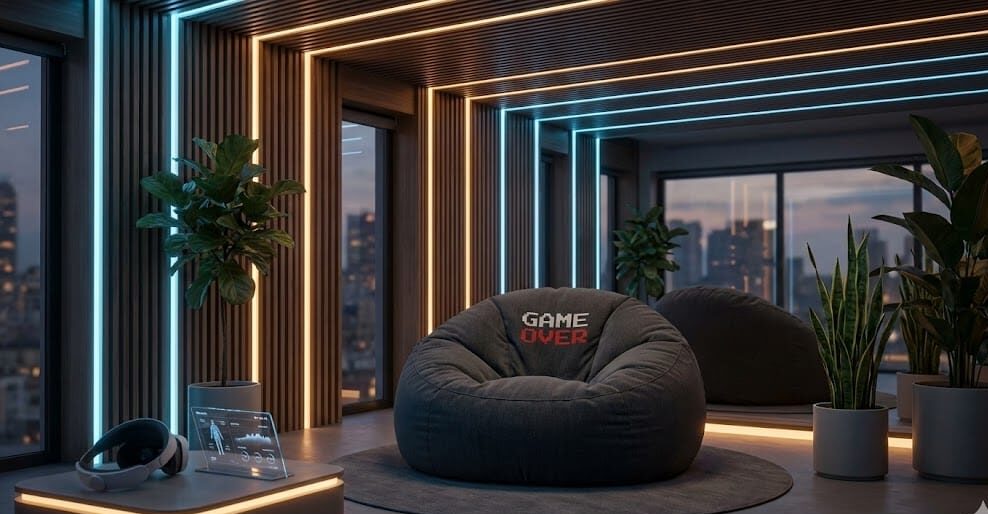
The modern world is an unrelenting storm of sensory input. To heal, you must intentionally design a Neuro-Recovery Space that acts as a buffer between your nervous system and the external chaos. By prioritizing comfort and specific technical standards, you allow your brain to shift from a state of ‘survival’ to a state of deep, restorative repair.
Today’s pace of life often exhausts our brains, so quality neuro-recovery has become a basic need for every productive person. We forget that for stable work and high concentration, we need more than just rest; we need a specially organized environment. Creating a therapeutic space helps the brain restore neural connections faster and reduce cortisol levels. In this article, we will explore how to combine advanced technologies with maximum tranquility.
The world around us has become too loud. We are constantly bombarded with notifications, urgent tasks, and hidden anxiety, which subtly drains our internal resources. In such a state, even the attempt to rest often turns into yet another effort. True recharging is not just the absence of work; it is creating conditions under which your autonomic nervous system can finally step out of “fight or flight” mode.
At mindresets.org, we believe the path to tranquility begins with understanding your own body. For your thoughts to finally calm down, the body needs to receive a signal: “You are safe. You can relax.” And this is where physical comfort meets high technologies.
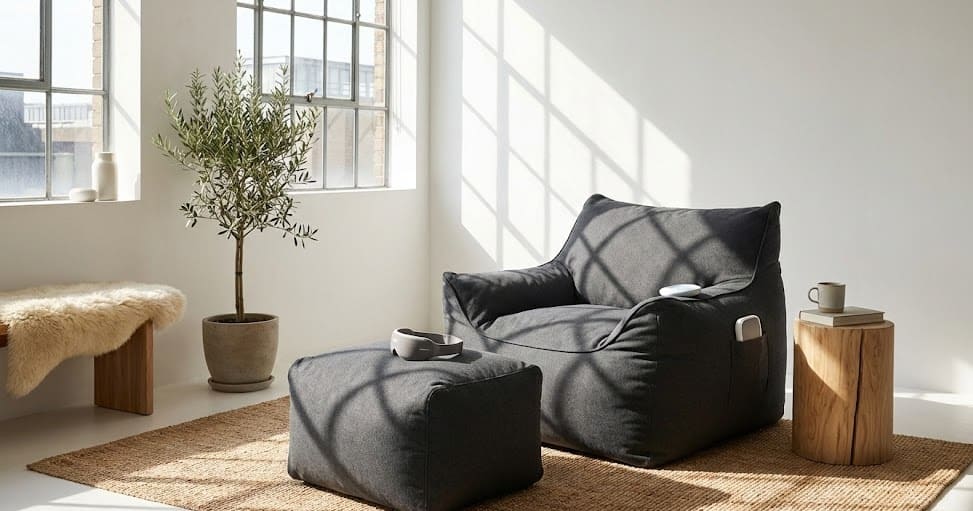
The Essential Standards for Your Neuro-Recovery Space
Physical Foundation: Chair as a Cocoon Any practice of neurorehabilitation—whether meditation or frequency work—loses its effectiveness if your body feels tension. When your back is stiff and your neck is trying to hold the head at an incorrect angle, the brain continues to receive discomfort signals that block deep relaxation.
The bean bag chair Game Over High Back with a footstool isn’t just furniture for gamers. For us, it’s an ergonomic “grounding” tool. The high back provides necessary support for the spine and neck, allowing the muscles that have kept you in tension all day to finally “surrender.” The separate footstool helps improve circulation and creates a weightless feeling. It’s your personal “neuro-nest,” where you are physically protected from external chaos.
Optimizing Microclimates Within Your Neuro-Recovery Space
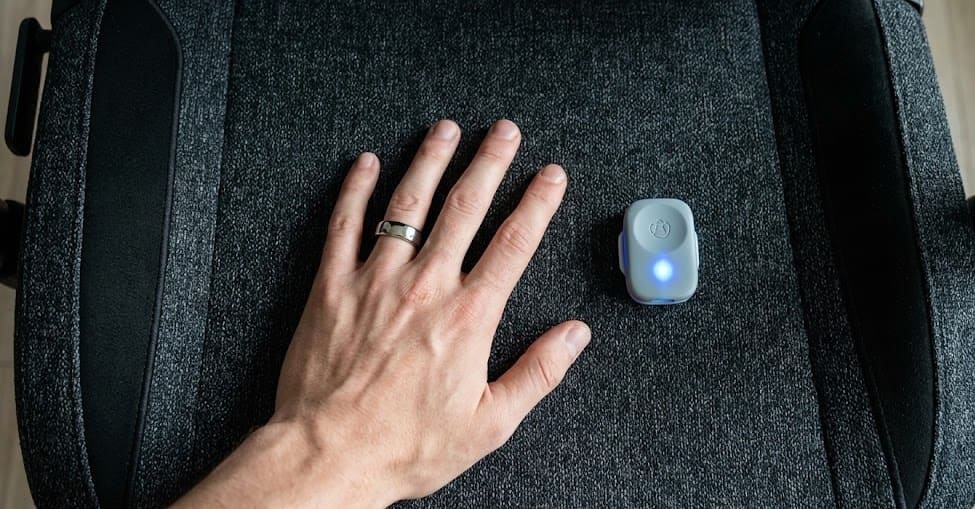
Synergy with Neurotechnologies When you adopt this ideal position, it’s time for active intervention in your physiology. Now your neurogadgets will work multiple times as efficiently because they won’t have to combat your bodily discomfort.
- Deep Meditation with Muse S and Flowtime: Using headbands for neurofeedback, such as Muse S (Generation 2) or Flowtime, requires stillness and concentration. In the Game Over chair, you can find that position where your heartbeat naturally slows, allowing the Muse S to more accurately read your brain activity and convert it into calming nature sounds.
- Stimulation of the vagus nerve with Sensate 2: The Sensate 2 device, which uses bone conduction and low-frequency vibrations to calm the nervous system, works best when you are semi-reclined. The bean bag chair filler perfectly conforms to the body, helping the Sensate vibrations gently spread across the chest, literally ‘massaging’ your vagus nerve and switching the body to a calm mode in a matter of minutes.
- Instant calm with Apollo Neuro: While you are relaxing, Apollo Neuro on your wrist or ankle can transmit soothing vibration waves. In a state of full physical support provided by an ergonomic chair, your ability to perceive these ‘tactile hugs’ increases, accelerating the restoration of your emotional resilience.
Monitoring results: Oura and Whoop True ‘Mind Reset’ is not just about feeling; it’s about measured data. If you spend at least 20 minutes in such a combination—Game Over ergonomic recline plus one of the neuro gadgets—your recovery trackers, like Oura Ring 4 or Whoop 5.0, are sure to capture it. You will see your heart rate variability (HRV) grow—a key indicator that your nervous system has restored its balance. Instead of ignoring fatigue, you learn to choose recovery time based on real data about your body.
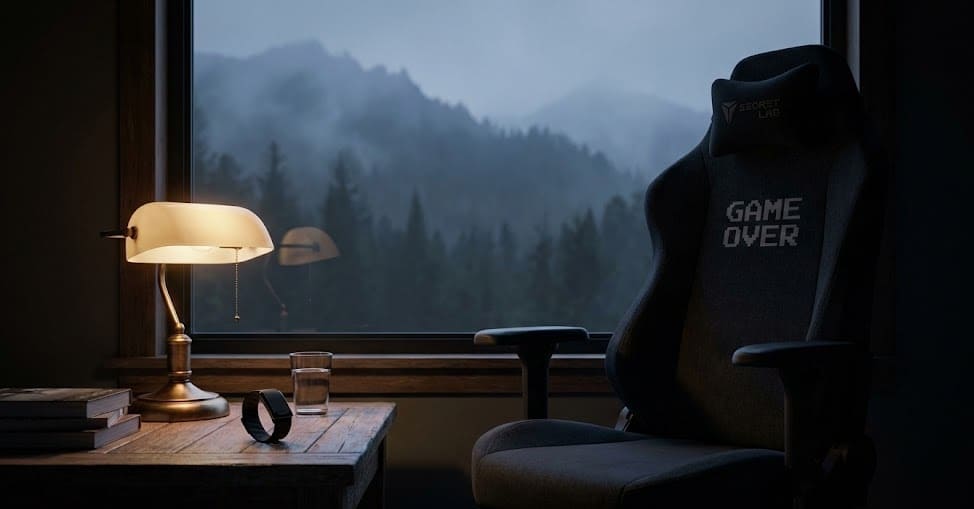
Conclusion Creating a recovery space at home is not a luxury but a necessity in our hyper-connected world. Combining the physical comfort of the Game Over chair with the power of neurotechnology is the shortest route to breaking the cycle of chronic stress. It is your private port where you can ‘dock’ at any moment to recharge and see the world with a clear perspective.
Feel relief today by giving your body what it truly needs—support, calmness, and space for recovery.